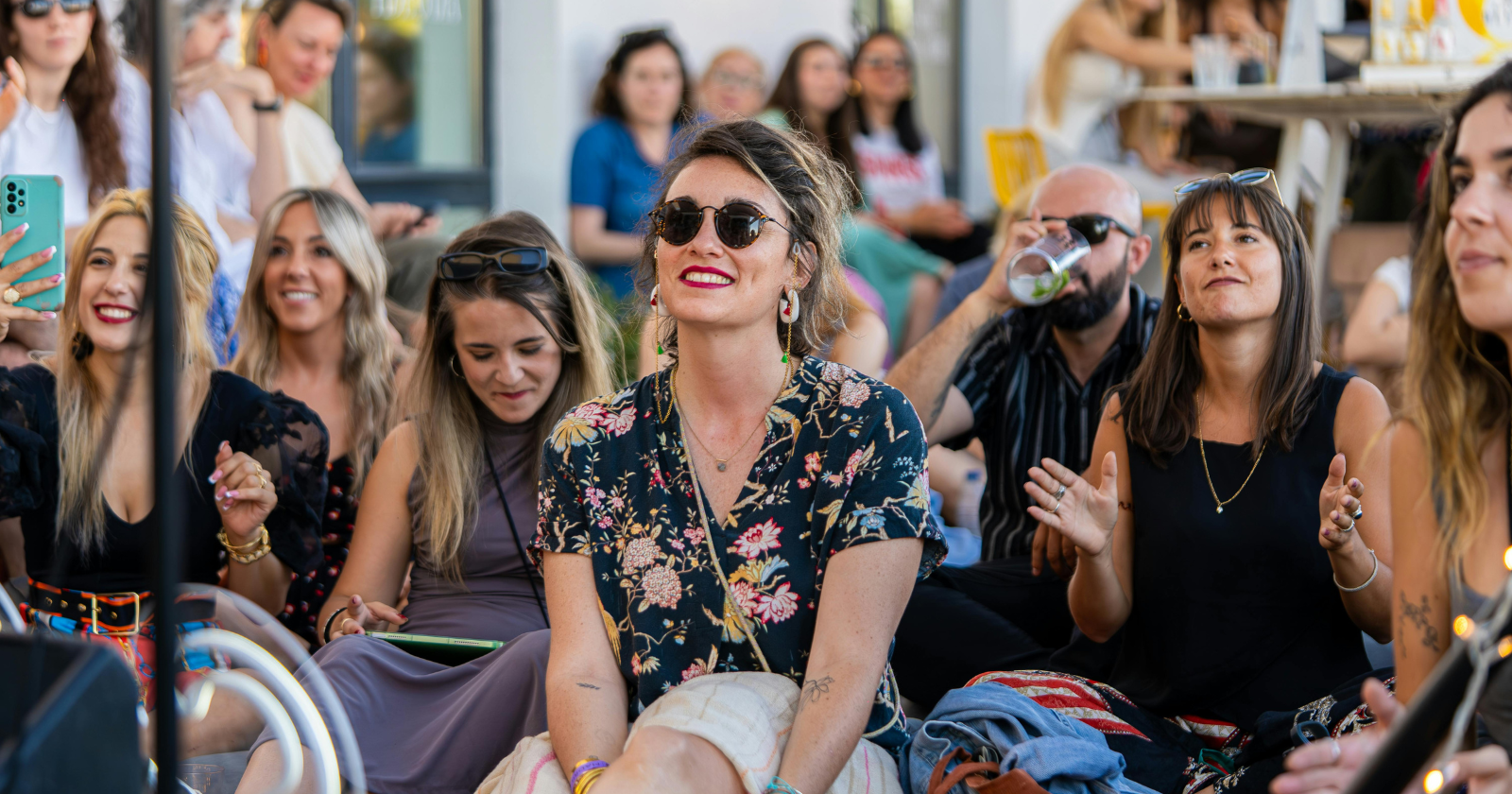
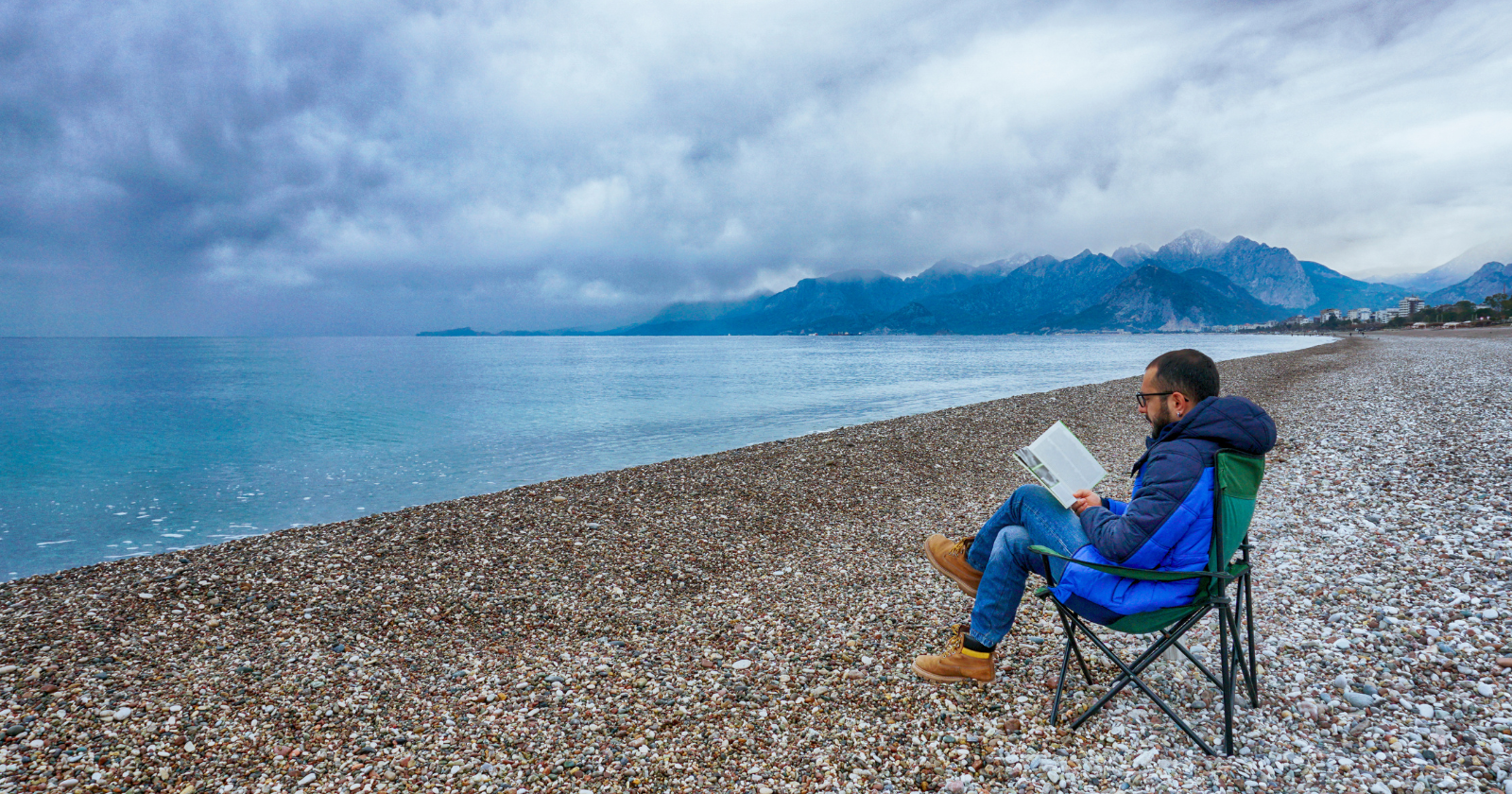
Picture this: You're at a party, having a great conversation, genuinely enjoying yourself, when suddenly you hit a wall. Your energy drains like someone pulled the plug, and you make an excuse about an early morning and slip out, feeling guilty and wondering why you can't just be "normal" like everyone else who seems to thrive in these settings. Here's what most people get wrong: Struggling with long social events might just mean you have a smaller social battery than others, and that's completely okay.
But over years of interviewing people for my articles, I've learned something surprising: some of the coldest-seeming people have the warmest hearts. It's counterintuitive, I know. We're taught to read warmth through smiles, enthusiasm, and social ease. But what if I told you that the colleague who seems distant might be the first to notice when you're struggling? Or that your seemingly aloof neighbor could be quietly performing acts of kindness you never see?
My office went remote during the pandemic, an arrangement which became permanent, much to my delight. I love working from home for all of the reasons one might: from kids, to pets, to putting dinner in the crockpot on my lunch hour, to saving money on clothes, food, and gas. I have reclaimed HOURS of my day! I have time to exercise! It's amazing.
Introversion and extroversion are on "opposite ends of a continuum" and not a binary, says William Chopik, a social-personality psychologist at Michigan State University. "People mostly fall somewhere in between those two extremes." Introverts are quieter, more introspective, deliberate, really into alone time. Extroverts are more talkative, outgoing, energetic, and very into socializing. Where you fall on the spectrum isn't static. For example, people tend to get a little more introverted as they get older, says Chopik, because of shifts in motivation, energy and lifestyle.
The end of the Christmas and New Year party season may mean that the emotional tone of early January appears somewhat quiet and downbeat, perhaps in contrast to the previous social whirl of December, and therefore many may well feel correspondingly gloomy right now. However, it could be that extraverts, the personality type defined by psychologists as more outgoing and sociable, will feel particularly deprived of socializing opportunities at this more subdued time of the year,
It's not just the holiday season. We live with this tension every day. The pull toward solitude versus the longing to belong is not a simple dichotomy but something that requires constant reflection and recalibration. For me, it is one of the central challenges of being human. When I say "group," I mean more than casual socializing. I include much of our outer world: family, school, work, groups formed by hobbies or shared interests (bandmates, pickleball team, neighborhood boards, volunteer organization, and more).
The book I wrote isn't even about introversion. But the process dispelled any doubt about where I fall on the introvert/extrovert scale. My project was to collect childless and childfree wisdom from academics, experts, and lay people. I talked with hundreds of people about the topic and had a ball. Extrovert, right? Not so fast. Sure, I talked with a lot of people when I was interviewing, but most meetings were one-on-one or in groups of no more than eight participants.
This summer has been a season jam-packed with a rapid succession of family reunions, road trips to visit far-flung loved ones, and hosting what a friend impishly refers to as "house pests." As a non-parent introvert, I'm saturated. The extended immersion in family gatherings involves everyone else's children. Doesn't matter if the kids are absent or in attendance. They're still omnipresent, mentioned frequently as a main topic of conversation.
I'm an introvert. Actually, I'm one of those extroverted introverts. Once I force myself to get out there and talk with people, I really enjoy it. But the thought of it beforehand can be overwhelming. I also consider myself a creative person. I do a lot of wondering and mulling and some occasional stewing and brewing and dwelling. It's solitary and sometimes lonely up there inside my head.