#iran-economy
#iran-economy
[ follow ]
#inflation #protests #currency-crisis #us-sanctions #oil-revenue #sanctions #poverty #job-losses #us-israel-conflict

World news
fromFortune
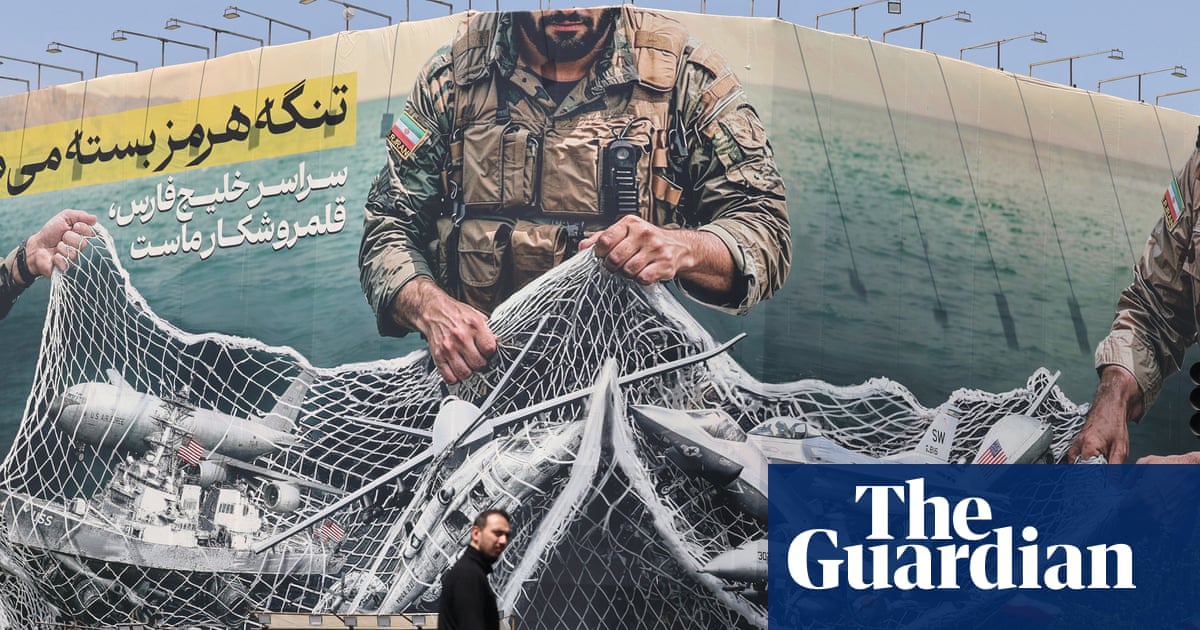
3 weeks agoU.S. naval blockade on Iran will trigger a currency devaluation spiral and hyperinflation, potentially ending the war more quickly, analyst says | Fortune
The U.S. blockade aims to cut off Iran's oil revenue, exacerbating its economic crisis and pressuring the regime to negotiate.
fromwww.aljazeera.com
3 months agoIran's economy falters as internet shutdown hits people, businesses hard
The state-imposed blackout has disconnected Iranians from the world and choked off businesses. Tehran, Iran Iran's economic outlook appears increasingly grim more than three weeks after the start of what became one of the most comprehensive and prolonged state-imposed internet blackouts in history, impacting a population of more than 90 million people. Iranian authorities abruptly cut off all communications across the country on the night of January 8,
World news
fromwww.aljazeera.com
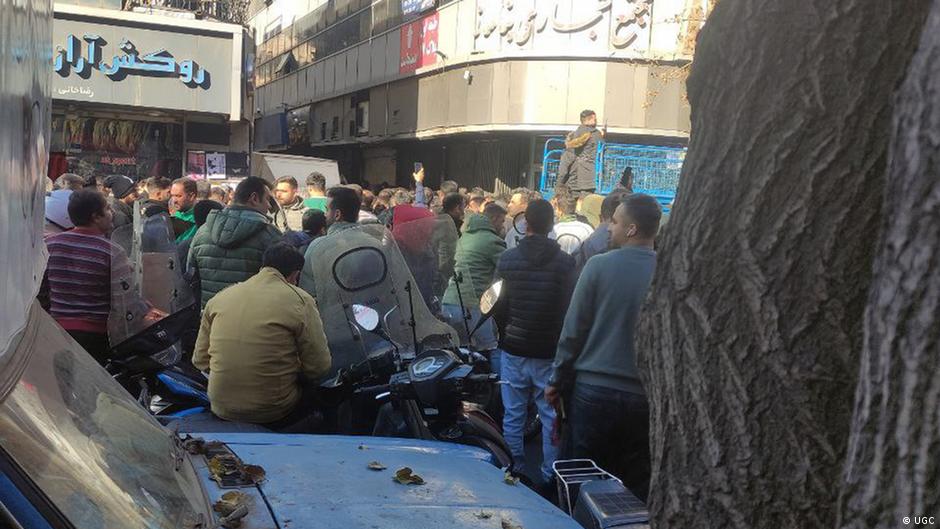
4 months agoProtests, strikes after Iran's economic situation rapidly deteriorates
Iranians are further squeezed every day amid a tanking economy, an energy crisis, water bankruptcy and lethal pollution. Several protests have erupted in downtown Tehran after business owners closed down their shops in reaction to a free-falling national currency, and no improvement appears in sight amid multiple ongoing crises. Shopkeepers near two major tech and mobile phone shopping centres in the capital's Jomhouri area closed their businesses and chanted slogans on Sunday,
World news
fromwww.aljazeera.com
7 months agoIranians fear more economic pain, war as UN sanctions snapback
They include an arms embargo, asset freezes and travel bans, and nuclear, missile and banking sanctions that are expected to impact all sectors of the beleaguered Iranian economy, as most of over 90 million people pay the price over the coming months. The sanctions are binding for all member states, to be enforced using nonmilitary measures. Iran's turbulent regional situation has some fearing more military strikes by Israel and the United States,
World news
[ Load more ]