#kaiser-family-foundation
#kaiser-family-foundation
[ follow ]
#kaiser-permanente #affordable-care-act #healthcare #medicaid #california #medicare-advantage #legislation
fromMission Local
23 hours agoSources: Michael Levine, Massachusetts Medicaid exec, is sole nominee to lead S.F. Homeless Dept.
"They want some fresh take, fresh eyes on homelessness in San Francisco," a source familiar with the hiring process said, pointing to Levine's experience with Medicaid, a federal program that is a public health insurance plan for low-income residents and is called Medi-Cal in California.
Mission District
#mental-health
Healthcare
fromwww.theguardian.com
2 weeks agoThank God they're still alive': Kaiser therapists claim its new screening system puts patients at higher risk by delaying their care
Changes in patient screening at Kaiser Permanente have led to concerns about delayed care for high-risk mental health patients.
fromNews Center
5 days agoPolicy Intervention Linked to Increase in Kidney Transplants in Black Patients - News Center
"This argues for the need to sustain such policies and shows that it is possible to right the wrongs retroactively, which is a powerful idea," said Kenneth Michelson, MD, MPH, associate professor of Pediatrics in the Division of Emergency Medicine and a co-author of the study.
Medicine



LGBT
fromLGBTQ Nation
2 weeks agoGOP lawmakers want to create a statewide list of trans people based on medical information - LGBTQ Nation
Tennessee House Bill 754 would require healthcare providers to publicly report detailed personal and medical information about transgender patients, potentially violating HIPAA privacy protections and exposing residents to harassment.
East Bay (California)
fromThe Oaklandside
3 weeks agoGender-affirming care: Oakland demands hospitals continue services
Oakland City Council unanimously passed a resolution condemning healthcare providers and insurers that preemptively restrict access to state-protected gender-affirming care amid federal threats and restrictions.
SF politics
fromLos Angeles Times
3 weeks agoEliminating a corporate tax break is pitched as a way to make up for federal healthcare cuts
California lawmakers propose repealing a tax break allowing multinational corporations to exclude foreign subsidiary income from state taxation, potentially generating billions in annual revenue.
fromAdvocate.com
6 days agoDoctors' group says American Medical Association didn't retreat on gender-affirming care for minors
"We knew right away that any shift in policy that was being reported was a grave exaggeration," Sheldon said, pointing to GLMA's role within the AMA's House of Delegates, where it has a voting seat and direct visibility into policymaking.
Healthcare
US news
fromwww.npr.org
3 weeks agoMedicare Advantage 'dark money' group tries to win higher payments for insurers
A dark money group orchestrated a coordinated campaign with 83% identical comments on federal Medicare Advantage reimbursement proposals, masking industry opposition as grassroots advocacy.
Public health
fromABC7 San Francisco
1 month agoTrump's new Medicaid work mandate could leave thousands of homeless Californians uninsured
Trump's new Medi-Cal work requirements and increased verification frequency will likely cause over 90% of unhoused Californians to lose health insurance coverage starting in 2027.
fromLos Angeles Times
1 month agoThere were 13 full-service public health clinics in L.A. County. Now there are 6
Because of budget cuts, the Los Angeles County Department of Public Health has ended clinical services at seven of its public health clinic sites. As of Feb. 27, the county is no longer providing services such as vaccinations, sexually transmitted infection testing and treatment, or tuberculosis diagnosis and specialty TB care at the affected locations, according to county officials and a department fact sheet.
Public health
fromInside Higher Ed | Higher Education News, Events and Jobs
1 month agoHealth Care Groups Form Coalition to Fight Loan Caps
The loan limits-which were prompted by congressional legislation and fleshed out through a contentious rule-making process -cap the amount a graduate student can borrow based on the type of program they enroll in. If their program is deemed "professional," they can borrow up to $50,000 a year or $200,000 total; meanwhile, students in programs labeled "graduate" can only take out half that-$20,500 a year or $100,000 total. Under the proposed regulations, only 11 degree programs are considered professional.
Higher education





Fundraising
fromwww.mercurynews.com
2 months agoValley Health Foundation's chief believes health care is public good
Valley Health Foundation raises community funds to support, innovate, and advocate for Santa Clara County’s expanding public health system, funding patient care, technology, and wellness.
New York Islanders
fromwww.amny.com
2 months agoOp-Ed | As healthcare costs surge, lawmakers should focus on reforming rather than expanding costly government programs amNewYork
Expanding 340B program and rising healthcare costs are exacerbating unaffordability, harming minority-owned businesses, and lacking transparency and oversight.

fromwww.timesheraldonline.com
1 month agoStriking Kaiser nurses back bill requiring health plans that receive state subsidies to disclose investments
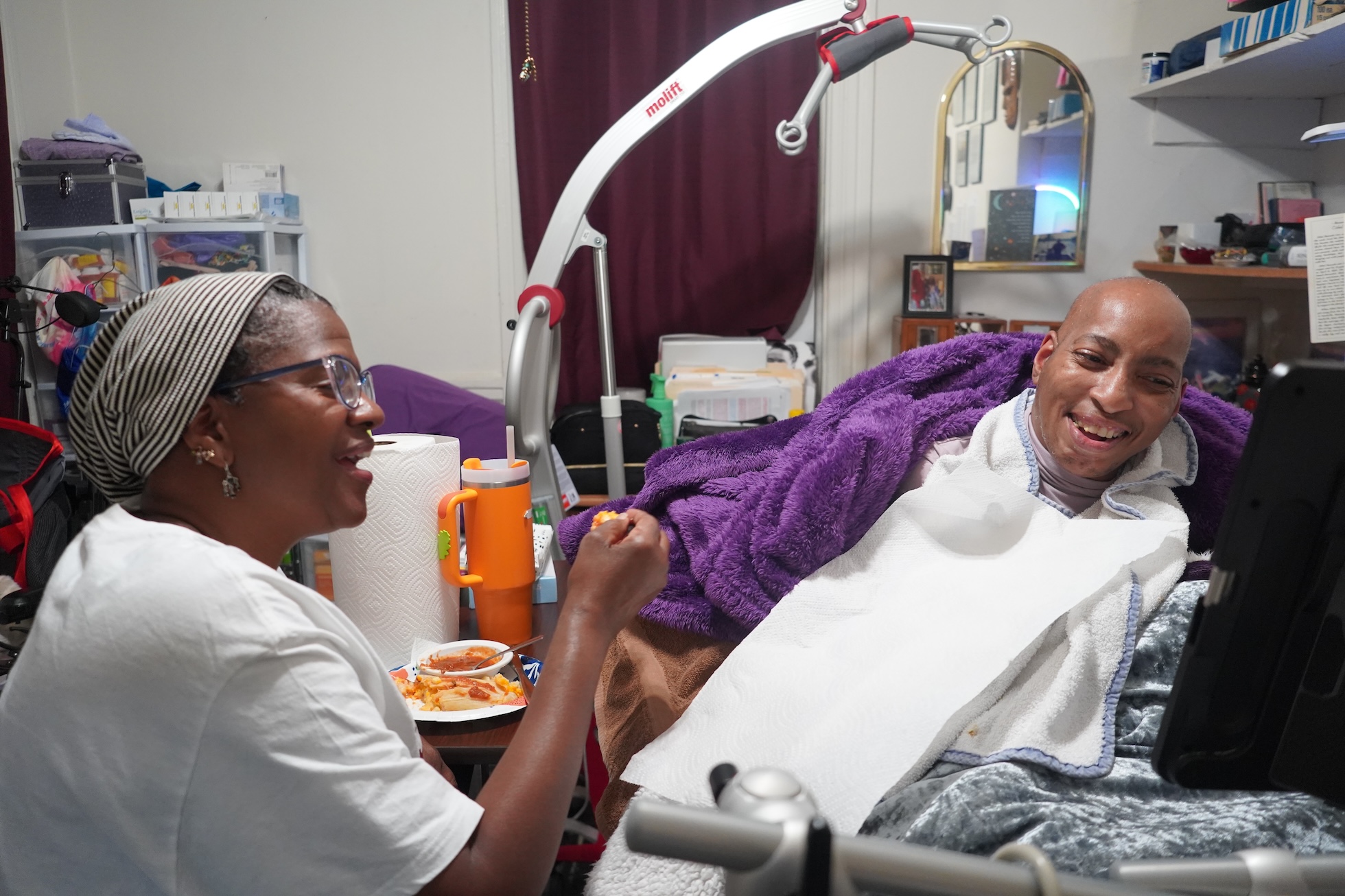
On Tuesday, California State Assemblymember Liz Ortega (D-San Leandro) introduced AB 1799, a bill that would require nonprofit health plans that receive significant state subsidies like Kaiser Permanente to disclose direct and indirect investments, including holdings tied to for-profit prisons and immigrant detention corporations. Nonprofit health care plans benefit from public subsidies and taxpayer support because of their obligation to put patients and community health first, a statement by United Nurses Associations of California/Union of Health Care Professionals said.
Public health
US politics
fromwww.twincities.com
2 months agoHow abortion coverage threatens to prevent a congressional deal on health care subsidies
Bipartisan lawmakers support reviving expired federal health-care subsidies, but abortion coverage disputes threaten compromise and could leave millions facing higher premiums.


Healthcare
fromLos Angeles Times
1 month agoCommentary: My toothache led to a painful discovery: The dental care system is full of cavities as you age
Oral health care in the United States, especially for seniors, faces severe systemic failures with cost barriers preventing access to necessary dental treatment.
Public health
fromKqed
1 month ago'Delay' and 'Deny': Even Health Insurance Companies Agree Prior Authorization Process Is Broken | KQED
Prior authorization often delays or denies medically ordered care; a high-profile assassination of an insurer executive helped trigger bipartisan state laws limiting prior authorization.
from48 hills
2 months agoThe US fails again to fix the real causes underlying poor health - 48 hills
If you're smoking three packs of cigarettes a day, should you expect society to pay when you get sick?" He added that while Americans would always have the right to "eat donuts all day," nevertheless, "should you then expect society to care for you when you predictably get very sick at the same level as somebody who was born with a congenital illness?
Public health
fromMedCity News
2 months agoWhy HHS Scrapping Its 340B Rebate Program Is a Win For Providers - MedCity News
The 340B program allows hospitals to buy outpatient drugs at steep discounts, with the purported purpose of helping them fund care for low-income and uninsured patients. The now-axed rebate model would have invited drugmakers to participate voluntarily in a rebate-based discount system. Basically, instead of the provider receiving a discount upfront at purchase, the 340B discount would be applied after purchase via rebate - and subject to tedious data submission requirements.
Public health
fromThe Mercury News
1 month agoStriking Kaiser nurses back bill requiring health plans that receive state subsidies to disclose investments
On Tuesday, California State Assemblymember Liz Ortega (D-San Leandro) introduced AB 1799, a bill that would require nonprofit health plans that receive significant state subsidies - like Kaiser Permanente - to disclose direct and indirect investments, including holdings tied to for-profit prisons and immigrant detention corporations.
Healthcare
fromwww.ocregister.com
1 month agoCalifornia sends $90 million to Planned Parenthood
Just over seven months after Planned Parenthood affiliates were defunded by the Trump administration, California injected another $90 million lifeline in reproductive health care grants to the state's seven affiliates, among the largest in the United States. The latest funding comes as a result of legislation, Senate Bill 106, passed by state lawmakers and signed into law by Gov. Gavin Newsom on Feb. 11. Since last fall, California has provided $235 million to the state's seven Planned Parenthood affiliates with Planned Parenthood of Orange County and San Bernardino counted as among one of the largest in the nation as measured in patient volume. The affiliate serves more than 130,000 patients annually across nine health centers in both counties.
Public health
[ Load more ]