Running
fromWIRED
3 days agoI Tested 43 Pairs of Lightweight Hiking Boots on Miles and Miles of Hardpack, Gravel, and Hills
Lightweight hiking boots under 2 pounds offer support, grip, and protection without the bulk of traditional boots.
One of the most indispensable items for spring tent camping is a rain fly. Your tent probably comes with one, but when that thing gets absolutely drenched, the water will soak through and drip from the ceiling. So, install this tarp above your tent and at an angle, so the rain rolls right off it.
The camping category has gone through a genuine design evolution. Products are emerging from studios that understand outdoor life not as a survival exercise but as an experience worth designing for.
My first pair of Hunter rain boots actually came from my grandmother, who has an incredibly sharp eye for great shoes (and zero patience for flimsy ones). When I was a teenager, she bought me a pair of tall Hunters in a glossy light silver. They were practical, of course, but also strangely cool-metallic enough to feel a little dramatic, subtle enough to still work with everything in my wardrobe.
The best hiking pants earn their place in our packing list the hard way-through scree scrambles, sweaty switchbacks, and the kind of bushwhacking that tests each and every seam. We've worn them on short hikes and multi-day backpacking trips, in hot and cold weather, through light rain and high-alpine winds.
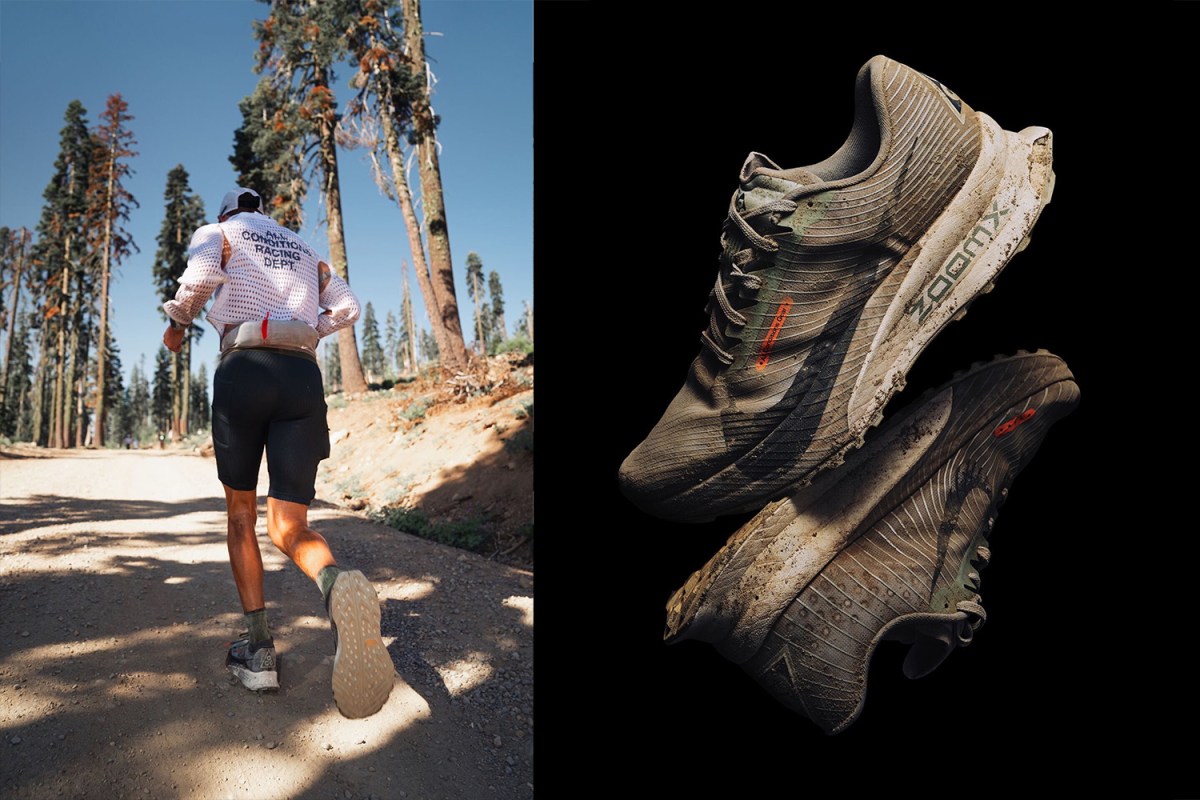
The gravel edition sticks with the same PEBA and EVA hybrid midsole with a transition-smoothing curved rocker, but adds extra grip in the form of a 2.5-mm lugged outsole. There's also some extra reinforcement around the toe box.
There's something oddly satisfying about watching outdoor gear shed its bulk. We've seen tents collapse into impossibly small pouches and sleeping bags compress into cylinders the size of water bottles. Now, Camprit is applying that same minimalist philosophy to camp stoves with their TiStove, and the results are kind of brilliant. The concept is deceptively simple. Take five titanium pieces (two foldable legs and three cooking panels), make them pack completely flat, and keep the whole setup under 1.5 pounds.
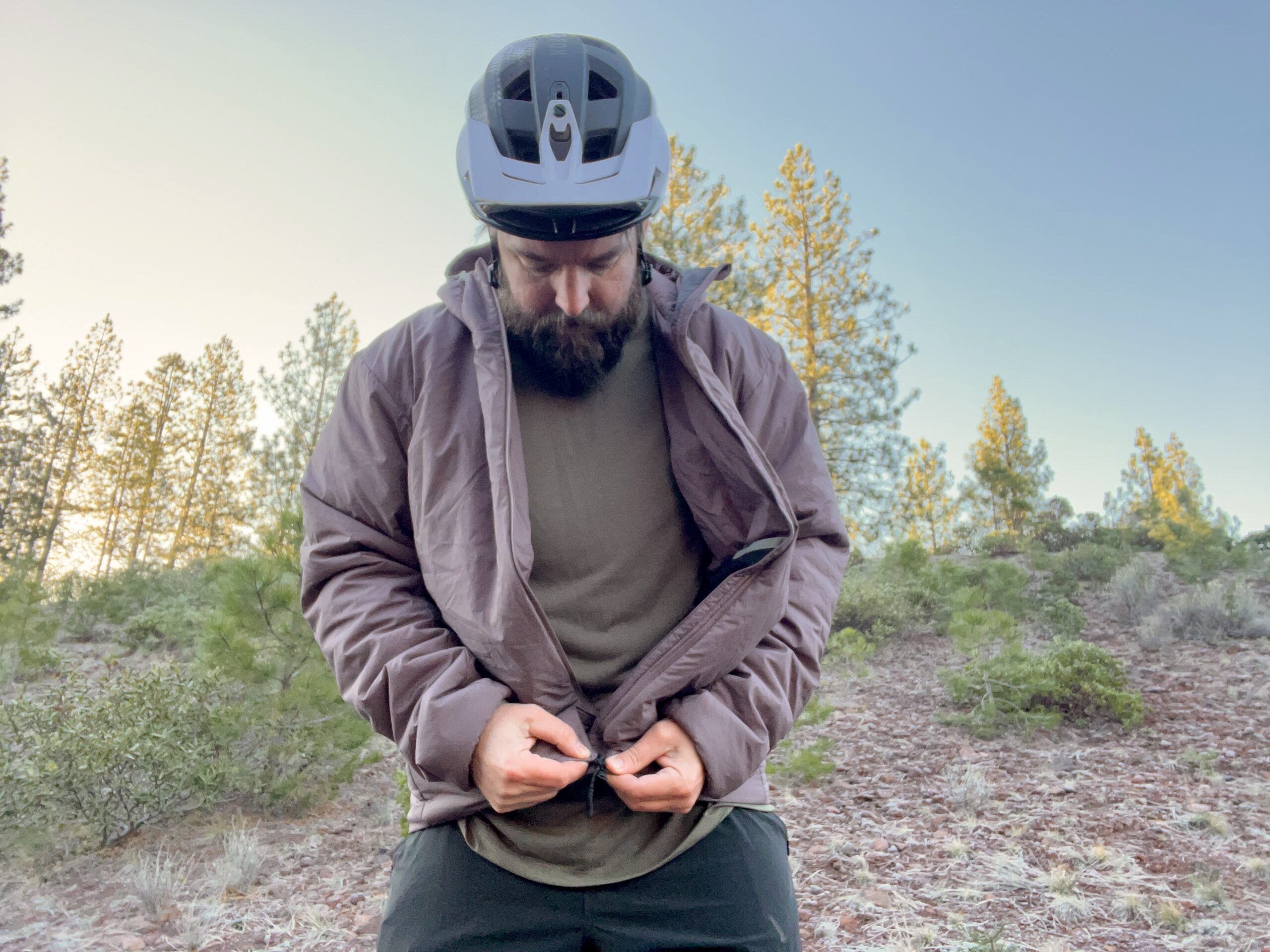
While best known for its minimalist camping gear - the brand's instantly recognizable titanium mug is a mainstay in Pacific Northwest campsites and cramped Brooklyn apartments alike - Snow Peak's lineup of insulated, down-filled and fire-resistant styles is criminally underrated. With perfected silhouettes, low-key Japanese detailing and sparse styling, it's slightly different than you're used to, but all in service of a better (dressed) outdoor experience.
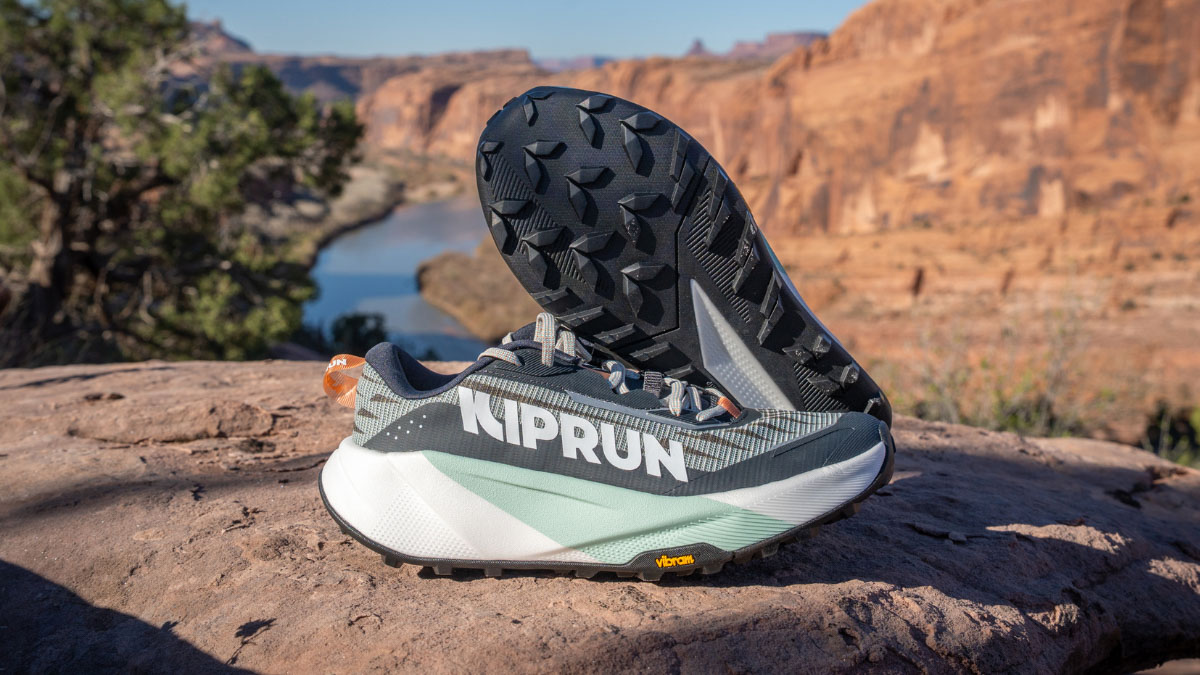
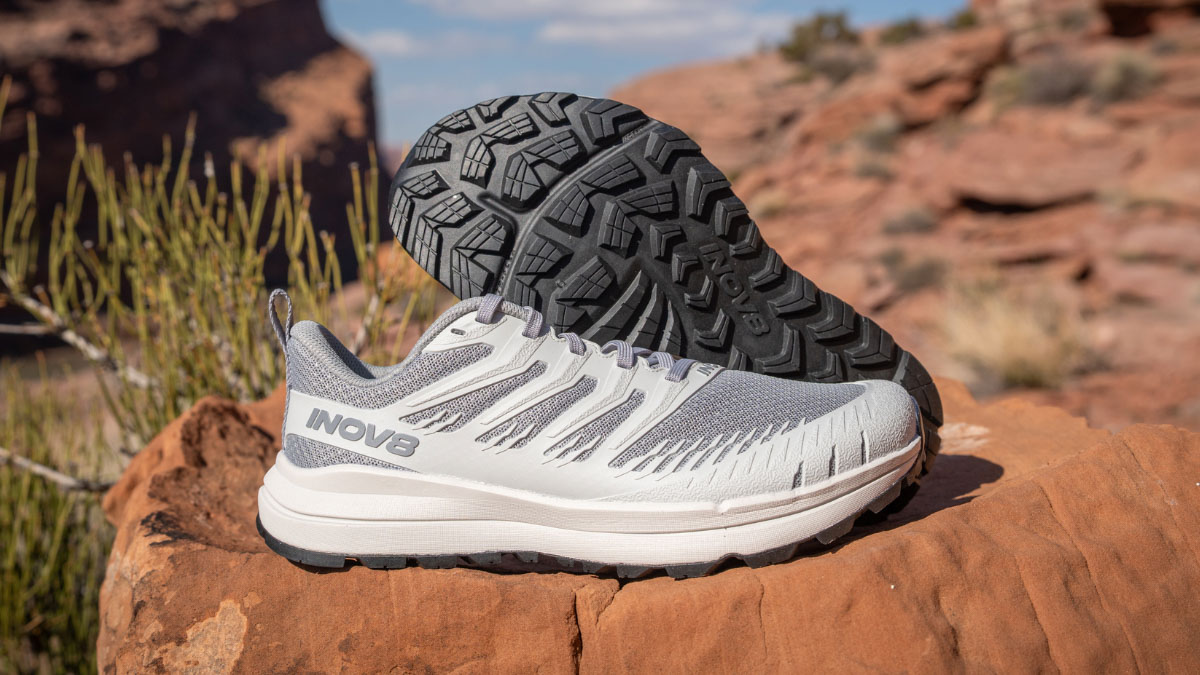
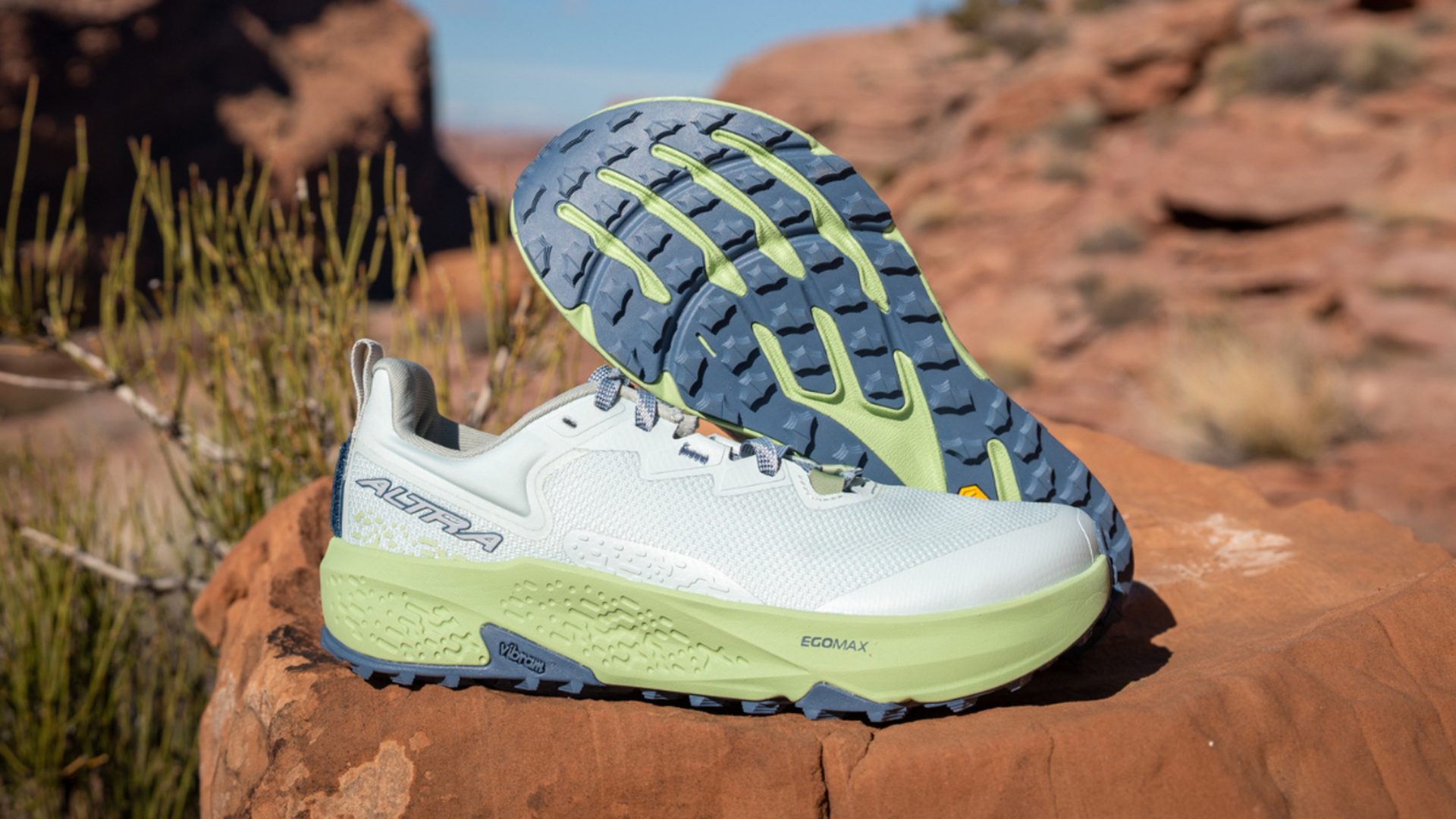
This latest iteration offers more cushioning and protection than ever, with an outsole that looks like it could be tread on a small bulldozer. Its generous 43-millimeter stack height at the heel and 35 millimeters under the forefoot for women, with 2 millimeters more on the men's side, and actual weight of 11.1 ounces (314 grams) for a U.S. men's 9 make it anything but svelte, yet the ride is surprisingly forgiving - absorbing impact without feeling sluggish.
If you've shied away from buying leather sneakers for trips out of a fear that they might cause blisters, give this low-top option from Quince a try. Not only are they "super comfortable right out of the box," according to customers, but the sneakers' soft cotton lining and padded interior are ideal for "all-day comfort."
Heel Drop Your standard heel drop in a running sneaker is between 6 and 10 mm. The lower the drop, the more grounded and controlled the run. The higher the drop, the more heel support and offloading of the calves and Achilles you get. Weight A heavier weight doesn't always mean more cushion, but in these cases it does. Heavier weight (and more cushion) is better for recovery runs and being gentle on joints, but it prevents you from going super fast or feeling agile.



:max_bytes(150000):strip_icc()/tal-cross-retailer-comfy-shoes-roundup-tout-98ddf93d3f1146328b2b6c6e37166099.jpg)
:max_bytes(150000):strip_icc()/tal-stylish-walking-shoes-tout-ff8a878f0ab248b39e3fdd751557538a.jpg)

:max_bytes(150000):strip_icc()/tal-hoka-sale-roundup-tout-faadf24a8a92424994d1699344fe37e1.jpg)