#mainstream-politics
#mainstream-politics
[ follow ]
#congress #democratic-party #trump-administration #trump #government-shutdown #midterm-elections #democracy

#democratic-party


SF politics
fromFortune
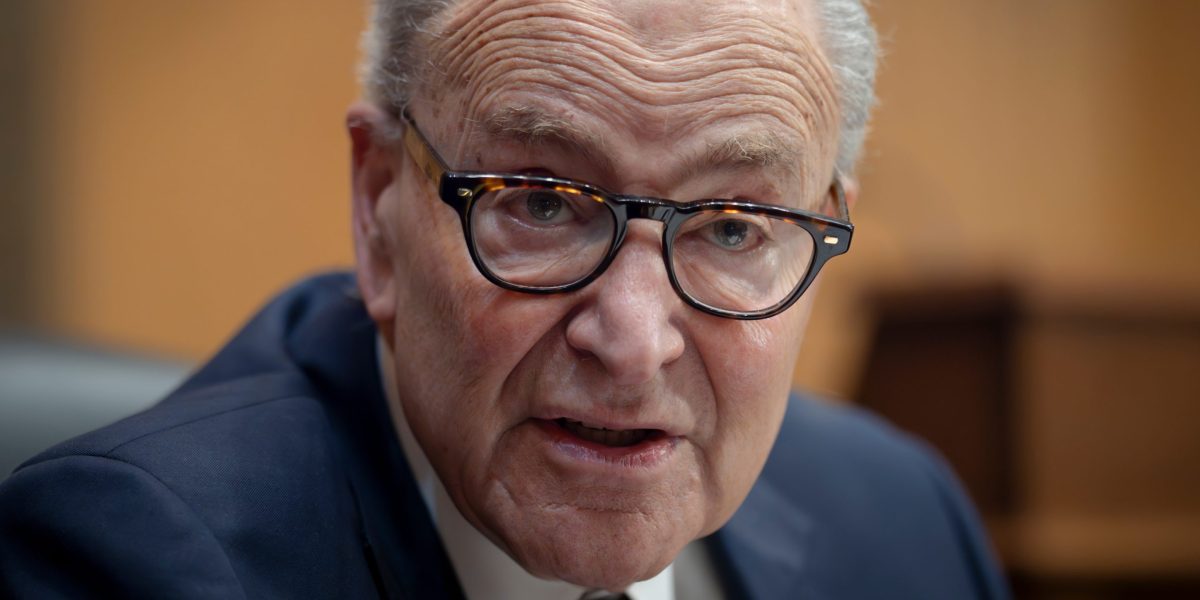
5 days agoDemocrats in disarray as rank and file clash with Chuck Schumer's plan to run elderly moderates in must-win races | Fortune
Democrats are divided over strategy, with some supporting establishment candidates while others back insurgent candidates in response to recent electoral frustrations.
Media industry
fromNonprofit Quarterly | Civic News. Empowering Nonprofits. Advancing Justice.
5 days agoPolitics in an Attention Economy | Nonprofit Quarterly | Civic News. Empowering Nonprofits. Advancing Justice.
Candidates must be cultural figures to succeed in today's American politics, navigating an attention economy shaped by algorithms.
#government-shutdown
US politics
fromwww.mediaite.com
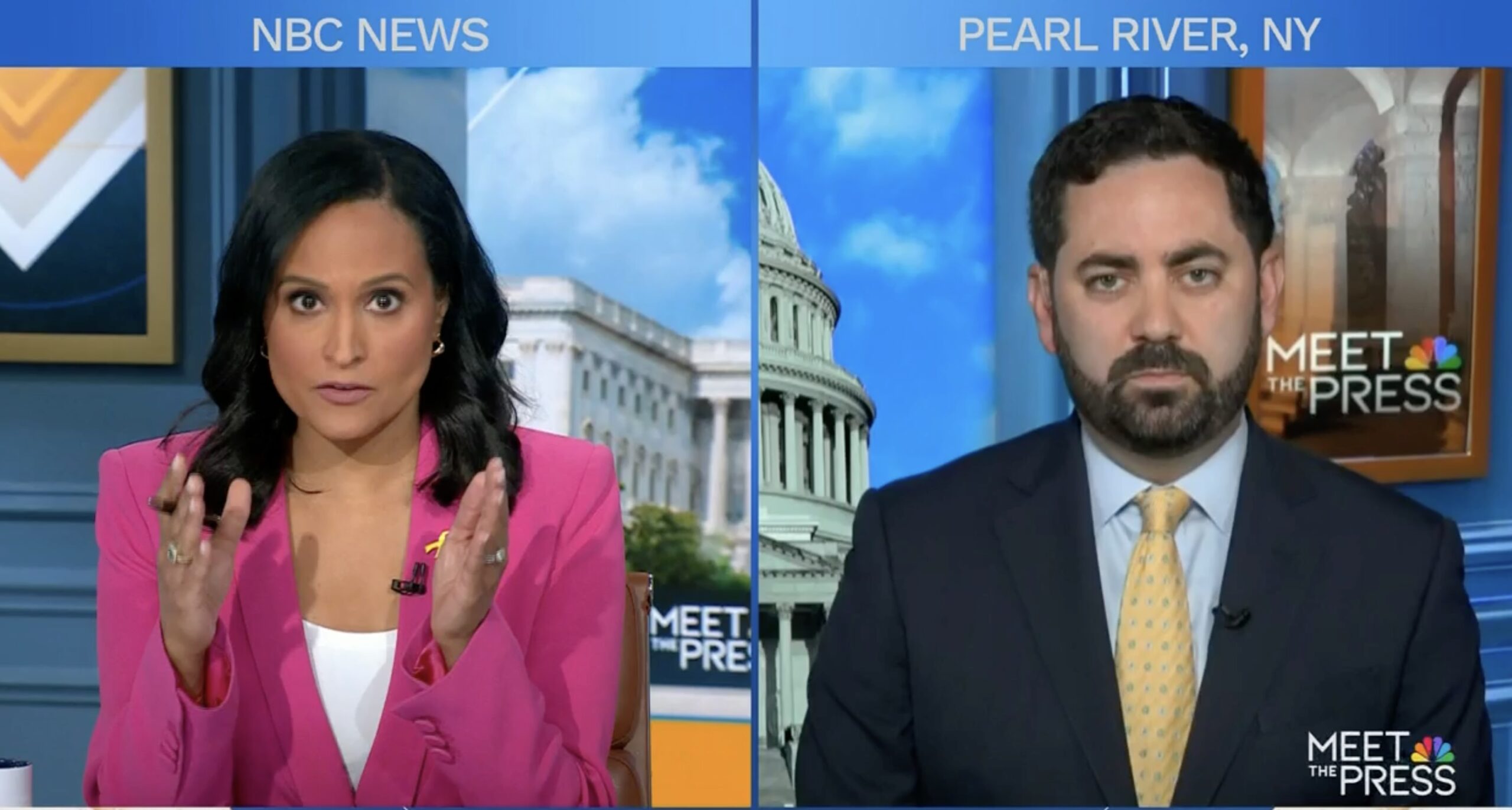
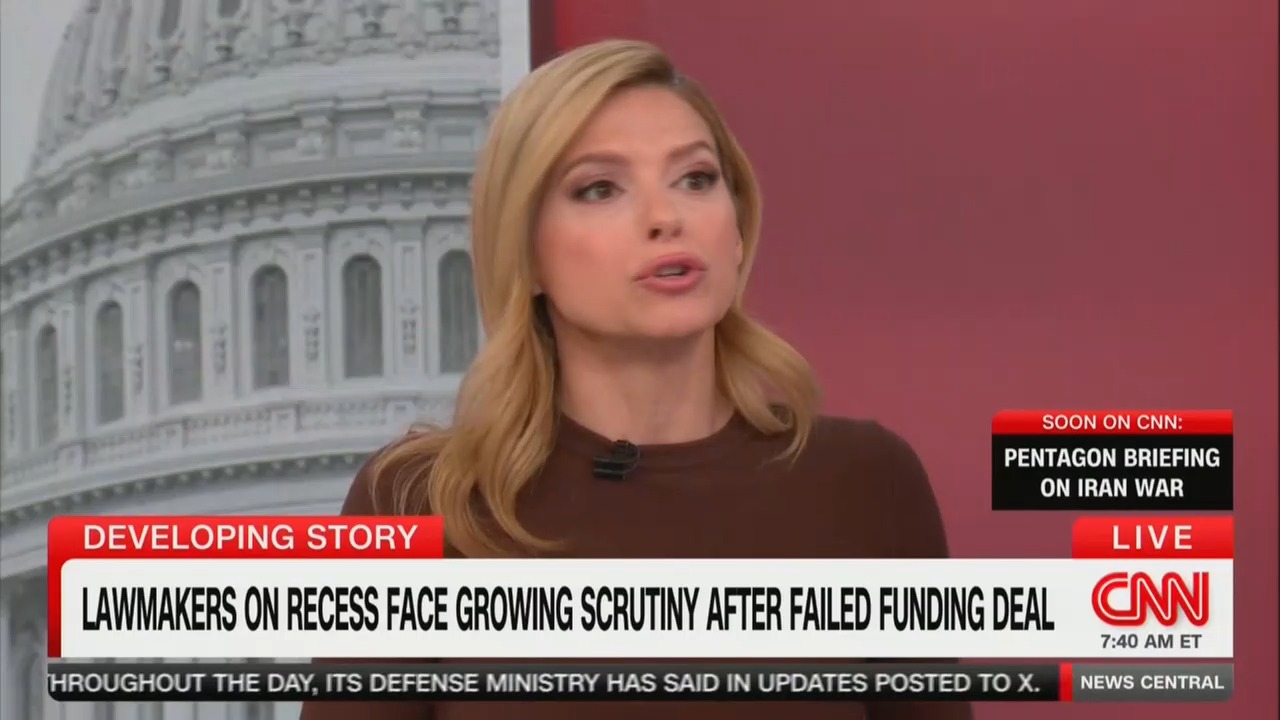
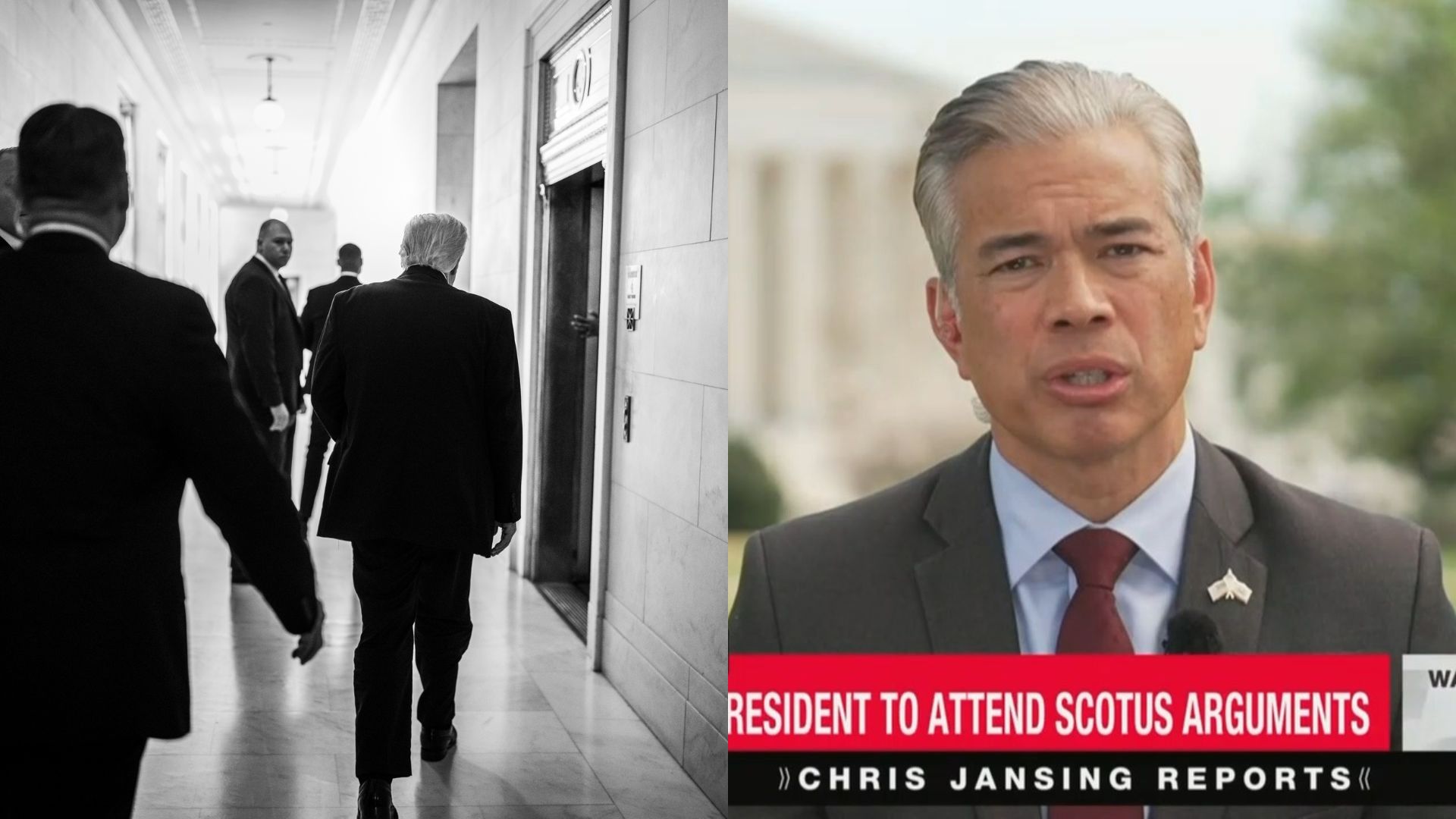
5 days agoCNN Anchor Confronts House Democrat Over Congress Getting Paid During DHS Shutdown: Americans Feel You Guys Just Don't Get It'
The ongoing government shutdown is causing significant public frustration and hardship, with calls for Congress to feel the impact of their decisions.


Philosophy
fromApaonline
3 weeks agoWhy We Need a Formal, Mandatory, and Remunerated "Citizen Lobby"
Post-Cold War optimism about democracy and internet freedom has been undermined by geopolitical tensions, neoliberalism, nationalism, and corporate influence that concentrate power among the already wealthy.
SF politics
fromwww.mediaite.com
2 weeks agoRepublican Congressman Turned Independent Now Says He's Open to Caucusing With Dems
Rep. Kevin Kiley switched to Independent status and remains open to caucusing with Democrats if reelected, while currently maintaining Republican caucus membership due to House rules.


fromPsychology Today
4 weeks agoFilibustering and Delay Strategies That Block Social Justice
Organizational filibustering refers to strategies that delay and obstruct efforts to pursue social justice in systems. These additions can stretch out the process of implementation of diversity strategic plans or multicultural programs for years. Change agents can become battle-fatigued and give up their efforts. They can also become so disheartened that they leave a group or organization altogether.
Social justice
Left-wing politics
fromWIRED
3 weeks agoThis Is the Next Wave of Political Fundraising
Content creators are increasingly leveraging their platforms for direct political fundraising, raising tens of thousands of dollars in single streams and establishing organized coalitions to convert followers into donors for campaigns and causes.

US Elections
fromwww.npr.org
4 weeks agoTrump says he won't sign bills until Congress overhauls voting
President Trump threatened to withhold his signature on all bills until Congress passes the SAVE America Act, which would require voters to prove citizenship with documents like passports or birth certificates.
US politics
fromwww.mediaite.com
2 weeks agoDo You Agree or Disagree?' The GOP's Elise Stefanik Grills Tulsi Gabbard About Joe Kent
Rep. Stefanik questioned DNI Gabbard about former National Counterterrorism Center director Joe Kent's resignation letter criticizing Israeli influence on Iran policy decisions.
fromPsychology Today
2 months agoHow to Have Better Political Conversations
The principle of intellectual charity is fundamental to constructive political conversations. This principle states that, in any discussion, we should accept the best version of an opponent's ideas, not a distorted version or a "straw man." Exaggeration and distortion of opposing opinions (always present, to some degree, in political debates) have become the standard form of political argument in contemporary America.
Philosophy
fromTruthout
2 weeks agoDems Revive Legislation to Return Big Oil's Profits to Struggling US Families
The legislation - which only applies to large oil companies - would impose a per-barrel tax "equal to 50% of the difference between the current price per barrel of oil and the average price per barrel last year, when big oil companies were already earning large profits."
US politics
fromThe New Yorker
1 month agoDemocracy Dies in Broad Daylight
Last week- after the Wall Street Journal broke more news about the Trump family's dodgy crypto-business dealings and before the President shared a racist video of the Obamas depicted as dancing apes-the Amazon entrepreneur Jeff Bezos decided that one of his smaller properties, the Washington Post, has proved such a drag on his two-hundred-and-thirty-billion-dollar fortune that prudence required that he obliterate much of its newsroom.
Media industry
US politics
fromInside Higher Ed | Higher Education News, Events and Jobs
3 weeks agoThis Is What Democracy Looks Like
Recent federal actions have weakened voting rights protections established by the Voting Rights Act of 1965, particularly affecting college students and first-time voters through investigations and restrictions on voting engagement studies.
fromLGBTQ Nation
3 weeks agoThe midterm primaries are turning out to be really bad news for incumbents - LGBTQ Nation
In perhaps a vain attempt to prove themselves moderate, the Democratic lawmakers helped override Democratic Gov. Roy Cooper's vetoes. Voters responded with the kind of ballot-box fury that should serve as a lesson to other incumbents. It wasn't just a case that the incumbents lost. They were buried, with several of them getting trounced by margins of 40 points or more.
US politics

US politics
fromwww.mediaite.com
2 months agoNEW POLL: Americans Trust Republicans Over Democrats On Most Major Issues in Congress
Americans view Congressional Republicans as better equipped to handle most major issues—especially border security, immigration, and the economy—while Democrats lead on the generic congressional ballot.
US politics
fromAxios
1 month ago"The subpoenas are coming," bipartisan firm warns corporate America
Congressional Democrats will intensify oversight of large corporations, supplementing administration probes with piercing corporate investigations and targeting AI, healthcare, crypto, utilities, trade, and pricing.
fromwww.mercurynews.com
2 months agoOpinion: The year's new political fault lines are already forming
The death of Renee Nicole Good, a 37-year-old mother and U.S. citizen who was shot and killed by an Immigration and Customs Enforcement agent in Minneapolis on Wednesday, has the potential to shake the political landscape in ways reminiscent of George Floyd's killing in 2020. The Trump administration initially claimed Good weaponized her vehicle in an act of domestic terrorism, an account that appears to be contradicted by video evidence.
US politics
fromABC7 Los Angeles
2 months agoMore Americans identify as political independents, a new poll shows
Just under half, 45%, of U.S. adults now identify as independents, a new Gallup survey found. That's a substantial shift from 20 years ago, when closer to one-third of Americans said they didn't identify with the Democrats or Republicans. This group appears, increasingly, to be driven by their unhappiness with the party in power, according to Gallup's analysis. That's a dynamic that could be good for Democrats in this year's midterm elections, but doesn't promise lasting loyalty.
US politics
fromFast Company
1 month agoU.S. political polarization started a lot earlier than you might expect
Researchers at the University of Cambridge's Political Psychology Lab tracked shifts in Americans' views across nearly four decades and found that divisions were broadly stable through the 1990s and early 2000s, before rising steadily from 2008 onward. Using more than 35,000 responses from the American National Election Studies between 1988 and 2024, they estimate that issue polarization has increased 64% since the late 1980s, with almost all of that change occurring after 2008.
US politics
fromAxios
1 month agoPolitical violence and low pay are pushing young state lawmakers toward the exit
Lawmakers described routine death threats, armed protesters in galleries, and explicit fears for spouses and children. Several said the June 2025 assassination of former Minnesota House Speaker Melissa Hortman and her husband fundamentally changed how they assess the risks of staying in office. Case in point: Connecticut State Rep. Corey Paris, 34, reported death threats and calls for violence against him and his family last year after he posted on social media encouraging people to share information on ICE activity.
US politics
[ Load more ]