The Department for Science, Innovation and Technology (DSIT) said that Anthropic will help the government to build and pilot an assistant that will help support people in specific situations, starting with "providing custom career advice and help to lock down a job". The pilot is planned to start later this year. Earlier in the week Anthropic's chief executive Dario Amodei published a magnum opus detailing among other things how he expects AI to disrupt to the job market.
The promenade in this ski town turns into a tech trade show floor at WEF time, with the logos of prominent software companies and consulting firms plastered to shopfronts and signage touting various AI products. But while last year's Davos was dominated by hype around AI agents and overwrought hand-wringing that the debut of DeepSeek's R1 model, which happened during 2025's WEF, could mean the capital-intensive plans of the U.S. AI companies were for naught, this year's AI discussions seem more sober and grounded.
As part of OpenAI's defense against Musk's lawsuit, Altman addressed rumors about restrictions in OpenAI's 2024 funding round. While he denied that OpenAI investors were broadly prohibited from backing rivals, he did acknowledge that investors with ongoing access to OpenAI's confidential information were told that access would be terminated "if they made non-passive investments in OpenAI's competitors."
AI labs just can't get their employees to stay put. Yesterday's big AI news was the abrupt and seemingly acrimonious departure of three top executives at Mira Murati's Thinking Machines lab. All three were quickly snapped up by OpenAI, and now it seems they won't be the last to leave. Alex Heath is reporting that two more employees are expected to leave for OpenAI in the next few weeks.
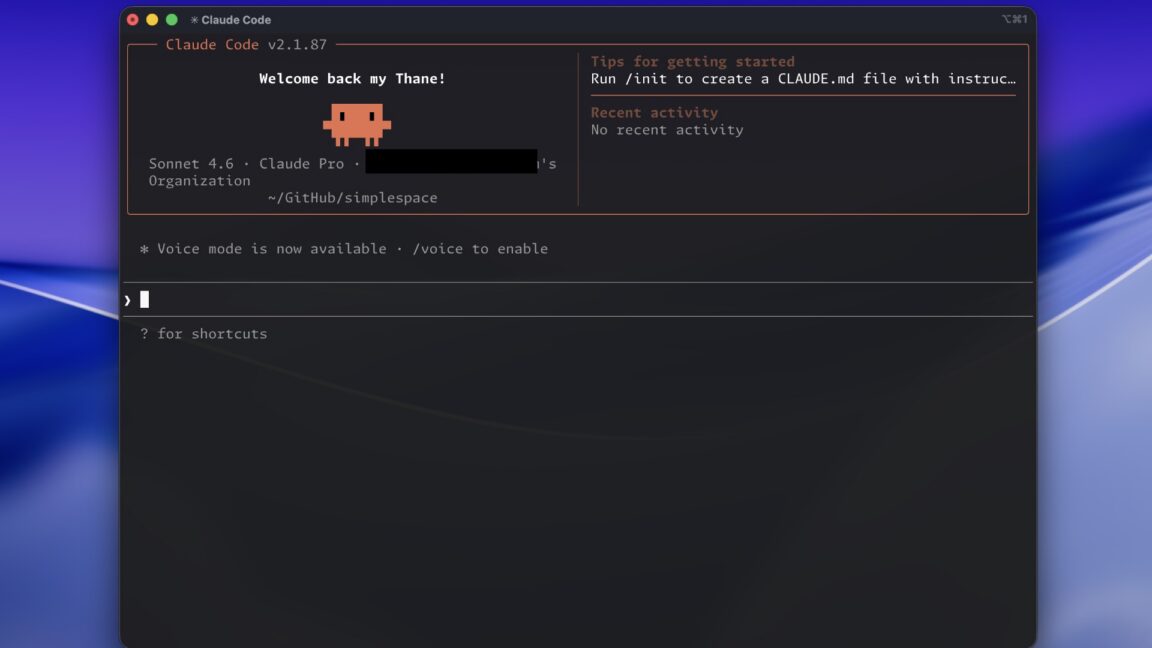
This poor track record makes Anthropic's latest agent, Claude Cowork, a pleasant surprise. When I tested it by running it through some basic and intermediate demos the company suggested in addition to my own commands, it worked fairly well-especially for software that's still in beta. It can do things like organize files into folders, convert file types, generate reports, and even take over the browser to search the web or tidy up a Gmail inbox.
Last Wednesday, OpenAI unveiled ChatGPT Health, a dedicated health experience within ChatGPT that combines a user's personal health information with the company's AI with the promise of helping people better manage their health and wellness. The next day, the company launched OpenAI for Healthcare, which is a suite of AI tools designed to help healthcare providers reduce administrative burnout and improve care.
Anthropic has distinguished itself from competitors by staying laser-focused on its enterprise customers with offerings catered to make working professionals' lives easier. The Skills feature, launched in October, aimed to do just that, and now it has received an upgrade, making it easier for organizations to take advantage. With the Skills feature, users can provide Claude with a set of instructions, including resources like brand guidelines, so that the chatbot can reference them when performing specialized tasks autonomously.
Under the agreement, Hut 8 will develop between 245 megawatts (MW) and up to 2,295 MW of AI-focused data center capacity in the United States, beginning with a flagship project at its River Bend campus in Louisiana. The partnership is structured across multiple tranches, creating a pathway to scale from an initial deployment to gigawatt-level infrastructure over time. The first phase centers on a 245 MW IT deployment at River Bend, supported by roughly 330 MW of utility power.
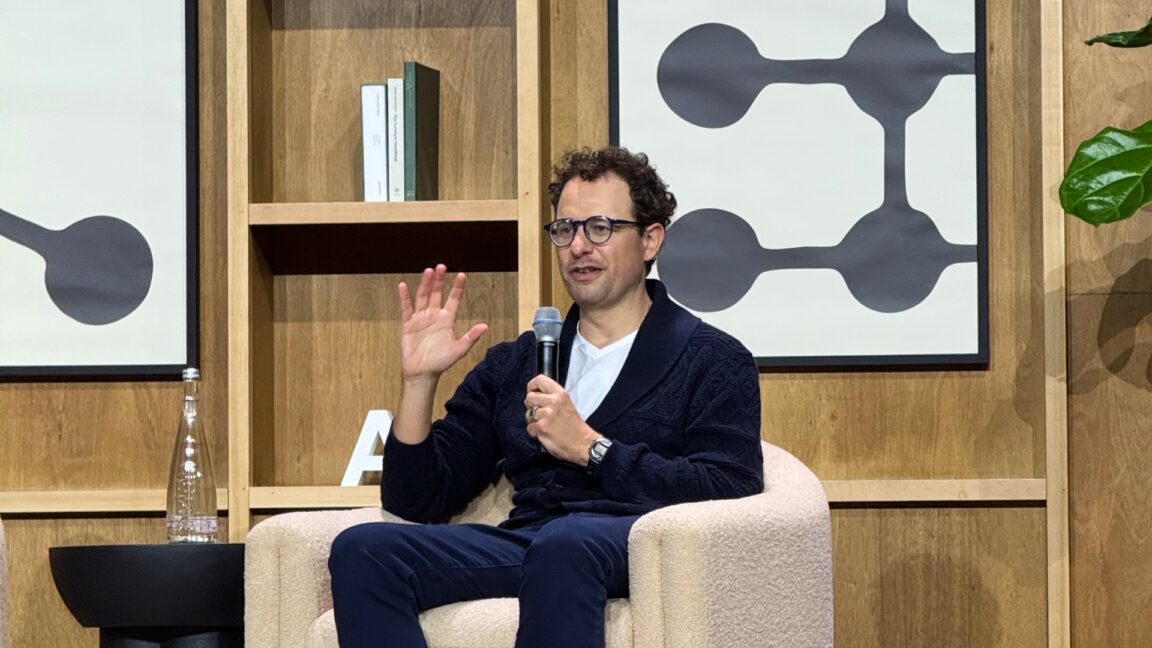
What if the chatbots we talk to every day actually felt something? What if the systems writing essays, solving problems, and planning tasks had preferences, or even something resembling suffering? And what will happen if we ignore these possibilities? Those are the questions Kyle Fish is wrestling with as Anthropic's first in-house AI welfare researcher. His mandate is both audacious and straightforward: Determine whether models like Claude can have conscious experiences, and, if so, how the company should respond.
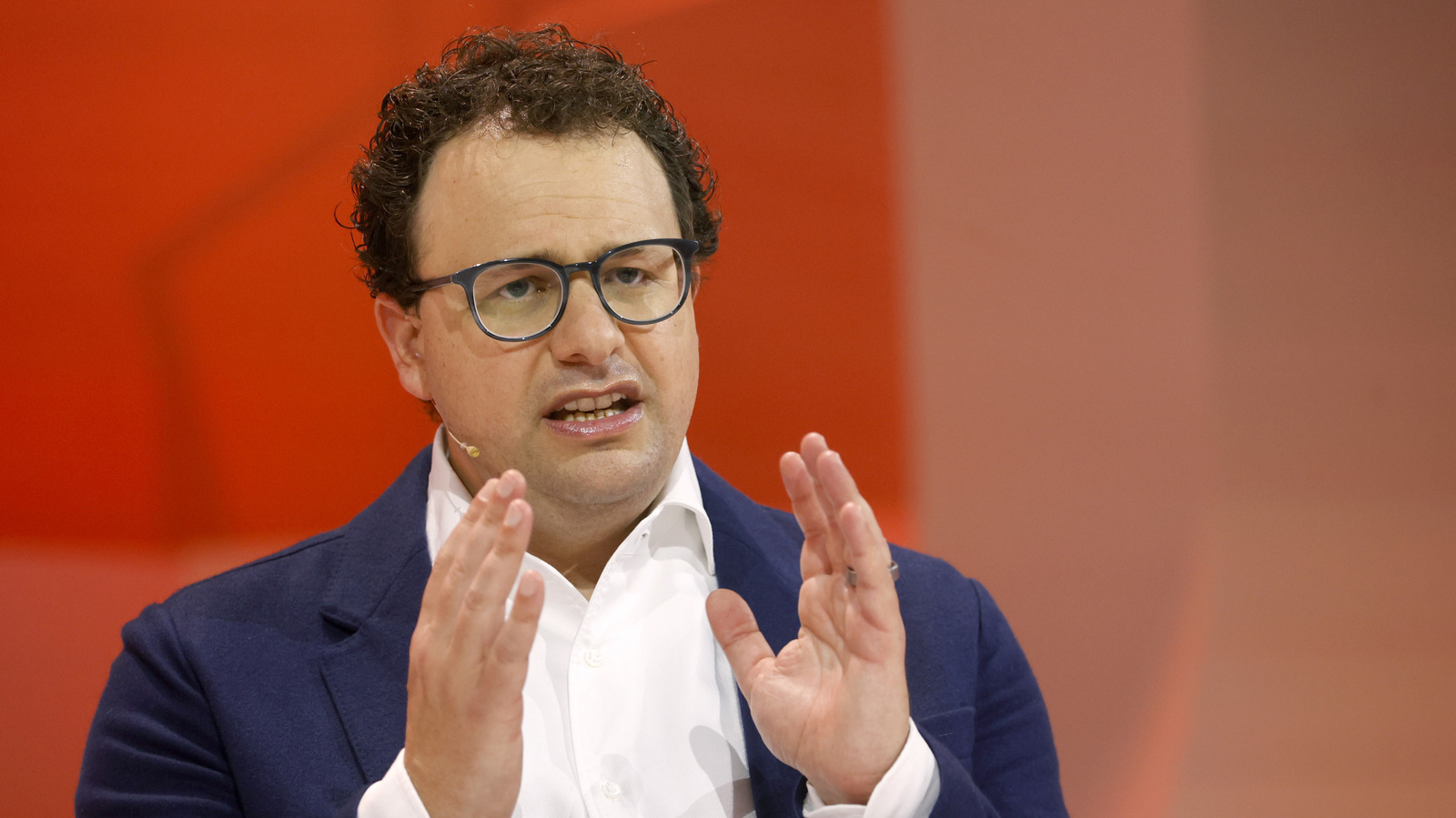
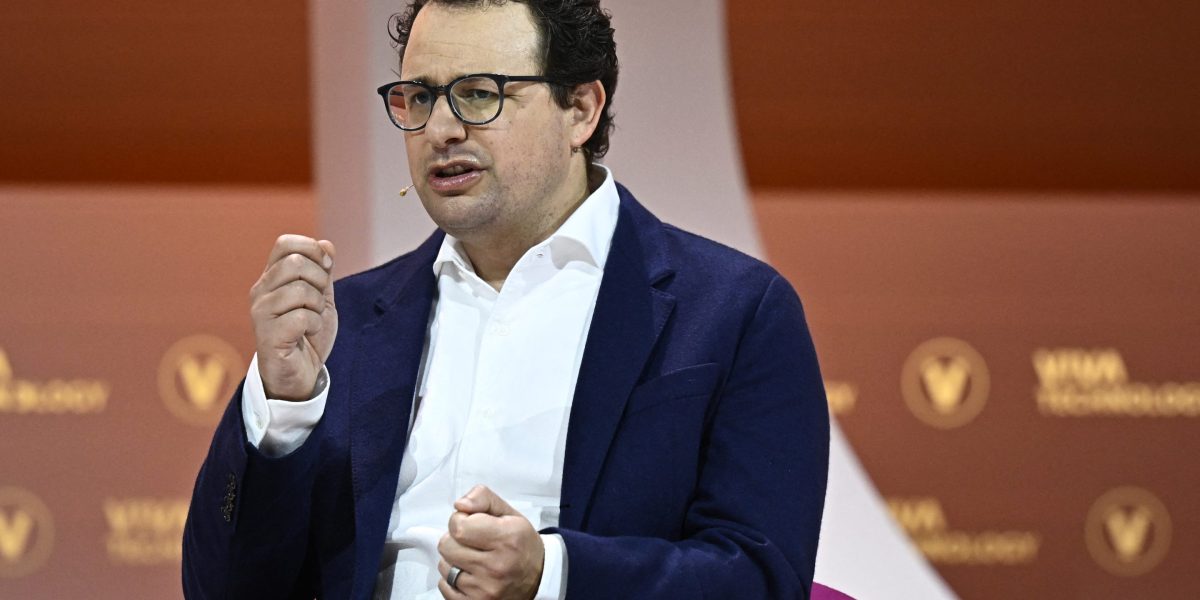
The Anthropic CEO spent a good chunk of the interview with Andrew Ross Sorkin drawing a careful line between his company's approach and that of a certain competitor. When asked about whether the AI industry is in a bubble, Amodei separated the "technological side" from the "economic side" and then twisted the knife. "On the technological side, I feel really solid," he said.
On Monday, Anthropic announced Opus 4.5, the latest version of its flagship model. It's the last of Anthropic's 4.5 series of models to be released, following the launch of Sonnet 4.5 in September and Haiku 4.5 in October. As expected, the new version of Opus has state-of-the-art performance on a range of benchmarks, including coding benchmarks (SWE-Bench and Terminal-bench), tool use (tau2-bench and MCP Atlas) and general problem solving (ARC-AGI 2, GPQA Diamond).
How very "Here we go round the mulberry bush," right? Microsoft buys Anthropic's models; Anthropic runs Claude on Microsoft's Azure cloud; Anthropic buys Nvidia's chips; and both Microsoft and Nvidia invest in Anthropic. If that sounds like a big circle going round and round and back again... that's because it is. And honestly, it's making me dizzy.