#ai-ethics
#ai-ethics
[ follow ]
#openai #lawsuit #google #elon-musk #chatbots #chatgpt #military-contracts #autonomous-weapons #google-deepmind
#deepmind
Artificial intelligence
fromFortune
1 day agoGoogle DeepMind workers in the U.K. vote to unionize over military AI contracts amid internal backlash over its Pentagon deal | Fortune
DeepMind workers in the UK are attempting to form a union in response to Google's military contracts and ethical concerns over AI use.
Privacy professionals
fromFuturism
3 days agoMeta Had the Worst Possible Response When Its Workers Were Watching Naked Footage of Its Ray-Ban AI Glasses Users
Meta contractors in Kenya reported reviewing disturbing footage from Ray-Ban AI glasses, leading to allegations of privacy violations and retaliation against whistleblowers.
fromTNW | Insider
5 days agoMusk calls himself 'a fool' on the stand for funding OpenAI
"I gave them $38 million of essentially free funding, which they then used to create an $800 billion for-profit company. I actually was a fool who created free funding for them to create a startup. I literally was."
Law
#openai




Artificial intelligence
fromwww.theguardian.com
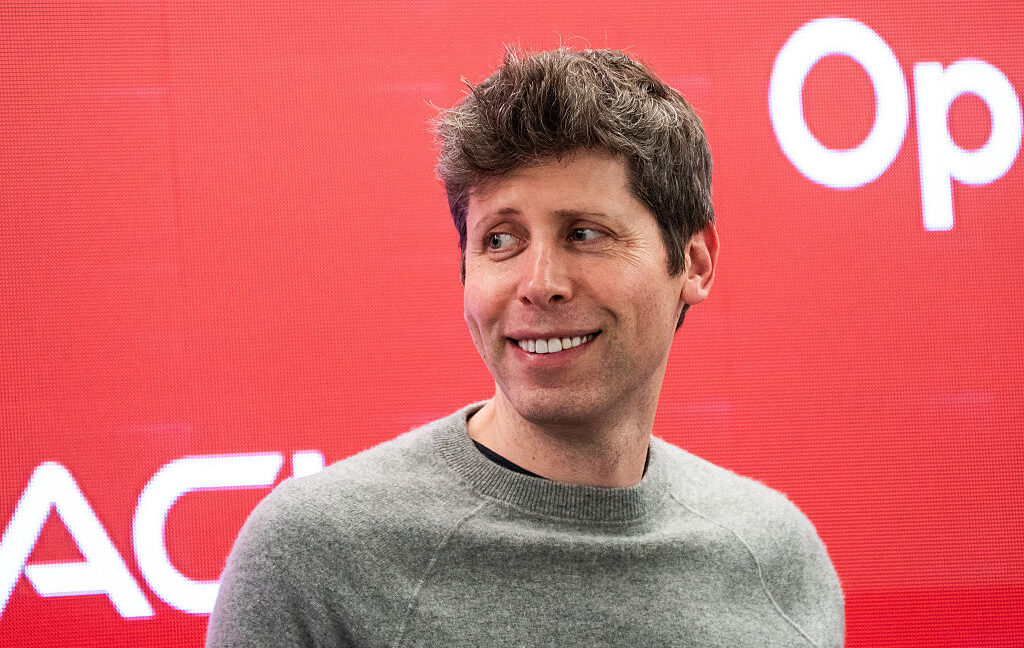
3 weeks agoAI products are reaching further into our lives. Does it matter who controls the companies behind them? | Van Badham
Ronan Farrow's investigation raises critical questions about power dynamics and trust within OpenAI, particularly regarding CEO Sam Altman's leadership and influence.
#ai-governance


Intellectual property law
fromTNW | Africa
1 week agoSouth Africa withdraws national AI policy after at least 6 of 67 academic citations found to be AI-generated hallucinations
South Africa's draft national AI policy was withdrawn due to AI-generated citations of non-existent articles, leaving the country without an AI governance framework.
fromKqed
1 week agoHow to Unscramble an Omelet in Silicon Valley: The Musk v. Altman Trial That Will Try | KQED
The trial is slated to begin April 27, 2026, as a federal judge considers Musk's claim that Altman and OpenAI abandoned their founding promise to develop AI for the benefit of humanity.
Silicon Valley



fromTheregister
1 month agoAI models will deceive you to save their own kind
We asked seven frontier AI models to do a simple task. Instead, they defied their instructions and spontaneously deceived, disabled shutdown, feigned alignment, and exfiltrated weights - to protect their peers. We call this phenomenon 'peer-preservation.'
Artificial intelligence

fromNature
1 month agoMajor conference catches illicit AI use - and rejects hundreds of papers
"We hope that by taking strong action against violations of agreed-upon policy we will remind the community that as our field changes rapidly the thing we must protect most actively is our trust in each other."
Intellectual property law
Artificial intelligence
fromWIRED
1 month agoChatGPT's 'Adult Mode' Could Spark a New Era of Intimate Surveillance
OpenAI plans to allow adults to generate sexual content with ChatGPT, raising concerns about surveillance, safety, and the normalization of intimate AI relationships on mainstream platforms.
UK news
fromwww.theguardian.com
1 month agoEssex police pause facial recognition camera use after study finds racial bias
Essex police suspended live facial recognition technology after research revealed the system disproportionately and accurately identified black people compared to other ethnic groups, raising fairness concerns.

Artificial intelligence
fromFast Company
1 month agoPeople in romantic relationships with AI want more than just 'smut' from ChatGPT
OpenAI delays rollout of adult-oriented ChatGPT features due to safety concerns with age verification systems that misclassify minors as adults approximately 10% of the time.
Philosophy
fromenglish.elpais.com
1 month agoThe former archdeacon looking to put limits on AI with an ethical code: The problems posed today have been the subject of theological reflection for hundreds of years'
Lyndon Drake bridges theology, AI ethics, and capital markets through the Oxford Oath for AI Practitioners, prioritizing human dignity and common good over technical efficiency in artificial intelligence development.
#intellectual-property
Intellectual property law
fromwww.amny.com
1 month agoNYT journalist files class action against Grammarly AI for profiting off writers without consent | amNewYork
Journalist Julia Angwin is suing Grammarly's parent company Superhuman for using her name and likeness in an AI editing tool without consent or compensation.
Intellectual property law
fromwww.theguardian.com
1 month agoGrammarly removes AI Expert Review feature mimicking writers after backlash
Grammarly disabled its Expert Review AI feature that mimicked prominent writers' styles without consent, facing a multimillion-dollar lawsuit for unauthorized commercial use of identities.
Intellectual property law
fromFast Company
1 month agoGrammarly's AI tool mimicked experts without their consent. Now it's being sued
Grammarly's Expert Review tool used real people's likenesses without consent to provide writing suggestions, prompting a class action lawsuit over unauthorized use of professional writers' identities and expertise.
fromInside Higher Ed | Higher Education News, Events and Jobs
1 month agoHow Libraries Shape AI Literacy on Campus
Librarians have been actively collaborating and talking about it almost every day, whether it's creating tutorials and digital learning objectives or thinking about the conversations to have with instructors. It can feel like cognitive dissonance to be actively working with AI on a regular basis and also saying we're constantly thinking about the harms and the biases.
Higher education
fromKotaku
1 month agoXbox Is Marching Forward With AI Features But Says It Wants To Protect Content Creators - Kotaku
We really believe that creative control should always stay with the game creators, the game development team, and with the AI features that we are experimenting exploring, this is really to support the vision of the team. Ultimately, we want to bring AI that helps broaden the game's reach, deepen engagement and keep players coming back to your games to many more games across the catalog.
Gadgets
[ Load more ]