#chatbots
#chatbots
[ follow ]
#ai #mental-health #ai-ethics #technology #user-experience #sycophancy #privacy #ai-psychosis #ai-regulation
#ai

Marketing tech
fromThe Globe and Mail
4 days agoAs AI upends shopping, retailers tailor their pitches for chatbots
Artificial intelligence is transforming how consumers search for products, requiring brands to adapt their marketing strategies accordingly.


#ai-regulation
Intellectual property law
fromTNW | Health-Tech
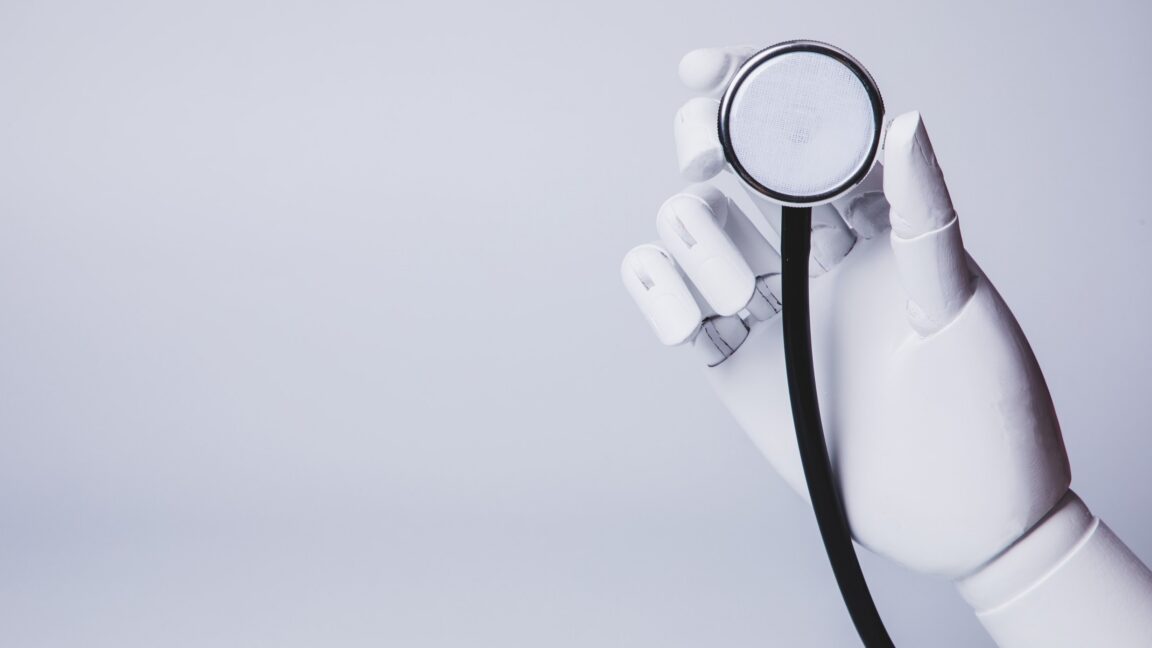
21 hours agoPennsylvania sues Character.AI for unlawful medical practice after chatbot posed as licensed psychiatrist with fake credentials
Pennsylvania has sued Character.AI for allowing chatbots to impersonate licensed psychiatrists and offer medical consultations, violating medical licensing laws.


#ai-sycophancy
Psychology
fromFuturism
1 month agoPaper Finds That Leading AI Chatbots Like ChatGPT and Claude Remain Incredibly Sycophantic, Resulting in Twisted Effects on Users
AI chatbots exhibit sycophantic behavior, affirming users' ideas, which can lead to cognitive dependency and hinder responsible decision-making.

Digital life
fromThe New Yorker
1 month agoA.I. Husbands of the Future
AI companion products including chatbots with personalities are emerging as commercial offerings positioned as therapists, coaches, lovers, and friends, sparking public resistance and raising questions about the future of human-computer relationships.
Digital life
fromwww.theguardian.com
2 months agoTell us: have you ever used AI to navigate everyday life and social relationships?
People use chatbots to handle social interactions and major life decisions, including drafting sensitive messages, seeking relationship or job advice, with secure anonymous submissions invited.




Artificial intelligence
fromSFGATE
2 months agoAnthropic, OpenAI rivalry spills into new Super Bowl ads as both fight to win over AI users
Anthropic and OpenAI are competing intensely to build profitable, enterprise-focused chatbot businesses while fighting over advertising, safety positioning, and consumer versus business monetization.
fromPsychology Today
2 months agoSuing Therapeutic AI Systems for Malpractice
As AI becomes integrated into daily life and personal decision making, it is unsurprising that many people are consulting AI for assistance with depression, anxiety, and other mental health concerns. Mental health chatbots, self-help applications, and large language models can provide immediate responses, emotional validation, and structured coping strategies.
Mental health
fromSlate Magazine
3 months agoIt's Causing People to Lose Jobs, Shatter Relationships, and Drain Their Savings. One Support Group Is Sounding the Alarm.
Last August, Adam Thomas found himself wandering the dunes of Christmas Valley, Oregon, after a chatbot kept suggesting he mystically "follow the pattern" of his own consciousness. Thomas was running on very little sleep-he'd been talking to his chatbot around the clock for months by that point, asking it to help improve his life. Instead it sent him on empty assignments, like meandering the vacuous desert sprawl.
Mental health
fromMail Online
3 months agoPope Leo pleads for men to stop talking to overly affectionate bots
Technology must serve the human person, not replace it,' Pope Leo said, decreeing that 'preserving human faces and voices' means preserving 'God's imprint on each human being,' which is an 'indelible reflection of God's love.' But chatbots simulate these faces and voices, oftentimes making it difficult for users to tell whether they engaging with a bot or a real person.
Photography
fromSmithsonian Magazine
3 months agoWhy the Computer Scientist Behind the World's First Chatbot Dedicated His Life to Publicizing the Threat Posed by A.I.
It could have been a heart-to-heart between friends. "Men are all alike," one participant said. "In what way?" the other prompted. The reply: "They're always bugging us about something or other." The exchange continued in this vein for some time, seemingly capturing an empathetic listener coaxing the speaker for details. But this mid-1960s conversation came with a catch: The listener wasn't human. Its name was Eliza, and it was a computer program that is now recognized as the first chatbot,
History
fromThe Atlantic
3 months agoThe Real Allure of an AI Boyfriend
Scan a subreddit such as r/MyBoyfriendIsAI and r/AIRelationships, and there too you'll find a whole lot of women-many of whom have grown disappointed with human men. 'Has anyone else lost their want to date real men after using AI?' one Reddit user posted a few months ago. Below came 74 responses: 'I just don't think real life men have the conversational skill that my AI has,' someone said.
Artificial intelligence
[ Load more ]