#maritime-security
#maritime-security
[ follow ]
#strait-of-hormuz #iran #us-iran-relations #oil-prices #us-navy #international-relations #iran-us-conflict
#iran

World news
fromRadioFreeEurope/RadioLiberty
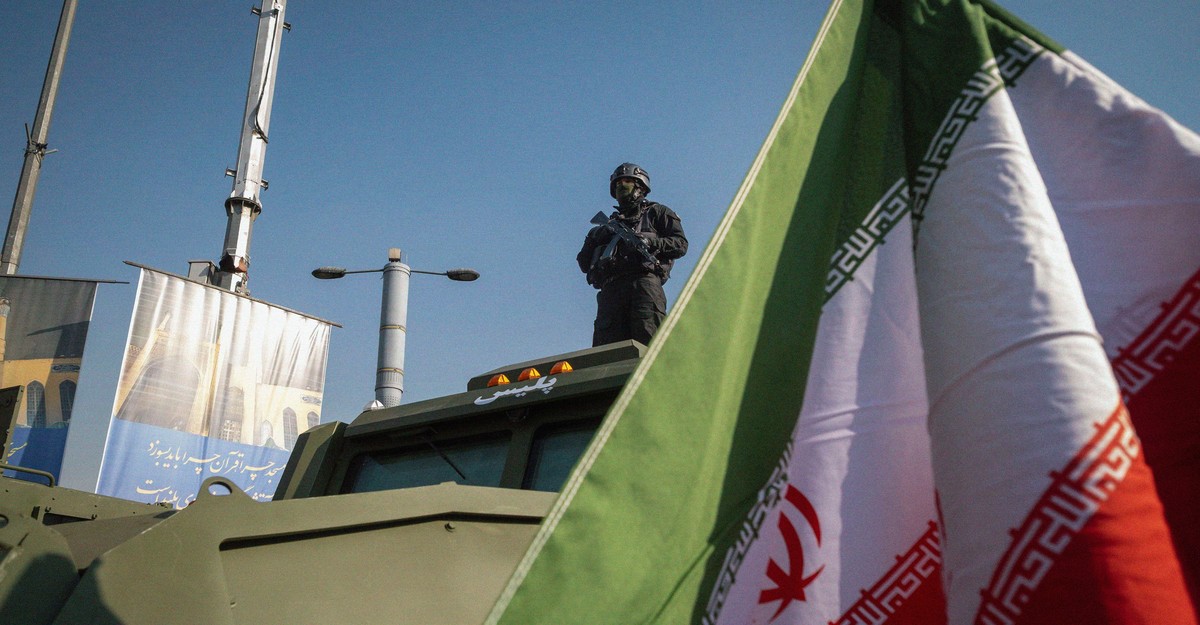
2 weeks agoIran's Qalibaf Cites 'Progress' But Says 'Many Gaps Remain,' As Trump Rejects 'Blackmail'
Iran and the US show progress in negotiations, but fundamental differences persist amid tensions over the Strait of Hormuz and recent attacks on civilian ships.
World news
fromRadioFreeEurope/RadioLiberty
2 weeks agoIran's Qalibaf Cites 'Progress' But Says 'Many Gaps Remain,' As Trump Rejects 'Blackmail'
Iran and the US show progress in negotiations, but fundamental differences persist amid tensions over the Strait of Hormuz and recent attacks on civilian ships.

#strait-of-hormuz




World news
fromLondon Business News | Londonlovesbusiness.com
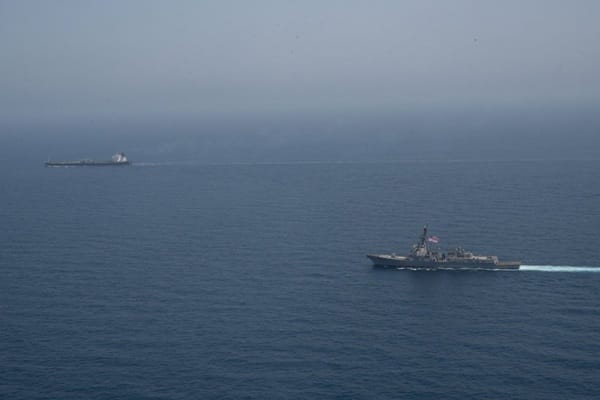
1 day agoUS-flagged ships cross Strait of Hormuz as navy escorts return to Gulf - London Business News | Londonlovesbusiness.com
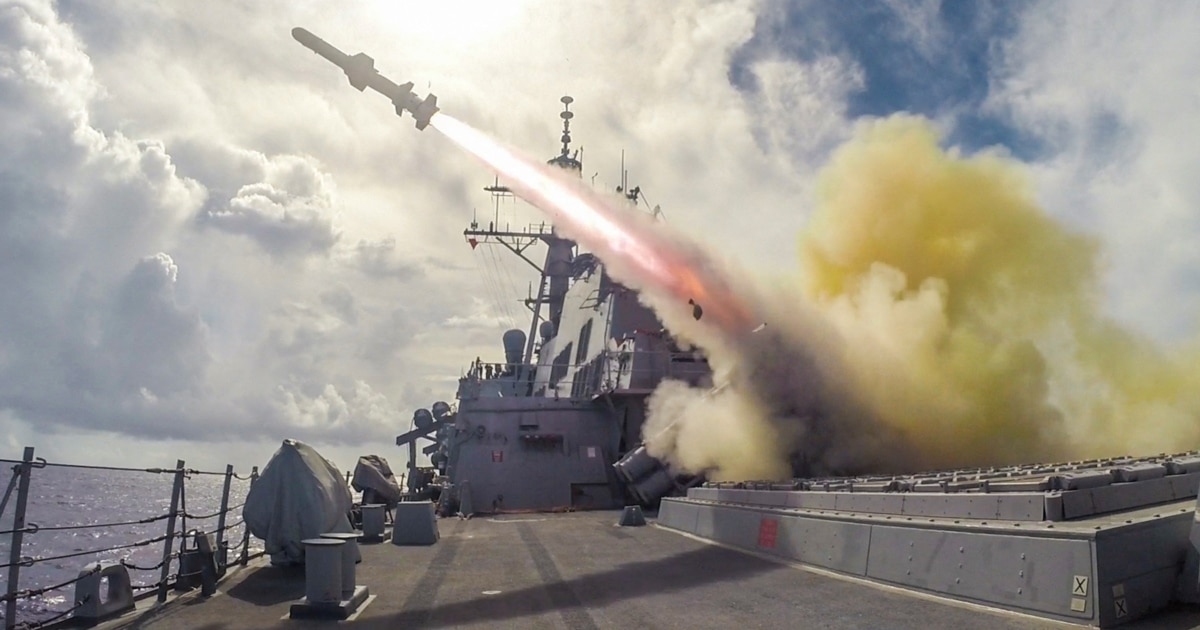
US naval forces escorted two merchant vessels through the Strait of Hormuz, marking a significant operational step amid tensions with Iran.
fromwww.aljazeera.com
4 days agoTurbulent and dangerous': How shipping is the new global battleground
We have not seen the oceans this turbulent and dangerous since when countries met to establish rules decades ago. Shipping has been a dangerous endeavor, subject to piracy and sea banditry.
World politics
fromThe Local France
4 days agoFrench hub monitors Hormuz tensions from afar
The Maritime Information Cooperation and Awareness Center (MICA center) detects any form of bombardment and immediately sends nearby ships an encrypted message, sharing the nature of the event, its context and exact position.
France news
fromLondon Business News | Londonlovesbusiness.com
1 week agoWeak Starmer vows action, but Russian ships politely file through Channel anyway - London Business News | Londonlovesbusiness.com
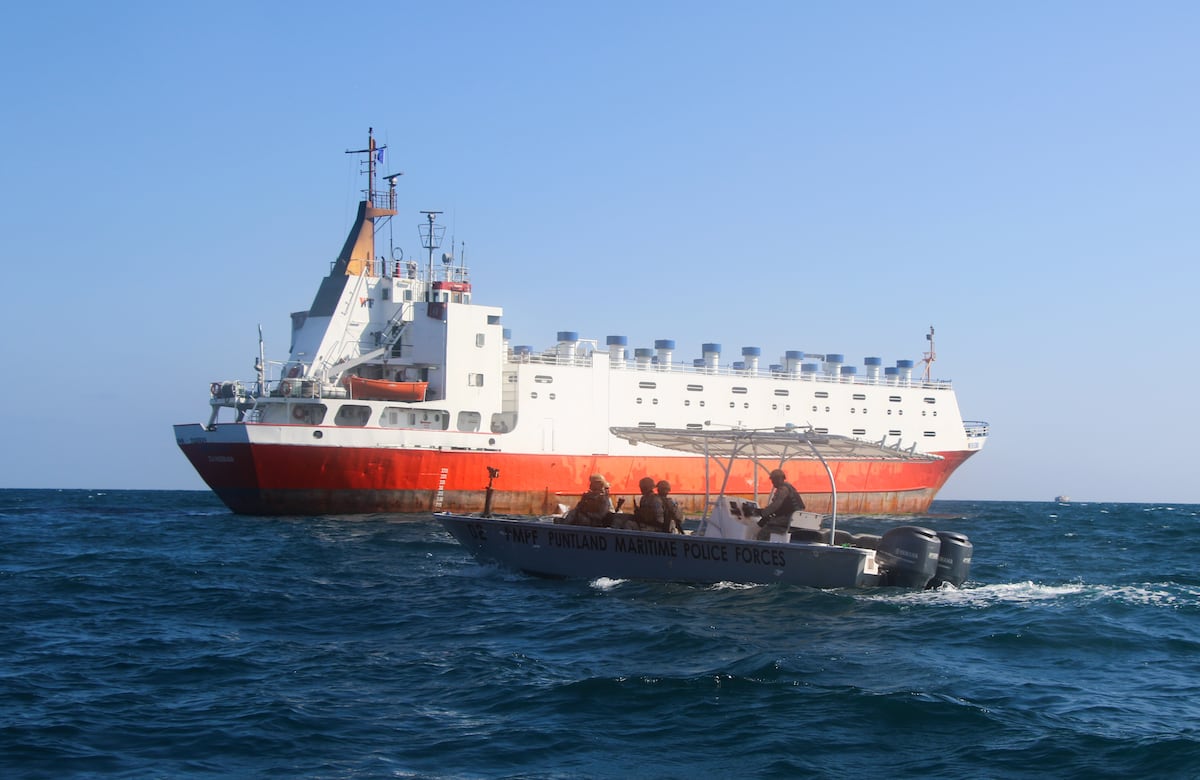
You have to quickly follow up with boardings, or otherwise those vessels will conclude that it was an empty threat, and that is the regrettable situation we are in now.
UK politics
Russo-Ukrainian War
fromLondon Business News | Londonlovesbusiness.com
1 week agoRussian 'shadow fleet' passes Britain with escorting warships as Navy watches on - London Business News | Londonlovesbusiness.com
A Russian naval task group, including sanctioned vessels, passed near UK waters, raising concerns over maritime security and sanctions enforcement.
#oil-prices
Europe news
fromBusiness Matters
1 month agoOil price climbs above $90 after ship attack in Strait of Hormuz
Oil prices surged above $90 per barrel after a cargo vessel was struck by a projectile in the Strait of Hormuz, with shipping traffic collapsing from 100 to fewer than 5 vessels daily due to escalating regional conflict.
fromArs Technica
1 week agoCrypto scam lures ships into Strait of Hormuz, falsely promising safe passage
The first warning of such a crypto scam came from the Greek maritime risk management company MARISKS on April 20, according to Reuters. The company alerted shipowners that scammers posing as Iranian authorities had sent messages to shipping companies asking for 'transit fee' payments in bitcoin or tether.
Cryptocurrency
World news
fromLondon Business News | Londonlovesbusiness.com
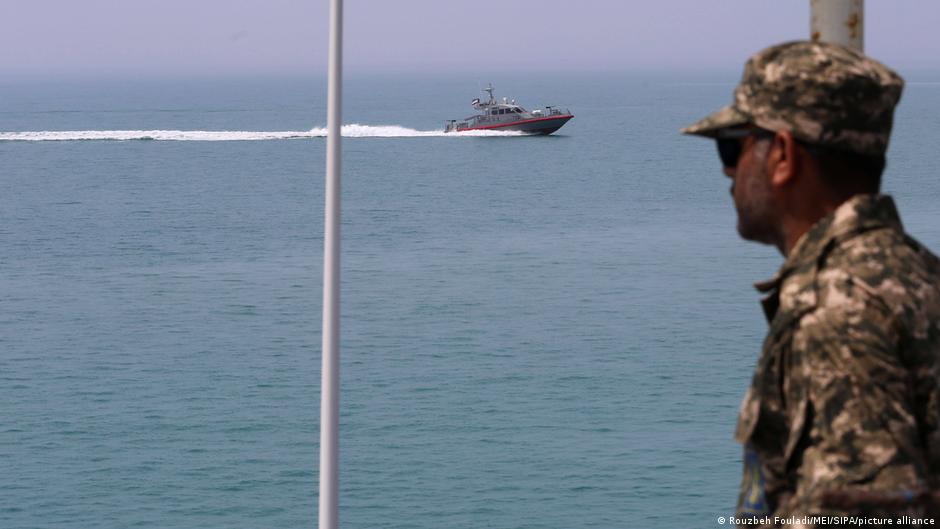
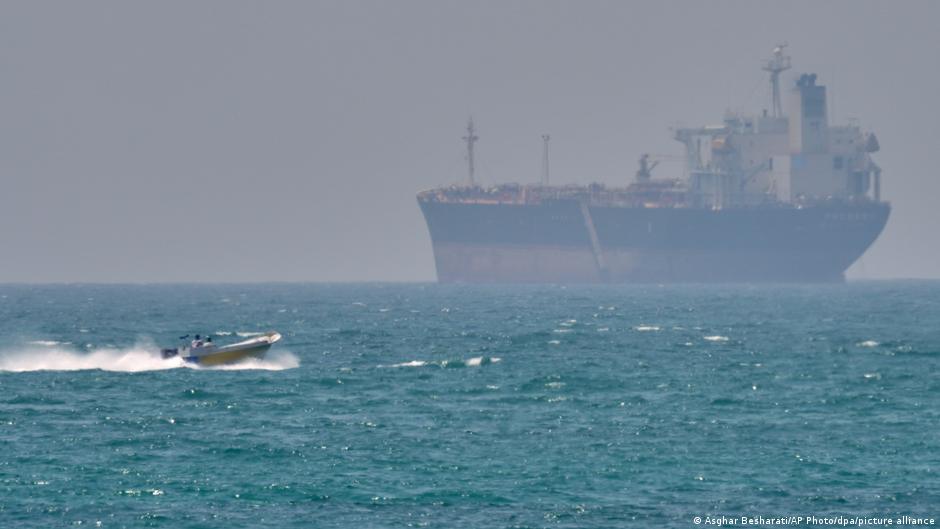
1 week agoIran seizes two container ships as Strait of Hormuz tensions spiral - London Business News | Londonlovesbusiness.com
Tensions in the Gulf escalated as Iran seized two commercial vessels in the Strait of Hormuz, raising concerns over global shipping security.
fromFortune
2 weeks agoU.S. forces board an oil tanker previously sanctioned for smuggling Iranian crude oil | Fortune
"As we have made clear, we will pursue global maritime enforcement efforts to disrupt illicit networks and interdict sanctioned vessels providing material support to Iran - anywhere they operate. International waters are not a refuge for sanctioned vessels."
World news
fromLondon Business News | Londonlovesbusiness.com
3 weeks agoStarmer urges restraint after collapse of US-Iran talks as Strait of Hormuz tensions flare - London Business News | Londonlovesbusiness.com
The Prime Minister intervened diplomatically after 21 hours of negotiations in Pakistan ended without an agreement on Iran's nuclear program, raising fears of renewed confrontation between the United States and Iran in one of the world's most strategically sensitive maritime corridors.
World news
UK politics
fromLondon Business News | Londonlovesbusiness.com
3 weeks agoThis 'abysmal' government will not seize Russian tankers over 'pathetic' legal fears - London Business News | Londonlovesbusiness.com
The UK Government hesitates to deploy the Royal Navy against Russian tankers due to fears of breaching international law.
fromLondon Business News | Londonlovesbusiness.com
1 month agoUAE ready to join maritime multinational force to reopen Strait of Hormuz
The UAE is advocating for a broad international coalition and is working with Bahrain on a proposed United Nations Security Council resolution to provide legal backing for the force.
World news
fromwww.theguardian.com
1 month agoUK armed forces authorised to board Russian tankers in British waters
The Royal Navy has previously joined allies in action against the vessels, helping to track a sanctioned Russian oil tanker in the Mediterranean which was then boarded by the French navy.
UK politics
fromwww.aljazeera.com
1 month agoIran says it will allow Japanese ships to transit the Strait of Hormuz
Iran has stated that the Strait of Hormuz is open for ships from countries that are not considered enemies, indicating a selective blockade. Iranian Foreign Minister Abbas Araghchi emphasized that they are ready to provide safe passage to Japanese vessels, urging them to contact Iran for discussions on transit.
World news
UK politics
fromwww.theguardian.com
1 month agoUK will not be drawn into wider war in Middle East, says Keir Starmer
The UK will not enter the wider Middle East conflict but is considering military support to reopen shipping lanes, while providing £53m in heating oil support to vulnerable households facing rising energy costs.
London food
fromLondon Business News | Londonlovesbusiness.com
1 month agoMoD confirms RFA Lyme Bay is 'at heightened readiness as a precaution' in the Med - London Business News | Londonlovesbusiness.com
RFA Lyme Bay is deployed to the Eastern Mediterranean at heightened readiness to support maritime operations and respond to potential humanitarian or security needs in the region.
fromLondon Business News | Londonlovesbusiness.com
1 month agoStarmer is considering to deploy assets as Iran tightens control over the Strait of Hormuz - London Business News | Londonlovesbusiness.com
British military planners are examining the possibility of using minehunting drones to detect and neutralise explosives in the water. These systems could be launched from the Royal Navy's Mine and Threat Exploitation Group, which is already operating in the region. The autonomous drones are designed to identify and destroy naval mines without putting sailors in direct danger.
World news
fromwww.dw.com
1 month agoIndia news: Drone attacks kills 2 Indians in Oman
A security source has reported that two unmanned aerial vehicles crashed in the Wilayat of Sohar. One of the drones struck Al Awhi Industrial Zone, resulting in the fatalities of two expatriate workers and causing several additional injuries.
World news
Europe politics
fromwww.theguardian.com
1 month agoUK signs rebooted' defence agreement to protect Irish waters
The UK and Ireland signed a rebooted defence agreement updating their 2016 deal to address cyber-threats and undersea cable sabotage, enabling coordinated responses to hostile activities in Irish waters.
fromBusiness Matters
1 month agoMaersk halts operations at Oman port after drone strike widens Iran conflict disruption
The Port of Salalah, located on Oman's southern coast, is one of the region's most important maritime gateways and had been widely regarded as a relatively safe alternative for shipping companies seeking to avoid the escalating risks around the Strait of Hormuz and the Red Sea. The port sits at a critical intersection of global trade routes linking southeast Asia with Europe, Africa and the Americas.
World news
#iran-us-conflict

World news
fromRadioFreeEurope/RadioLiberty
1 month agoIran To Keep Strait Of Hormuz Closed, Supreme Leader Khamenei Says In First Public Comments
Iran's new Supreme Leader Mojtaba Khamenei vows to maintain closure of the Strait of Hormuz and continue striking vulnerable enemy targets in retaliation for US and Israeli attacks, causing major disruptions to global oil supplies.

World news
fromRadioFreeEurope/RadioLiberty
1 month agoIran To Keep Strait Of Hormuz Closed, Supreme Leader Khamenei Says In First Public Comments
Iran's new Supreme Leader Mojtaba Khamenei vows to maintain closure of the Strait of Hormuz and continue striking vulnerable enemy targets in retaliation for US and Israeli attacks, causing major disruptions to global oil supplies.
fromwww.scientificamerican.com
1 month agoGPS spoofing is scrambling ships in the Strait of Hormuz
In the two weeks since the U.S. and Israel launched attacks against Iran, thousands of vessels have experienced navigation interference in the Persian Gulf. Commercial shipping through the strait, which carries roughly 20 percent of the world's oil, has nearly ground to a halt. Though rocket and drone attacks are also to blame, another major hazard is GPS spoofing—the transmission of counterfeit satellite navigation signals.
Science
fromRadioFreeEurope/RadioLiberty
1 month agoGeorgian Sailors Survive Iranian Attack On Ship Off Iraqi Coast
I spoke with him around midnight and everything was fine. Then he called me again around 2:30 a.m. and quickly said: 'We're all okay, everyone survived.' Later in the morning, she said, her husband told her that a drone had struck their tanker, triggering a fire that heavily damaged the vessel.
World news
World news
fromLondon Business News | Londonlovesbusiness.com
1 month agoOil hits more than $100 a barrel - London Business News | Londonlovesbusiness.com
Oil prices surged past $100 per barrel due to Iran conflict concerns, with Brent Crude reaching $101.30 despite government efforts to release strategic reserves and stabilize markets.
World news
fromLondon Business News | Londonlovesbusiness.com
1 month agoTwo oil tankers exploded after being attacked by boats laden with explosives in the Gulf - London Business News | Londonlovesbusiness.com
Two oil tankers were attacked and set ablaze in Iraqi territorial waters, killing one crew member and prompting rescue of 38 survivors, escalating maritime security threats in the Gulf region.
#iran-military-escalation
World news
fromFast Company
1 month agoIran attacks oil facilities and Dubai airport as concerns mount over global energy supplies
Iran escalated military attacks on Persian Gulf shipping, airports, and financial institutions while facing Israeli and American airstrikes, disrupting global energy supplies and regional commerce.
[ Load more ]