#market-concentration
#market-concentration
[ follow ]
#antitrust #ai-investment #sp-500 #ai-bubble #nvidia #us-equities #ai-infrastructure #investment-risks
fromComputerworld
2 months agoEuropean consumers ask EU to put a stop to digital enshittification
The groups complain about "the increasing concentration of power and lack of alternatives in digital markets, the push for deregulation, and the urgent need to enforce digital laws to protect our fundamental rights and create a level playing field for competition and innovation."
EU data protection
fromBitcoin Magazine
2 months agoCoinbase CEO Addresses ETF 'Paper Bitcoin' Claims
We do have pretty dominant market share in terms of custody for the ETFs. I see that as a strength. We're the trusted counterparty on the institutional side. I think we're far ahead there, and it's a great business for us,
Cryptocurrency








fromFortune
4 months agoBrutal year for stock picking spurs trillion-dollar fund exodus | Fortune
The last thing a diversified fund manager wants is to run a portfolio dominated by just seven technology companies - all American, all megacap, clustered in the same corner of the economy. Yet as the S&P 500 pushed to fresh records this week, investors were again forced to confront a painful reality: Keeping pace with the market has largely meant owning little else.
Business
from24/7 Wall St.
4 months agoWinning Stocks Keep Winning, And That's What iShares TOPT ETF Let's You Bet On
Market concentration has reached levels not seen in decades. The three largest U.S. stocks now represent over 20% of the S&P 500's total value, and the top 20 account for roughly half. iShares Top 20 U.S. Stocks ETF ( NYSEARCA:TOPT) offers a direct bet that this 'winners keep winning' trend will continue. The Portfolio Role: Concentrated Megacap Exposure TOPT tracks the S&P 500 Top 20 Select Index, holding the 20 largest U.S. companies by market cap. The index rebalances quarterly, automatically rotating holdings to reflect which companies remain in the top tier. This creates a momentum-adjacent strategy where recent winners that grow into the top 20 get added, while those that fall out get removed.
Business



fromFortune
5 months agoA top analyst warned of a 'prisoner's dilemma' and 'AI wobble' in the stock market just days before Palantir seemed to confirm everyone's fears | Fortune
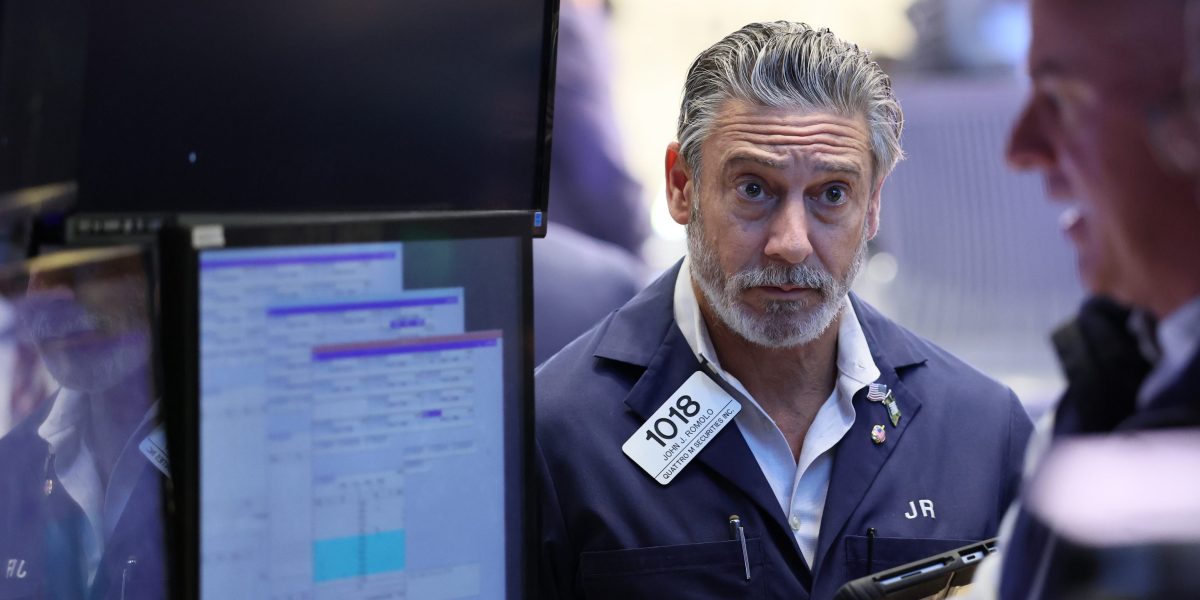
"So the way I like to think about it is: Is there going to be an AI wobble at some point? Are investors going to be concerned about how those CapEx dollars are being invested? Right now, he continued, alluding to a famous game theory scenario, "there's a little bit of a prisoner's dilemma, let's call it, among the larger firms. You have to invest in it because your peers are investing in it, and so if you're left behind you're not going to have the stronger competitive position to it."
Business
fromwww.theguardian.com
5 months agoAsian chipmakers tumble in global stock sell-off amid worries over AI bubble business live
The last 24 hours have brought a clear risk-off move, as concerns over lofty tech valuations have hit investor sentiment. Markets compounded these losses in the early hours of Asian trading but have been rallying back in the couple of hours prior to going to print with US futures clawing back towards flat with the Kospi rallying back a couple of percentage points from early -5% plus losses.
Business
fromTheregister
6 months agoSignal's Meredith Whitaker decries dependence on AWS
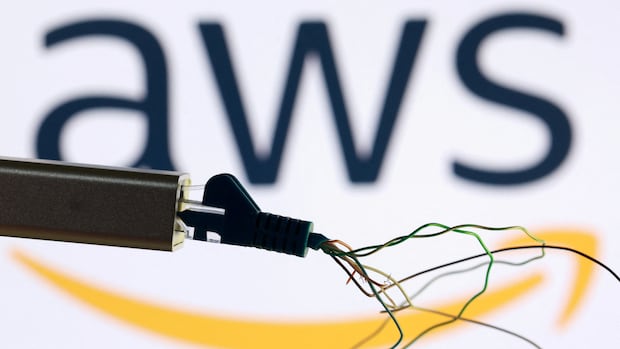
Signal, like many other internet services, failed briefly during the sizable AWS outage that occurred on October 19 and 20. The cause, as AWS explained in its paragraph-starved post-mortem last week, was an error in AWS' automated DNS management system. And the loss of availability and productivity across the many AWS-dependent businesses has been estimated to have cost businesses more than a hundred billion dollars.
Tech industry



Artificial intelligence
fromFortune
6 months agoTop analyst on concerns about Nvidia fueling an AI bubble: 'We've seen this movie before. It was called Enron, Tyco' | Fortune
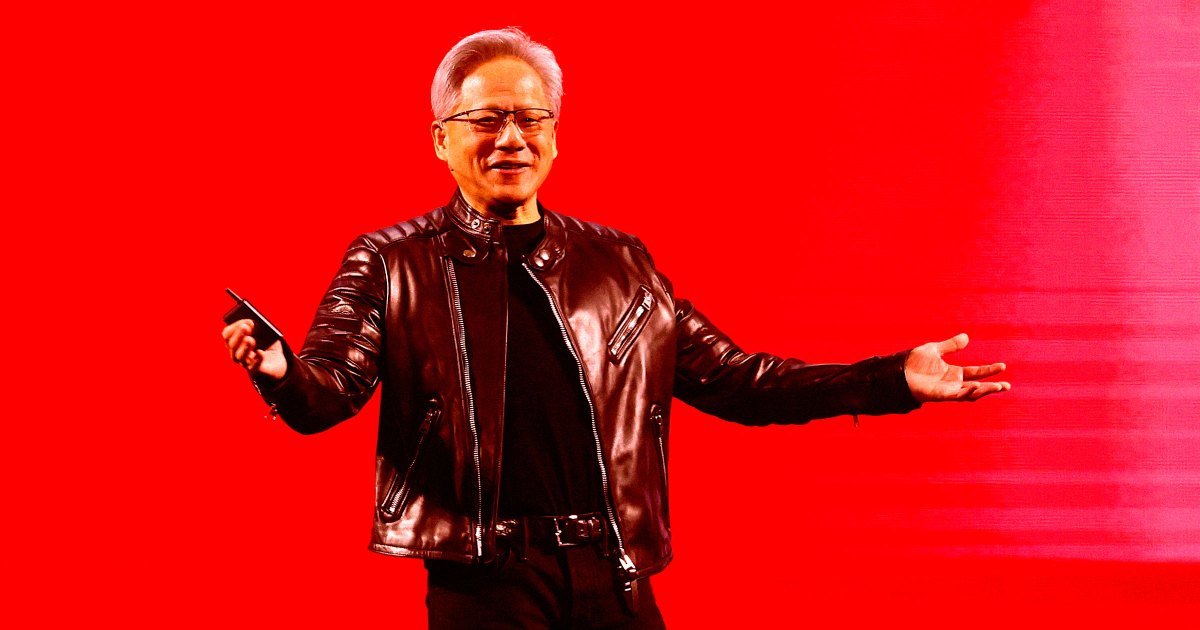
U.S. equity rally is concentrated in AI infrastructure-driven gains among a handful of megacap stocks, creating vulnerability to a sharp market correction.
[ Load more ]