#maternal-and-infant-health
#maternal-and-infant-health
[ follow ]




fromwww.npr.org
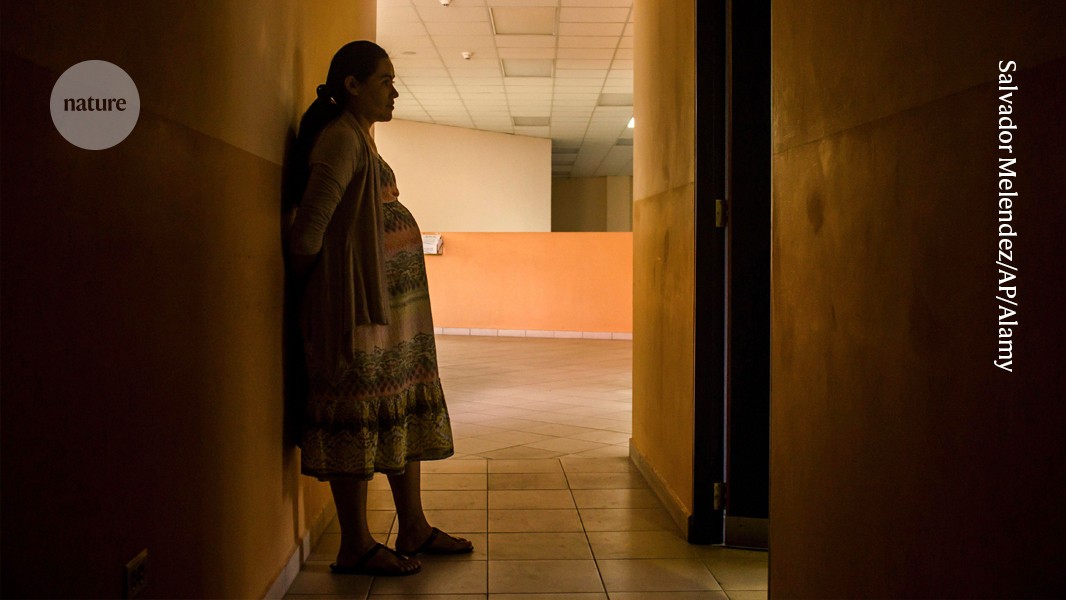
4 hours agoOver-the-counter medication abortion? These researchers say it would be safe
Over-the-counter abortion medication is not a reality currently. Grossman is not aware of any pending applications at the Food and Drug Administration for medication abortion to be sold over-the-counter.
US news


#womens-health
Women in technology
fromwww.independent.co.uk
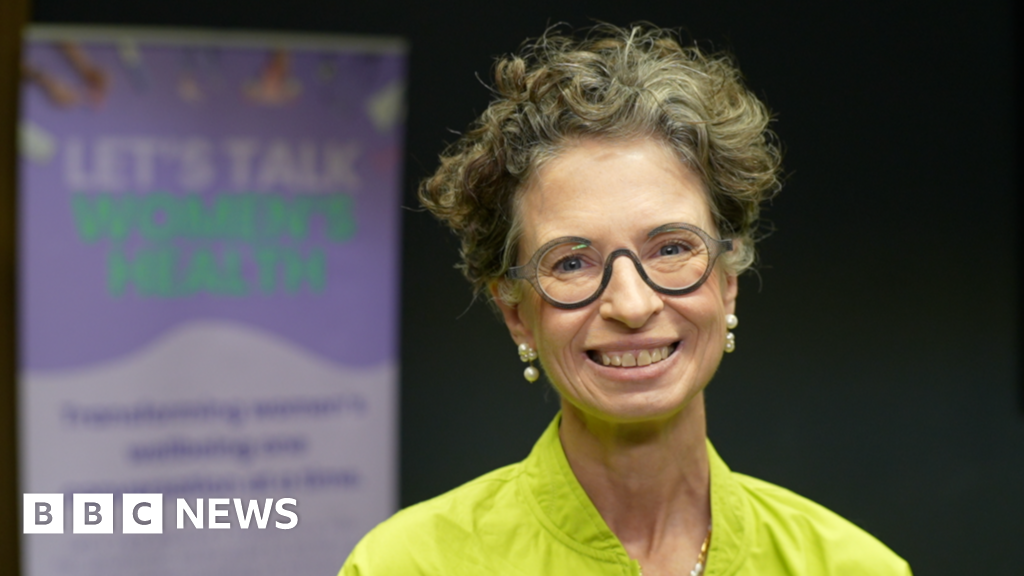
4 weeks ago600 women's health leaders warn of social media censorship
Over 600 women's health leaders warn that social media platforms censor medically accurate women's health information, perpetuating harmful stigma around reproductive and gynecological topics.

Women in technology
fromwww.independent.co.uk
4 weeks ago600 women's health leaders warn of social media censorship
Over 600 women's health leaders warn that social media platforms censor medically accurate women's health information, perpetuating harmful stigma around reproductive and gynecological topics.
fromJezebel
1 week agoMore Pregnant Women Around the World Die When the U.S. Has a GOP President
Since 1985, every time the U.S. elects a Republican president, global maternal mortality increases by about 10.5%, or about 44.7 additional deaths per 100,000 live births. This erodes roughly one-fifth of the average worldwide decline in maternal mortality achieved since 1985.
Right-wing politics
fromwww.bbc.com
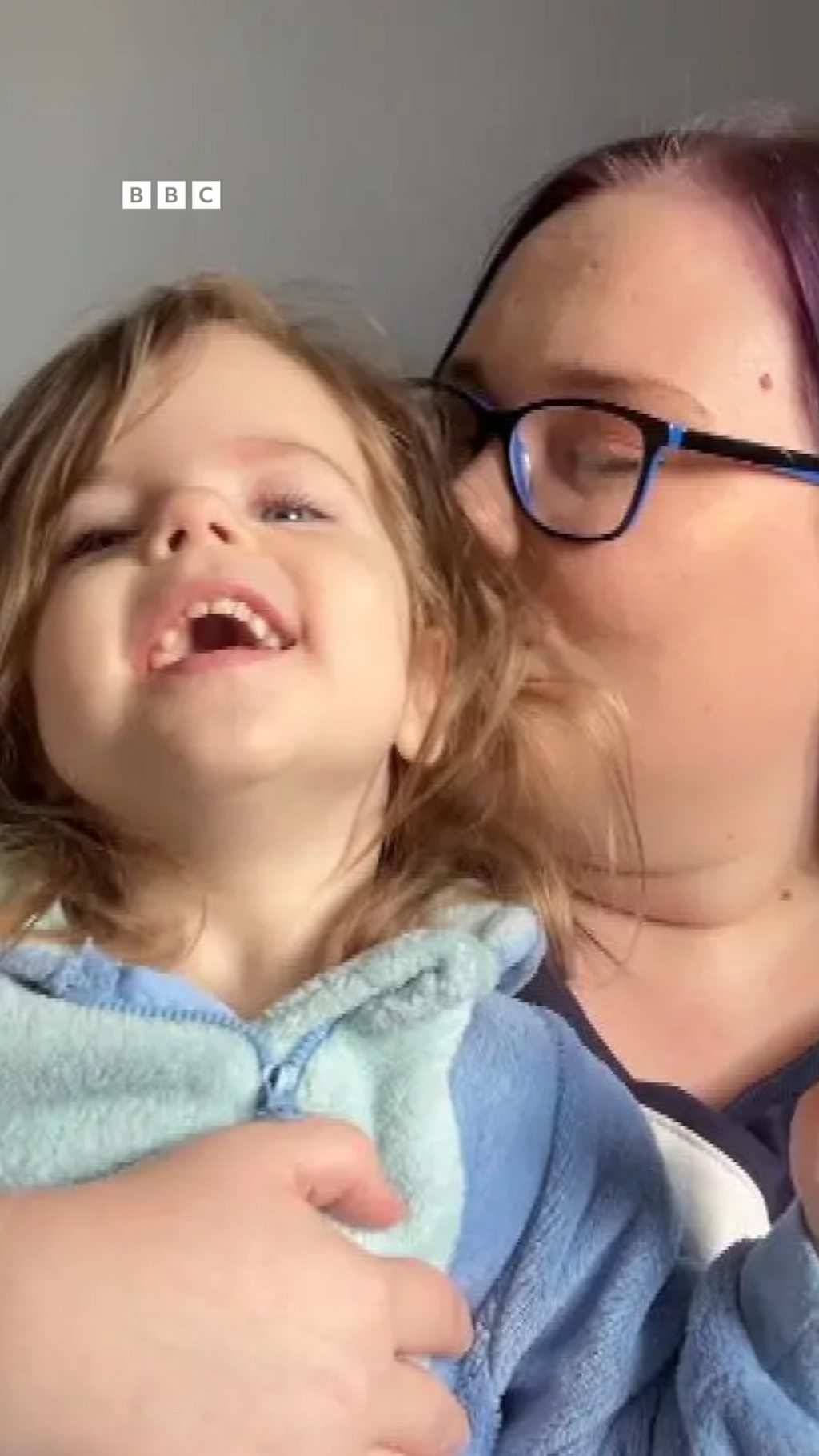
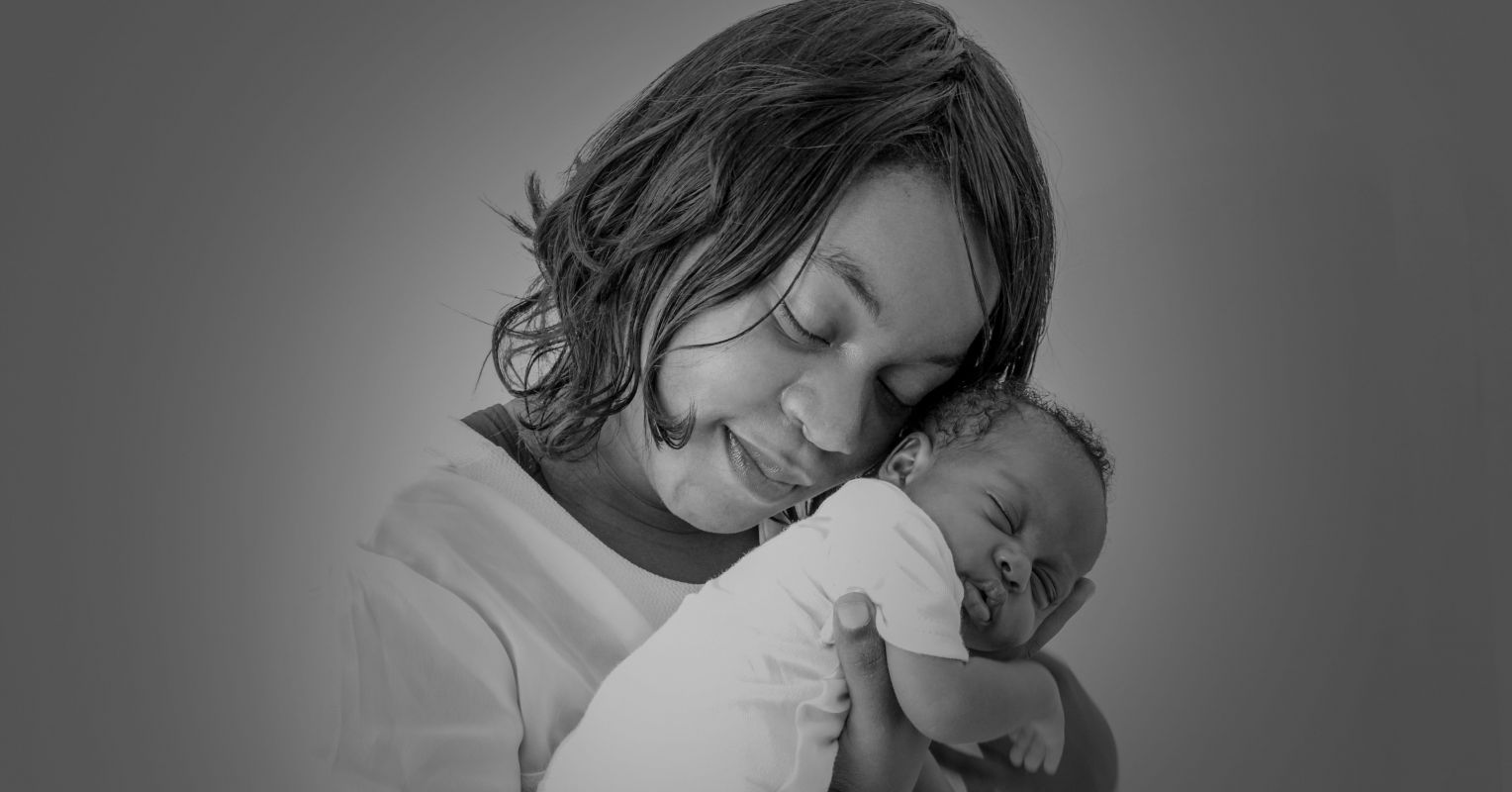
2 weeks agoI spent five months in a mother and baby mental health unit - here's what I want mums to know
Sofii Lewis described her experience, stating, "I knew I wasn't safe. But I didn't think I was out of control." This highlights the confusion many face with postpartum psychosis.
Mental health
#maternal-health
Public health
fromwww.independent.co.uk
2 weeks agoWomen almost 150 times more likely to die from maternal sepsis in Africa than Europe
Women in sub-Saharan Africa are 150 times more likely to die from maternal sepsis than mothers in developed nations due to inadequate water, sanitation, and hygiene infrastructure in maternity wards.
fromJezebel
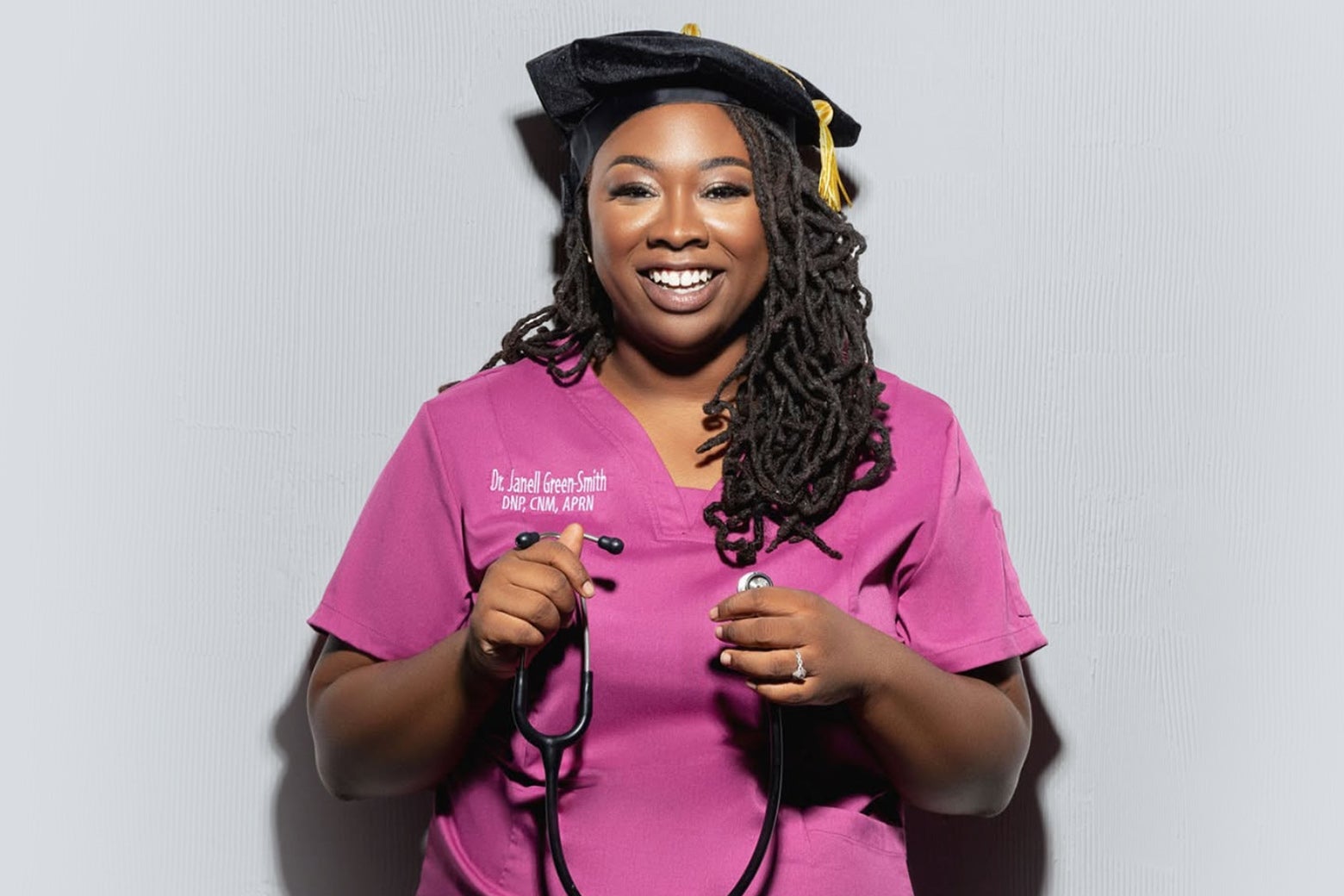
2 weeks agoFlorida Forced 2 Black Women to Have C-Sections They Didn't Want
Pregnancy is the only condition where Florida courts have ruled that a patient can be forced to undergo unwanted treatment. Even a state prisoner on a hunger strike has more rights to make medical decisions.
Medicine
Women in technology
fromNature
1 month agoUncharted: Understanding women's health across the body
Women's health remains largely understudied due to historical exclusion from clinical research, creating significant gaps in understanding disease prevention, diagnosis, and treatment across most health conditions.
Mental health
fromwww.bbc.com
4 weeks agoSent 90 miles after giving birth while 'soaked in urine'
A new mother with postpartum psychosis was forced to travel 90 miles for emergency care due to insufficient specialist mother and baby units, highlighting critical gaps in mental health service accessibility across the UK.
Parenting
fromScary Mommy
3 weeks agoFor The Overwhelmed Moms Trying To Do It All, You Can Blame "Institutional Lag"
Afternoon chaos for working mothers stems from institutional lag—outdated systems designed for single-income households with stay-at-home parents that fail to accommodate modern dual-income families.
fromwww.bbc.com
1 month agoUnder-fire maternity services still need to improve
While noting women 'were treated with kindness and compassion', a 'requires improvement' rating was given. Inspectors said hospital management 'did not always support staff well-being' and 'were not always visible within the service and were sometimes perceived as unsupportive'. Staff reported they were confident to report incidents, however, were not always assured action would be taken.
Healthcare
Parenting
fromSlate Magazine
3 weeks agoI Had a Strange, Unsettling Experience Breastfeeding Each of My Four Children. I Finally Figured Out Why.
Breastfeeding triggered intense emotional distress including dread, sadness, and panic for the author across four children, despite lacking physical pain, leading her to switch to formula after brief periods.
Mental health
fromSocial Media Explorer
1 month agoBeyond the Clinic: Practical Support for New and Expecting Moms - Social Media Explorer
Prenatal care must address mental health and emotional resilience alongside medical monitoring, with peer support and practical community resources essential for maternal wellness.
Healthcare
fromBusiness Insider
1 month agoShe works in healthcare and pays $787 a month for insurance. She still can't afford her daughter's care.
Over 100 million Americans carry medical debt that impairs their ability to afford basic necessities and damages their credit scores, with Black Americans and rural residents facing disproportionate risk.
Public health
fromTODAY.com
1 month agoHospital Shares Photo of Record-Setting Big Baby
A 13-pound baby boy born at Cayuga Medical Center set a hospital record as the largest baby ever delivered there, while another 4-pound baby was born the same day, demonstrating the wide range of healthy birth sizes.
fromNonprofit Quarterly | Civic News. Empowering Nonprofits. Advancing Justice.
1 month agoGiving Birth Under Surveillance: Migrants, ICE, and Obstetric Violence | Nonprofit Quarterly | Civic News. Empowering Nonprofits. Advancing Justice.
Fear of detention or deportation is leading many immigrants to avoid medical appointments, even when those visits are essential. This chilling effect is particularly acute among pregnant individuals, who may delay or forgo prenatal check‑ups out of concern that seeking care could expose them to immigration enforcement. The result is a growing public health crisis: expectant patients are left without consistent medical oversight, and communities face widening disparities in maternal and infant health outcomes.
Public health
fromwww.theguardian.com
2 months agoGlobal midwife shortage raises rates of maternity intervention, report warns
Anna af Ugglas, chief executive of the International Confederation of Midwives (ICM) and one of the study's authors, said: Nearly 1 million missing midwives means health systems are stretched beyond capacity, midwives are overworked and underpaid, and care becomes rushed and fragmented. Intervention rates rise, and women are more likely to experience poor-quality care or mistreatment, she said. This is not only a workforce issue, it is a quality and safety issue for women and babies.
Public health
fromPsychology Today
1 month agoWho Gets to Be a Mother?
We'd been working together for years to make my medication regimen-treatment for schizoaffective disorder-safe for potential pregnancy. Under her care, I was tapering off an antidepressant known to cause respiratory distress and hypertension in a newborn. I'd been experiencing wild mood swings, even suicidal thoughts. My beloved doctor's eyes were sad. "I'm saying no to a pregnancy, Meg." Even in the moment, I understood her priority as a physician was to keep me safe. Still, part of me hated her.
Mental health
Parenting
fromSlate Magazine
2 months agoHelp! I Made a Deal With My Husband Before Our Baby Was Born. Five Months In, I Desperately Want Out.
A mother's physical and emotional well-being should take priority; switching to formula is a valid, non-harmful option when breastfeeding causes severe distress.
fromwww.npr.org
2 months agoAbout Us: Global Health and Development
NPR's global health and development team tells stories about life in our changing world, focusing on low- and middle-income countries also referred to as the Global South. And we keep in mind that we're all neighbors in this global village. NPR receives financial support for this team from the Gates Foundation. NPR is solely responsible for all content. Find more about NPR's standards and practices at NPR.org/ethics, as well as a list of our philanthropic supporters in our annual report.
Public health
fromwww.bbc.com
2 months agoBabies in Midlands and North 'more likely to die around birth'
Babies in the Midlands and North of England are more likely to die before, during or shortly after birth than those in the South, a new study has found. Researchers analysed data from 121 maternity services in England to see which centres repeatedly produced outcomes better or worse than the average between 2013 and 2022. The 10 worst-performing centres were in the Midlands and North of England, and the 15 best-performing in the South.
Public health
fromDaily Mom magazine
1 month ago5 Pros & Cons To Birth At Home: Home Birth Vs Hospital Birth
When I first found out I was pregnant, I did what most moms do-I started researching. I wanted to make the best possible choices for my baby and myself, and giving birth in a hospital just didn't feel like the safest option. So many women do it, but the more I learned, the more I realized that the reality of hospital birth in the U.S. is even less reassuring than I had thought. I wanted to birth at home.
Public health
fromTODAY.com
2 months agoThe Best Present for Your Labor and Delivery Nurse is Absolutely Free
Hamilton makes it very clear that she and her fellow nurses are endlessly grateful for the gifts they have received from patients (like energy drinks, mints, donuts and hair ties). But at the same time, they don't expect them. And most importantly, the service they provide to their patients remains the same regardless of whether or not you give them a gift.
Public health
Public health
fromwww.theguardian.com
2 months agoAs LA maternity wards close, patients are giving birth in ERs: There's no system to care for these women'
Hospital maternity ward closures in Los Angeles are increasing emergency-room labor and delivery visits, straining remaining public hospitals and forcing longer travel for pregnant patients.
[ Load more ]