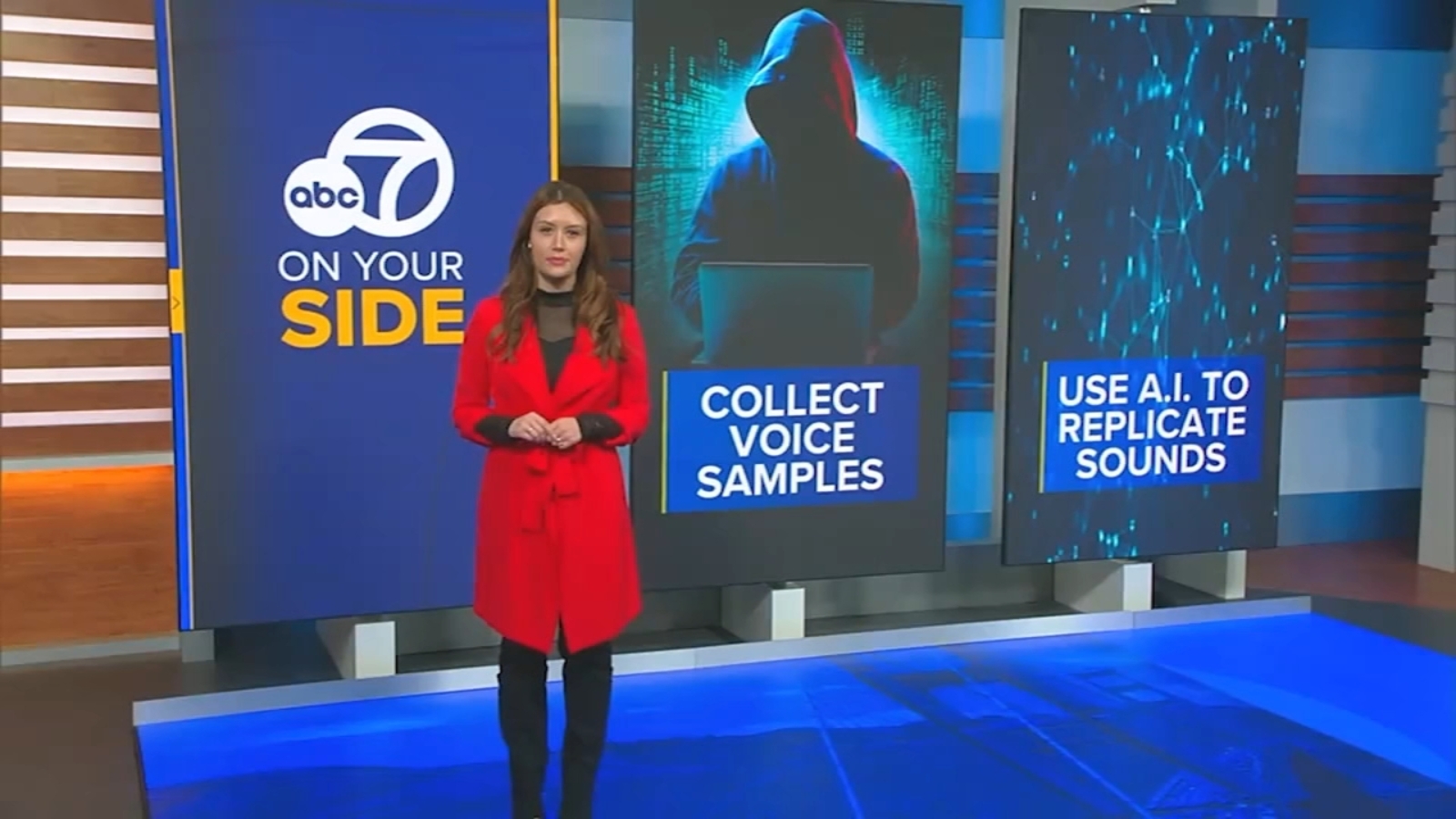
Picture this: Your phone rings. The caller ID shows your local hospital. The voice on the other end sounds professional, maybe a bit urgent. They're calling about Medicare coverage changes that could affect your upcoming procedures. They just need to verify some information to ensure your benefits continue uninterrupted. Sounds legitimate, right? Here's the thing - it probably isn't. And that's exactly what makes modern phone scams so dangerous.
Susan J, a lab member's grandmother, is one of the millions of people who were targeted by scammers impersonating politicians or campaigns last year. Smart, politically active, and eager to make her voice heard, she's donated to candidates she supports for years and frequently takes the time to respond to political polls. But in early January, she learned firsthand that not all political outreach is as it seems.
In telephone calls carried out in Chinese, the scammers reel in targets under the pretense that they have unpaid bills related to recent surgical procedures. They use spoofed telephone numbers belonging to the claims departments of legitimate US health insurance providers to add a layer of authenticity to the scam, but that authenticity quickly evaporates. If, for some reason, targets entertain the conversation about paying for a surgery they almost certainly did not receive, the scammers get them to join a video call.
A random "can you hear me?" question should be your first red flag that this unsolicited call could be a scam, said Kelly Richmond Pope, a professor of forensic accounting at DePaul University and the author of Fool Me Once: Scams, Stories, and Secrets From the Trillion-Dollar Fraud Industry. A conversation with a random number that starts with "can you hear me?" is suspicious "because it's so outside of the typical conversational cycle," Pope said.
Peel Regional Police say they are receiving reports of scam calls that appear to come from their non-emergency line largely targeting members of Asian communities. The caller claims to be a police officer, police said in a news release Thursday. "The caller references personal information about the victim to establish trust and extract further sensitive information, including banking details," police said.