#pioneer-seeds
#pioneer-seeds
[ follow ]
#agriculture #gardening #sustainability #canadian-agriculture #home-gardening #crop-yield #agronomy #cover-crops



#canadian-agriculture
Agriculture
fromRealagriculture
1 month agoRealAg Radio: Canadian innovation, unleashing the economy, and farm management, Mar 3, 2026
RealAg Radio features industry experts discussing capital investment in Canadian agriculture, seed products, economic growth strategies, and farm management practices linked to financial performance.
fromFuturism
4 days agoRobot Dogs Patrolling Precious Crops as Food Crisis Deepens
Bayer is supplementing human security patrols around its 8,000 acre Hawaiian corn farm with robotic security dogs, supplied by the tech firm Asylon. The Asylon dogs are meant to guard the company's precious maize from vandals, wildfires, wild fauna, and other hazards around the clock.
Agriculture
fromwww.theguardian.com
4 days agoThe art of grafting: joining two plants together to grow as one is horticultural magic
Grafting is the method through which two different plants from the same species or genus are joined together to grow as one. The resulting plant benefits from the qualities of the two different original plants.
Agriculture
Women in technology
fromRealagriculture
1 month agoChanging conversations highlight evolving role of women in agriculture
The Advancing Women in Agriculture Conference has evolved to address mental health, resiliency, and workplace challenges, reflecting decades of progress in recognizing women's contributions to agriculture.
fromRealagriculture
2 months agoAg Policy Connection: Rethinking funding for plant breeding, with Jason Reinheimer
"If Canada wants generational change in agricultural innovation, we need to transform our policy around how we fund plant breeding," he says. The current system, heavily reliant on public funding and check-off dollars, is increasingly under pressure. Reinheimer points to signs that Agriculture and Agri-Food Canada (AAFC) is shrinking its breeding footprint-especially in wheat, where AAFC varieties still account for about 80 per cent of acres. The problem? There's no updated funding model to match that shift.
Canada news
fromRealagriculture
2 weeks agoPulse School: Balancing P-K-S fertility when margins are tight
"The awesome thing with pulse crops is no nitrogen needs... not having to put any nitrogen on a pulse crop is a great starting point," he says, noting that this allows growers to not only meet PKS requirements but, in some cases, build soil fertility for the rotation.
Agriculture
fromRealagriculture
2 months agoBig questions around public research and plant breeding as Manitoba Crop Alliance celebrates 5 years
It's a big part of MCA. Our funding for wheat breeding is a big investment that we make on behalf of Manitoba producers and their check-off dollars. There's still going to be some ongoing. We're just trying to figure out what the effect these cuts are going to have on these programs and where we might have to step up.
Canada news
fromEarth911
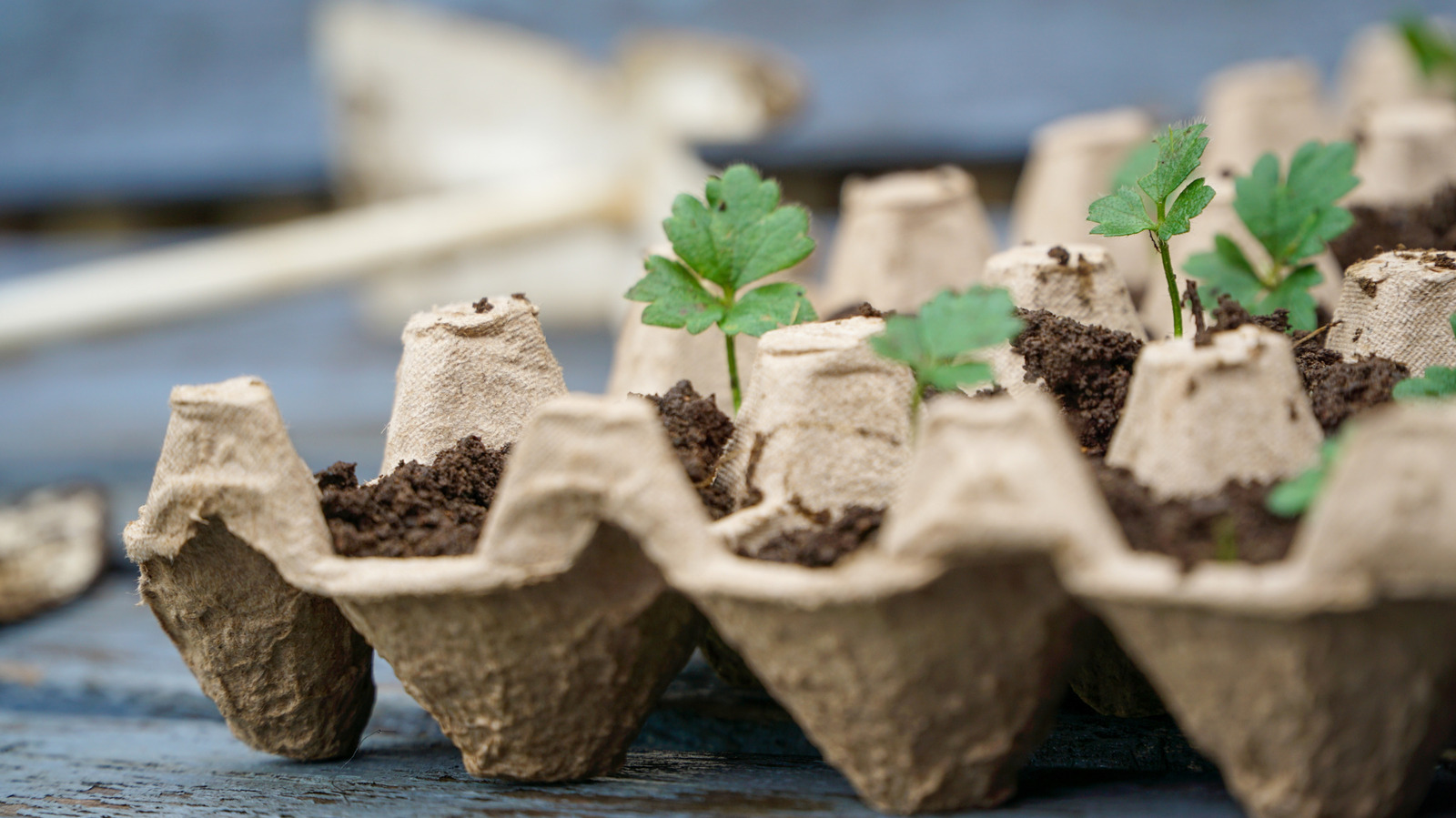
4 weeks agoSeed, Sprout, Spectacular: Tips for Starting Your Garden From Scratch
Starting plants from seed extends your relationship with the garden, gives you more control over seed sourcing, and saves real money compared to buying nursery starts, sometimes as much as 90% per plant.
Agriculture
Agriculture
fromTasting Table
1 month agoCan You Grow A Garden From Grocery Store Produce Seeds? - Tasting Table
Growing vegetables from store-bought seeds is possible but results vary based on produce type, growing method, and post-harvest treatment, with hybrid plants producing different crops than their parent plants.
fromRealagriculture
1 month agoTerraScout brings robot agronomic scouting to the farm
It can drive through the field and look at every square inch. We really honed our craft on model performance and detection with rocks, and now we've transitioned that into weeds. The robot uses a boom-mounted camera system to capture detailed imagery across the field. With eight cameras operating at 1 millimetre resolution, TerraScout can generate billions of data points per acre, allowing it to identify specific objects, including individual weeds.
Agriculture
fromRealagriculture
1 month agoBASF set to expand canola breeding centre at Saskatoon
For 30 years, InVigor hybrid canola has played a central role in advancing productivity and performance for canola growers around the world. This facility expansion marks the next chapter in that legacy, enhancing breeding capacity, integrating advanced automation, and accelerating the development of new hybrids.
Agriculture
Agriculture
fromRealagriculture
1 month agoRealAg Radio: Weed pressure before emergence, sulphur by drone, and corn standability, Mar 16, 2026
Early weed pressure reduces crop yield before plant emergence, while drone applications for fertilizer and sulphur on fall-seeded cereals are emerging agricultural practices, alongside concerns about corn standability.
Agriculture
fromModern Farmer
1 month agoHow to Start Tomato Seeds: 5 Expert Growing Tips
Tomato success depends on choosing between indeterminate varieties for long seasons and determinate varieties for short growing periods, then starting seeds indoors four to six weeks before the last frost in most North American regions.
fromRealagriculture
1 month agoRealAg on the Weekend: Women in ag, diesel prices, & future plant breeding options, Mar 14 & 15/26
If we did that today, it would be a hundred percent, because right now, without question, 2026 is riskier than 2025. So farmers really [face significant challenges]. The war in Iran continues and it works back to the world of agriculture. It's had an impact on fertiliser and diesel prices and commodity markets, as well as currency.
Agriculture
Agriculture
fromRealagriculture
1 month agoWheat Pete's Word, March 11: The next generation of ag, ponded wheat, potash power, and a rust watch
Ontario winter wheat shows strong spring conditions with minimal ponding, while high-tillering wheat in Idaho presents lodging risks and leaf rust emerges unexpectedly in the southern U.S.
Agriculture
fromRealagriculture
1 month agoRhizoSorb tops one million acres as growers seek improved phosphate efficiency
Phospholutions' RhizoSorb technology reached one million commercial acres in 2025, driven by growers seeking phosphorus efficiency and cost savings through controlled-release fertilizer innovation.
fromRealagriculture
1 month agoThe strongest start: How seedcare innovation is shaping crop protection in Canada
"I've been with Syngenta for 28 years," Ramachandran says, noting that early travels across Canada shaped his passion for seed care. "What really stood out to me is seeing firsthand the passion, the resilience and the impact the growers made." Those experiences, combined with Canada's short growing season, continue to guide his work. "Everything that we have done... is around addressing those challenges, and how do we create solutions that are fit for purpose, for Canadian growers?"
Agriculture
fromwww.theguardian.com
1 month agoWhen it comes to preparing seeds for your garden, you'll reap what you sow
To an unimaginable eye, a seed looks inert. Yet they are packed with genetic information and biological processes poised to unfold. All it takes is the right configuration of signals and stimuli from the environment to let them know it's time to dare to grow.
Agriculture
Agriculture
fromRealagriculture
1 month agoDon't cut the science that pays the bills
Closing AAFC research stations undermines Canada's agricultural competitiveness by eliminating the only coordinated system for validating crop genetics across diverse agro-ecological zones, despite wheat breeding generating a 32:1 benefit-cost ratio.
fromDaily Coffee News by Roast Magazine
2 months agoIn Wake of India's "Green Revolution," Scientists Find Organic Soils Healthier
As concepts such as "regenerative" and "biodynamic" continue to enter the mainstream coffee lexicon, scientists continue to literally dig into the soil to give them meaning. A recent peer-reviewed study from India's Western Ghats argues that one of the clearest signals of healthy, sustainable coffee farms lies in the ground itself, with organic coffee soils performing better than soils from conventional farms treated with synthetic inputs.
Agriculture
fromRealagriculture
1 month agoVaderstad expands digital tools for seeding management
You can go onto your cloud account either through the iPad or your desktop computer and pre-plan all your jobs... when your hired man goes into the field he can just pick the job... and then hit start and you can go.
Agriculture
Agriculture
fromwww.theguardian.com
1 month agoTech firms and AI farming tools playing with the food system', warns thinktank
Tech companies use AI and algorithms with industrial agriculture to control global food systems, pushing farmers toward five profitable crops while undermining locally adapted varieties and food security.
fromRealagriculture
1 month agoImperial Seed marks 75 years; Kurt Shmon reflects on changes in forage production
Shmon, who purchased the company in 2008 and has worked in the industry since 1986, says forage seed production has shifted significantly over the decades. "In that time I've seen alfalfa seed production as high as probably 250-300,000 acres here in Western Canada. And now we're probably in the area around 100,000 acres," he says, noting that while forage crops offer strong net returns and diversification benefits, the relative ease of herbicide-tolerant commodities has drawn some growers away.
Agriculture
fromInsideHook
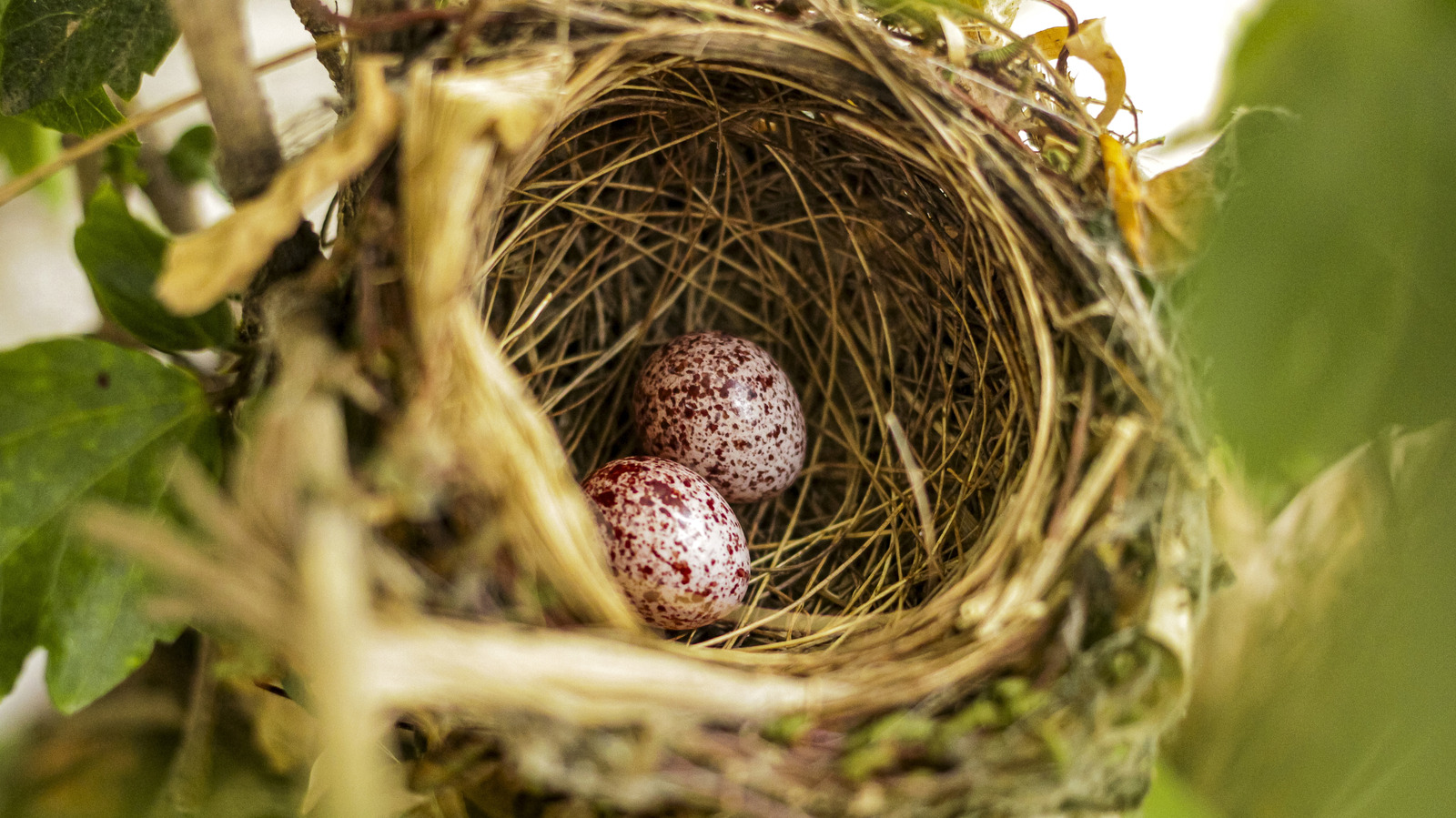
2 months agoAn Essential Part of Farming Has Two Wings and a Beak
When you think of farming, what ingredients do you generally associate with a successful harvest? The basics certainly come to mind: fertile soil, plenty of sunlight and lots of water. But there are other variables that can also mean the difference between a crop of healthy fruits and vegetables and a large heap of organic waste. And it turns out that one of those variables is a very small hawk.
Agriculture
fromTasting Table
2 months agoThe Slow-Growing Crop That Pays Off Big When You Start It From Seed - Tasting Table
People grow asparagus from crowns because it shortens the long wait times for harvesting. From seed, you'll need to wait three years before harvesting asparagus. Some people consider that a waste of time. The tradeoff is that you can keep harvesting every spring for up to 15 years or more. If you plant crowns, you get a one-year jump on things. However, those crowns may have soil-borne diseases you don't know about, so there is a risk involved. Seeds remove that problem.
Agriculture
fromRealagriculture
1 month agoRealAg on the Weekend: Finding opportunity in biofuels for Canadian agriculture, Feb 21 & 22, 2026
Broadcasting from Calgary, Alberta, your host Shaun Haney is joined by Tyler McCann, managing director of CAPI, and Saskatchewan farmer Daryl Fransoo to talk about profitability in ag and the role of the biofuel industry from a Canadian agriculture perspective. Thoughts on something we talked about on the show? Connect with host Shaun Haney via [email protected], on X/Twitter by using the hashtag #RealAgRadio, or give us a shout or text on the response line, 1-855-776-6147.
Agriculture
[ Load more ]