#pizza-variety
#pizza-variety
[ follow ]
#pizza #italian-cuisine #cooking #cooking-tips #italian-american-cuisine #chicago #food-history #new-york-city
fromFood & Wine
14 hours agoNew York, We Need to Talk About Chicago's Restaurants - They're Coming for You
At Mirra, chefs Zubair Mohajir and Rishi Kumar fuse Indian and Mexican flavors, telling a story of immigration and the Indian diaspora through culture-melding dishes like chaas aguachile, where translucent slices of hamachi are served in a pool of cumin-scented buttermilk and lime juice.
Chicago


:max_bytes(150000):strip_icc()/GT-Best-US-Cities-Large-FT-DGTL0426-MAPLE-ASH-HERO-02-2caa5b7638ff46d2bc2326abfe189935.jpg)
#italian-american-cuisine
fromTasting Table
2 months agoFood & drink
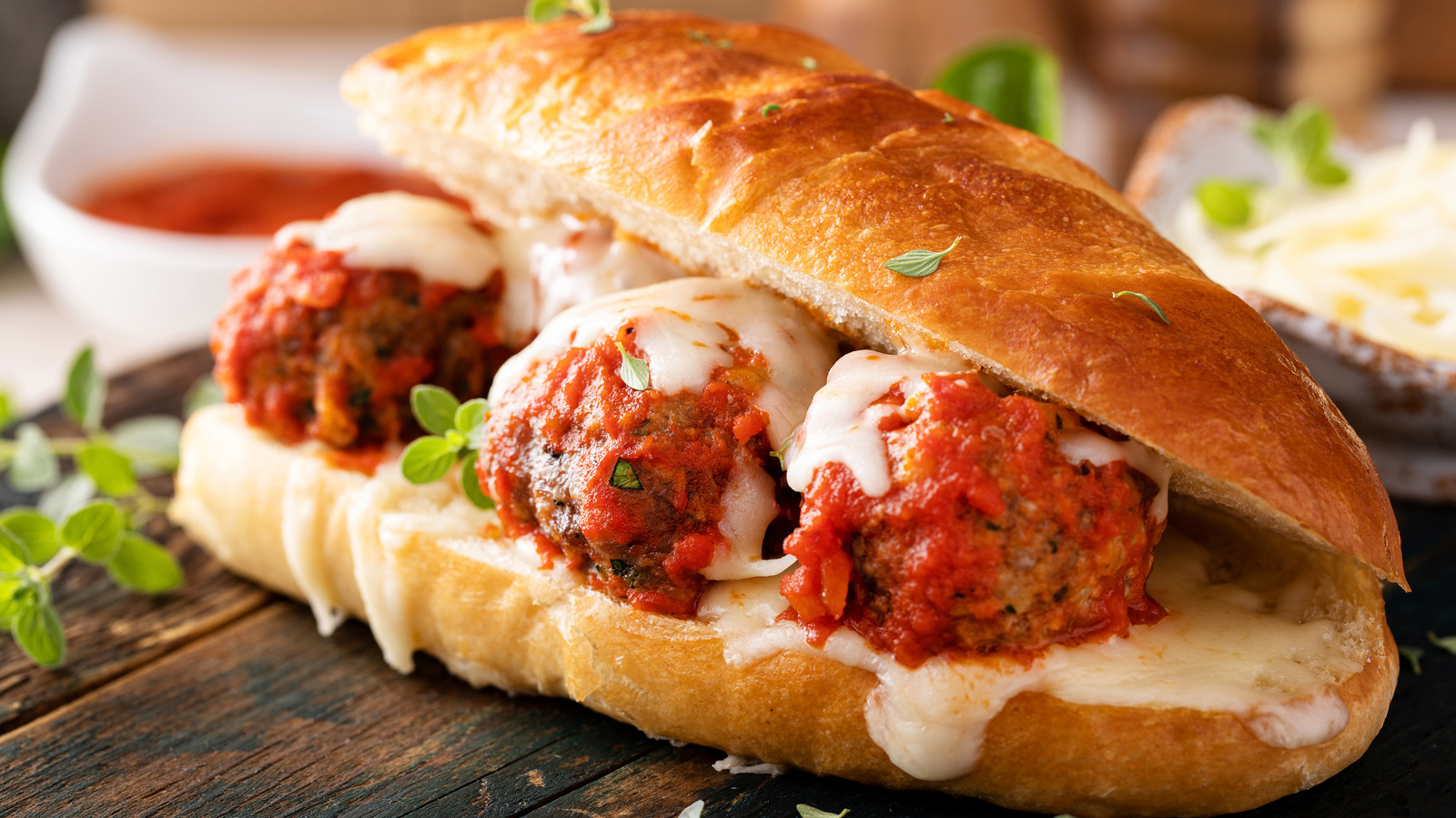
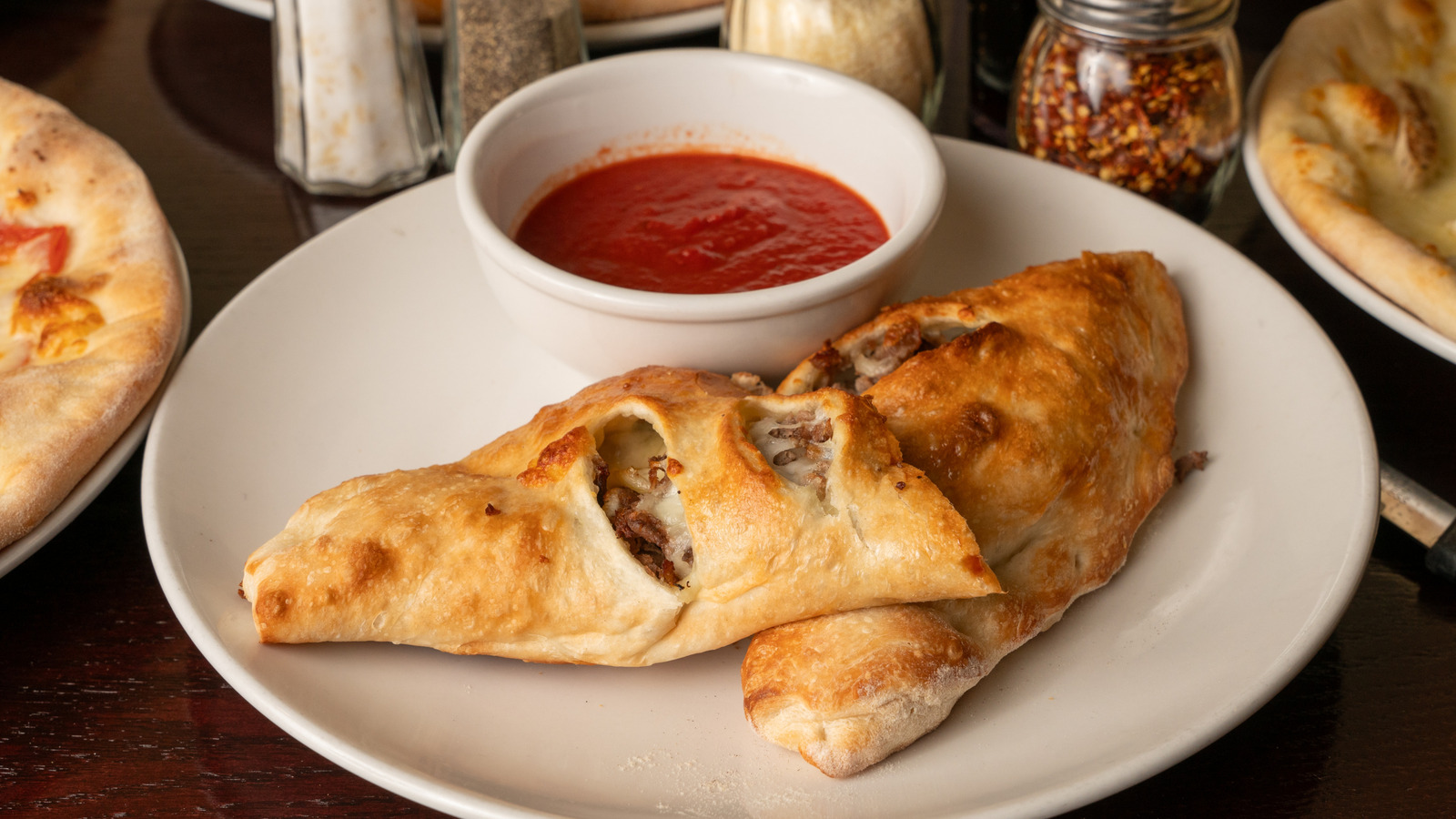
18 Italian-American Recipes Everyone Should Try At Least Once - Tasting Table
Italian-American cuisine offers familiar, flavorful, and adaptable recipes rooted in immigrant experiences and Italian regional traditions, ideal for family gatherings and feeding crowds.
NYC food
fromEater NY
2 weeks agoNo Slowdown for the New York Slice
Three popular New York pizzerias expand with new locations: L'Industrie opens in Little Italy, See No Evil Pizza launches a Greenwich Village slice shop, and Paulie Gee's debuts two employee-owned venues in the East Village and Gowanus.
NYC food
fromTravel + Leisure
3 weeks agoI'm a New Yorker and I Travel to This U.S. State for the Best Pizza in the Country
New Haven's coal-fired pizza tradition transformed a lifelong pizza skeptic into an enthusiast through superior crust quality, charred texture, and authentic Italian tomato flavor.
Chicago
fromTasting Table
1 month agoThis Cozy Italian Restaurant Is A Suburban Chicago Favorite For Comfort Food - Tasting Table
Enzo & Lucia in Long Grove offers authentic Italian cuisine rooted in Northern and Southern Italian family recipes, providing suburban diners with exceptional regional Italian dishes beyond Chicago's city limits.
NYC food
fromTasting Table
4 weeks agoChicago Is Famous For Pizza, But As A Longtime Local, This Neighborhood Spot Is My Favorite - Tasting Table
Novel Pizza Cafe in Chicago's Pilsen neighborhood stands out as an exceptional pizza destination, blending Filipino and Mexican heritage through innovative recipes developed by founders Enrique Huizar, Ryan Catolico, and Frances Almeda.
fromLondon On The Inside
1 month agoThe 72-Hour Slice Masterclass at Sodo Pizza
The dough is what really makes a Sodo pizza stand out - the sourdough base is made using flour from heritage grains and is fermented for 72 hours to make it light and digestible. But the toppings are no afterthought, with the team sourcing ingredients from local producers, including mozzarella and burrata made in Acton, pepperoni and nduja cured in Islington, honey from Walthamstow and leaves from a salad farm in Dagenham.
London food

fromTasting Table
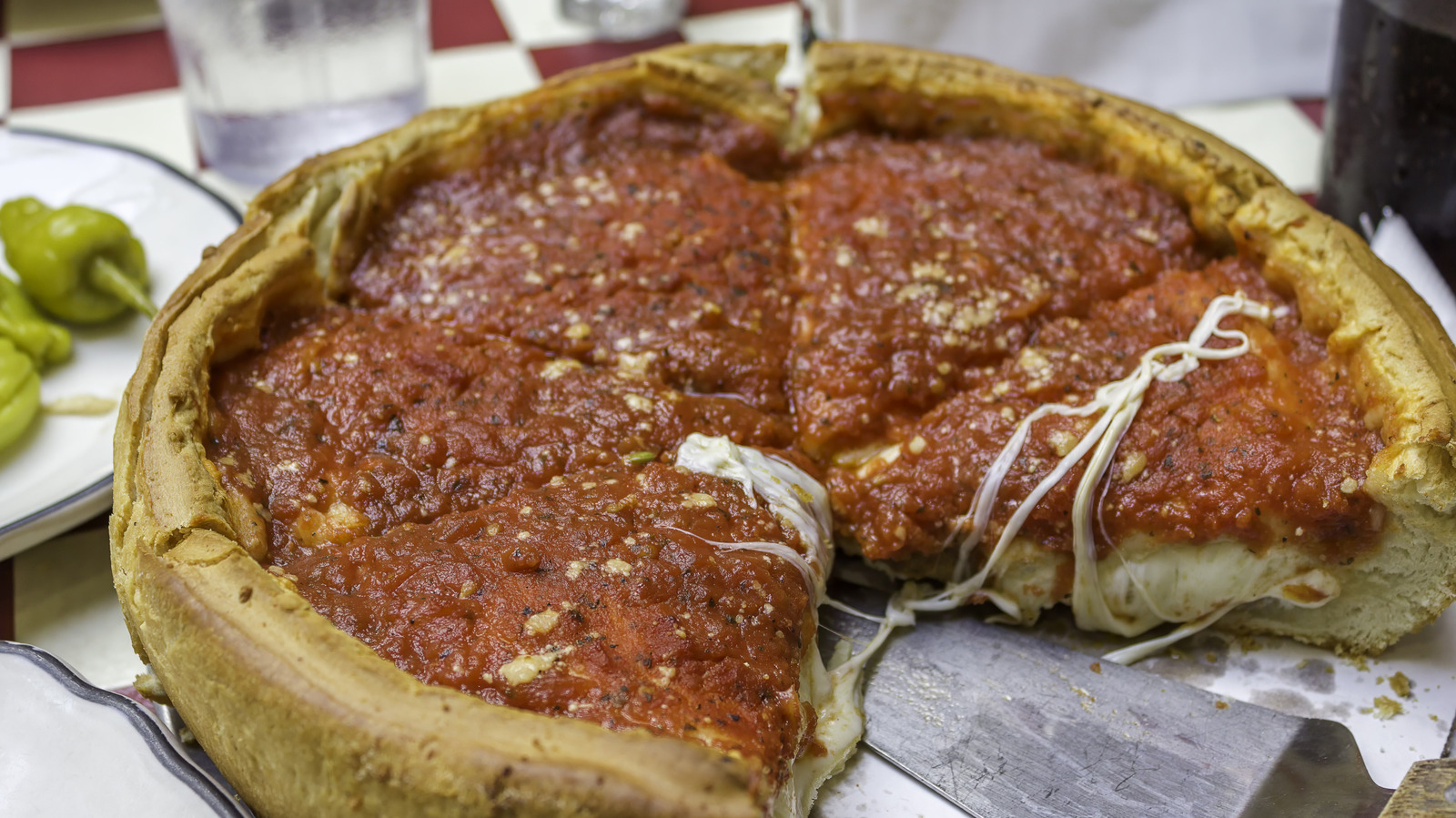
1 month agoThe Best Pizza In Indiana, Hands Down - Tasting Table
The hand-stretched pies, fashioned into 13-inch rounds, can be customized to preference, with gluten-free crusts and vegan cheese available to suit dietary needs. Customers have called Diavola the best pizza in Indianapolis on TripAdvisor, with one person writing, "This place excels at pizza with a perfect thin crust on the bottom and crusty outside." Burrata can be plopped onto orders for an additional $3, but many people feel the recipes need no improvement -
Food & drink
fromwww.theguardian.com
2 months agoI tested the best US pizza makers costing $129 to $2,800. Here's what was worth the price
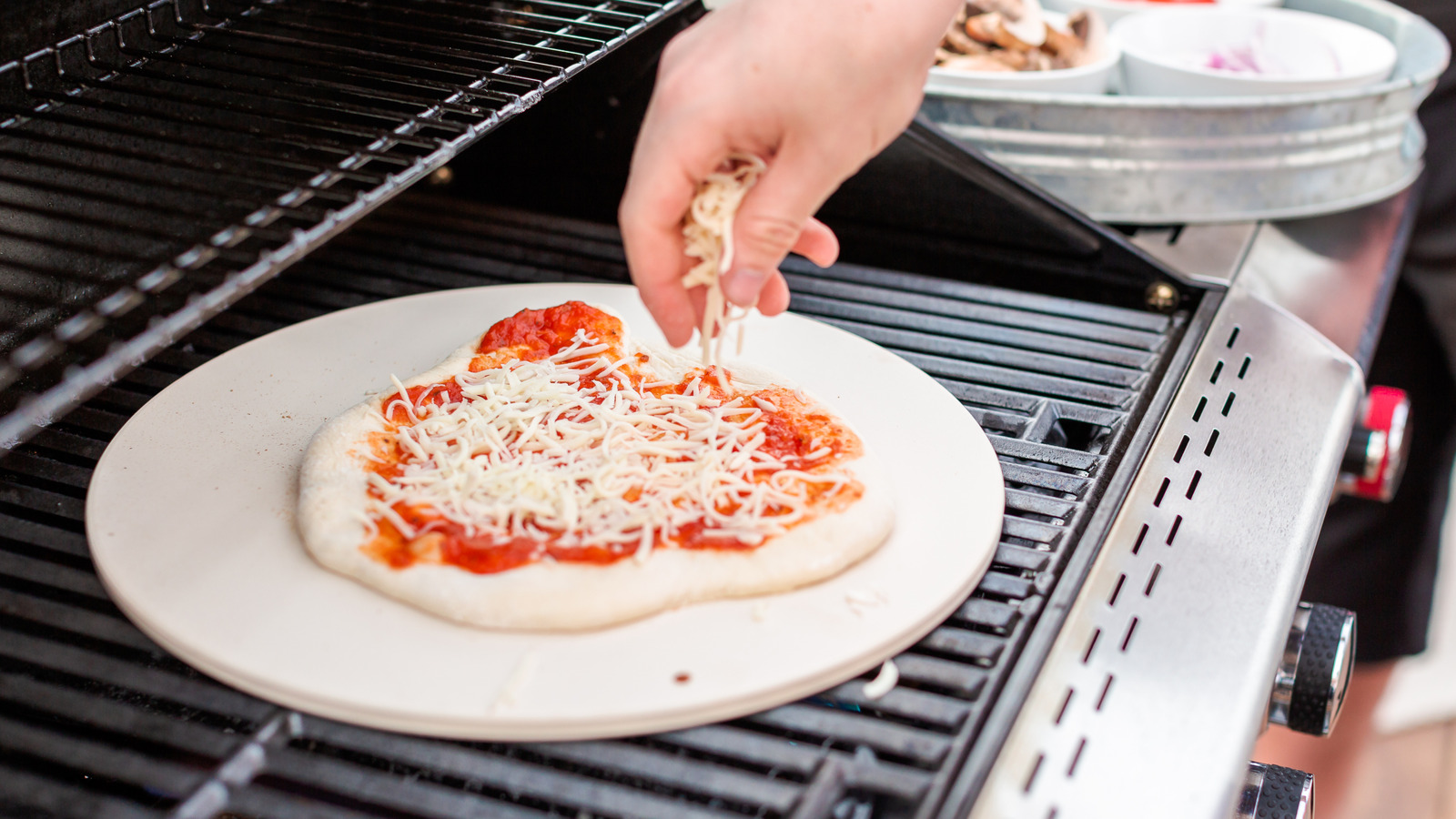
The price range for at-home pizza gear is as wide as the topping choices. On the simple, affordable end, there is the humble carbon-steel slab that slides into the oven you already own it's like a basic cheese pie. At the other extreme is pure splurge: a hulking hybrid oven that burns propane or wood and becomes the centerpiece of your outdoor cooking setup. Think of it as a pizza topped with Italian white truffles.
Cooking
Food & drink
fromTravel + Leisure
2 months agoThe Best Little Italy Neighborhoods Across the U.S. Offer Incredible Eats and Local Community
Authentic Little Italy neighborhoods across the U.S. preserve Italian traditions through food, community gatherings, and family-run businesses, offering immersive, Italy-like cultural experiences.
fromFast Company
2 months agoNational Pizza Week is here - here's where to save on pizza
There are many made-up celebrations these days, but at least National Pizza Week delivers something tasty. Coming in hot on the heels of so-called quitter's day, when many people abandon their New Year's resolutions, pizza shops around the U.S. will be tossing around some deals that could save customers some dough. Of course, many people don't need an excuse to eat pizza-on any given day, about 11% of Americans do so, according to a study released in 2024 by the U.S. Department of Agriculture.
Food & drink
[ Load more ]