Agriculture
fromRealagriculture
22 hours agoFarm superstitions, mitigating flood potential, and seeding ... soon | RealAg Radio, April 23/26
Superstitions among fans and farmers can influence their perceived outcomes and decisions.
When considering the cheapest fruit to grow, you want something that's high-yielding, low-maintenance, and ideally fast-growing. Cheap can also be relative - if a fruit is generally affordable and available in stores, it's probably not worth the effort and garden space to grow it yourself.
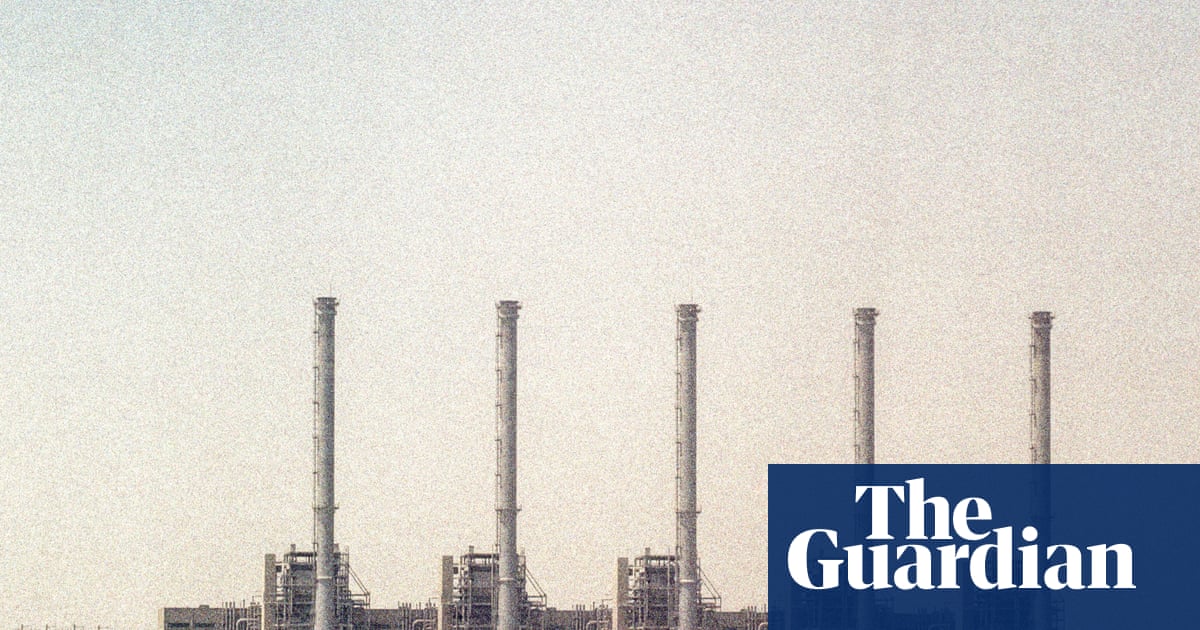
"In the Gulf, desalination is built with enough breathing room that losing one plant doesn't immediately show up at the tap," says Rabee Rustum, professor of water and environmental engineering at Heriot-Watt University Dubai.
More than 30,000 hectares of land are covered in plastic, a geometric labyrinth five times the size of Manhattan, where 3.5m tons of vegetables are produced every year from tomatoes to cucumbers, peppers to courgettes, aubergines to melons, enough to feed half a billion people and generate a turnover of more than 3bn euros.
The Wasteland Nomad is built from biochar and seeds of indigenous plants, which are both biodegradable materials. Biochar works like a sponge inside the soil, as it holds water, gives microbes a surface to live on, and locks carbon into the ground instead of letting it escape into the air.
"The awesome thing with pulse crops is no nitrogen needs... not having to put any nitrogen on a pulse crop is a great starting point," he says, noting that this allows growers to not only meet PKS requirements but, in some cases, build soil fertility for the rotation.
In many Texas households, outdoor watering accounts for more than half of the total summer water use. The biggest mistake people make is watering in the middle of the afternoon. When the sun is at its peak, a significant percentage of that water evaporates before it ever hits the roots of your St. Augustine or Bermuda grass.
The avocado seedlings enabled him to grow his farm income to close to 2m Kenyan shillings, with each mature avocado tree yielding 70kg annually. Improving farming methods and conserving the watershed has helped me to feed and educate my six children.
Over time, the water evaporated to form the smaller, brinier Owens Lake. Indigenous Paiute people call the Owens Valley Payahuunadü, 'the land of the flowing water'. Today, Owens Lake is a 'Dusty Vestige of the Old West', as NASA described a photograph of the lake taken from space.
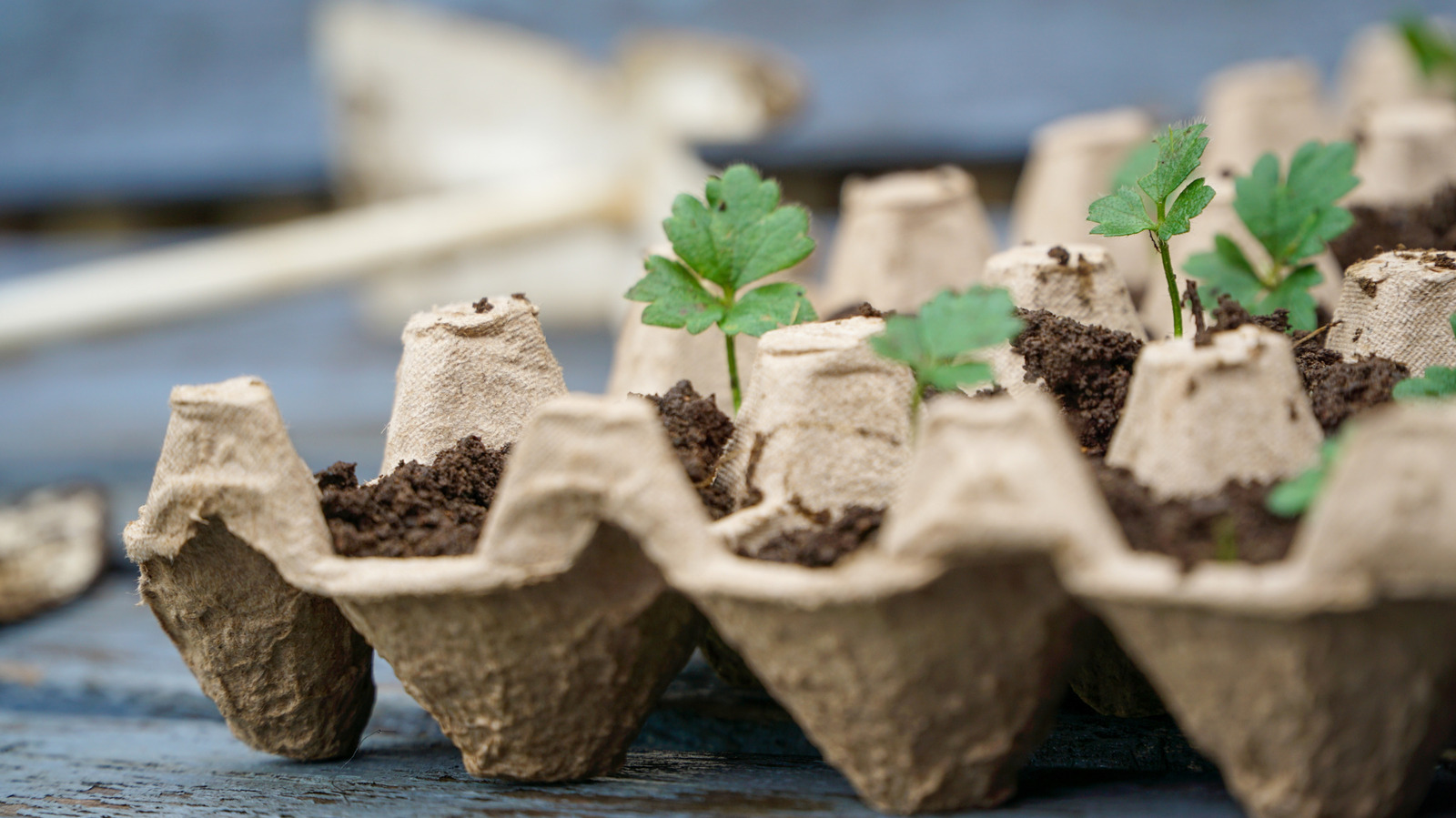
Starting plants from seed extends your relationship with the garden, gives you more control over seed sourcing, and saves real money compared to buying nursery starts, sometimes as much as 90% per plant.
The Colorado River is an interconnected system, sustained by Rocky Mountain snowpack, rainfall and groundwater. It is fragile, and under increasing stress. Two and a half decades into this century, the river that built the modern West has 20% less water flowing through it than it did on average in the last century. As heat and drought intensify, so do the stakes: Failure to recognize the severity of changing conditions, managing the river in parts without considering needs of the whole and inadequate planning for long-term shortages put the future of all the basin at risk.
As concepts such as "regenerative" and "biodynamic" continue to enter the mainstream coffee lexicon, scientists continue to literally dig into the soil to give them meaning. A recent peer-reviewed study from India's Western Ghats argues that one of the clearest signals of healthy, sustainable coffee farms lies in the ground itself, with organic coffee soils performing better than soils from conventional farms treated with synthetic inputs.
"I've been with Syngenta for 28 years," Ramachandran says, noting that early travels across Canada shaped his passion for seed care. "What really stood out to me is seeing firsthand the passion, the resilience and the impact the growers made." Those experiences, combined with Canada's short growing season, continue to guide his work. "Everything that we have done... is around addressing those challenges, and how do we create solutions that are fit for purpose, for Canadian growers?"
People grow asparagus from crowns because it shortens the long wait times for harvesting. From seed, you'll need to wait three years before harvesting asparagus. Some people consider that a waste of time. The tradeoff is that you can keep harvesting every spring for up to 15 years or more. If you plant crowns, you get a one-year jump on things. However, those crowns may have soil-borne diseases you don't know about, so there is a risk involved. Seeds remove that problem.
To an unimaginable eye, a seed looks inert. Yet they are packed with genetic information and biological processes poised to unfold. All it takes is the right configuration of signals and stimuli from the environment to let them know it's time to dare to grow.