Social justice
fromFast Company
17 hours agoThe housing crisis is a storytelling problem
Zoning policies are framed as protective, masking their restrictive nature and appealing to emotions rather than facts.
Drivers were delivering packages in deadly heat with no air conditioning; part-time employees, the majority of UPS' workforce, have been unable to receive benefits. Wages aren't rising at the same rate as the cost of living.
The lawsuit was filed by Deshanae L. Brown, who alleges she was subjected to discrimination based on her race, sex, and disability, citing violations of federal and state laws including Title VII, the Americans with Disabilities Act, and the Family and Medical Leave Act.
"We have a great opportunity in our movements to learn how to be opponents without being enemies," says Tanuja Jagernauth. This perspective emphasizes the importance of maintaining respect and understanding even amidst conflict.
Every city contains two transportation systems. One is the visible network of roads, rail lines, sidewalks, and bus routes mapped in planning documents. The other is the invisible geography of privilege and exclusion embedded within it: the neighborhoods that received highways instead of parks, the communities whose bus routes were cut, the sidewalks that abruptly end at the edge of a district.
A record high of adults—80 percent—believes that Americans are divided on the most important values. National pride, trust in government, and confidence in institutions are near record lows. The Princeton University historian Sean Wilentz says the United States hasn't been this divided since the Civil War. Nearly half of Americans think another civil war is likely in their lifetime.
Work, in the words of Karl Marx, is a "means of life" in two senses. It is, first of all, an instrument for human life. It is the activity by which we reproduce ourselves from day to day, from year to year, from generation to generation. But work also forms, so to speak, much of the matter of human life, at least for most people in any society with which we are familiar.
Putting on makeup. Like, we're supposed to disguise ourselves; otherwise, people think we didn't take this outing seriously, didn't care enough, or didn't act professionally. In some ways, beauty standards are social obligations. Keeping up with nails, clothes, hair, etc., that's almost an expectation in some relationships.
The air feels heavier. And the struggles are changing shape. Beyond my office walls, the world is shifting, and my clients sense the tremors. The things they once trusted, global order, democratic norms, and even their own personal safety, no longer feel solid. They feel brittle, as if one strong wind could bring it all down. And what they're sensing isn't imagined.
Everything is changing, and in the face of that, America is failing. Over 90,000 souls have paid for our failing. Millions more are living in terror for their livelihoods and their families. But Covid-19 isn't a technology problem, or a science question, or a supply chain issue, or even a question of doctoring. This challenge is public health, and that is something we've been failing at for a damn long time.
The New York City Housing Authority (NYCHA) needs an estimated $78 billion in capital repairs over the next 20 years across its more than 2,500 buildings, according to its 2023 Physical Needs Assessment. The hefty price tag-which increased by more than 70 percent since the previous assessment was conducted five years earlier, in 2017- "reflects deteriorating conditions of NYCHA's infrastructure following decades of federal disinvestment and significant price escalation in the construction sector over the last few years," housing authority officials said. Those costs include needed lead-based paint and asbestos abatement, upgrades to heating and hot water systems, plumbing, building facades and windows, and renovations to individual apartment interiors.
Growing up outside Manchester, I remember watching my mum count out exact change at the supermarket checkout, keeping a running total in her head as she shopped. Meanwhile, my university roommate would just toss things in his trolley without a second thought. That's when it hit me: Financial security isn't just about having money. It's about the mental space that money creates.
A friend recently told me a story that made this reality impossible to ignore. Her elderly parents live near an elementary school not far from the nation's capital. For several years, they had been quietly raising money to provide groceries and basic supplies for families whose children were going hungry. When Republicans suspended SNAP benefits, the need surged overnight. What had been a steady act of care suddenly became an emergency response.
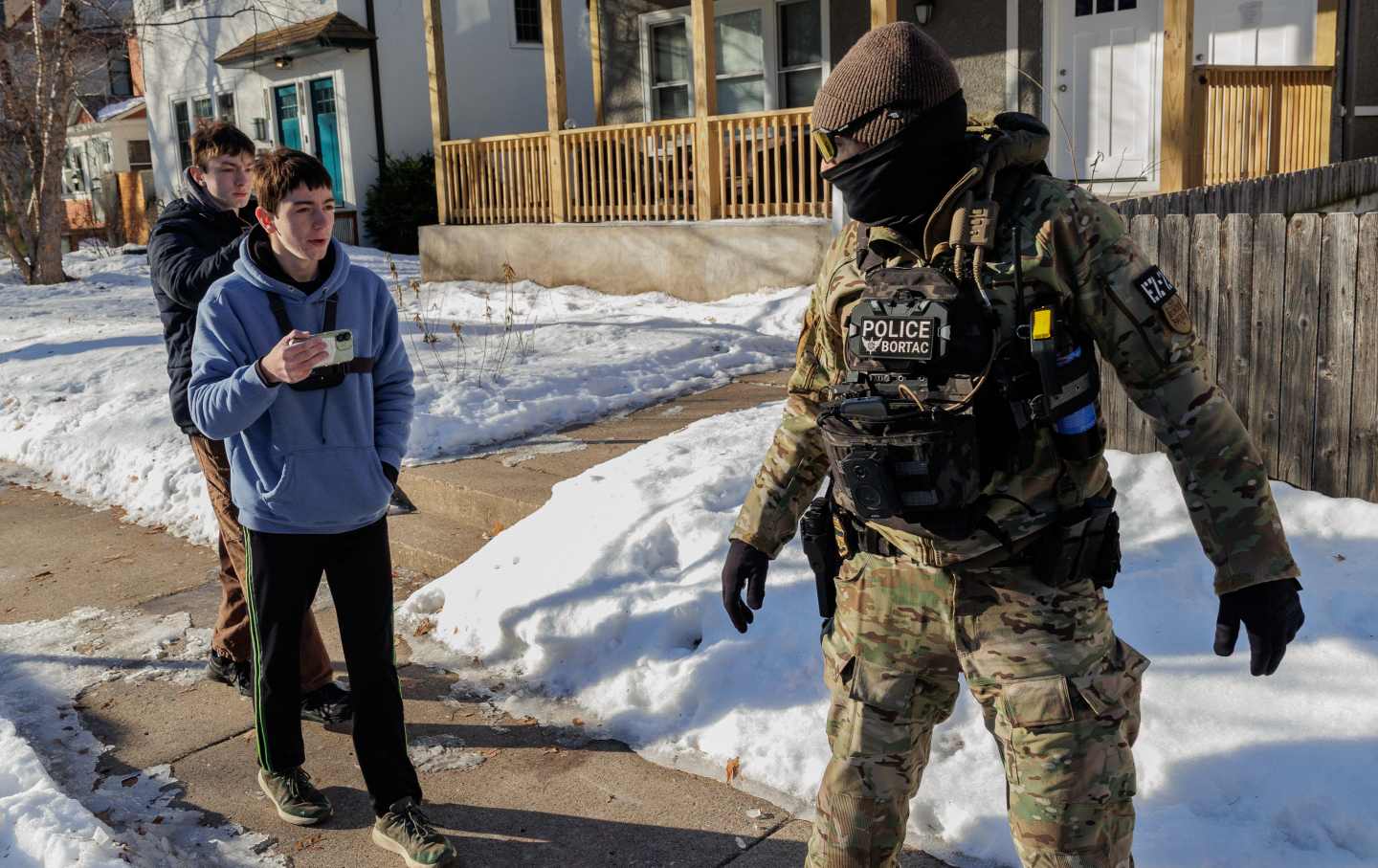
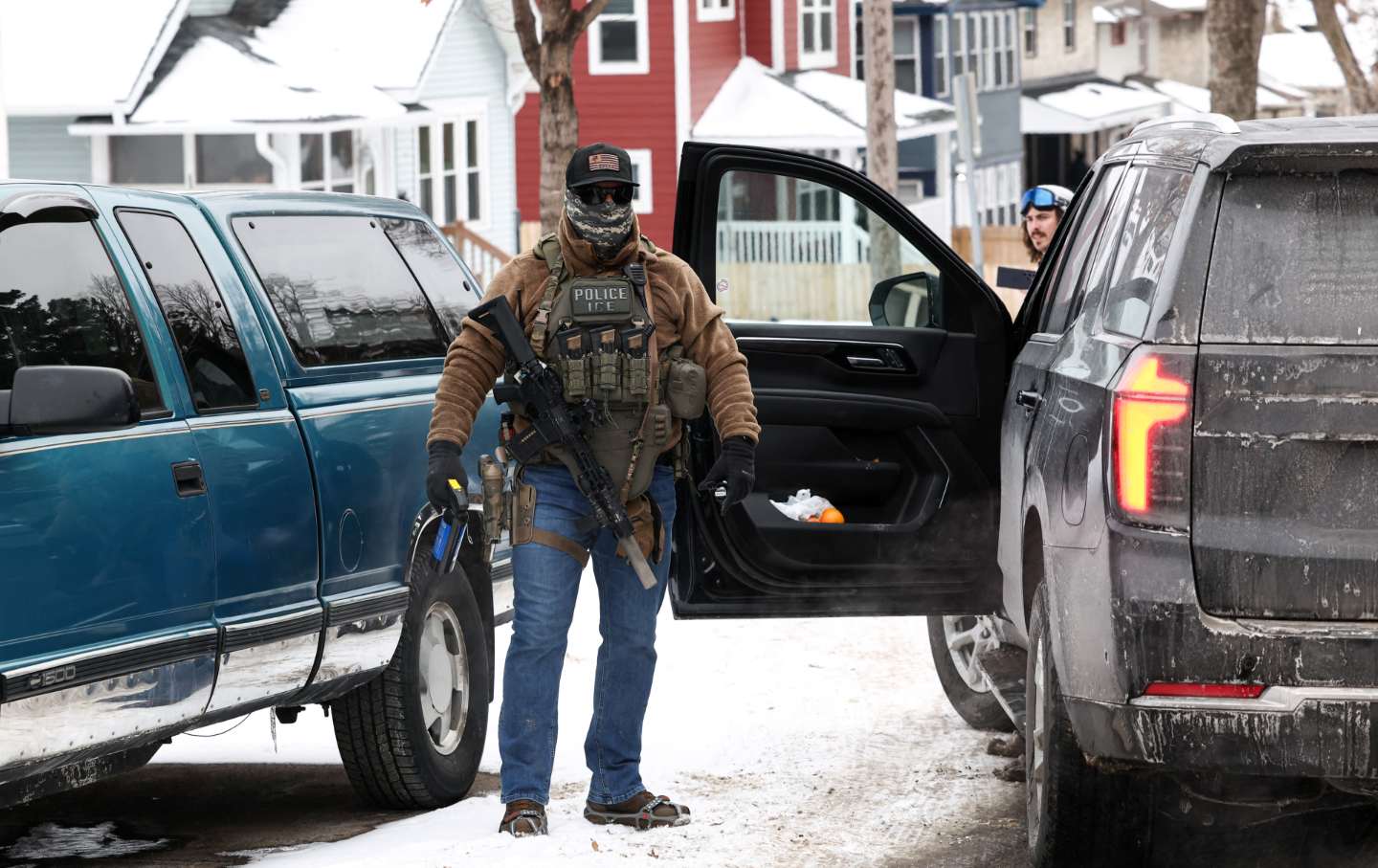
Like us, you may feel paralyzed in the face of the relentless images of violence we see every day. Suffering children, military occupations, the devastated neighborhoods, the cries of parents mourning their dead-these scenes haunt us. Whether it is happening in Palestine or Minneapolis, we are witnesses to suffering, and that witnessing takes a heavy toll. Clearly, the devastating situations in the West Bank and Gaza and in Minneapolis differ