#speed-painting
#speed-painting
[ follow ]
#art #contemporary-art #photography #creativity #painting #art-exhibition #san-francisco #exhibition #public-art
fromdesignboom | architecture & design magazine
2 days agolook back on olympus perspective playground: a traveling series of room-sized dreamworlds
The Olympus Perspective Playground operates as a fully built system, where walls, lighting rigs, circulation paths, and signage are developed together with each installation, creating a continuous spatial script.
Berlin
fromArtnet News
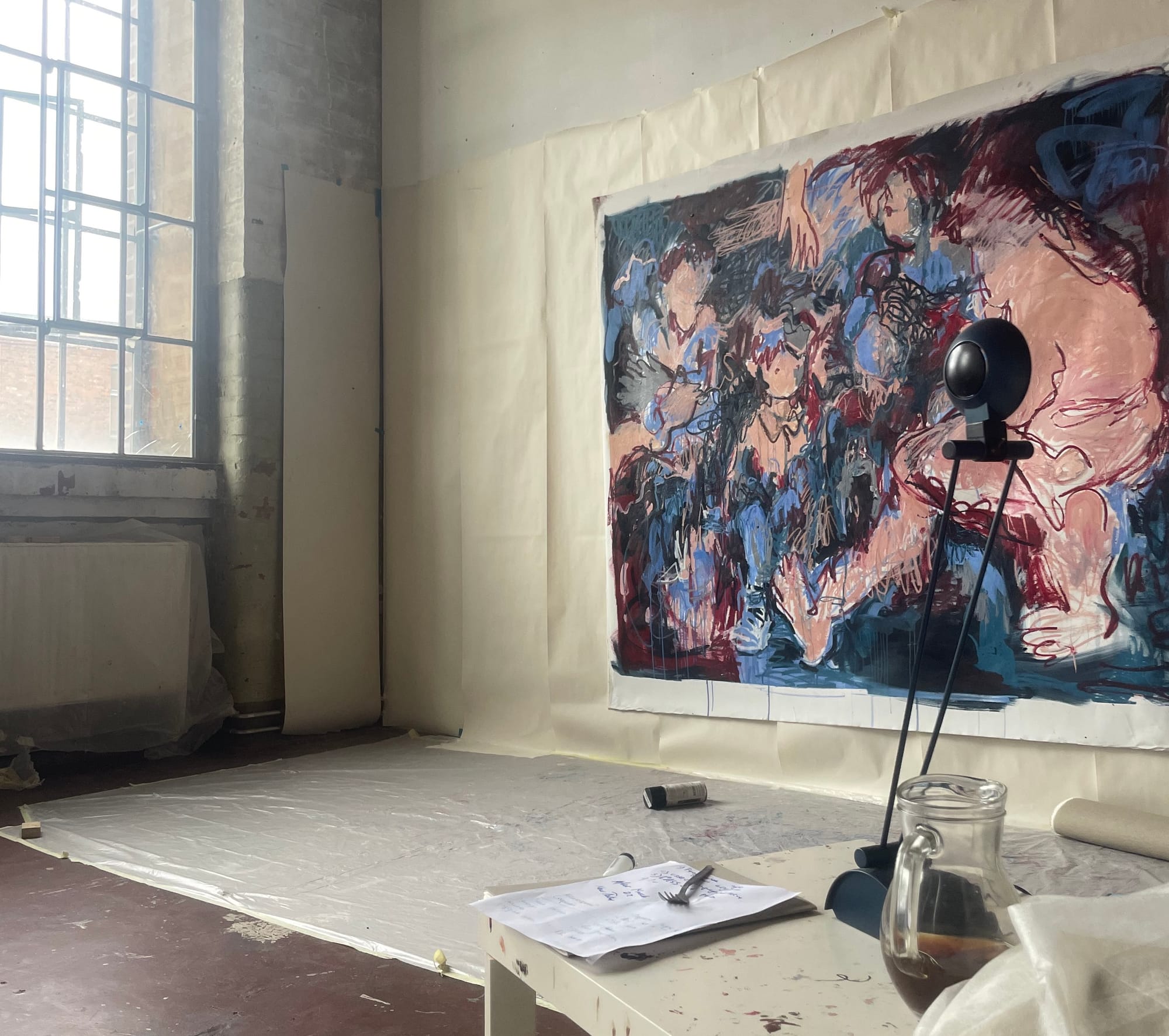
2 days agoPainting Has Entered Its Performance Era | Artnet News
Much of Instagram's video content is organized around transformation-the virtual magic of the before-and-after and clips that show cause and effect. A person makes pasta from scratch in 20 seconds via edits that compress time-intensive labor.
Arts


#art


Arts
fromIrish Independent
2 weeks ago'You have to step in and experience it' - artists on the rise of AI-generated art and the 'essential' gallery visit
Miriam Fitzgerald Juskova's exhibit combines paper quilling with mathematics, showcasing intricate art that engages viewers and emphasizes the value of handmade creations.
Design
fromdesignboom | architecture & design magazine
2 weeks agoartwork uses floating fabric corridor and bodily movement to visualize climate change
Ryo Yamada's Perception Corridor is an immersive installation in Edinburgh that explores perception and environmental awareness through a 40-meter fabric corridor.
Arts
fromThe Art Newspaper - International art news and events
15 hours agoMuseum openings: V&A East and Los Angeles County Museum of Art. Plus, William Blake in Dublin-podcast
V&A East and LACMA have recently opened, showcasing community-driven programming and a new architectural design, respectively.
fromThe Art Newspaper - International art news and events
1 day agoArtist interview: Sarah Rosalena
I see myself first and foremost as a weaver working at the intersection of craft and technology. As an Angeleno, I grew up learning how to weave in the Wixárika tradition of my matriarchal bloodline by watching my mother and my grandmother.
Arts
Arts
fromdesignboom | architecture & design magazine
2 days agoactivated space: allan kaprow's happenings and their afterlife in immersive environments
Allan Kaprow's 'happening' redefines art as an event involving space, body, and instructions, emphasizing active participation over passive observation.
Arts
fromThe Art Newspaper - International art news and events
2 days ago'It was my job to create the view': US artist Liza Lou on making colourful works in her windowless warehouse
Liza Lou's artistic journey emphasizes the significance of color and materiality in her work, blending oil painting with glass beads.
fromOregon ArtsWatch * Arts & Culture News
5 days agoArt on the Road: Monet and Venice * Oregon ArtsWatch
The stellar collection of 30-plus Venice paintings from the artist's 10-week visit in 1908 is smartly framed by additional materials. Visitors get exposed to historic photographs of the city, as well as of the Monet couple visiting, and are provided with lots of quotations from the artist about his approach to art, process and subject.
Arts
fromMedium
2 months agoCan you run out of creativity?
There's a particular kind of panic that hits when you're facing a creative problem, and the well just feels... empty. Every idea seems stale. Every solution feels recycled. And the question creeps in: Have I finally used up all my good ideas? Maybe it's your third attempt at solving the same design problem, and every solution feels like a pale echo of something you've already tried. Or perhaps you've been churning out work for months, and suddenly the spark you used to rely on? Gone.
Psychology
fromBoard Game Quest
2 months agoSand Art Review
Sand Art is a game by Kory Jordan and published by 25th Century Games for two to four players ages 10 and up. It takes about an hour to play, and has you collecting resources and then coloring in a bottle, making art in a bottle out of sand, in case the name didn't give away the plot. Gameplay Overview: Sand Art has you gathering and mixing sand, which is used to fill your bottle.
Board games
Miscellaneous
fromThe Art Newspaper - International art news and events
1 month agoComment | Art is more than its original context
Understanding art's original context enriches appreciation, yet modern viewing conditions and lost contexts require adapting how we engage with artworks across different settings and time periods.
Photography
fromdesignyoutrust.com
1 month agoStunning Digital Storytelling Landscapes By Prismofpixels, Turning Quiet Streets And Town Squares Into Cinematic Moments Of Color And Light
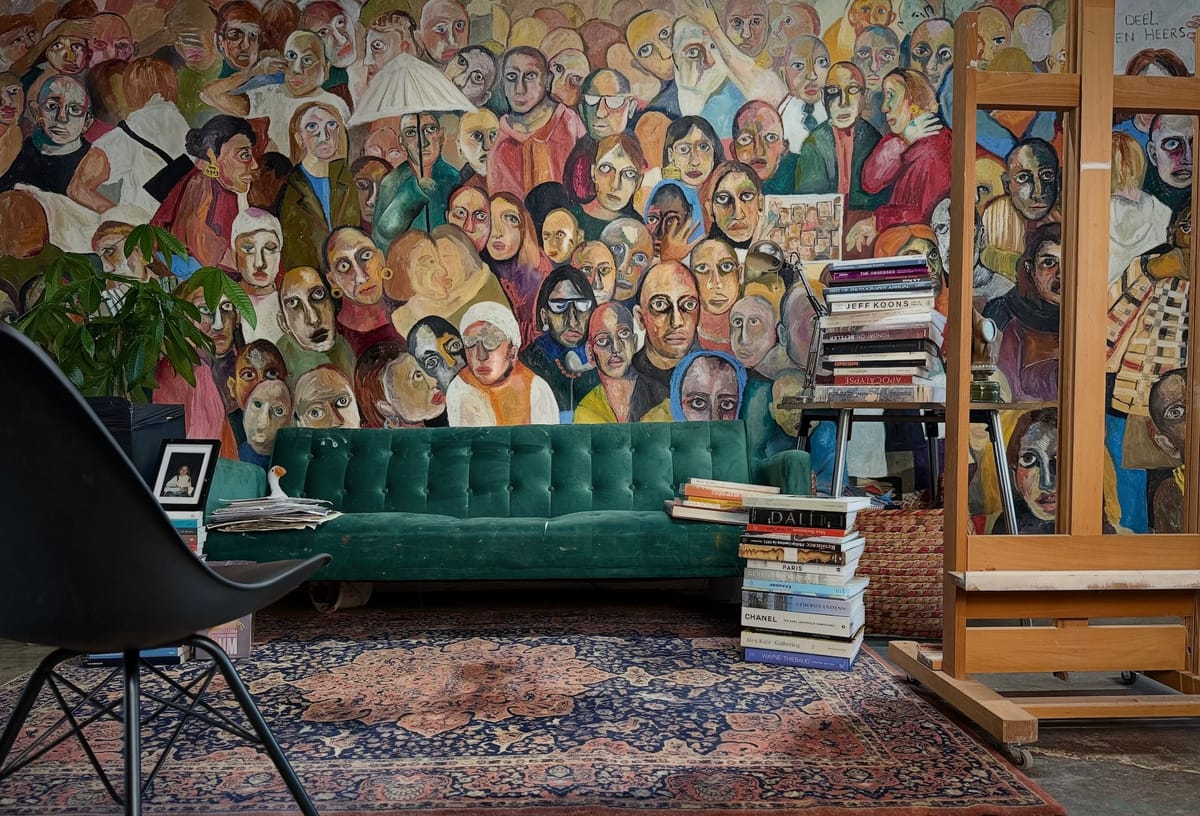
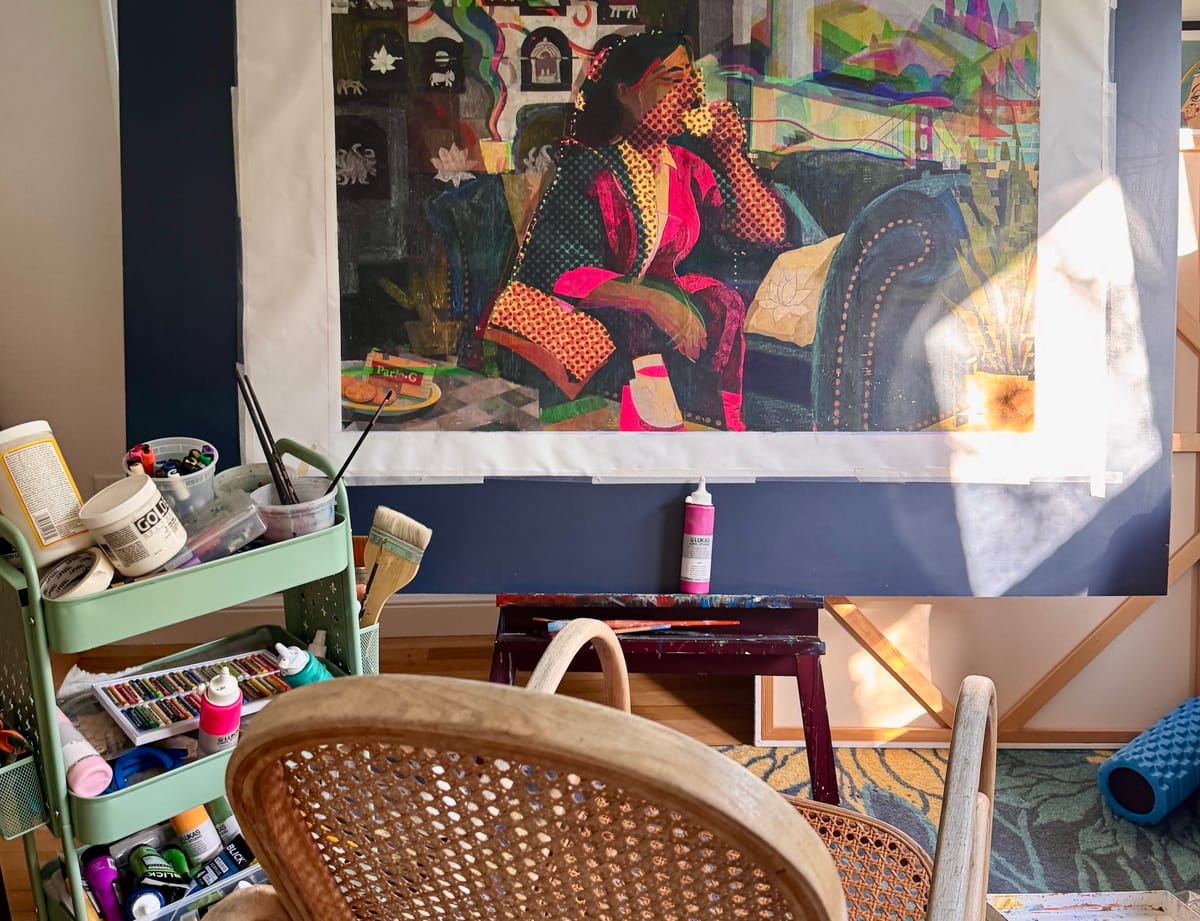
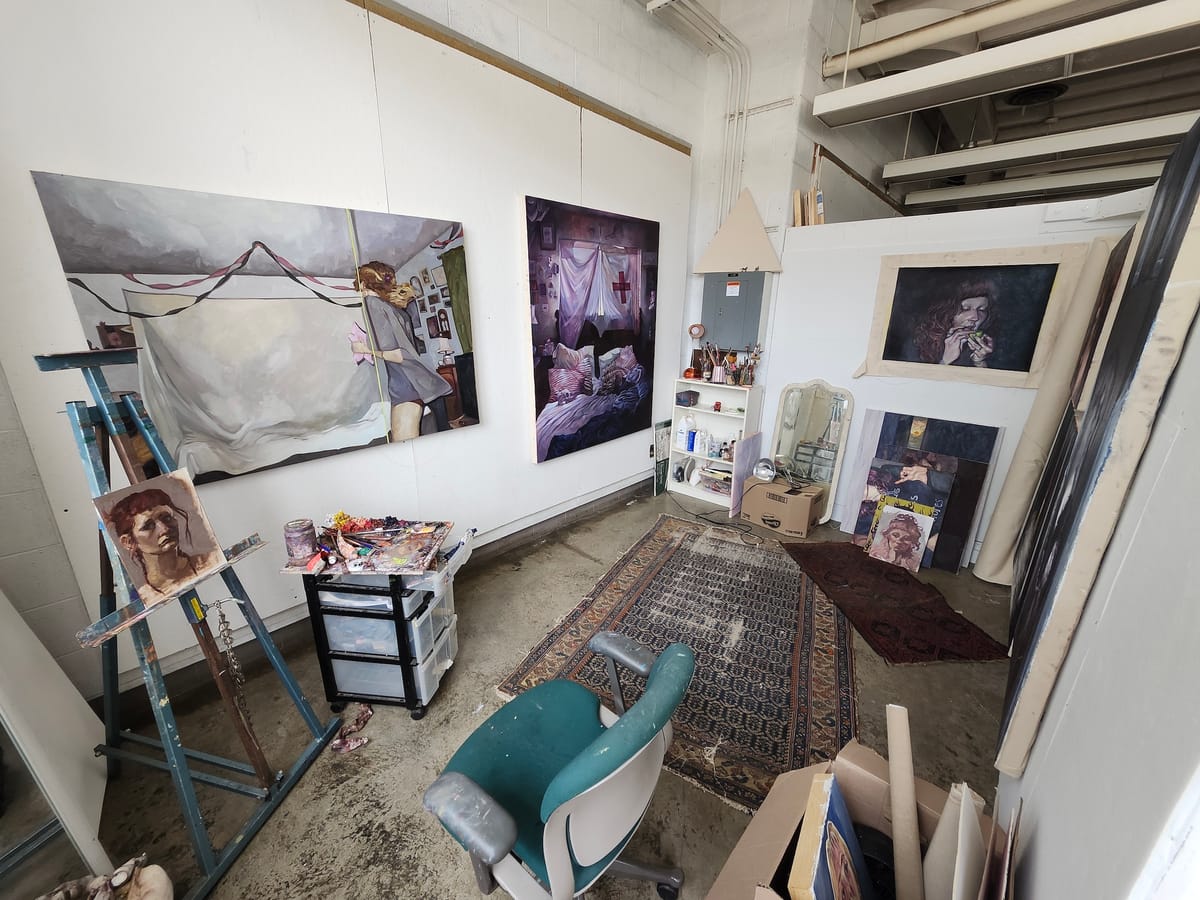
A curated collection of diverse visual works spanning paintings, photography, design, and historical images across eras, genres, and artistic mediums.
fromHyperallergic
1 month agoEmbracing Friction in the Art World
On Franklin Street in Brooklyn's Greenpoint neighborhood, one non-commercial gallery fosters 'a small, stubbornly human space for friction.' Friction—the ubiquitous buzzword that captures the simultaneous delight and discomfort of doing things the slow way—is at the heart of artists Pap Souleye Fall and Char Jeré's current show at Subtitled NYC. It also reflects the overall spirit of this little exhibition space and of a burgeoning movement to reject our culture of optimization in favor of a bumpier, more intimate, less alienating experience.
Arts
fromHyperallergic
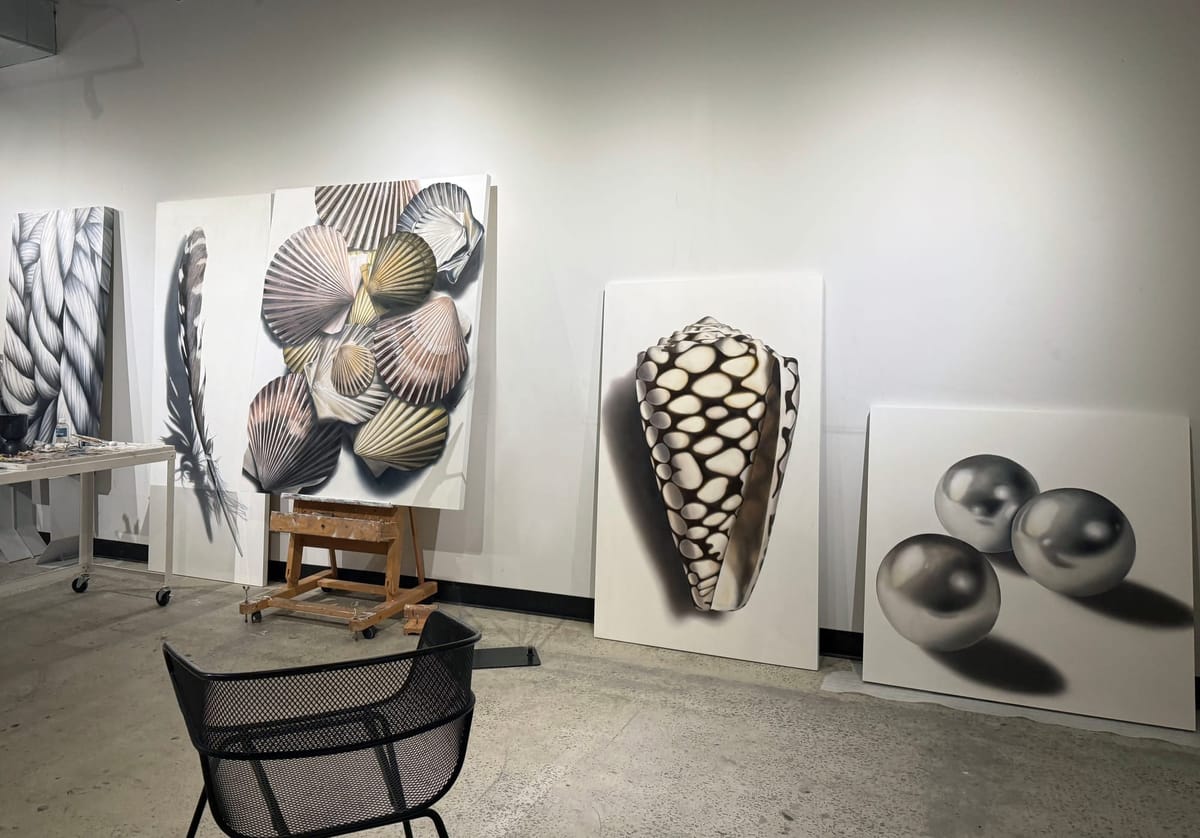
2 months agoA View From the Easel
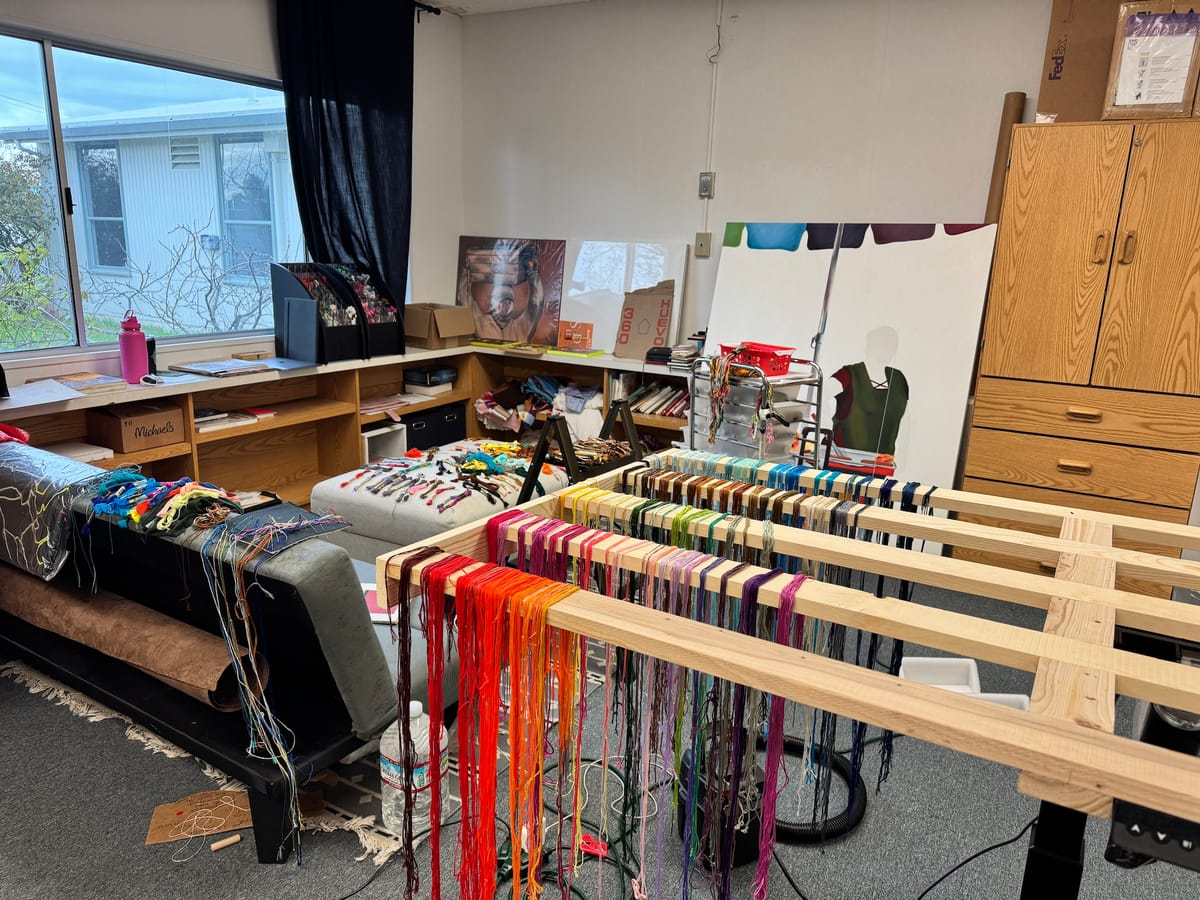
Mornings are best for concentrated work. In the winter, I turn on the heat at 8am and get started around 10am. Summer, I start around 9am. I have two areas in the studio for projects. The large, heavy wood sculptures are carved in the front section of the studio, closest to the roll-up wide door. Smaller sculptures are placed on a hydraulic workbench. Before I start, I focus, connect with the Source, and ask for guidance.
Arts
Arts
fromdesignyoutrust.com
2 months agoArtist Paints Smoky Lounges And Quiet Strangers, Letting Halffinished Details Turn Viewers Into Coauthors Of The Scene
A wide-ranging visual roundup showcases creative reinterpretations, vintage design, activist art, photography, illustration, and humorous cultural works spanning contemporary and historical styles.
Arts
fromThe Art Newspaper - International art news and events
2 months agoNew experimental art organisation opens in New York
Summer Guthery and Francesca Sonara launch Times, a small, nimble three-year Manhattan art space prioritizing artists' needs, flexibility, and rejection of perpetual-growth institutional models.
Arts
fromSilicon Canals
2 months ago8 signs you appreciate art, music, and culture on a deeper level than most people - Silicon Canals
Some people experience art deeply, reacting emotionally and perceiving subtle artistic cues that reveal heightened sensitivity and meaningful connections to creative expression.
fromThe Good Life France
1 month agoStreet Art rules in France - The Good Life France
If you've walked around any of France's cosmopolitan cities in recent years, you're sure to have come across some stunning murals. Painted onto the side of buildings, in hidden corners, and just about anywhere an artist can paint, street art is booming. We're not talking old-school graffiti here, hastily sprayed names on walls, and anti-social stuff like that. Today's street art is commissioned by city or town councils and created by prominent street artists from around the globe says Suzanne Pearson.
Arts
fromOregon ArtsWatch * Arts & Culture News
2 months ago'It's Not All About Me': Three Portland icons make a winning show * Oregon ArtsWatch
With most of us, 90 minutes of reminiscing wouldn't make for scintillating theater. Gert Boyle, as played by Wendy Westerwelle, is the exception to that rule. The late Gert came to fame when she took the reins of Columbia Sportswear after her husband's death in 1970 and also became the "One Tough Mother," with gray hair and glasses, of its comedic '80s and '90s ad campaigns. In one, she put her son, Tim, through a carwash to test the durability of a coat.
Arts
[ Load more ]