#syria
#syria
[ follow ]

fromwww.aljazeera.com
1 week agoFrom exile to judge: Symbolism in Syria's trial of Assad, former officials
Fadel Abdulghany, the founder of the Syrian Network for Human Rights, emphasized that the moment carries deep symbolic weight, as a judge once sentenced to death by the Assad regime has returned to apply the law to one of the regime's most documented violators. This reflects the promise of the rule of law, which is often unfulfilled in post-authoritarian transitions.
World news


fromwww.dw.com
1 month agoSyria: Wives of missing men push for legal reform
Fourteen years have passed since my husband went missing. I have long since lost hope that he will return. However, I am also unable to move on because his family intervened in court when I applied for a death certificate.
Social justice
World news
fromwww.theguardian.com
1 month agoMiddle East crisis live: Trump considering winding down' war as US eases sanctions on Iranian oil; Israel launches retaliatory strikes
Saudi Arabia continues to intercept drones, condemning Israeli strikes on Syria as aggression and urging international intervention.
World news
fromwww.aljazeera.com
1 month agoFive stories you may have missed amid US-Israeli war on Iran
A former Syrian colonel faces crimes against humanity charges in UK court for alleged repression of 2011 demonstrations, while Syria appoints a Kurdish YPG commander as deputy defence minister under a US-brokered reintegration agreement.
fromwww.aljazeera.com
2 months agoSyria moves out last residents of ISIL-linked desert camp
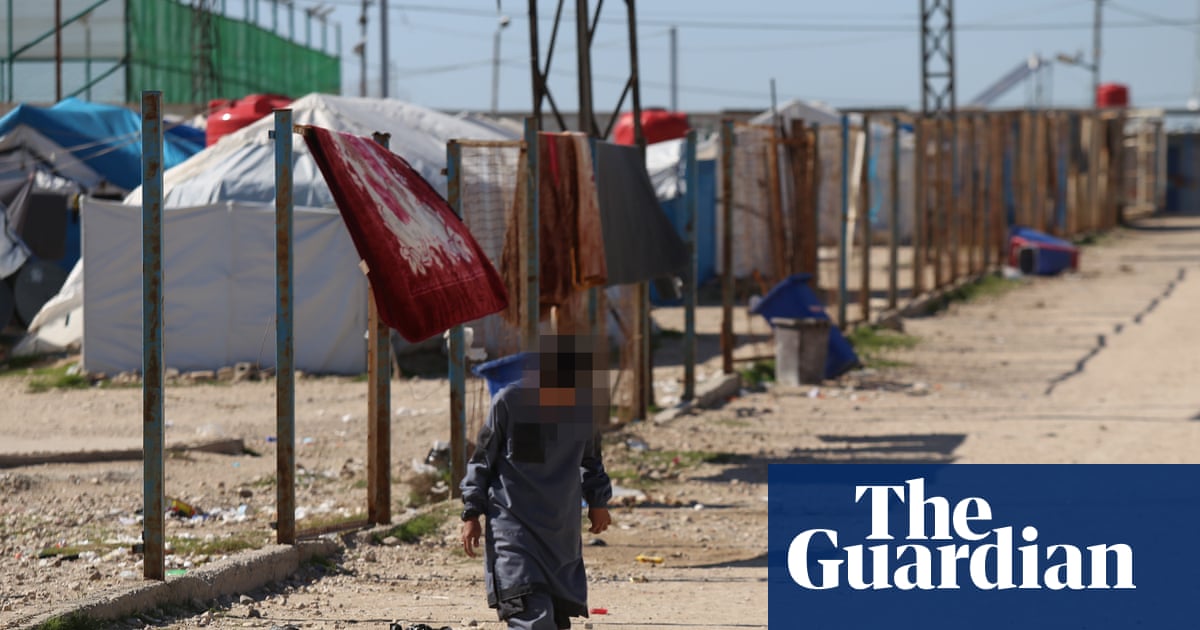
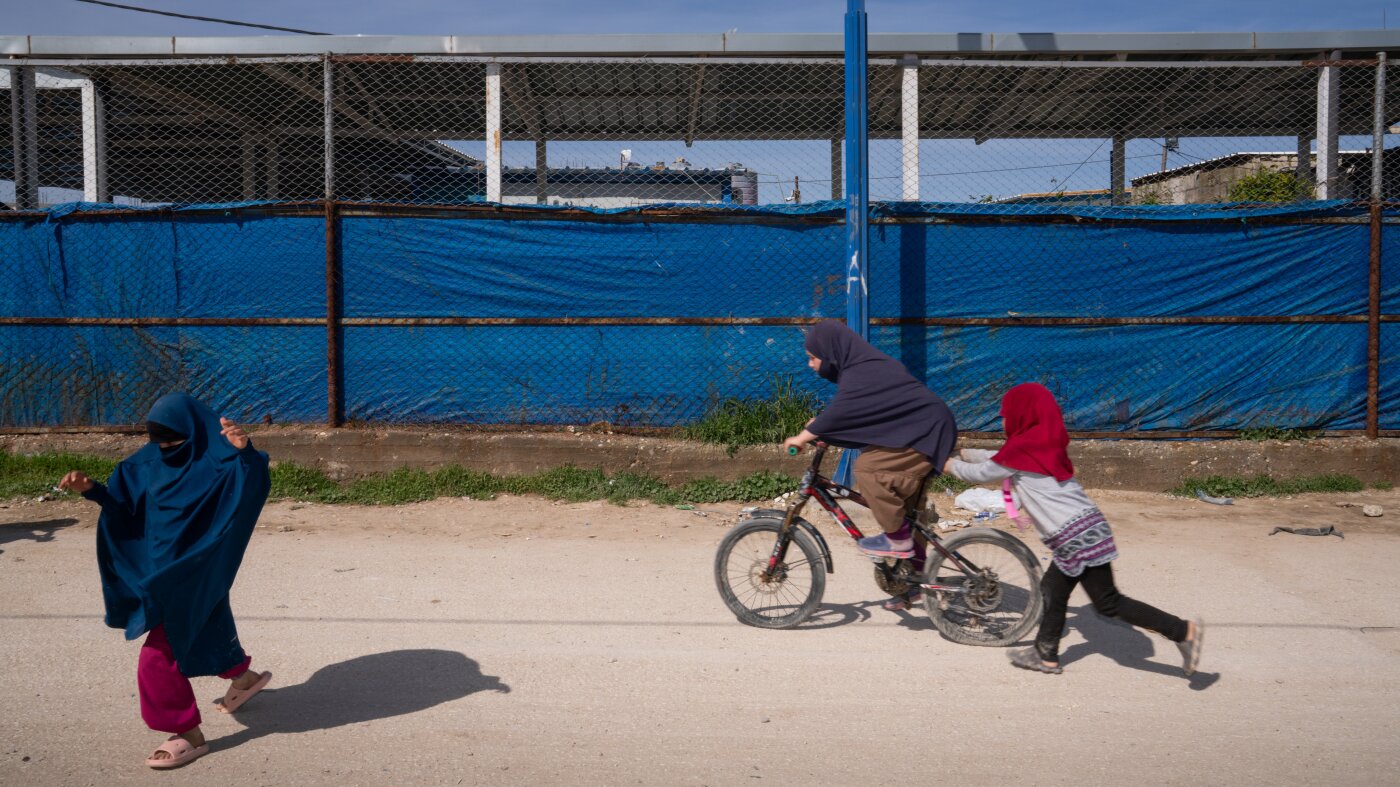
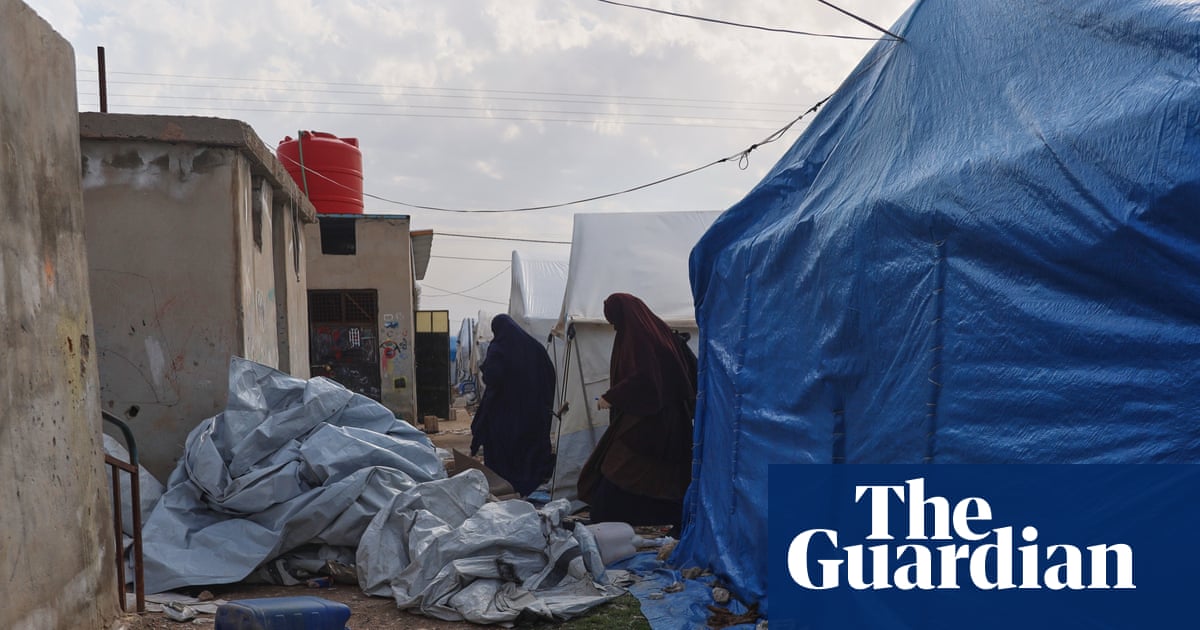
Official Fadi al-Qassem says all residents have left al-Hol camp, which long housed relatives of alleged ISIL (ISIS) members. Syrian authorities say they have fully evacuated and shut down a remote camp that once kept thousands of relatives of alleged members of the armed group ISIL (ISIS). The last residents were sent out in a convoy Sunday morning, according to Fadi al-Qassem, the Syrian government official overseeing the camp.
World news

fromDataBreaches.Net
2 months agoNew "Kurd Hackers Forum" Focuses on Middle Eastern Data Breaches and Leaks - DataBreaches.Net
Reza abasi notes that there is a new forum called the "Kurd Hacker Forum" that focuses on databreaches in Iran, Syria, and Turkey. The domain was registered January 28, 2026. The forum, which is on the clear net, looks like it has the same format as the classic BreachForums, with the same types of sections and subsections. The threads in the forum are either in English or Kurdish languages.
Information security



fromwww.dw.com
2 months agoGerman government pushes Syrians to return to their homeland
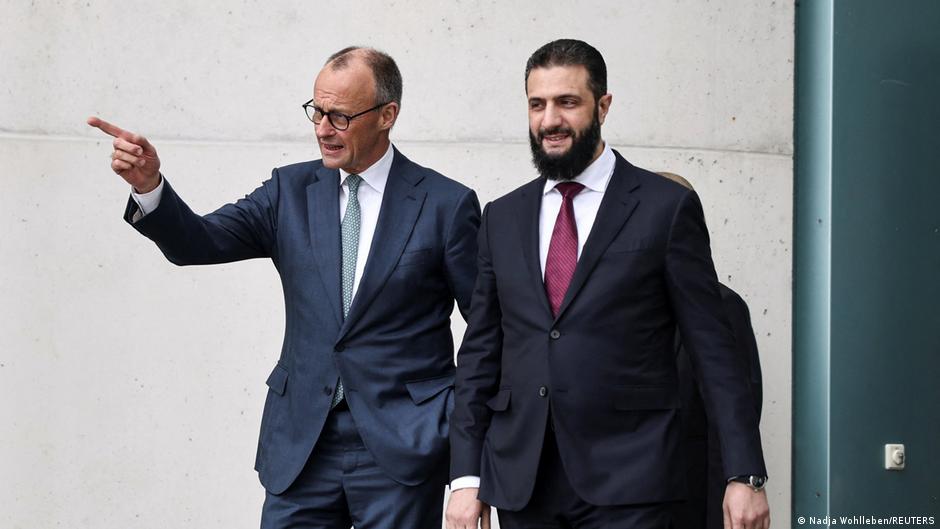
Of these, 3,678 of them have already gone back to their home country. For German Interior Minister Alexander Dobrindt, this is proof of the migration policy that he has been promoting: "Those who have no prospect of staying receive targeted support for their voluntary repatriation." This "targeted support" includes the cost of the flights and 1,000 (ca. $1200) per adult and 500 for minors.
Miscellaneous








World news
fromwww.aljazeera.com
3 months agoSyrian army offensive overjoys some, leaves others with existential' fear
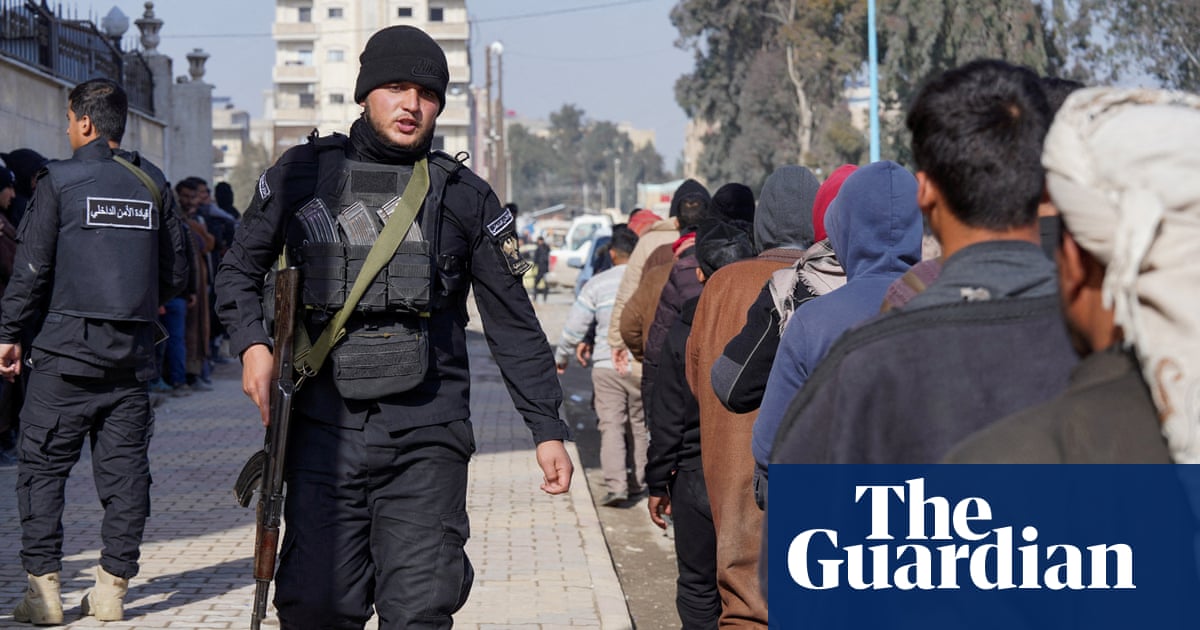
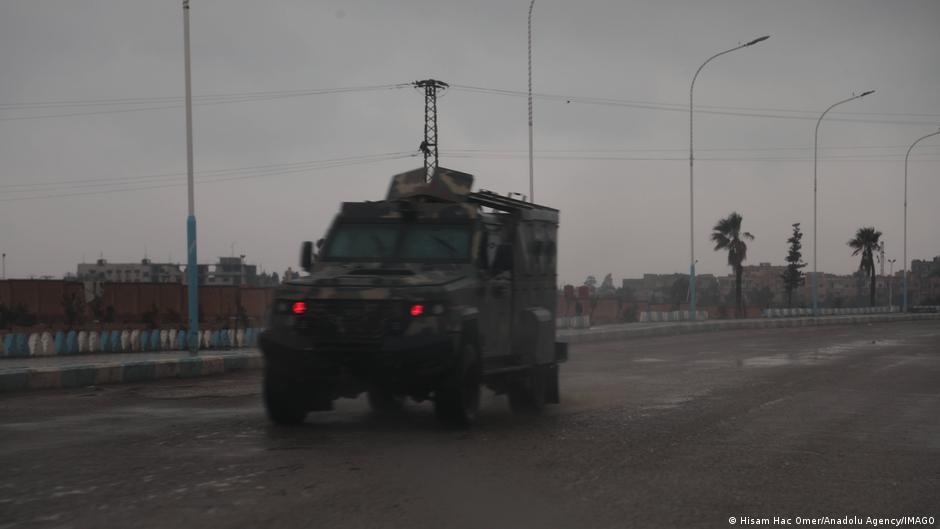
Northeastern Syria's handover from the Kurdish-led SDF to Syrian government forces divides communities: Arab-majority areas celebrate while Kurdish-majority areas fear reprisals and sectarian violence.



fromwww.dw.com
3 months agoUS begins transfer of IS fighters from Syria to Iraq
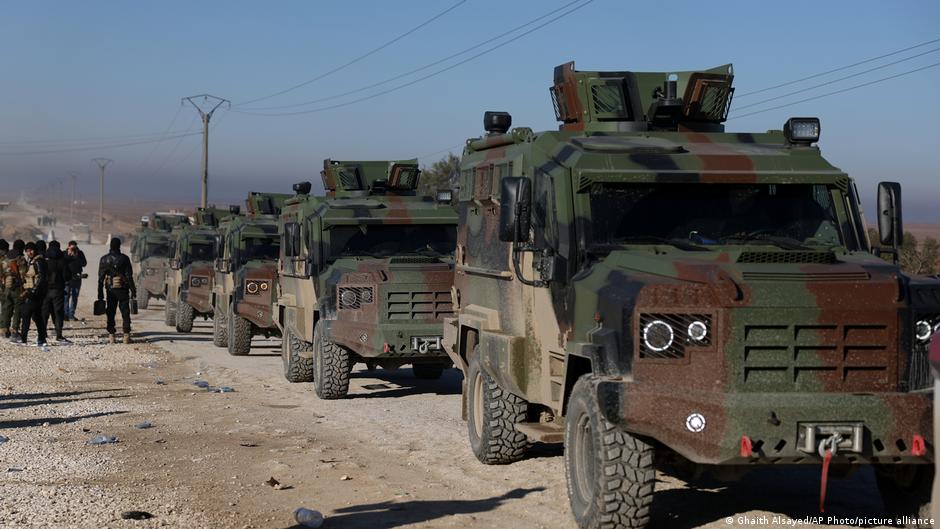
Syrian government forces entered areas of northeastern Syria over the weekend, in a move to expand its territorial control over the country, driving away Kurdish-led Syrian Democratic Forces (SDF) fighters who held the territory. IS fighters and their families were being held in prisoner camps overseen by the SDF, but as the Syrian army advance, the SDF said it had to abandon their post at northeastern al-Hol camp, holding mostly women and children, and al-Aqtan prison for IS fighters.
World news


fromwww.aljazeera.com
3 months agoSyria's war-ravaged oil sector faces tough road to recovery, analysts say
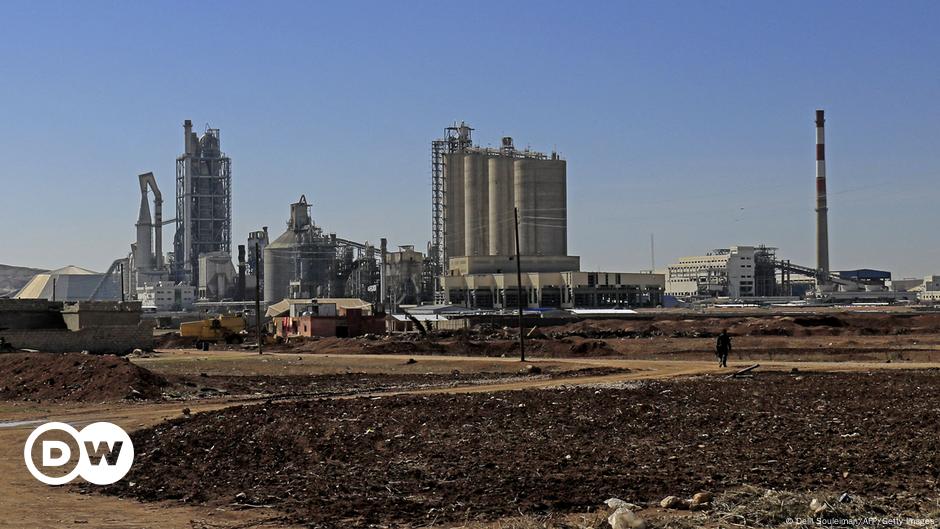
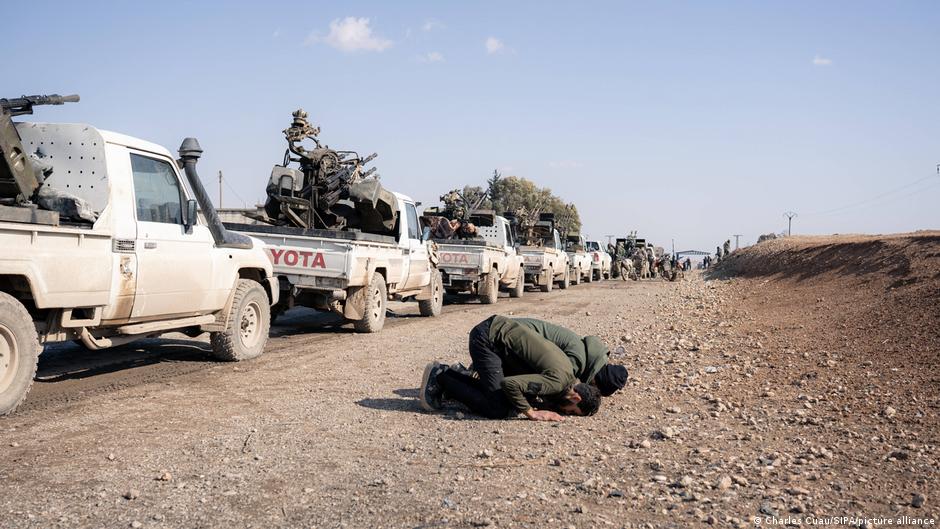
The Syrian government's takeover of key oil and gas fields from the Kurdish-led Syrian Democratic Forces (SDF) in the country's northeast has raised hopes for the revival of its dilapidated energy sector after years of war and international sanctions. Syrian officials announced on Sunday that the government forces had taken control of several oilfields, including al-Omar, Syria's largest, and the Conoco gas complex in the country's north and northeast.
World news
World news
fromwww.aljazeera.com
3 months agoPower lines and power struggles: Unpacking Syria's push towards unification
Government seizure of eastern oilfields and the Tabqa Dam transfers hydrocarbon control to Damascus, reshaping Syria's political economy and complicating reconciliation, fiscal recovery and stability.
World news
fromwww.theguardian.com
3 months agoSyrian army surges into Kurdish-held towns in betrayal' shattering prospects of accord
Syria's army seized large parts of the north, dislodging Kurdish forces and capturing Tabqa, major dams, and territories along the Euphrates after a stalled integration deal.
fromwww.npr.org
3 months agoUS launches new retaliatory strike in Syria, killing leader tied to deadly Islamic State ambush
A third round of retaliatory strikes by the U.S. in Syria resulted in the death of an Al-Qaeda-affiliated leader, who officials say had a direct tie to the Islamic State member responsible for last month's ambush that killed two U.S. soldiers and one American civilian interpreter in the country. U.S. Central Command announced that the strike in northwest Syria on Friday killed Bilal Hasan al-Jasim,
US news


fromwww.dw.com
3 months agoSyria: No end to conflict between Kurds, central government
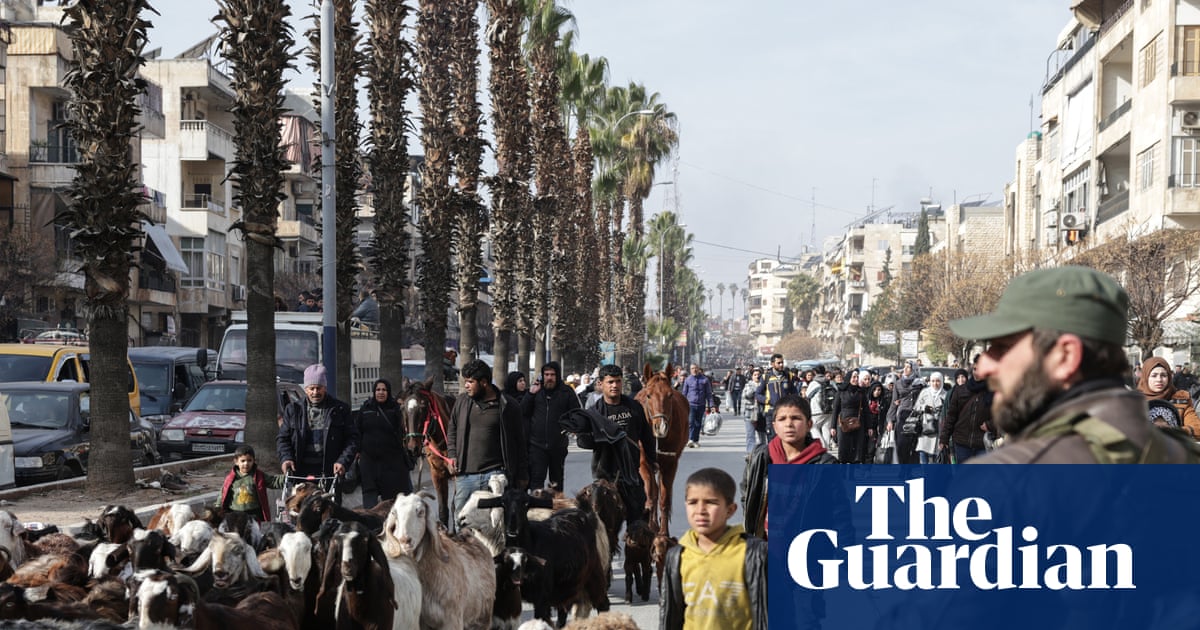
On Sunday, the Syrian government declared it had taken control over the areas Aleppo previously under the control of the Kurdish Syrian Democratic Forces, or SDF. And the Kurdish forces announced they were pulling back. During the fighting, buildings were destroyed, at least two dozen people were killed and reports say that more than 140,000 people were displaced. But then on Tuesday this week, the Syrian government accused the Kurdish paramilitary of regrouping
World politics
World news
fromwww.mediaite.com
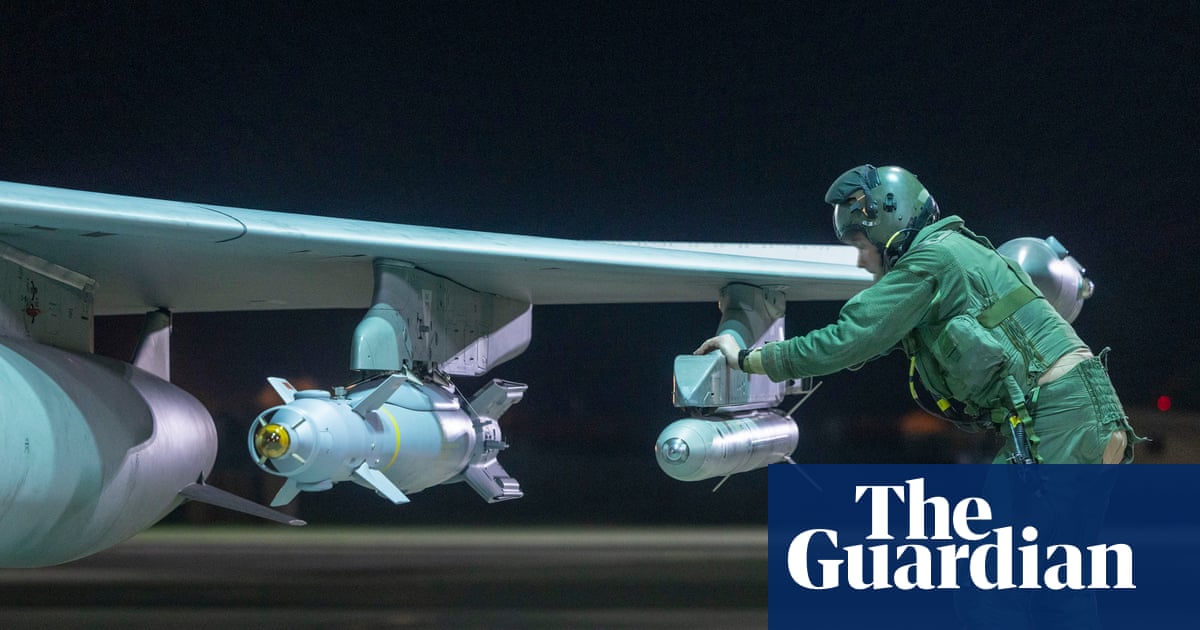
3 months agoTrump Administration Launches Large-Scale' Military Strikes Against ISIS in Syria: We Will Find You and Kill You'
U.S. forces conducted large-scale strikes across Syria under Operation Hawkeye Strike to retaliate for a Dec. 13 ISIS ambush that killed three Americans.
fromwww.aljazeera.com
3 months agoIs the Eastern Mediterranean becoming Israel's new front against Turkiye?
Two meetings, held almost simultaneously towards the end of December, offered a stark illustration of the competing strategic visions now shaping the Eastern Mediterranean and the Levant. In Damascus, Turkiye's foreign, defence and intelligence chiefs met Syrian officials on December 22 as Ankara continued to prioritise the consolidation of state authority and stabilisation after the fall of Bashar al-Assad's government in Syria.
World news
[ Load more ]