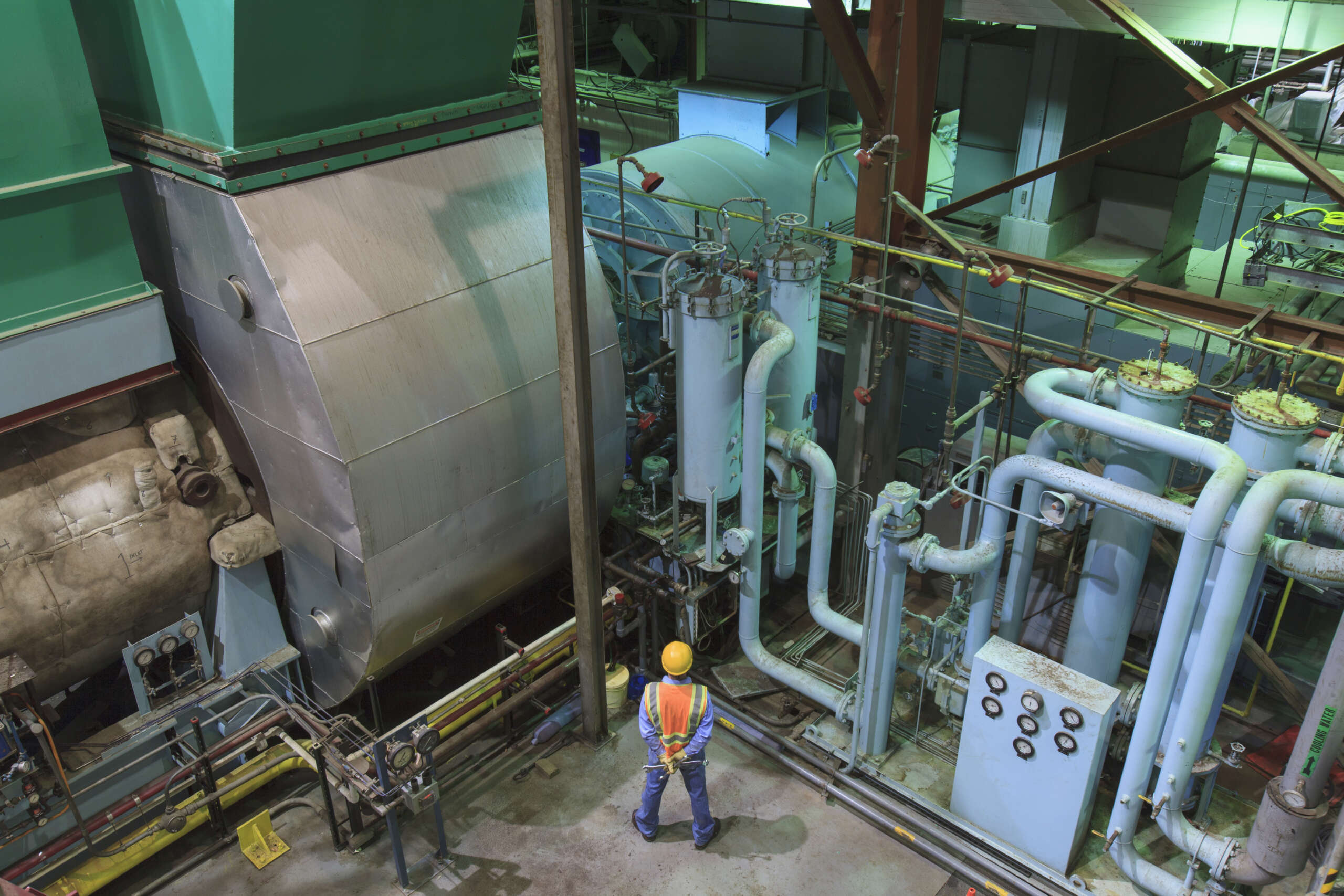
"Many of these data centers want the kind of flexible, around-the-clock energy associated with combined-cycle natural gas turbines. These heavy-duty machines burn gas to spin turbines and generate electricity, then capture the associated heat and use it to spin the turbines some more. As far as fossil fuel generation goes, they are among the most efficient options for dispatchable baseload power. But with demand for these turbines surging and supply increasingly tight, developers are turning to creative alternatives."
"Founded in 2014, the company set out to make air travel dramatically faster - up to twice the speed of today's passenger jets - while also aiming for a smaller environmental footprint. For years, Boom has focused on developing the high-performance engine technology needed to sustain supersonic flight. Though the company has not yet debuted its revolutionary jet, last year it identified a new and potentially lucrative application for its novel technology: generating electricity for the data centers powering the artificial intelligence boom."
Boom Supersonic developed high-performance jet-engine technology for supersonic airliners and repurposed that technology to generate electricity for AI data centers. Many AI data centers require flexible, around-the-clock power that combined-cycle natural gas turbines provide. Combined-cycle turbines burn gas to spin turbines, capture waste heat to generate additional electricity, and rank among the most efficient dispatchable fossil-fuel baseload options. Surge in demand and tightening supply for such turbines has pushed developers toward alternative solutions, including jet-engine gas turbines. Major commercial agreements now plan to deploy jet-engine turbines at data centers, signaling a significant natural-gas build-out with consequential climate impacts.
Read at Truthout
Unable to calculate read time
Collection
[
|
...
]