""I think we will see an Iran that is militarily weaker. There's no doubting the fact that Iran's airforce, Iran's navy have been hit very hard by the United States," said Karthika Sasikumar."
""They're even less likely now to give up their potential to have a nuclear weapons program than they were before these hostilities began," said Sasikumar."
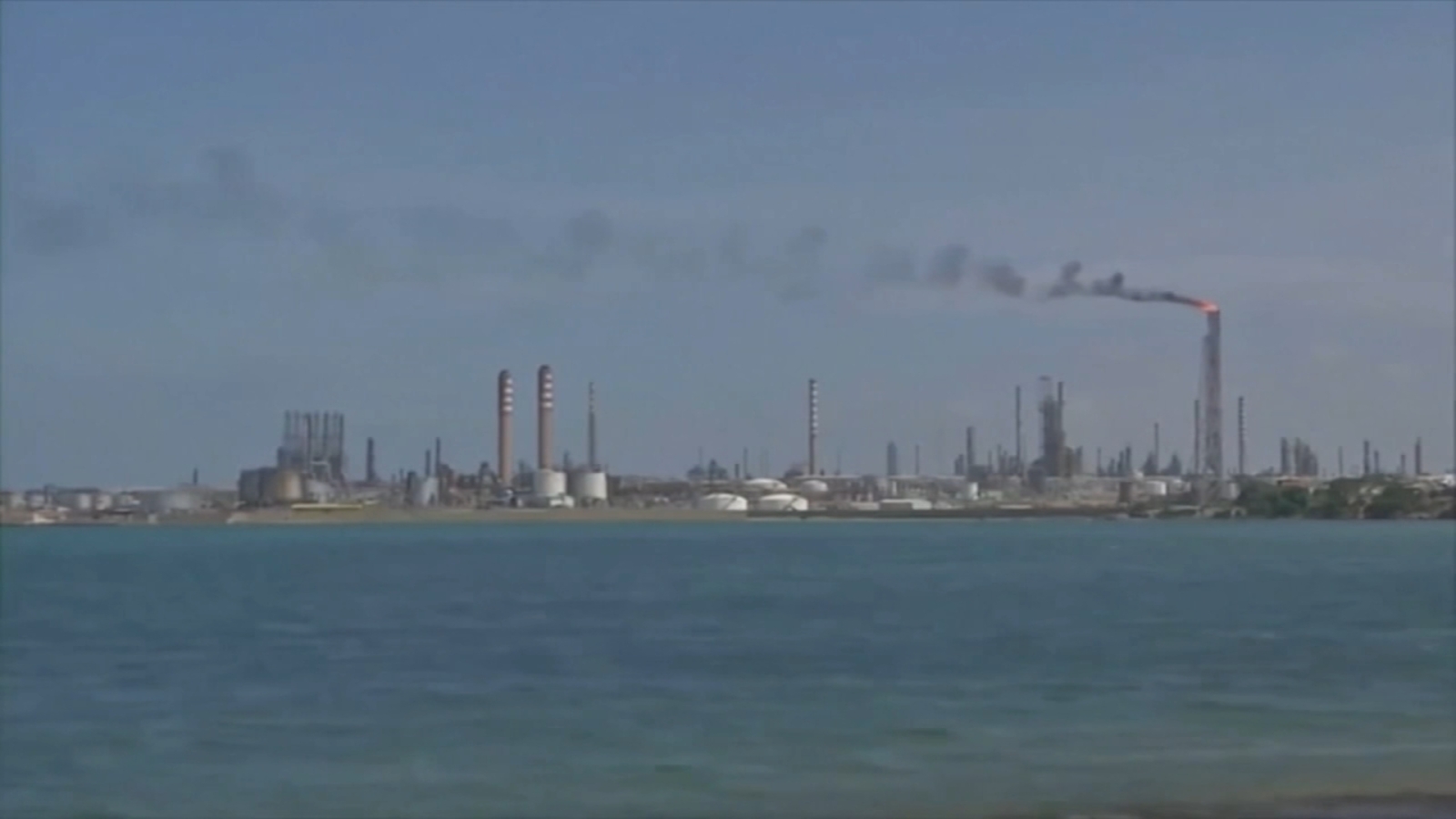
""Because, first of all, there's a lot of uncertainty about what's going to happen in two weeks. And, secondly, we don't know how much damage has been done to the oil fields and other oil infrastructure during this war," said Severin Borenstein."
""It's been a delicate balancing act for the United States. Depending on what happens next, the region could be in for a period of increased uncertainty," said Sasikumar."
The U.S. and Iran reached a temporary ceasefire after a month of war, just before a deadline set by President Trump. Political science professor Karthika Sasikumar noted that Iran's military capabilities have been significantly weakened. Key unresolved issues include access to the Strait of Hormuz and Iran's nuclear program. Oil prices have risen during the conflict but began to drop after the ceasefire announcement. UC Berkeley professor Severin Borenstein warned that it may take time for oil prices to stabilize due to uncertainty and potential damage to oil infrastructure.
Read at ABC7 San Francisco
Unable to calculate read time
Collection
[
|
...
]