#art-history
#art-history
[ follow ]
#exhibition #contemporary-art #modern-art #marcel-duchamp #women-artists #renaissance #performance-art
Paris food
fromThe Art Newspaper - International art news and events
1 day agoPleasure, parody and propaganda: rethinking the art of illustration in a new history of the genre
Illustrations serve as cultural references and advertisements, evolving from historical practices to modern interpretations in art and design.


Arts
fromThe Art Newspaper - International art news and events
1 day agoHow the adoption of canvas in Venice changed the way artists painted
The transition to canvas in Venetian painting revolutionized art, offering new materials and techniques that enhanced the quality and transportability of artworks.
Arts
fromThe Art Newspaper - International art news and events
1 day ago'It's really important that the public is not just a silent witness': Marina Abramovic on her Venice Biennale exhibition
Marina Abramović is the first living female artist to have a solo show at the Gallerie dell'Accademia, showcasing her transformative work alongside historical pieces.


Arts
fromThe Art Newspaper - International art news and events
5 days agoRare early photographs reveal lost sites featured in Van Gogh's paintings
Gustave Coquiot's photographs of Arles provide a historical comparison to Van Gogh's paintings, showcasing the evolution of the landscape and its significance.

fromwww.theguardian.com
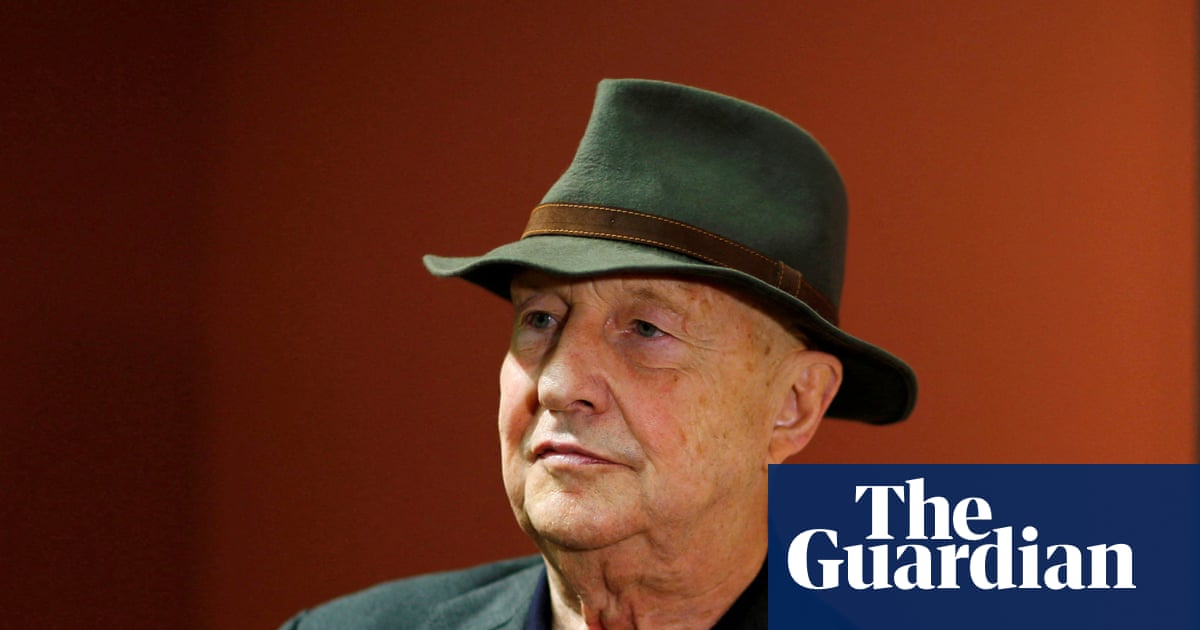
6 days agoReturn of Aparicio painting to Prado exemplifies trajectory of human taste
El ano del hambre de Madrid shows a group of emaciated, dying madrilenos nobly refusing the bread offered to them by French soldiers, demonstrating a perfect, if terminal, patriotism.
Madrid food
fromThe Art Newspaper - International art news and events
1 week agoWho is Gladys Hynes? Show reinstates forgotten artist who once represented Britain at the Venice Biennale
Gladys Hynes was a protean rebel slaloming through early 20th-century Britain's avant-garde circles, training as a landscape and figure painter and later designing for Omega Workshops.
London music

Paris food
fromThe Art Newspaper - International art news and events
2 weeks agoNew biography of Chaim Soutine pieces together illusive artist's life and works
Chaïm Soutine's legacy focuses on his unique artistic energy rather than emotional interpretations, aiming for his paintings to be recognized on their own merit.
fromThe Art Newspaper - International art news and events
2 weeks agoCaravaggio and Rubens works destroyed by fire in Second World War are brought back to (digital) life
The glass negatives have tremendous documentary value—not only for the museum and the collection itself but also for the public. They provide a crucial visual record of significant artworks that were lost.
Arts


fromThe Art Newspaper - International art news and events
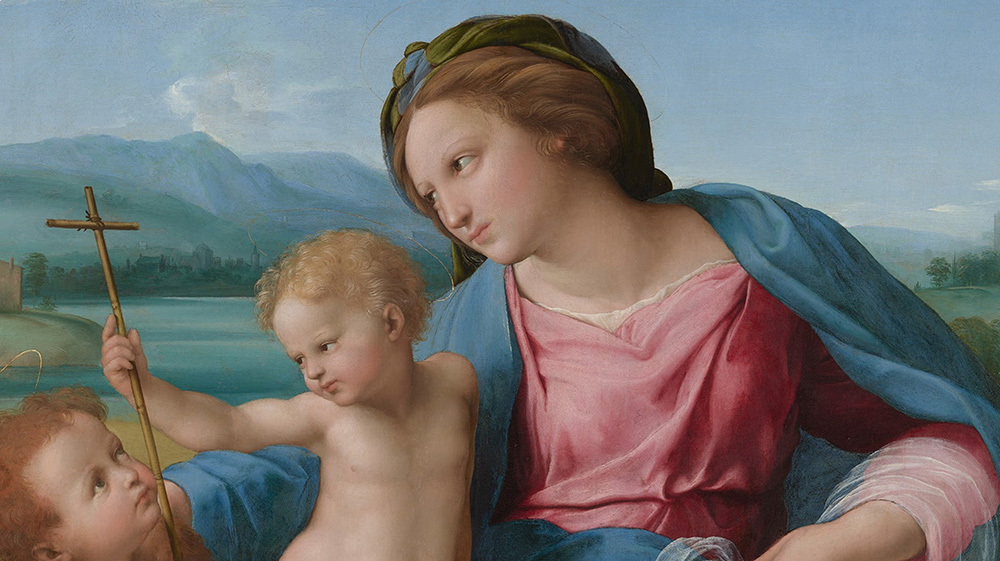
2 weeks agoSea change: inside LACMA's new curatorial strategy
"What was apparent was the values and gains that came from breaking down silos," says Britt Salvesen, the head of the museum's departments of photography and prints and drawings.
Arts
#renoir

Paris food
fromThe Art Newspaper - International art news and events
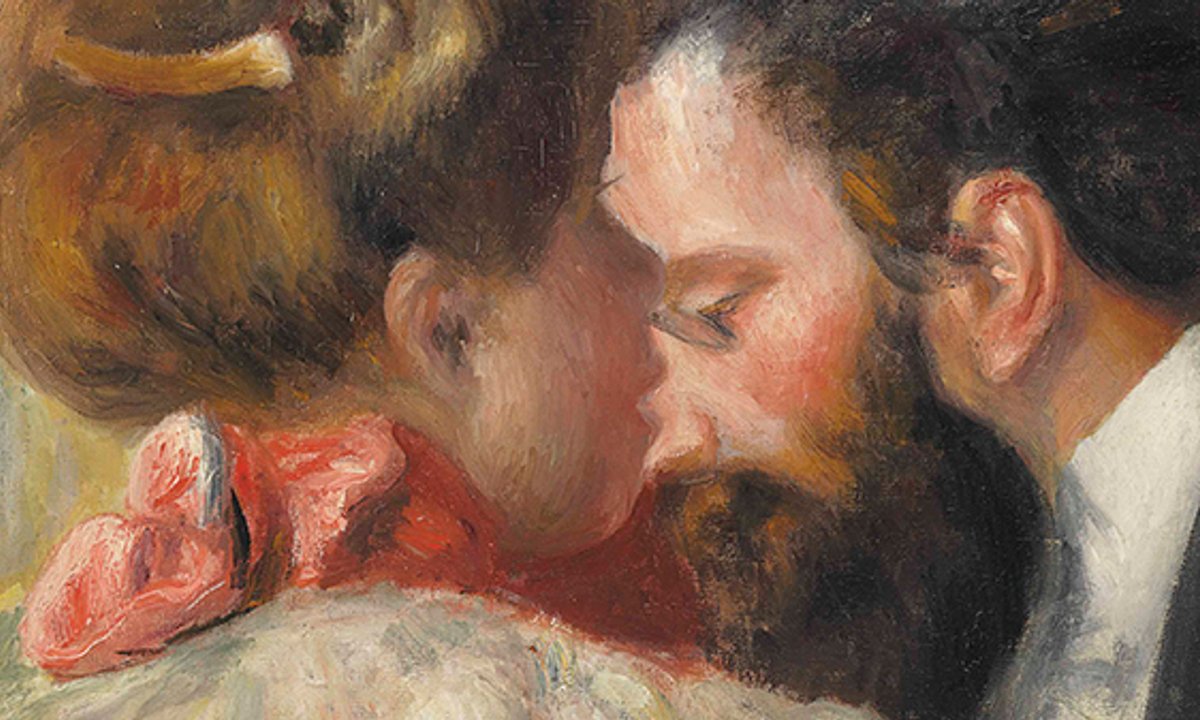
1 month agoTwo Renoir exhibitions at Musee d'Orsay explore the joy of human connection
Renoir was a resourceful, experimental artist whose early work capturing modern life established him as a founding Impressionist painter, though critics often dismiss his paintings as superficial without truly examining them.
fromThe Art Newspaper - International art news and events
4 weeks agoGeorge Costakis, collector and saviour of Soviet avant-garde art, celebrated with Athens exhibition
George Costakis spent three decades hunting down, and saving, thousands of Russian and Soviet avant-garde works of art-at a time when they were hidden, vilified by the state and at risk of disappearing into history.
Arts
Arts
fromThe Art Newspaper - International art news and events
1 month agoKeep it in the family: how Johannes Vermeer's paintings remained out of view for so long
Magdalena Pieters van Ruijven's collection of Vermeer paintings was unique in its preservation and scale, comprising nearly two-thirds of his known works.
Arts
fromThe Art Newspaper - International art news and events
1 month ago'The sharp perception only a woman can bring to observing other women': Dorothy Bohm's photographs go on show at Lee Miller's former home
Dorothy Bohm's exhibition 'About Women' showcases seven decades of her female-focused photography, highlighting her legacy as an influential woman photographer.
fromThe Art Newspaper - International art news and events
1 month agoBavaria restitutes Lesser Ury painting to the heirs of a Jewish banker
Curt Goldschmidt's fate is shared with many Jewish collectors and patrons. With this restitution, we honour Jewish collectors and remember victims of Nazi persecution.
Germany news

fromArtnet News
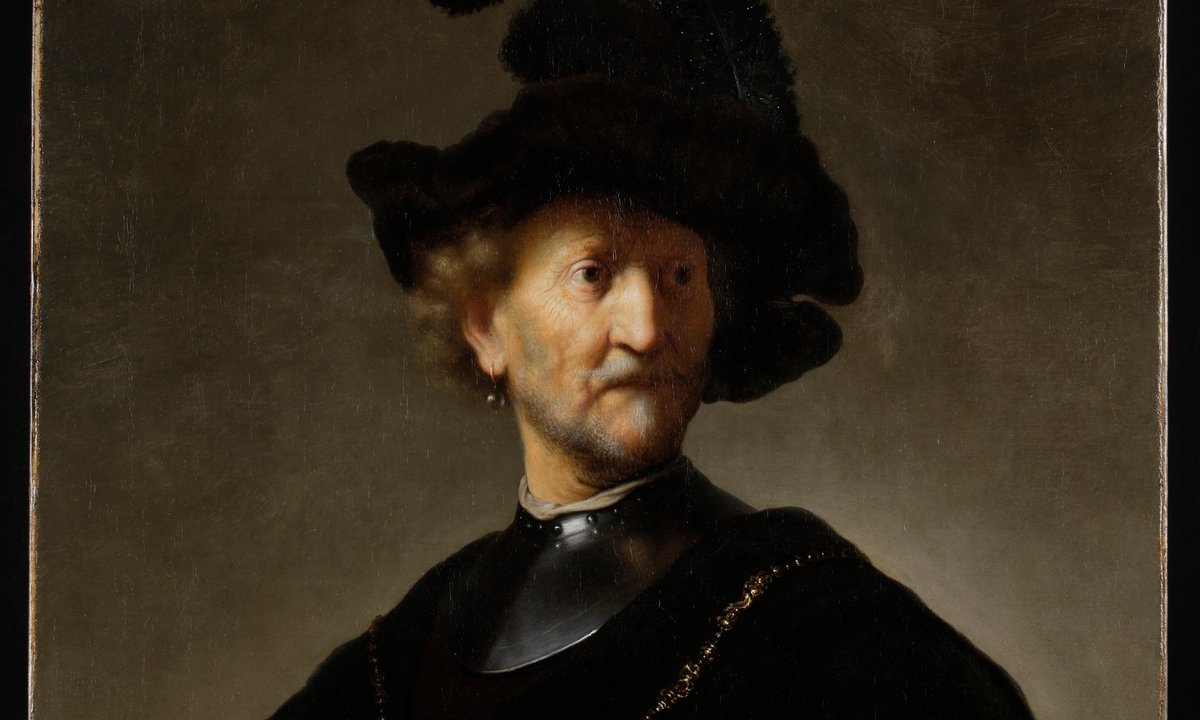
1 month agoMystery Portrait of Black Woman Finally Identified After Six-Year Search
"We look at Europe in a global context and we like to highlight the ways that European artists and collectors traveled and traded with the world. Part of that is representing the people who lived in Europe but came from abroad," Adam Harris Levine, associate curator of European art at the AGO, said over email.
Arts
Arts
fromThe Art Newspaper - International art news and events
1 month agoResearchers at Art Gallery of Ontario identify painter and subject of 18th-century portrait of Black woman
The portrait of Eleonora Susette, an enslaved young woman, was identified along with its artist, Jeremias Schultz, after extensive research.
fromRobb Report
1 month agoInside a Historic N.Y.C. Townhouse Where Painter Mark Rothko Once Lived
Mark Rothko and his first wife, Edith Sachar, put down roots in a small apartment within a Greek Revival townhouse in Manhattan's East Village neighborhood in the 1930s. There, the late abstract expressionist famously known for his color field technique created the painting titled 'Thru the Window.'
NYC real estate
Arts
fromwww.theguardian.com
1 month agoAbsolutely transformative': Willem de Kooning exhibition uncovers raw intensity of early work
Willem de Kooning's 1948 solo exhibition at Charles Egan Gallery launched his international career, establishing him as a pre-eminent painter by the 1950s through his innovative exploration of figuration and abstraction.
Arts
fromwww.theguardian.com
1 month agoOld masters too': Ghent exhibition celebrates female artists of the baroque
Judith Leyster, a celebrated Dutch Golden Age painter, was forgotten after her death and her works were misattributed to male artists until a 1970s revival restored her recognition alongside other overlooked female baroque artists.
Arts
fromThe Art Newspaper - International art news and events
1 month agoThe story behind the only Van Gogh in Iran: 'At Eternity's Gate'"
A Van Gogh lithograph titled 'At Eternity's Gate' from 1882, depicting an elderly man, remains locked in Tehran's museum vaults since the 1979 Islamic Revolution, symbolizing cultural disconnection amid Middle East tensions.
Arts
fromThe Art Newspaper - International art news and events
1 month ago'It has nothing to do with Michelangelo': expert wades in on painting newly attributed to Renaissance master
Belgian art historian Michel Draguet claims to have discovered a Michelangelo painting from the 1540s, but leading Renaissance experts dispute the attribution based on artistic style analysis.
fromDesign Milk
1 month agoThis Pared Down Stereo System Takes-on Cubist Dimensions
In Braque's paintings, collages, and prints, the polymath set out to distill bucolic landscapes and rural village scenes as broken up and then re-assembled geometric compositions; decidedly abstract yet still slightly recognizable representations. Through this revolutionary approach, he examined how objects could be depicted from multiple perspectives-multiple sources of light-as if superimposed portrayals of the same setting rendered at different times of day.
Design
[ Load more ]