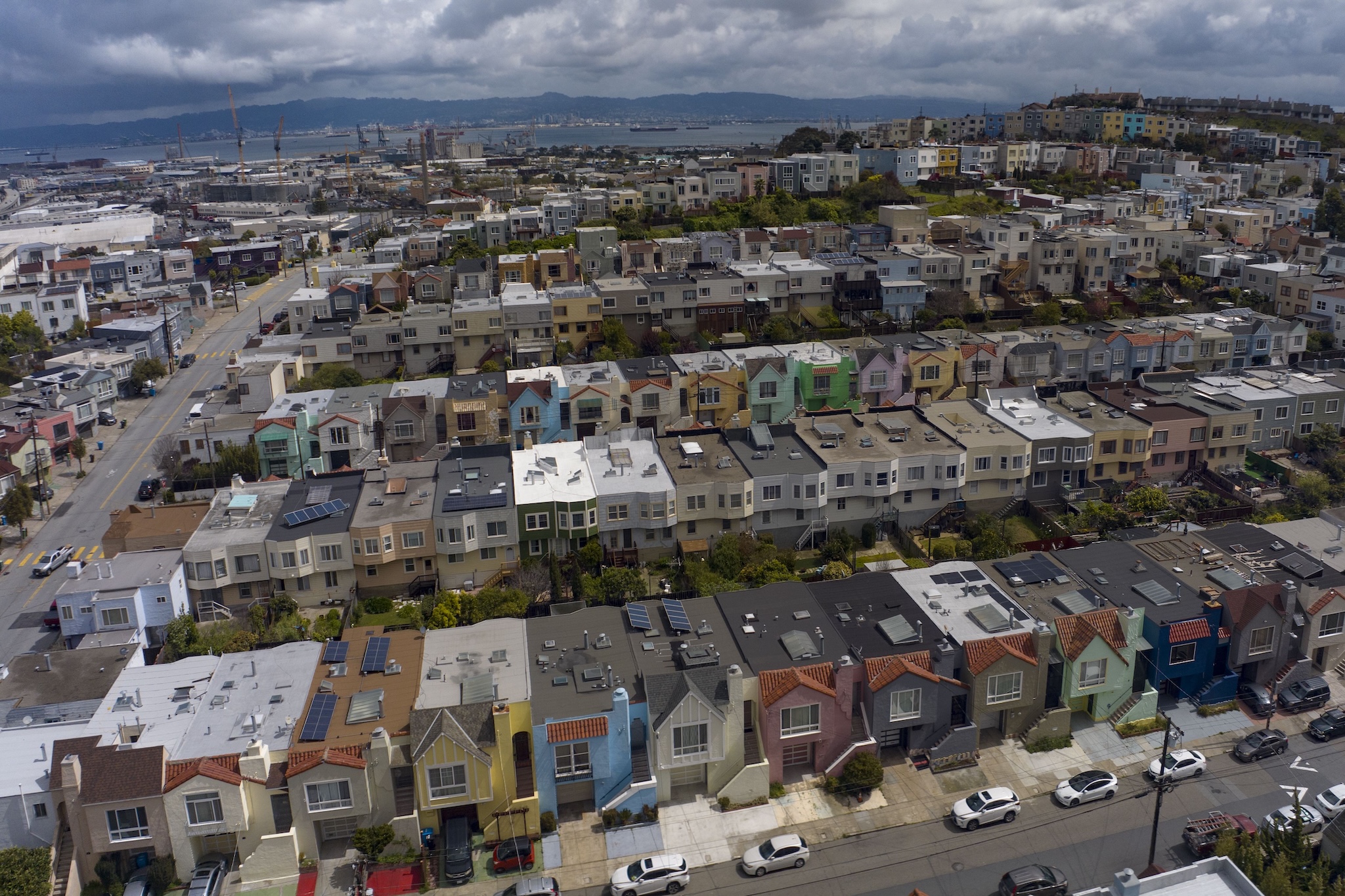
SF real estate
fromSFGATE
1 day agoThe homebuying workaround more Californians are considering
Seller financing offers an alternative to traditional bank loans, allowing buyers and sellers to negotiate terms directly.
These [California metros] just became hotter markets, and so, there's less inventory, there's more demand, so that means it becomes more attractive for someone who is an investor. The flurry of investor activity could be from investors betting on a continued artificial intelligence boom and an emphasis on return-to-office mandates in California metros.
At the very root of our affordability crisis is the high cost of housing. High rents and expensive homes are driving families and high-wage jobs out of California. Our housing crisis makes it harder to hire teachers, child care workers and law enforcement officers; and it is closely linked to our crisis of street homelessness.
Between the lines: Fisher Island's beauty, isolation and closeness to downtown Miami make it an easy sell. Residents pay a $500,000 membership fee and nearly $40,000 for amenities, including pickleball and tennis courts, two deepwater marinas, a golf course, and a private primary school, the Tampa Bay Times reports. "You pretty much have your own oasis in the city," Jill Eber, a resident and luxury real estate broker, told the outlet.
California's most expensive housing markets are posting mixed results, with price per square foot ranging from $706 to $989 among top metros. While all significantly exceed state and national medians, their selling speeds and market conditions vary widely. Santa Barbara leads the state at $989 per square foot, followed by San Jose at $962. Both metros price well above California's $409 median and dwarf the national median of $213. Yet their market dynamics differ substantially.
HW Data for the week of Oct. 3 shows California's median list price at $775,000 with inventory of 57,048 homes and a market action index of 37.3. Florida's median list price is $484,000 with inventory of 97,525 homes and a market action index of 30.3. Price reductions reached 36 percent of active listings in California and 44 percent in Florida.
In 2025's first half, 36% of purchases statewide were made by investors up from 31% for all of 2024 and 16% at the recent low in 2020 as coronavirus was scrambling the economy. Or look at the change this way: Investors were tied to an average of 33% of all California homebuying in the past 18 months vs. 21% in 2015-23.
My trusty spreadsheet reviewed data from Cotality previously known as CoreLogic tracking the share of single-family home purchases made by people not occupying the property. My focus was on the average pace of the past 18 months last year and the first six months of 2025 and how those investment patterns compared to the previous nine years. What stands out: Seven of California's 10 most significant increases in investor share of homebuying were nowhere near the Pacific.