#chilean-artists
#chilean-artists
[ follow ]
#frida-kahlo #cultural-heritage #photography #cesar-chavez #architecture #music #dolores-huerta #contemporary-art



Photography
fromArchDaily
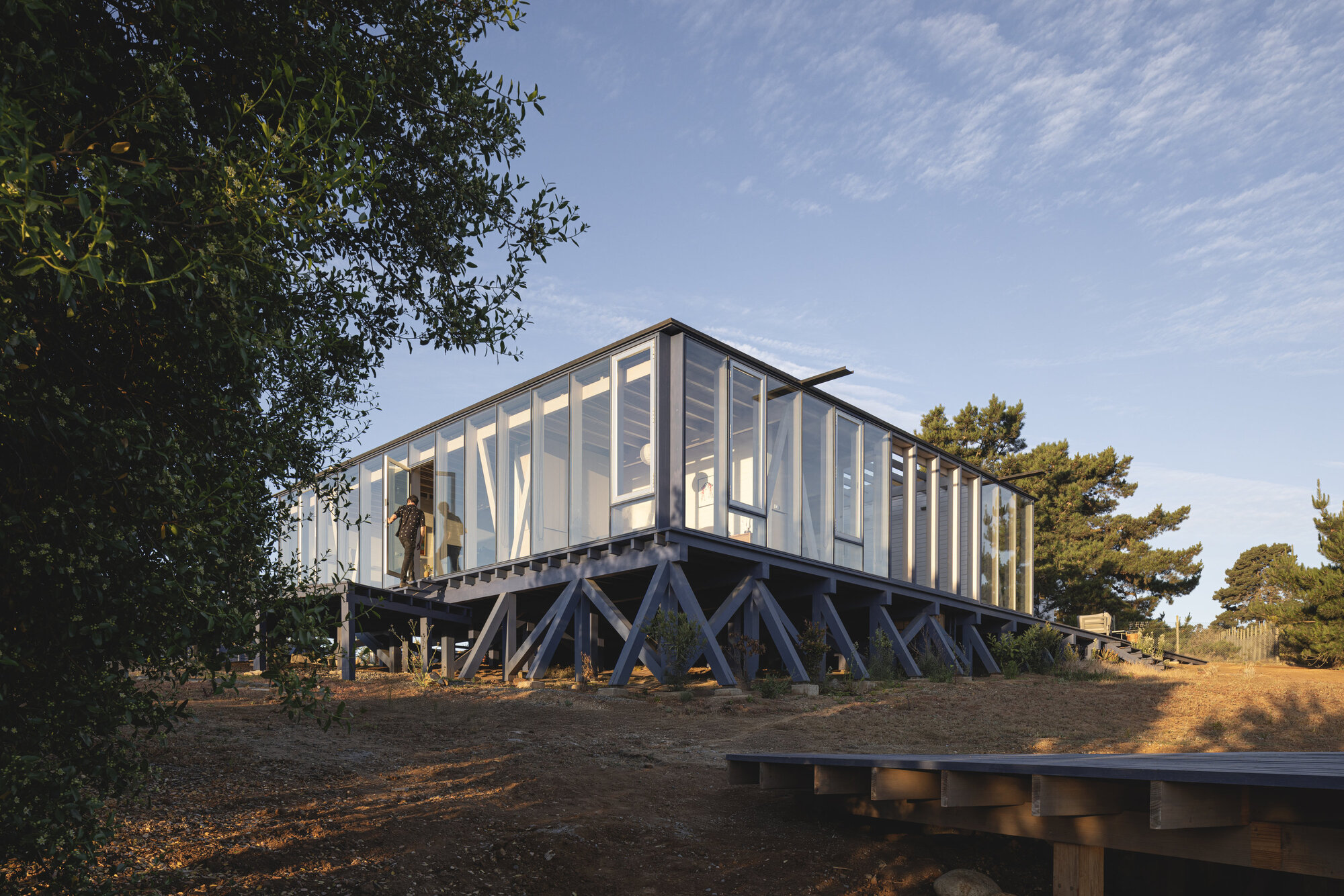
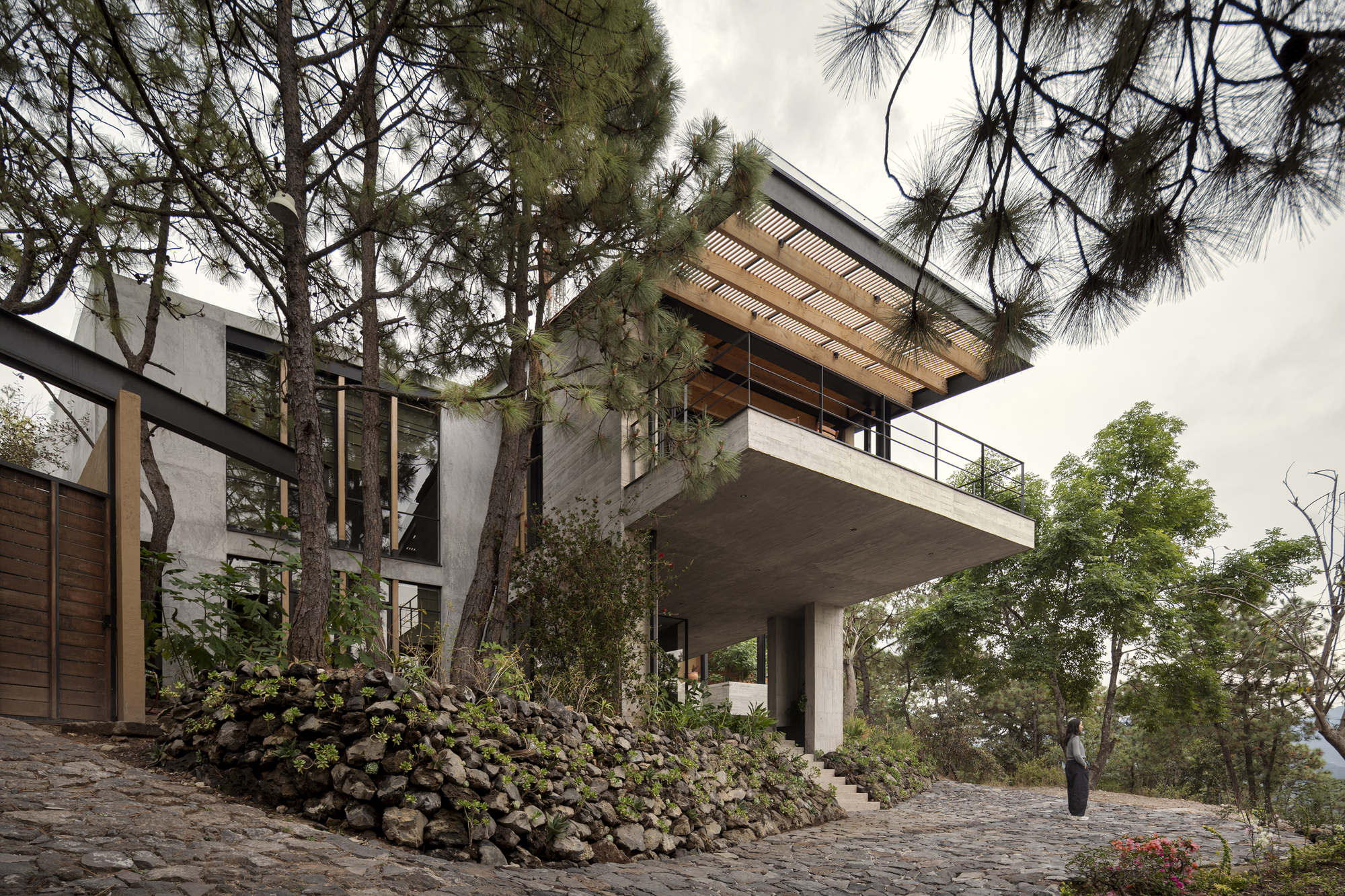
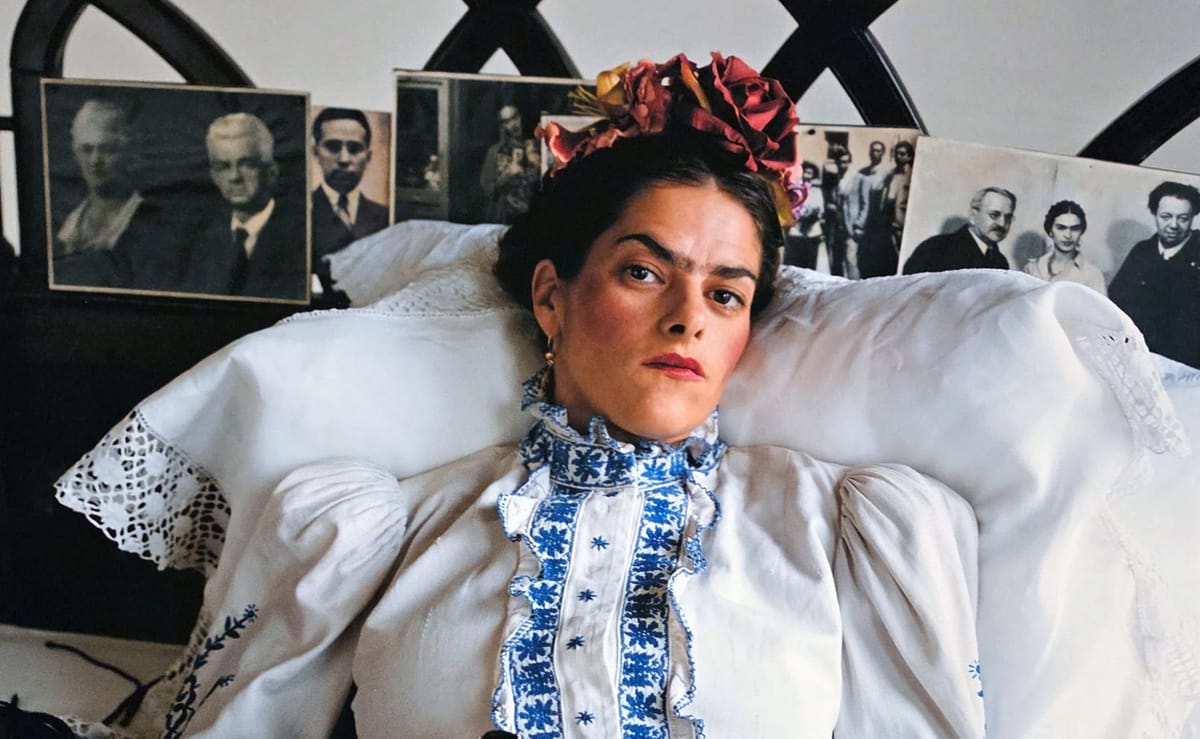
2 days ago40+ Contemporary Architectural Works Across Ecuador Captured by Francesco Russo and Luca Piffaretti
Photographers document Ecuador's architecture and landscapes, highlighting the country's evolving identity and the interplay between built environments and natural surroundings.
Design
fromArchDaily
3 weeks agoSmiljan Radic: Material Explorations Between Ephemerality and Permanence
Chilean architect Smiljan Radić creates buildings that blend ancient monumentality with provisional fragility, combining diverse materials in experimental ways that challenge conventional architectural categorization.
Environment
fromwww.aljazeera.com
3 weeks agoChile's President Kast tosses out dozens of environmental protections
Chile's new President Jose Antonio Kast suspended 43 environmental regulations covering emissions, pollution, and national parks to prioritize economic growth and job creation over environmental protections.
Madrid food
fromBOOOOOOOM!
3 weeks ago"When the Desert Breathes Again" by Photographer Gonzalo Palaveccino
Photographer Gonzalo Palavecino documents La Tirana, Chile's largest religious festival, focusing on behind-the-scenes elements like food stands, abandoned objects, and improvised structures that reveal the sacred blending with everyday chaos and commerce.
fromwww.theguardian.com
3 weeks agoKast is more like Trump': Chile's environmentalists prepare to do battle for the country's future
The highlands are the sustenance of life, and all that water comes down from the mountains to the valleys, such as Azapa and Lluta and to the coast. The city of Arica is on the coast. So, we have a very serious problem. We will not have water—not for agriculture, not for livestock, not for tourism.
Miscellaneous
fromwww.aljazeera.com
4 weeks agoChile's new president has praised Pinochet, a dictator. What does it mean?
For critics, the crest was another expression of Kast's professed affinity for the former hardline leader. But as Kast is sworn into office on Wednesday, analysts question whether his embrace of Pinochet is nostalgia for Latin America's past dictatorships or whether it is simply a sign of frustration with the status quo.
World politics
fromenglish.elpais.com
3 weeks agoA Mariachi school persists, and thrives, amidst an immigration crackdown
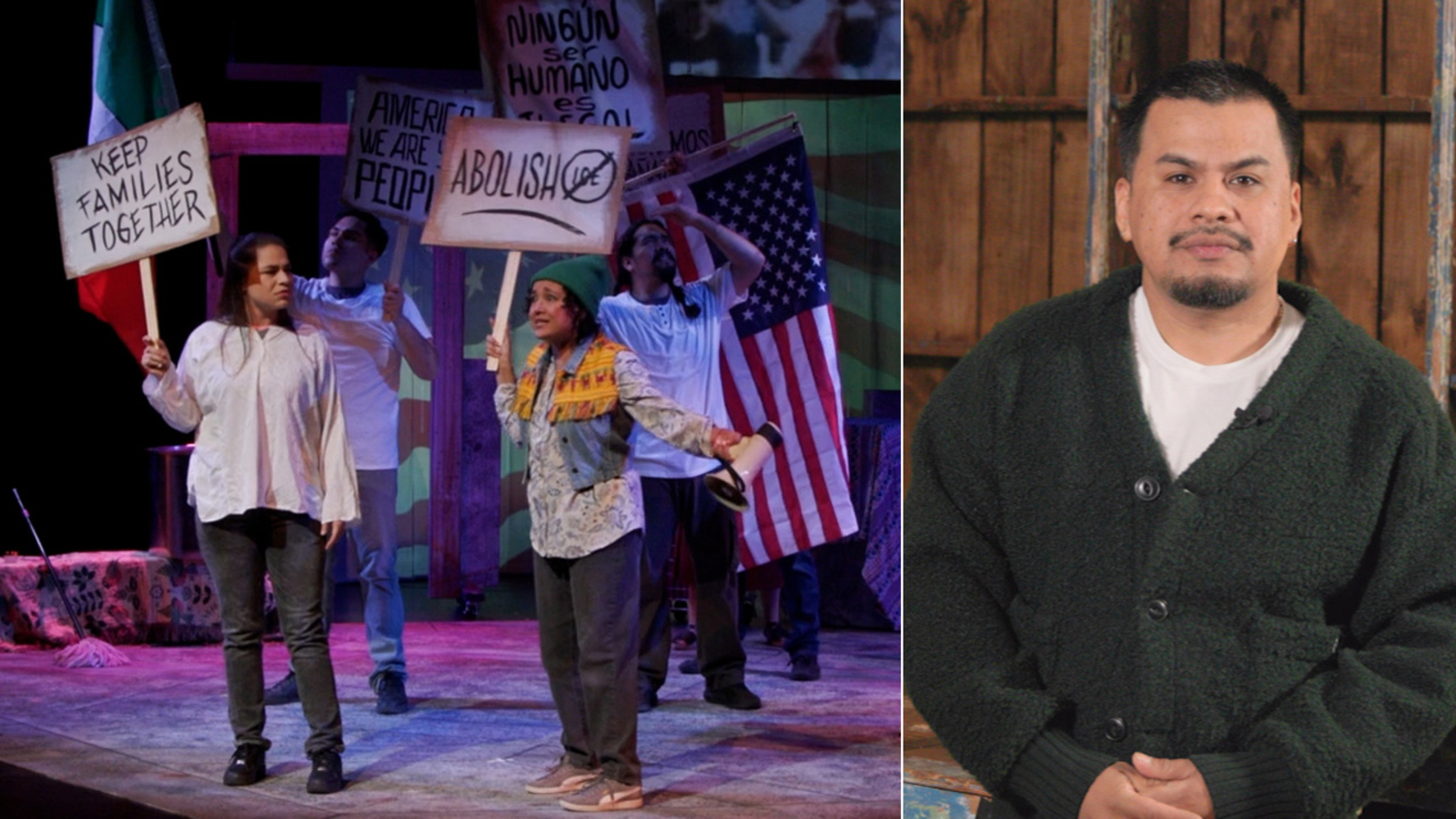
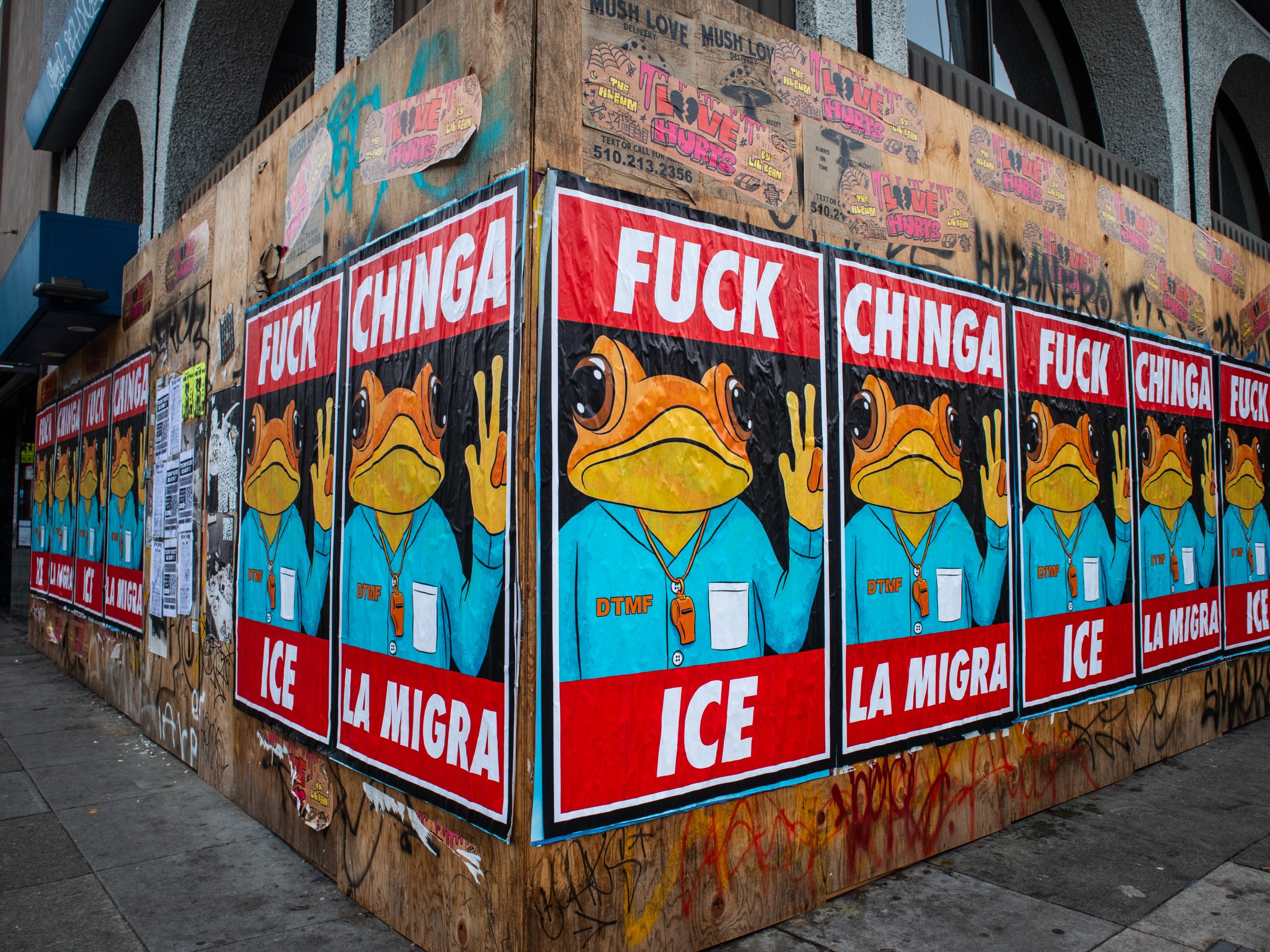
It makes me feel proud, simply because of the specific time we're in right now. It definitely takes a lot of courage for kids my age to represent their culture. Anthony Benitez, an 18-year-old violin student born in the United States to Mexican immigrants, expressed how the academy provides a meaningful outlet for cultural expression amid punitive immigration enforcement affecting Latino and immigrant families across the country.
NYC music
fromThe Art Newspaper - International art news and events
4 weeks agoTomas Saraceno and Indigenous communities build art complex in Argentine salt flats
We don't eat batteries. They take away the water; they take away life. This pronouncement, in Spanish, appears in a photograph that the artist Tomás Saraceno sent via WhatsApp last month from Salinas Grandes, a high-altitude salt flat in northern Argentina. There, in one of the world's largest lithium reserves, the artist is working alongside 11 Indigenous communities to build El Santuario del Agua (The Water Sanctuary), a monumental work about the global energy transition.
SOMA, SF
Design
fromdesignboom | architecture & design magazine
3 weeks agopritzker prize awarded to chilean architect smiljan radic clarke
Smiljan Radić Clarke wins the 2026 Pritzker Architecture Prize for creating deeply personal, site-attentive architecture that emphasizes atmosphere, materials, and discovery.
Madrid food
fromenglish.elpais.com
3 weeks agoVenezuelans in Chile rally around Maria Corina Machado
Maria Corina Machado gathered 17,000 Venezuelan expatriates in Santiago, Chile for the largest demonstration since her December departure from Venezuela, coinciding with worker protests in Caracas demanding dignity and freedom.
fromArchDaily
1 month agoDrawn by Hand: Geometral's Site-Specific Architecture
Géométral is an architectural practice defined by design strategies that are linked to the landscape, which it treats as a primary determinant of form. The studio approaches each project as a small universe that combines program, atmosphere, and spatial narratives. Rather than a single signature style, they focus on crafting moods and situations tailored to each context and user.
Paris food
Arts
fromThe Art Newspaper - International art news and events
2 weeks agoNew Chilean president reverses predecessor's policies, cutting culture budget
Chile's new president José Antonio Kast implemented immediate 3% budget cuts across all ministries, with culture funding facing uncertainty despite previous administration's significant increases.
fromenglish.elpais.com
1 month agoA 15-year-old teenager, missing since 1986, officially recognized as a victim of the Pinochet dictatorship
Luis had been missing for four decades, ever since he disappeared at age 15 during the dictatorship of Augusto Pinochet (1973–1990). The notice came from a court in Arica, in the far north of Chile, summoning him for failing to vote in the May elections for constitutional councilors, according to records from the Electoral Service (Servel). Under Chile's compulsory voting law, anyone who does not vote must provide a justification; otherwise, they face sanctions.
World politics
fromwww.aljazeera.com
1 month ago'A big crisis'
On November 28, with just weeks remaining until the run-off in Chile's presidential election, far-right candidate Jose Antonio Kast issued a warning. "To the irregular immigrants in Chile," he said, "I tell you that 103 days remain for you to leave our country voluntarily." Kast ultimately won the election and is expected to be sworn in on March 11. But so far, in the highlands of Chile's most northerly region, the immigrant exodus that some expected has not occurred.
World news
fromwww.mercurynews.com
2 months agoPianist Edward Simon's latest work is a journey to Venezuelan homeland
Edward Simon was in his mid-teens when he left his home in Punta Cardon, Venezuela, for good and settled in the United States, driven by his desire to learn about jazz at the source. His quest has taken him to breathtaking creative heights with achievements visible both at home, where the Emeryville pianist and composer is the longest serving member of the SFJAZZ Collective, and abroad, via regular tours throughout Europe.
Music
fromConde Nast Traveler
2 months agoHow the Global Rise of Latin American Music Is Shaping Travel
In the just-named Grammy Album of the Year, DeBÍ TiRAR MáS FOToS-which Bad Bunny has declared his " most Puerto Rican album " to date-the supernova reggaetonero painted an evocative portrait of the Caribbean island, while declaring to a whopping 8.6 million listeners: "VOY A LLeVARTE PA PR" (I'm going to bring you to Puerto Rico). And he did. Last year, a record-breaking number of tourists-7,486,000 to be exact-visited Puerto Rico's tropical shores.
Music
fromwww.archdaily.com
1 month agoHouse in Santiago / S-AR
La Villa de Santiago is a colonial town located 37 kilometers from the city of Monterrey. Every week a large number of visitors come to enjoy the different natural scenarios held in this part of the Sierra Madre Oriental. Rivers, waterfalls and forests are a perfect place to practice canyoning, climbing and trekking. Traditionally many weekend residences and cottages are located here.
Design
fromColossal
1 month agoInside the Sacred Valley Ceramics Studio Referencing Ancient Peruvian Practices
It is not about reproducing the past but about engaging in dialogue with it. We apply the same level of care and rigor to all pieces. Many of our utilitarian pieces have a strong sculptural quality, and several of the more artistic works originate from everyday forms and functions. We do not establish rigid boundaries between these categories; all are part of the same vision.
Arts
fromHyperallergic
1 month agoThe Uncertain Future of Colombia's Museum of Memory
In 2011, the Colombian government ordered the creation of a national museum "to achieve the strengthening of the collective memory" around the decades-long armed conflict. That same year, it passed the Victims and Land Restitution Law aimed at providing victims with reparations and justice. More than just a curated collection of objects or artworks, the museum, scheduled to be inaugurated in 2018, was conceived as an archive of the violent civil war.
Arts
fromwww.archdaily.com
2 months agoIsla Teja Performance Pavilions / Dum Dum Lab
The proposal is presented as a strategy for territorial and landscape activation in the eastern sector of Isla Teja, in Valdivia, in the stretch between the Architecture building of the Universidad Austral de Chile and the edge of the Rio Calle-Calle. Through the design and construction of three pavilions, the project aims to consolidate this area as a space for walking, pausing, and gathering, incorporating new architectural references that engage with the river landscape and its high ecological value.
Design
fromHyperallergic
2 months agoVisions of Venezuela and Cuba From Exile
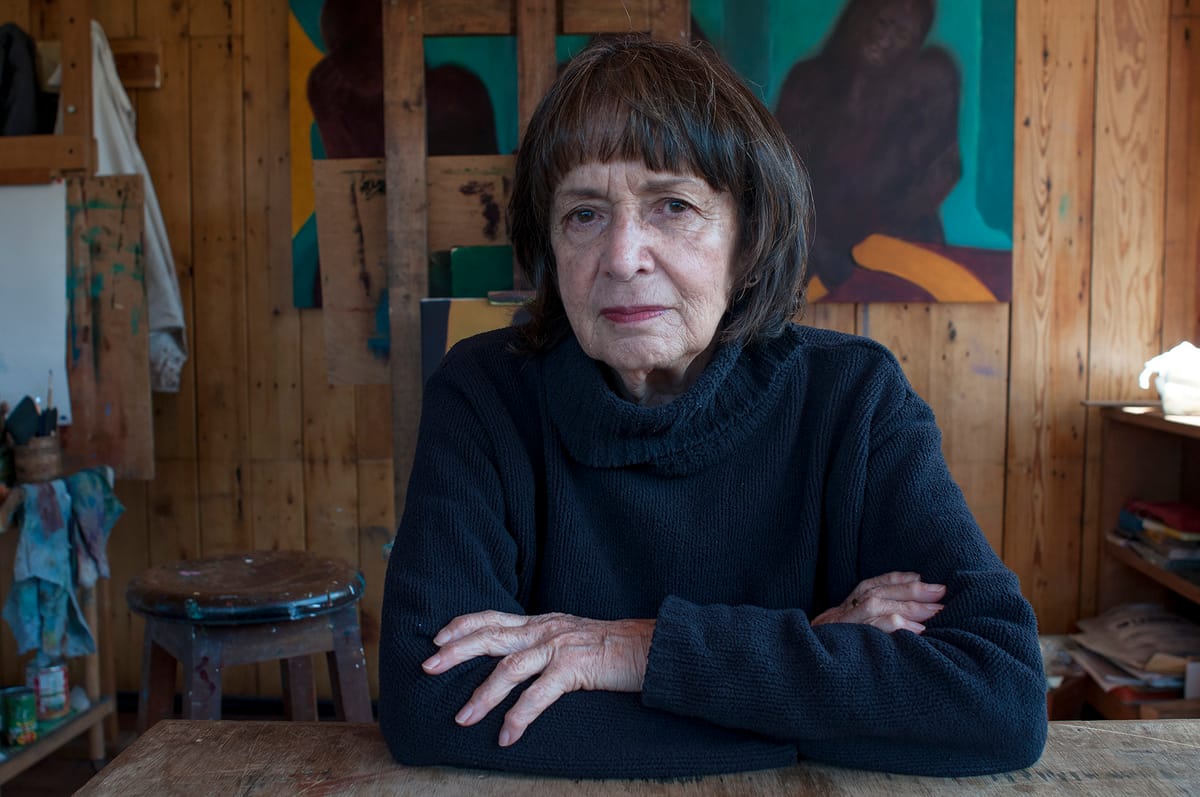
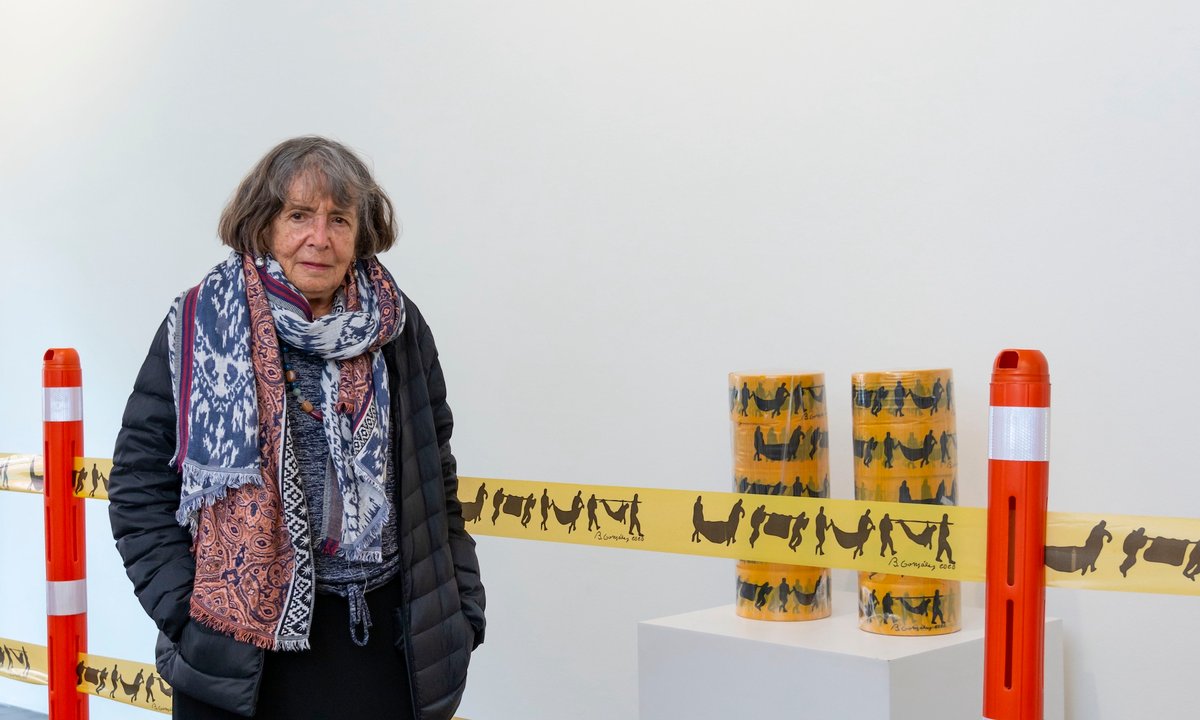
Otherworldly forms greet you at the entrance to the exhibition, transporting you into a kaleidoscopic, dream-like space. A voice speaks in the background as projected images dance across the forms, animating the space. "It's been really beautiful to see her work come alive, become a landscape ... where you can traverse and kind of get lost," curator Fabiola R. Delgado says of Lisu Vega's "The Uncertain Future of Absence (El Futuro Incierto de la Ausencia)" (2025).
Arts
Arts
fromThe Art Newspaper - International art news and events
2 months agoMexico City's art scene gravitates to Santa Maria la Ribera neighbourhood
Santa María la Ribera has become a growing hub for contemporary Mexican artists, offering affordable studios, large Porfirian-era spaces, and new exhibition venues.
fromColossal
2 months agoRegina Silveira Pieces Together an Evolving Narrative of Latin America
Regina Silveira has spent the better part of three decades considering the relationship between media and meaning, particularly as it relates to Latin America. First presented in 1997, "To Be Continued..." features 100 black-and-white reproductions of photos, newspaper clippings, propaganda, advertisements, and more. Silveira nests each image into an oversized puzzle piece, which cuts off faces and scenes to leave fragments of pop culture icons, flora and fauna, and even the occasional mugshot spliced next to one another.
Arts
fromArtnet News
1 month agoHow Wifredo Lam Made Surrealism More Surreal Than the Surrealists | Artnet News
An exhibition of Wifredo Lam is about as safe a bet as the Museum of Modern Art can place and still plausibly say that it's a bet on expanding the canon. The Cuban artist is one of the most famous painters of the 20th century, featured in almost every single key show about Surrealism. MoMA acquired his famous painting The Jungle in 1946, a few years after he made it.
Arts
[ Load more ]