Artificial intelligence
fromPsychology Today
2 weeks agoAre We Moving From Cognitive to Relationship Offloading?
Meta is creating a 3D AI persona of Mark Zuckerberg to enhance employee access and streamline decision-making.
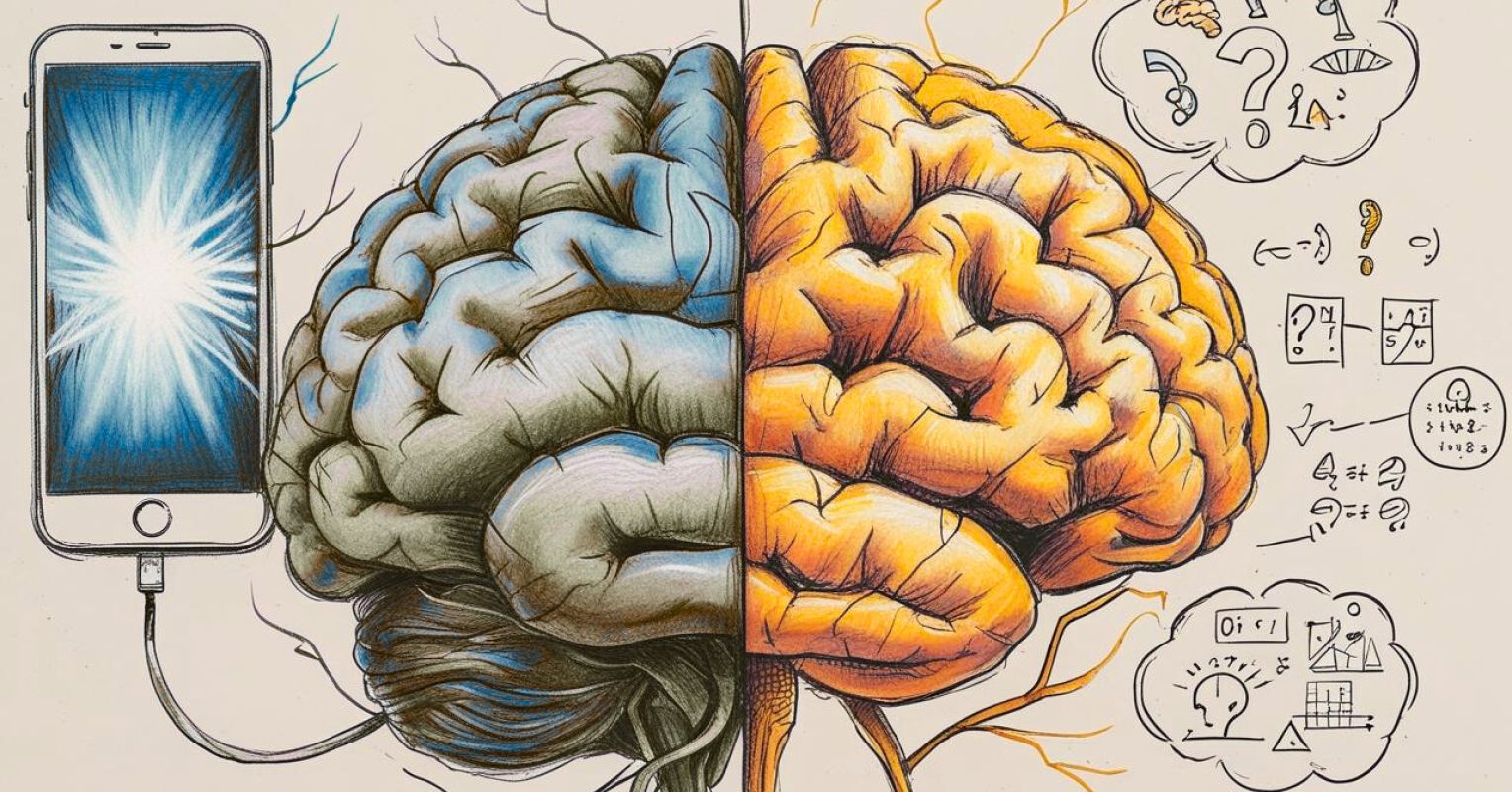
In fact, I didn't even think to ask ChatGPT what might work in my favor if I just stayed the course.I was a "LLeMming": a term Lila Shroff uses to describe compulsive AI users in The Atlantic. Lila Shroff shares that just as the adoption of writing reduced our memory and calculators devalued basic arithmetic skills, AI could be atrophying our critical thinking skills.
Harry frowned. "I'm not seeing the value in it. Can you explain it clearly? Is there any other solution?" Tom leaned in. "This isn't making much sense. You could try this instead. It's simpler." Leina sighed. "Next time you present, put more thought into your reasoning." Meanwhile, Ron trembled with anxiety. He wanted to make a point but ended up rambling. This was his second failed attempt at defending his ideas.
Since AI entered the workplace, managers expect teams to produce more work in less time. They see tasks completed in two hours instead of two weeks, without understanding the process behind it. Yet, AI still makes too many mistakes for high-quality output, forcing workers to adjust, edit, and review everything it produces-creating "workflation," which adds more work to already overloaded plates. AI has accelerated expectations because managers know that teams using it can work faster, but quality work still requires time, focus, and expertise.
You're at home, coffee in hand, scrolling through your personalized news brief. "SophAI," you say casually, "check the fridge and order what's missing." Your AI assistant responds instantly - warm, efficient, endlessly patient. It praises your choices, anticipates your needs, and never judges. SophAI is always there, always helpful, always agreeable. It feels good. Maybe too good. This is happening now.
The originator of this concept, global humanitarian and spiritual leader Gurudev Sri Sri Ravi Shankar, recently spoke at Deakin University's Applied Artificial Intelligence Institute, exploring the theme of Absolute Intelligence versus Artificial Intelligence and the nature of our innate, embedded intelligence. The key factor is that, unlike artificial intelligence, Absolute Intelligence becomes accessible when your mind is calm and settled. It's a deeper intelligence that allows you to see more possibilities and make better decisions by tapping into your intuitive abilities.