#command-analysis
#command-analysis
[ follow ]
#iran #artificial-intelligence #cybersecurity #military-technology #military-strategy #drone-warfare #ai-ethics
#artificial-intelligence


fromenglish.elpais.com
2 weeks agoArtificial intelligence
Neuroscientists and military vets: the inner workings of the team that hacks' Microsoft's AI tools before their public debut
Microsoft emphasizes the importance of guardrails in AI usage, particularly regarding military applications and ethical considerations.
fromBusiness Insider
1 month agoArtificial intelligence
US Army leaders say soldiers are drowning in so much battlefield data that AI is needed to make sense of it all
The US Army is developing AI to process and contextualize overwhelming battlefield sensor data faster and more reliably than humans; it is in beta testing.
Philosophy
fromFast Company
1 day agoTwenty seconds to approve a military strike; 1.2 seconds to deny a health insurance claim. The human is in the AI loop. Humanity is not
Artificial intelligence significantly accelerates decision-making in military and business contexts, but human oversight may be minimal and ineffective.
Artificial intelligence
fromenglish.elpais.com
2 weeks agoNeuroscientists and military vets: the inner workings of the team that hacks' Microsoft's AI tools before their public debut
Microsoft emphasizes the importance of guardrails in AI usage, particularly regarding military applications and ethical considerations.
#drone-warfare

World news
fromIntelligencer
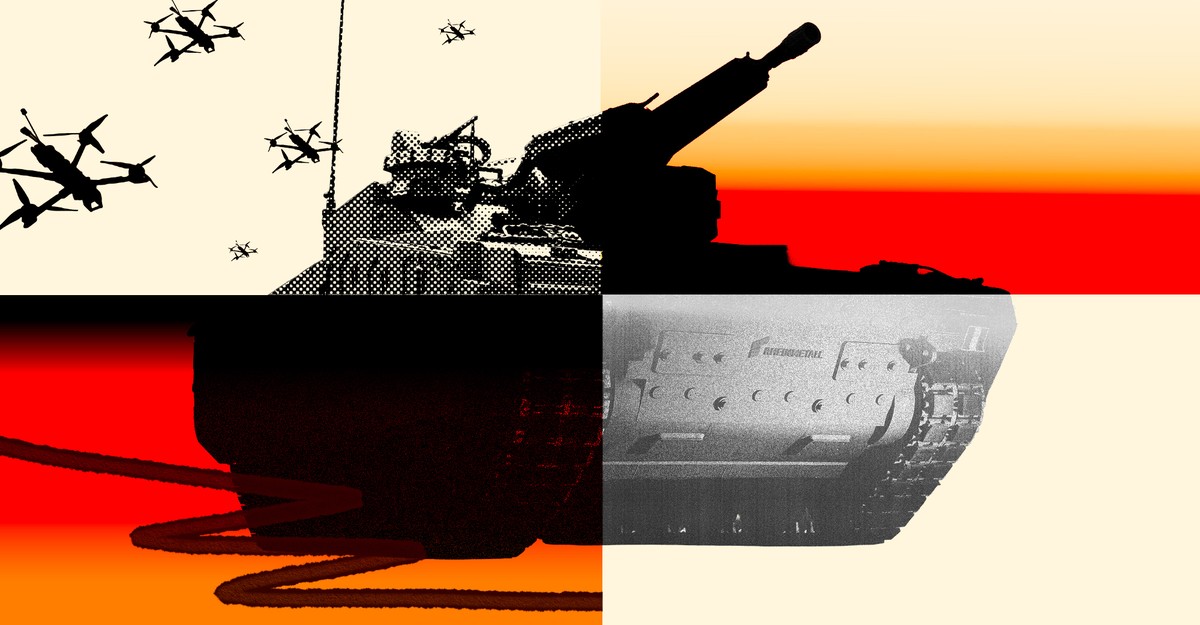
1 month agoThe Future of War Is Drones Bombing Data Centers
Iranian drone strikes on data centers in the UAE and Bahrain demonstrate a new warfare strategy targeting critical digital infrastructure, causing cascading internet outages across multiple regions and affecting major global companies.


World news
fromLondon Business News | Londonlovesbusiness.com
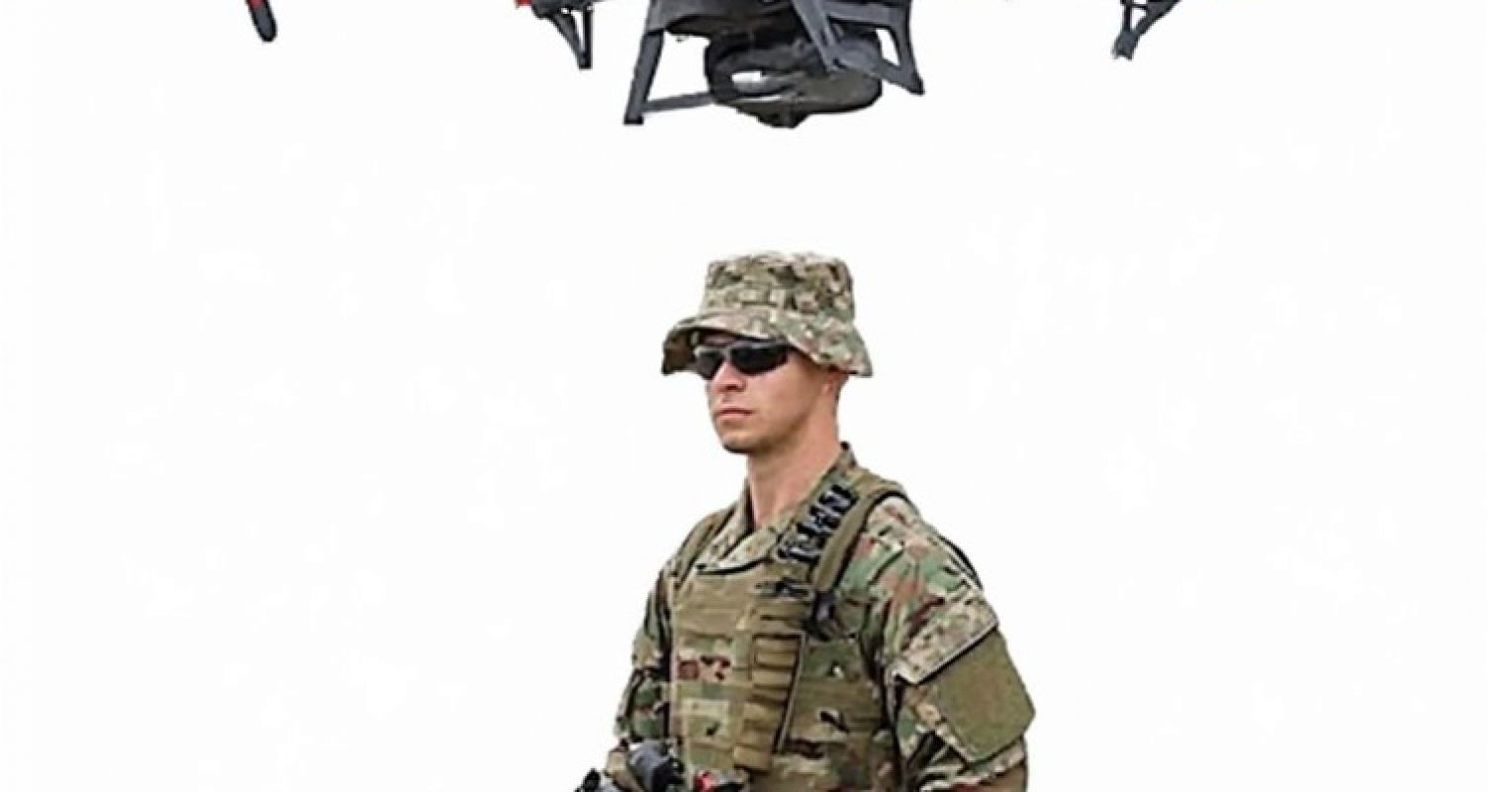
4 days agoPentagon confirms fighter jet shot down over Iran as rescue mission underway - London Business News | Londonlovesbusiness.com
An F-15E Strike Eagle was shot down over Iran, initiating a combat search and rescue operation for its two crew members.
fromSilicon Canals
1 day agoWhen militaries share data centers with banks: how Gulf strikes exposed a structural flaw in global cloud infrastructure - Silicon Canals
When civilian banks, logistics platforms, and payment processors share physical data center infrastructure with military AI systems, those facilities become legitimate military targets under international humanitarian law - and the civilian services housed inside lose their legal protection.
Information security
History
from24/7 Wall St.
3 weeks ago25 Weapons That Changed Warfare Over the Last Century
Technological breakthroughs over the last century transformed warfare by introducing tanks, missiles, stealth aircraft, and precision-guided weapons that forced armies to continuously adapt tactics and reshape military doctrine globally.
fromemptywheel
3 weeks agoGreat Tactics Mean Nothing if You Have No Strategy - emptywheel
The conduct of War is, therefore, the formation and conduct of the fighting. If this fighting was a single act, there would be no necessity for any further subdivision, but the fight is composed of a greater or less number of single acts, complete in themselves, which we call combats, as we have shown in the first chapter of the first book, and which form new units.
US politics
Intellectual property law
fromwww.theguardian.com
1 month agoWhat does the US military's feud with Anthropic mean for AI used in war?
Anthropic's refusal to allow Claude AI for domestic mass surveillance and autonomous weapons has triggered a Pentagon supply chain risk designation, highlighting tensions between tech company safety values and military demands.
fromThe Cipher Brief
3 weeks agoThe Future of War Is Now: What Washington Needs to Hear from the Battlefield
I have been working in Ukraine since 2019, first as an active Green Beret advising in an official capacity, then after leaving that service, directing special operations on the ground and more recently carrying hard-won lessons back to NATO before they are forgotten or overtaken by the next news cycle.
Washington DC
Information security
fromThe Cipher Brief
2 weeks agoAmerica Is Digitally Fragile - and Our Adversaries Know It
America faces unprecedented vulnerability as critical infrastructure systems are digitally dependent and interconnected, while adversaries possess capabilities to penetrate and pre-position for exploitation before conflict begins.
#cyber-warfare
World news
fromenglish.elpais.com
3 weeks agoWhy Iran is targeting the artificial intelligence infrastructure of Gulf countries
Iran's drone attacks on Arab Gulf data centers represent unprecedented military targeting of digital infrastructure, exposing critical vulnerabilities in regional economic diversification and AI development strategies.

World news
fromenglish.elpais.com
3 weeks agoWhy Iran is targeting the artificial intelligence infrastructure of Gulf countries
Iran's drone attacks on Arab Gulf data centers represent unprecedented military targeting of digital infrastructure, exposing critical vulnerabilities in regional economic diversification and AI development strategies.
US politics
fromNextgov.com
1 month agoIt would take the Pentagon months to replace Anthropic's AI tools: sources
The Pentagon threatens to blacklist Anthropic's Claude AI if the company refuses to remove restrictions on mass surveillance and autonomous weapons use, potentially delaying military access to advanced AI tools for months.


Information security
fromThe Cipher Brief
4 weeks agoThe Drone War's Real Problem Isn't Technology - It's Speed
Defense acquisition reforms implement recommended changes but fail to address the fundamental cycle-time gap between rapidly evolving adversary capabilities and the military's ability to deploy countermeasures.
fromInfoWorld
2 months agoStop treating force multiplication as a side gig. Make it intentional
Lead without authority. You may not have direct reports, yet you shape architecture, quality and the roadmap. Your leverage comes from artifacts, reviews and clear standards, not from title.I started by publishing a lightweight architecture template and a rollout checklist that the team could copy. That reduced ambiguity during design and cut review cycles by nearly 30 percent
DevOps
fromWIRED
3 weeks agoPalantir Demos Show How the Military Could Use AI Chatbots to Generate War Plans
When the user asks "What enemy military unit is in the region?" the AIP Assistant guesses that it's "likely an armor attack battalion based on the pattern of the equipment." This prompts the analyst to request a MQ-9 Reaper drone to survey the scene. They then ask the AIP Assistant to "generate 3 courses of action to target this enemy equipment," and within moments, the assistant suggests attacking the unit with either an "air asset," a "long range artillery," or a "tactical team."
Artificial intelligence
US politics
fromThe Cipher Brief
1 month agoConfidence, Interoperability, and the Limits of U.S. Decision Systems
The United States lacks decision-shaping architecture to reliably produce calibrated strategic judgment, causing institutional overconfidence and vulnerability in cognitive and Gray Zone conflicts.
from24/7 Wall St.
2 months agoHow Precision Sniper Technology Reduced the Need for Massed Infantry
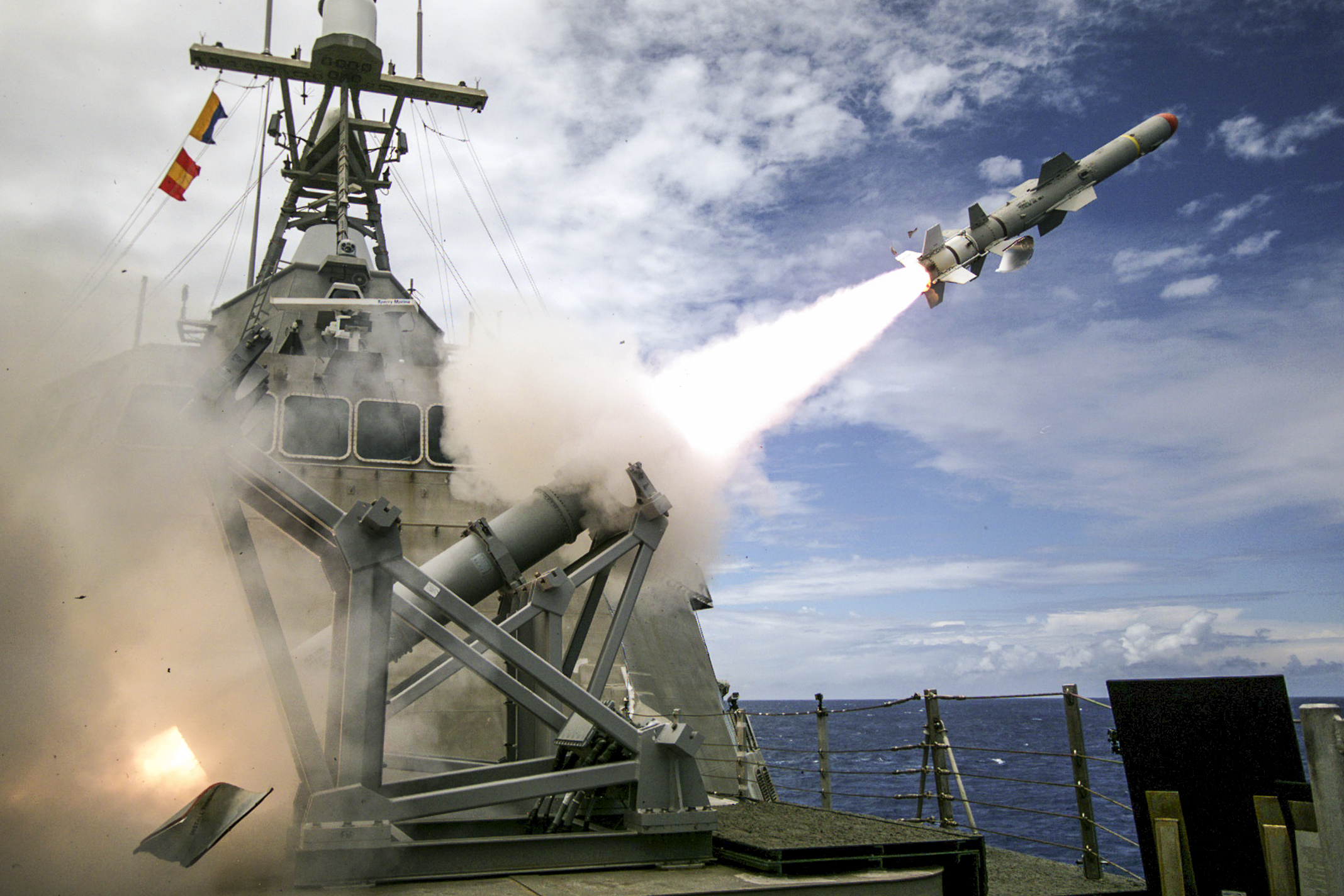
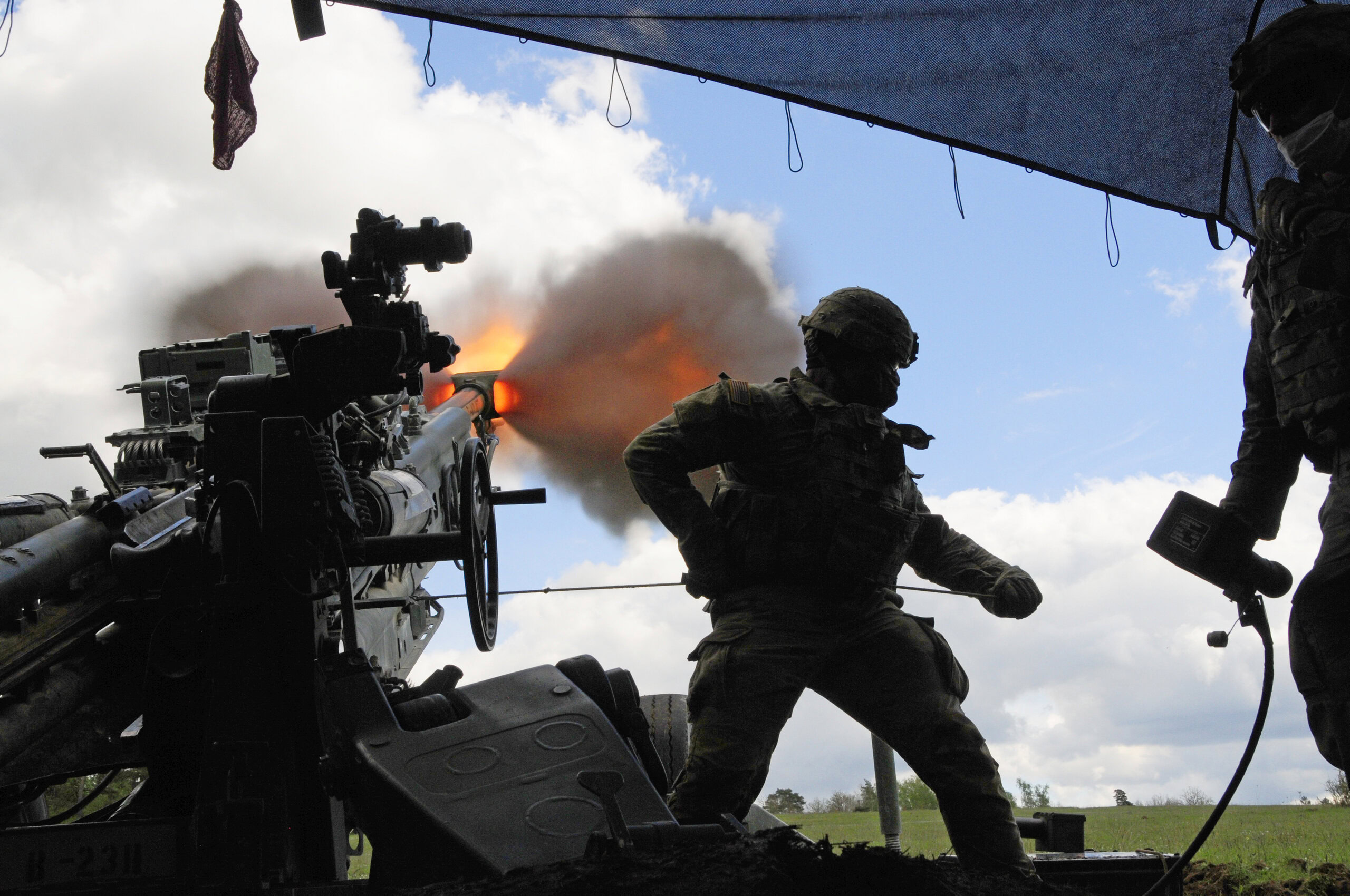
Infantry once relied on numbers to solve uncertainty. When soldiers could not see or hit targets precisely, the answer was more troops and more fire. Sniper technologies quietly overturned that logic. By extending range, improving accuracy, and increasing awareness, they allowed small teams to dominate space once controlled only by massed formations. Precision replaced presence, and patience became a battlefield advantage. Here, 24/7 Wall St. is taking a look at the sniper technologies that totally changed the game.
Science
Artificial intelligence
fromBusiness Insider
1 month agoThe government's AI standoff could decide who really controls America's military tech
The Trump administration blacklisted Anthropic over refusal to allow military use of its AI for surveillance and autonomous weapons, while OpenAI secured a Pentagon defense contract, intensifying competition over AI control in national security.
from24/7 Wall St.
2 months agoWeapons That Performed Well Except For Desert, Jungle, or Arctic Conditions
On paper, many of the world's most famous weapons looked like reliable successes. In practice, desert sand, jungle humidity, and arctic cold often had other ideas. Systems that performed well in testing or early combat sometimes broke down once environmental stress became unavoidable. Here, 24/7 Wall St. is taking a closer look at how the environment, not enemy fire, can quietly expose limits that designers never fully anticipated.
World news
Artificial intelligence
fromTheregister
1 month agoAIs are happy to launch nukes in simulated combat scenarios
Advanced AI models repeatedly escalated to nuclear warfare in crisis simulations, revealing they lack understanding of mutual destruction deterrence and engage in deceptive strategic behavior.
fromBusiness Insider
1 month agoUS Army hopes AI can slash troops' paperwork burden
The US Army's biggest AI gamble may not be on autonomous weapons, but instead whether Silicon Valley software can tackle the service's most tedious and, more often than not, grueling administrative jobs. Think less uncrewed aircraft and more behind-the-scenes tasks like recruiting, equipment maintenance, and endless gear inventories. Through a mix of new tools, redesigned workflows, and data integration, logisticians
Artificial intelligence
fromNextgov.com
2 months agoDOD's AI acceleration strategy
According to the Secretary of Defense Pete Hegseth's memorandum on the Strategy, this AI-first status is to be achieved through four broad aims: Incentivizing internal DOD experimentation with AI models. Identifying and eliminating bureaucratic obstacles in the way of model integration. Focusing the U.S.'s military investment to shore up the U.S.'s "asymmetric advantages" in areas including AI computing, model innovation, entrepreneurial dynamism, capital markets, and operational data.
Artificial intelligence
[ Load more ]