#family-relationships
#family-relationships
[ follow ]
#parenting #boundaries #communication #mental-health #adult-children #personal-growth #child-development
fromwww.theguardian.com
1 day agoHarriet Clark spent a lifetime visiting her mother, an ex-Weather Underground member, in prison: The US has always used family separation to destabilize'
Freedom, Harriet tells me, never existed on the horizon for me and my mother. I didn't hope for it. I didn't treat it as the great dream for her and for me. I knew that as long as I knew my mother, I would just know her in that room.
NYC parents
#parenting
fromSilicon Canals
6 days agoRelationships
I'm 66 and my adult son called me last weekend just to tell me about his day - nothing wrong, no crisis, no logistics - just the small things that happened, the way he might have called a friend - and I realized halfway through the call that this is the relationship I had quietly given up hoping for, and it has arrived without announcement, and I have been afraid to say so out loud in case naming it might end it - Silicon Canals


Relationships
fromSilicon Canals
6 days agoI'm 66 and my adult son called me last weekend just to tell me about his day - nothing wrong, no crisis, no logistics - just the small things that happened, the way he might have called a friend - and I realized halfway through the call that this is the relationship I had quietly given up hoping for, and it has arrived without announcement, and I have been afraid to say so out loud in case naming it might end it - Silicon Canals
Adult children can develop meaningful conversations with their parents beyond transactional interactions.

#birth-order
fromSilicon Canals
2 months agoParenting
I'm the oldest of four and the thing nobody tells you about being first is that you become the practice child - every mistake your parents make, they make on you, and by the time they get to your youngest sibling they're a different couple entirely. And you watched that happen in real time. - Silicon Canals
Parenting
fromSilicon Canals
2 months agoI'm the oldest of four and the thing nobody tells you about being first is that you become the practice child - every mistake your parents make, they make on you, and by the time they get to your youngest sibling they're a different couple entirely. And you watched that happen in real time. - Silicon Canals
Firstborn children often serve as their parents' learning ground, experiencing stricter parenting and less understanding than younger siblings who benefit from their parents' accumulated experience and evolved perspectives.
Parenting
fromSilicon Canals
1 month agoI meditated every morning for three years and I was still the most reactive person in every room I walked into - and a monk in Thailand told me the problem wasn't my practice, it was that I was using stillness as preparation for chaos instead of learning to find stillness inside the chaos itself - Silicon Canals
Emotional neglect occurs when parents provide materially but fail to be emotionally present for their children.
Film
fromwww.berkeleyside.org
1 month agoNgozi Anyanwu's 'The Monsters' at Berkeley Rep is a love letter to fighting as sport
Playwright Ngozi Anyanwu draws parallels between theater and MMA fighting, exploring how both involve willing participants entering an arena under specific conditions with mutual respect and craft.
Medicine
fromBuzzFeed
1 month agoHospital Workers Are Revealing The Heartbreaking Regrets Patients Had On Their Deathbeds, And Wow
Healthcare workers witness profound deathbed regrets centered on lost relationships, unresolved conflicts, and time wasted on non-essential pursuits rather than loved ones.
Relationships
fromSilicon Canals
1 month agoI asked 20 people over 70 what they miss most about their parents and not one of them said advice, wisdom, or guidance - every single one described a physical sensation: the weight of a hand on their shoulder, the sound of a specific laugh, the smell of a coat, a kitchen, a car - and most of them hadn't felt it in thirty years but could describe it in four seconds - Silicon Canals
Physical sensations and sensory memories—touch, smell, sound—outlast wisdom and advice as the most enduring and meaningful memories of deceased loved ones.
Parenting
fromBusiness Insider
1 month agoI thought not having kids was my biggest regret in life. I realized that I could be the cool aunt instead.
A child-free woman discovered that her meaningful role as an aunt and presence in her nieces' and nephews' lives provided real fulfillment beyond the motherhood she once expected.
Parenting
fromwww.theguardian.com
1 month agoMy mother's best advice: talk to your children like old friends
A mother's perspective on parenthood as companionship influenced the author's decision to have children, despite concerns about planetary instability and personal differences from her own upbringing.
Relationships
fromSilicon Canals
1 month agoI asked 15 retired men what surprised them most about aging and not one of them said the physical decline-every single one described a moment when someone they loved started treating them gently, and the gentleness hurt more than anything their body ever did because it meant the world had reclassified them without asking - Silicon Canals
Aging brings an unexpected emotional pain when loved ones begin treating you as fragile, shifting your identity and role within relationships.
Relationships
fromSilicon Canals
1 month agoI asked 20 women over 65 what they wish someone had said to them in their 40s and not one of them mentioned career advice, health tips, or financial planning-every single one described a sentence they needed to hear from one specific person, and most of them still haven't heard it - Silicon Canals
Women over 65 regret unspoken words from specific people more than practical life decisions, with most never receiving the acknowledgment they needed.
Relationships
fromSlate Magazine
1 month agoI've Decided to Do Something Drastic Once My Daughter Turns 18. She Has No Idea.
A parent plans to cut off financial support for their daughter after high school graduation and seeks advice on timing the disclosure, while maintaining their firm decision despite potential relationship consequences.
Relationships
fromSilicon Canals
1 month agoI raised my kids the way my father raised me - present for the big moments and missing for the small ones - and now I watch my son doing the same thing and don't know how to speak without saying everything at once - Silicon Canals
Generational patterns of prioritizing work over family relationships perpetuate through modeling, creating cycles that are difficult to break without conscious awareness and intervention.
fromSlate Magazine
1 month agoI've Always Known What Kind of Person My Mother Is. Unfortunately, My 3-Year-Old Has Figured It Out, Too.
It's easy to get caught up in what we believe we owe our parents. But we shouldn't forget what we owe ourselves, or our children. It's great that your child was able to communicate her discomfort to you. She has let you know that she 'really, really' doesn't want to visit your mom. And now I think she needs you to pay attention to those things.
Parenting
#fatherhood
fromSilicon Canals
1 month agoParenting
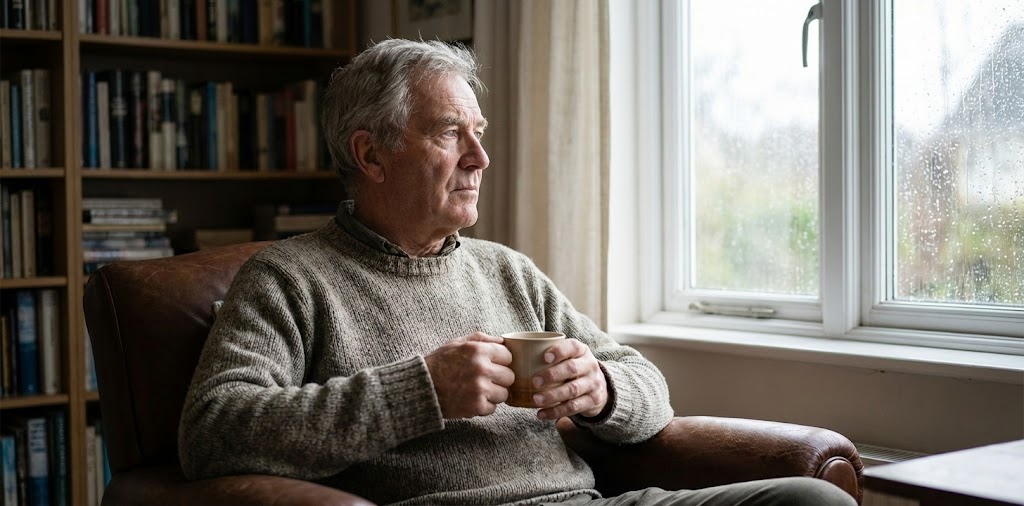
Nobody talks about why men in their thirties who are about to become fathers suddenly start calling their own dad more often - it's not closeness, it's an audit, they're going through every memory trying to separate what to repeat from what to bury and the silence between the calls is where most of the work is happening - Silicon Canals
fromSilicon Canals
1 month agoParenting
Nobody talks about why men in their thirties who are about to become fathers suddenly start calling their own dad more often - it's not closeness, it's an audit, they're going through every memory trying to separate what to repeat from what to bury and the silence between the calls is where most of the work is happening - Silicon Canals
Parenting
fromSilicon Canals
1 month agoThe cruelest thing about dementia isn't the forgetting - it's the afternoon your mother looks at you with perfect clarity, says something so sharp and specific it could only come from the woman she was before, and then it closes like a window, and you spend the drive home trying to decide if that moment was a gift or the worst kind of goodbye - Silicon Canals
Moments of clarity in dementia patients are emotionally devastating because they offer false hope before the person disappears again into confusion.
Fundraising
fromSilicon Canals
1 month agoI've been putting money into my daughter's savings account every month for 22 years without telling her - and the plan was always to give it to her when she needed it most, but the thing nobody warns you about secret generosity is that you start to need the secret more than she needs the money - Silicon Canals
A father's twenty-two-year secret savings account for his daughter evolved from genuine protection into a source of personal identity and validation, revealing how hidden acts of care can become about the giver rather than the recipient.

Boston
fromSilicon Canals
2 months agoI was the sibling who left and my brother was the sibling who stayed - and 30 years later we finally had the conversation about which one of us actually escaped and the answer wasn't what either of us expected - Silicon Canals
The narratives we construct about life choices—leaving or staying—often obscure the validity and value of paths different from our own.
Writing
fromIndependent
2 months agoCiara Kelly: It feels like I've been warding off a deep sadness since my beloved sister's death and I need a break. So, I'm signing off for a while
Losing a sibling to cancer differs profoundly from other grief experiences because siblings represent lifelong companionship and shared history from childhood.
#addiction-and-recovery
fromSilicon Canals
2 months agoMiscellaneous
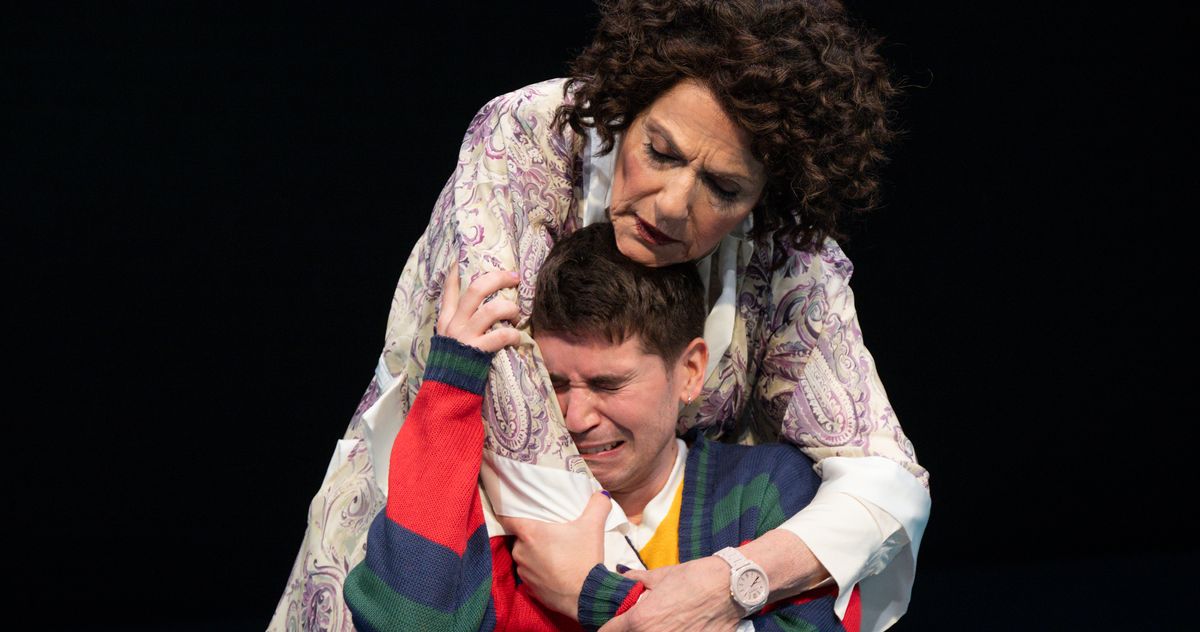
My son Kevin went through something in his thirties that almost broke our family - and the thing nobody tells a father is that watching your kid fight his way back is harder than watching him fall, because hope is a heavier thing to carry than grief - Silicon Canals
fromSilicon Canals
2 months agoMiscellaneous
My son Kevin went through something in his thirties that almost broke our family - and the thing nobody tells a father is that watching your kid fight his way back is harder than watching him fall, because hope is a heavier thing to carry than grief - Silicon Canals
fromSilicon Canals
2 months agoI'm 66 and my two sons live twenty minutes away and I haven't seen either of them in six weeks - and the thing I can't explain to anyone is that the distance isn't geographic, it's that they've become polite with me, and polite is the furthest thing from close - Silicon Canals
Nobody tells you this can happen. They warn you about teenage rebellion, about empty nest syndrome, about your kids moving across the country. But nobody warns you that your kids can live in the same town and still feel a thousand miles away. The worst part? I did this. Not on purpose, not all at once, but slowly, over years of being the kind of father I thought I was supposed to be.
Relationships
fromSilicon Canals
2 months agoPsychology says the person in the family who always loads the dishwasher "their way" and reloads it after someone else tries is displaying these 7 patterns that explain far more than just kitchen preferences - Silicon Canals
Psychologists believe that extremely neat individuals may be attempting to exert control over their environment. When work is overwhelming, relationships are strained, or the world feels unpredictable, that perfectly arranged dishwasher becomes a tiny kingdom where order can reign. It's not really about the dishes—it's about finding one small corner of life where everything goes exactly according to plan.
Relationships
fromBusiness Insider
2 months agoI used to think living at home as an adult meant going backward. Losing my dad made me realize I was wrong.
Living with family as an adult is often framed as a "failure to launch," but navigating grief at home with my mom and younger sister helped me rethink growth. Living at home in my 20s wasn't easy at first, but after my dad died, living together became a lifeline that transformed my understanding of what adulthood truly means.
Relationships
Relationships
fromBusiness Insider
2 months agoMy 99-year-old grandma taught me important lessons about the power of silence, change, and living a good life
Grandma Jackie demonstrated that meaningful love transcends distance and requires few words, teaching the power of silent appreciation and presence over constant communication.
Mental health
fromSilicon Canals
3 months agoThe real reason you feel completely alone in a room full of your own family has nothing to do with them and everything to do with these 6 things you've never said out loud - Silicon Canals
Hiding fears and curated personas from family creates an authenticity gap that produces loneliness; sharing true struggles and vulnerabilities can bridge connection.

fromPsychology Today
3 months agoShould You Include Former In-Laws in Family Celebrations?
You didn't just lose a husband-you also folded yourself into his family's grief and stood beside them through their darkest moments. Those ties don't simply disappear because life moves forward. Knowing that firsthand, I want to acknowledge the very human dilemma you are facing. You're balancing loyalty to someone who has been family for a long time with the commitment you are now making to a new partner. These are not simple emotional shifts. They require courage, clarity, empathy, and a whole lot of heart.
Relationships
fromSlate Magazine
3 months agoMy Ex and I Agreed on One Nonnegotiable Rule After Our Divorce. It Changed Everything for Our Kids.
It's been a theme in letters I've seen this year-adults complaining that children aren't processing the difficult things they go through in the way the adults want them to. 15 is a really hard age for a lot of kids, let alone for those who've seen two fathers exit their lives (to varying degrees). He's processing a ton of changes in his own life, possibly entering high school, and he shouldn't feel responsible for the feelings of his ex-step-grandparents.
Parenting
fromwww.mercurynews.com
4 months agoDear Abby: As long as my son-in-law has this house rule, I won't visit. Am I in the wrong?
I see nothing positive to be gained by punishing your daughter and your 6- and 8-year-old grandchildren, who have offered viable alternatives, because their father is uncomfortable with your sexual orientation. Let your daughter visit and bring the children. Foster a strong relationship with all of them. If you succeed, your narrow-minded son-in-law may find himself increasingly marginalized.
LGBT
Relationships
fromwww.theguardian.com
4 months agoI could not forgive the father who left me. Until a chance encounter changed my outlook | Carolin Wurfel
Forgiveness is an ongoing personal process that begins with small compassionate reappraisals and choosing to let go of past resentment to reclaim life.
fromwww.mercurynews.com
4 months agoHarriette Cole: My girlfriend is pushing my boundaries with her latest request
I care about her deeply, but taking on someone else's debt even someone I love feels like a huge risk. I've worked hard to protect my own credit, and the idea of being on the hook for a car that isn't mine stresses me out. When I tried to express my hesitation, she acted hurt and suggested it meant I didn't trust her. That's not true at all. I'm more than willing
Relationships
fromPsychology Today
4 months agoSome Kinda 'Wonderful'
FRANKLIN'S VOICE: Hello, Joseph. Trouble? JOSEPH'S VOICE: Looks like we'll have to send someone down. There are a lot of people asking for help for a man named Larry Carlat. FRANKLIN'S VOICE: Larry Carlat? Yes! Tonight's his crucial night. You're right. We'll have to send someone down immediately. Whose turn is it? JOSEPH'S VOICE: That's why I came to see you, sir. It's that little restaurant manager's turn again.
Film
Relationships
fromwww.mercurynews.com
4 months agoDear Abby: My son was at Disneyland and he wouldn't answer my urgent call
An adult child's repeated failure to respond to urgent family calls signals emotional distance and potential unreliability, causing hurt and prompting reevaluation of future support.
Relationships
fromIndependent
4 months agoDear Mary: My son may be dating his half-sister but doesn't know they are likely related. How can I confess to being unfaithful?
A man suspects his son's long-term university girlfriend may be his biological daughter due to numerous, unremembered sexual partners in his youth.
fromBuzzFeed
5 months agoMy Dad Had Some Unusual Requests For His Funeral. 3 Years Later, People Are Still Talking About It.
"If people aren't laughing during my memorial, you've done it wrong," my father told us for years, long before his death. "Funerals are inherently sad; for mine, cut the treacle a bit with humor." He thought a lot about funerals. Growing up, death was a dinner table conversation at our house almost every night, because my dad was an estate planning attorney. He always protected his clients' privacy, but would bring the lessons home: Never fight with your siblings over money.
Mental health
Public health
fromwww.theguardian.com
5 months agoHow do you care for an ageing parent when they want none of it? | Barry J Jacobs
Parent-child relationship quality shapes whether caregiving is rewarding or fraught, while caregivers confront anxiety over older adults refusing assistive devices and falling.
Relationships
fromBusiness Insider
5 months agoThe best way to have a smooth holiday season is to understand what type of mother-in-law you have
Six distinct mother-in-law types—Martyr, Victim, Blamer, Controller, Distancer, and others—require tailored boundary-setting, trust in decisions, and focus on chosen family to maintain relationships.
fromBusiness Insider
6 months agoThe 6 types of mothers-in-law - and how to get along with each one
Dr. Tracy Dalgleish, a clinical psychologist and author of "You, Your Husband, and His Mother" (out on November 4), told Business Insider that, in her nearly 20 years of experience, a common theme has been married couples wanting to build stronger relationships with their extended families. More often, daughters-in-law desired to get along better with their mothers-in-law. Dalgleish said women tend to be in charge of communicating and organizing events on behalf of the family.
Relationships
fromSlate Magazine
6 months agoHow Do I Respond to the 6-7 Craze?
On this episode: Lucy Lopez, Elizabeth Newcamp, and Zak Rosen are joined by ICYMI host Kate Lindsay to discuss viral slang like "67" and "41" and what it all means. They unpack the difference between "bro" and "bruh" (it's huge!), why the harmless bit of brain rot might actually be good for kids, and more! Later, they discuss a listener's question: "how do I, a childless aunt, talk to my nieces and nephews without it feeling awkward".
Podcast
fromSlate Magazine
6 months agoHelp! My Sister's Boyfriend Lured Me Into an Awful Affair. Now She Wants Me to Be a Bridesmaid at Their Wedding.
When dorms closed in 2020, I was a freshman with nowhere to go. I moved in with my older sister and her new boyfriend, "Patrick." Patrick owned a home with a spare bedroom, and it seemed to make sense. He kissed me after I'd been living there for a week, and we had an affair that lasted nearly two months.
Relationships
Relationships
fromIndependent
7 months agoAsk Allison: My sibling cut me off for no clear reason and I am really stressed about an upcoming family event
Eldest sibling seeks reconciliation after a previously close sibling ceased contact during and after Covid, citing vague, unremembered grievances in a letter.
fromBusiness Insider
7 months agoMy daughter was never close to my mother. Now, it's too late, and I feel guilty.
I made choices that widened the distance between my mom and my daughter. My daughter's mom died when she was just 3 years and 5 months old in January 2001. When I remarried a year and a half later in July 2002, my wife's family became the center of all family gatherings. Since they lived closer than my mom, my daughter naturally gravitated more toward her stepmom's side.
Relationships
fromVulture
7 months ago'Protect Empathy at All Costs. And Live Groovy Lives.'
Nobody, not even Jim Jarmusch himself, seemed to think his latest, Father Mother Sister Brother, had a shot at winning the Golden Lion at the Venice Film Festival earlier this month. Not because the film wasn't terrific - it was - but because it was so modest, minimalist, and odd, a true curiosity amid an awards-season-friendly lineup of big titles defined by their ambition and/or their hard-hitting urgency.
Film
[ Load more ]