#mississippi-miracle
#mississippi-miracle
[ follow ]
#civil-rights #jesse-jackson #voting-rights #civil-rights-movement #martin-luther-king-jr #claudette-colvin


#transgender-rights
LGBT
fromPinkNews | Latest lesbian, gay, bi and trans news | LGBTQ+ news
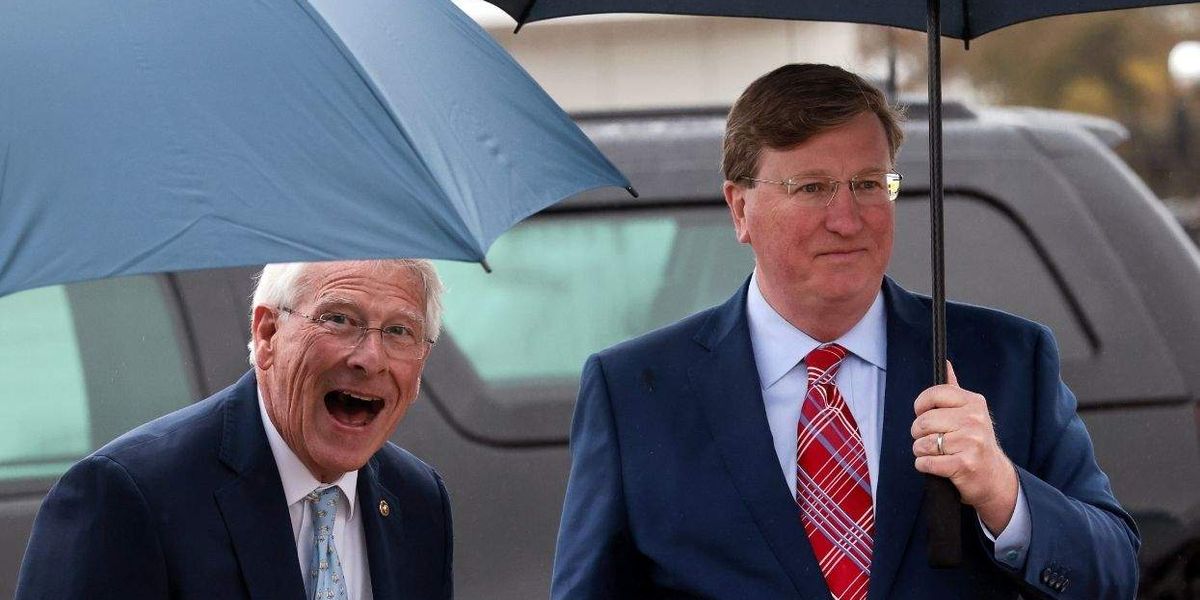
2 days agoMississippi is latest state to advance trans driver's licenses bill
Mississippi lawmakers passed SB 2322, restricting transgender individuals from updating gender markers on driver's licenses, awaiting the governor's signature.
#voting-rights-act
Social justice
fromABC7 Los Angeles
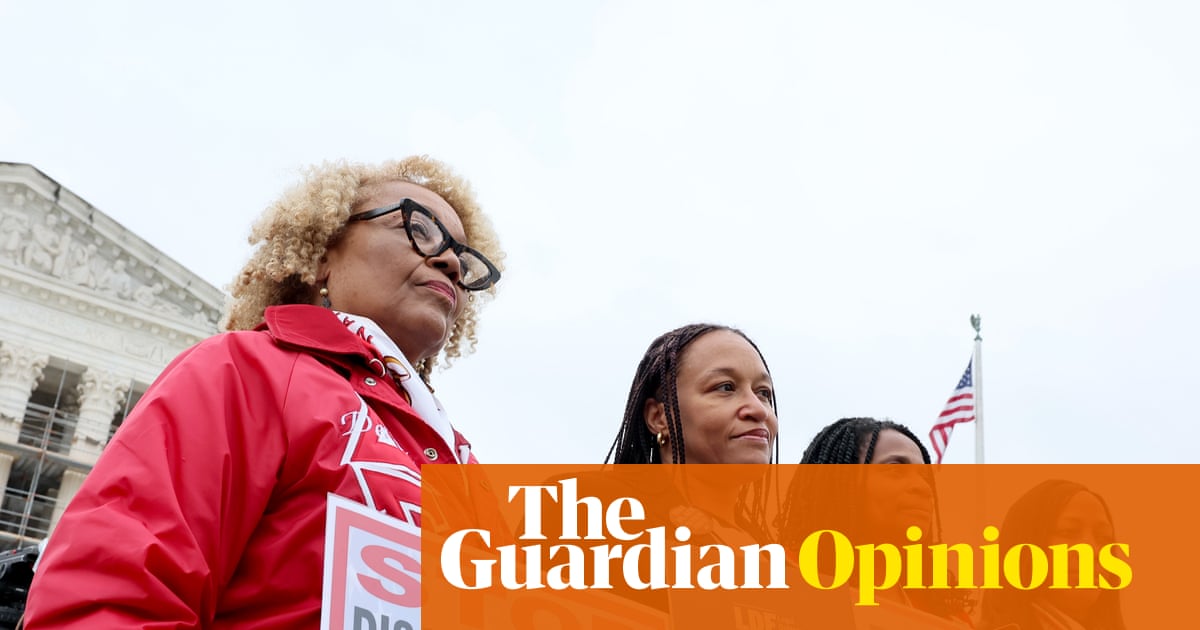
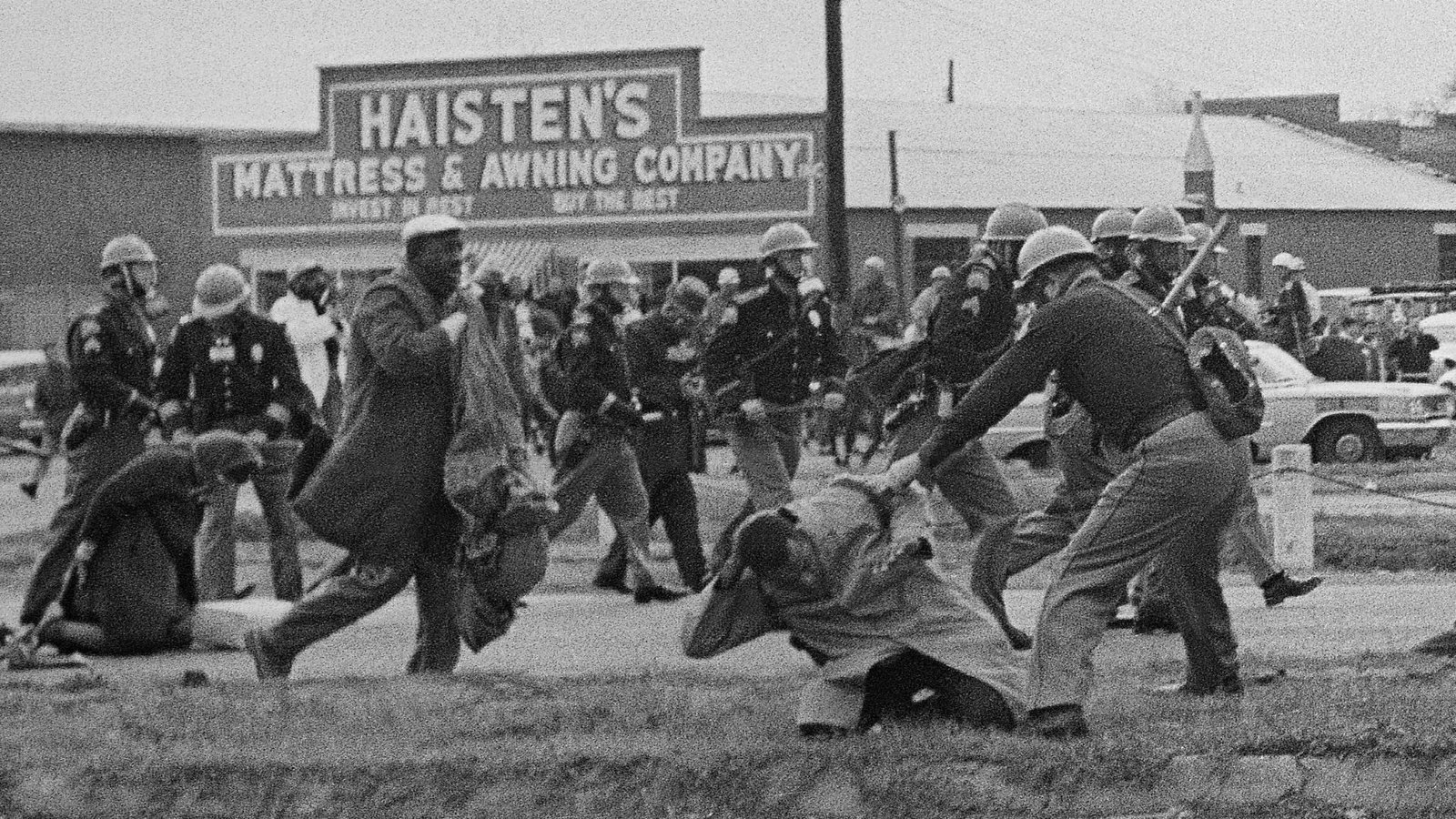
1 month agoDecades after violence in Selma spurred the Voting Rights Act, organizers worry about its fate
Sixty-one years after Bloody Sunday, Selma commemorates the 1965 voting rights march as the Supreme Court considers limiting the Voting Rights Act's protections for minority voting districts.
History
fromSmithsonian Magazine
2 weeks agoNine Black College Students Were Arrested in 1961 for Reading at a Segregated Public Library. Their Contributions to the Civil Rights Movement Have Long Been Overlooked
The Tougaloo Nine staged a sit-in at a segregated library in 1961, significantly impacting the desegregation movement in Mississippi.
US Elections
fromThe Nation
1 month ago61 Years After Bloody Sunday, We Are Entering a New Era of Voter Suppression
2026 faces voting rights threats through postal service changes and the SAVE America Act, which would require citizenship documents to register, potentially disenfranchising millions of Americans.

Education
fromwww.theguardian.com
1 month agoA Mississippi mother couldn't find accurate sex ed for her kids. So she started a class at church
A parent in Mississippi created comprehensive, medically accurate sexuality education through her church after finding existing school curricula inadequate and non-inclusive.



fromwww.theguardian.com
1 month agoBlack History Month was never given' to Black people, thus, it can never be taken from us
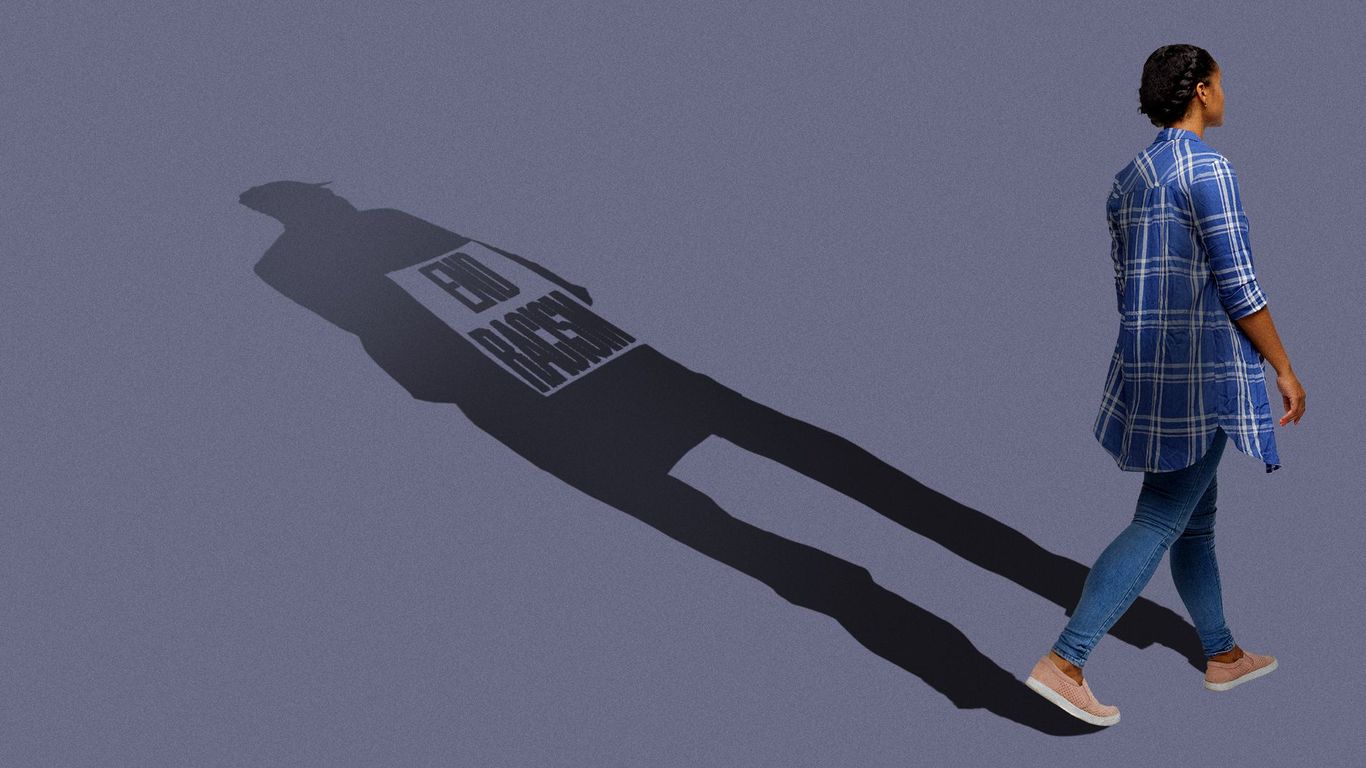
If you know anything about the basic origins of Black History Month then you know that we weren't given' anything. The question of who owns and authorizes Black History Month holds particular relevance now, in its centennial year, and at a time when efforts to celebrate, preserve, and acknowledge Black people's past in this country are under attack.
History
fromThe American Conservative
2 months agoRelive The Civil Rights Era. Send in The Troops
In any liberal morality play, Democrats always get to be the shivering, oppressed black people, while Republicans have to play the part of Bull Connor, Birmingham, AL's racist commissioner of public safety. Except the facts are exactly the opposite. I'm sure you're bored of hearing this, but Connor was a Democrat, as were all the politicians promising "massive resistance" to racial integration. Republicans were the ones forcing Democrats to abide by federal law, along with a few John Fetterman- style Democrats.
Right-wing politics
Education
fromTruthout
1 month agoWe Must Defend Black History - It Fuels Freedom Dreams of Students Under Attack
Teachers must transform curricula to eliminate biases and systems of domination while protecting vulnerable students, particularly Black students and students of color, from contemporary educational injustices.
fromwww.npr.org
2 months agoMartin Luther King Jr. had a dream ... about health care
They offered a rare window into the lives, struggles and aspirations of African Americans, and a way for me to feel connected to a community far beyond my immediate environment. Through Ebony, I was introduced to towering figures such as Dr. Martin Luther King Jr. and Supreme Court Justice Thurgood Marshall. Their courage, moral clarity and commitment to justice shaped how I thought leadership and service.
Public health
History
fromPsychology Today
1 month agoWhy Your Life Is Positively Impacted by Black History Month
Black American history is integral to U.S. history and shapes global popular culture; understanding this history through unlearning misconceptions and learning truth promotes psychological well-being and societal equity.
fromThe Conversation
2 months agoBuilding 'beloved community': Remembering the friendship between Martin Luther King Jr. and Buddhist monk Thich Nhat Hanh
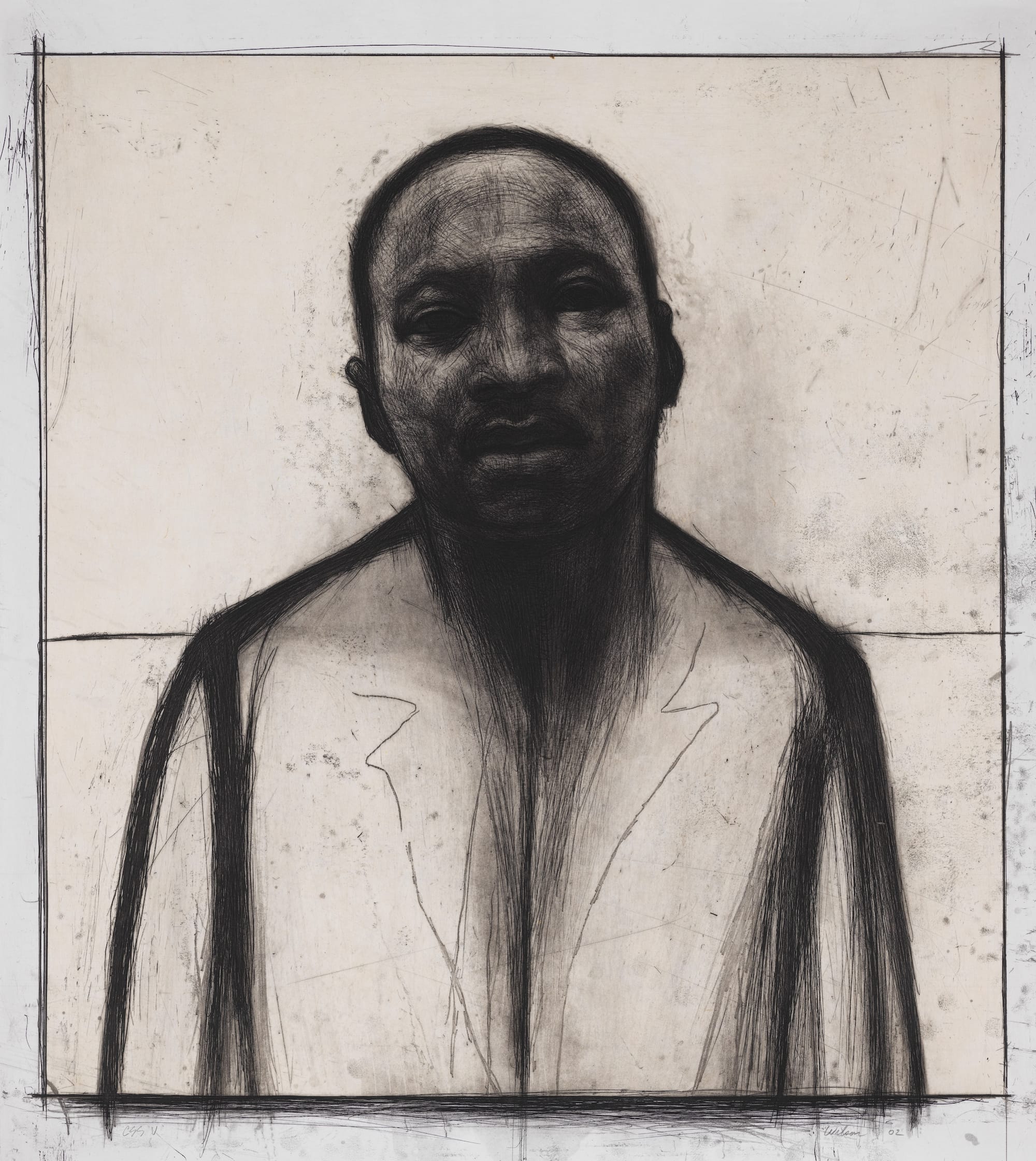
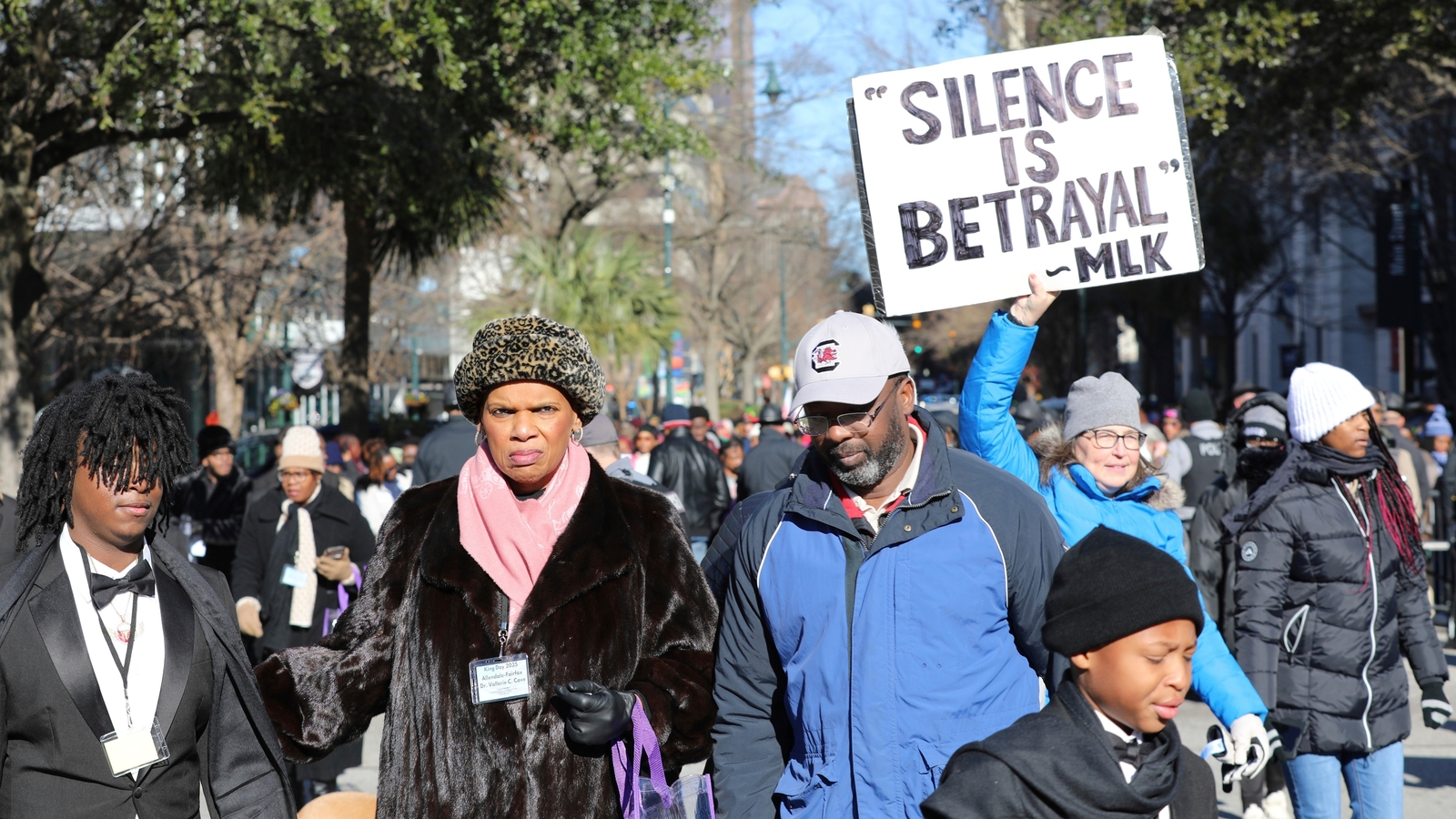
My new book, " On Mindful Democracy: A Declaration of Interdependence to Mend a Fractured World," is inspired by King and Hanh's friendship. These two men bonded over the shared insight that how we show up for each other matters, as does how we advocate for social change. In his sermon " Loving Your Enemies" King announced, "Hate cannot drive out hate, only love can do that." Hanh taught: There is no way to peace, peace is the way.
Philosophy
fromJezebel
2 months agoTrump Admin Doesn't Want Us to Call the Klansman Who Murdered Medgar Evers a Racist
On Thursday, Mississippi Today reported that several officials, who requested anonymity out of fear of retribution, said NPS told them to remove visitor brochures from the Medgar & Myrlie Evers Home National Monument and edit out details about Beckwith. Among the details reportedly flagged for removal: that Evers was found lying in a pool of blood after he was shot. The brochures referred to Beckwith as "a member of the racist and segregationist White Citizens' Council."
History


History
fromwww.mercurynews.com
2 months agoToday in History: January 30, Catholic civil rights marchers killed on Bloody Sunday'
January 30 features multiple major historical events—including Bloody Sunday, King Charles I's execution, Gandhi's assassination, the Tet Offensive, and several notable births.



fromFast Company
2 months agoHow Martin Luther King Jr. was a trailblazer in pushing for universal basic income
King's intuition was that white people with lower incomes would support this type of policy because they could also benefit from it. In 1967, King argued, "It seems to me that the Civil Rights Movement must now begin to organize for the guaranteed annual income . . . which I believe will go a long, long way toward dealing with the Negro's economic problem and the economic problem with many other poor people confronting our nation."
US politics
US politics
fromwww.mediaite.com
2 months agoAn American City in 2026': MS Anchor Stunned By Chaos As Feds Pump Tear Gas Shots At Protesters Amid New Shooting
Federal agents shot and killed a Minneapolis resident during clashes with protesters; tear gas was fired and video shows a physical altercation before multiple rounds.
fromNonprofit Quarterly | Civic News. Empowering Nonprofits. Advancing Justice.
2 months agoThe Third Reconstruction: Looking Beyond the Emergencies of Today to the Beloved Community | Nonprofit Quarterly | Civic News. Empowering Nonprofits. Advancing Justice.
In his "Freedom Dreams: The Black Radical Imagination," Robin D.G. Kelley explains that "a map to the new world is in the imagination." There are so many emergencies right now-ICE abductions, decriminalization of anti-Black racism, the political hijack of the struggle against antisemitism and anti-Blackness, unauthorized military aggression abroad, a climate crisis accelerated-that it's hard to know where to direct our resistance.
US politics
Social justice
fromKqed
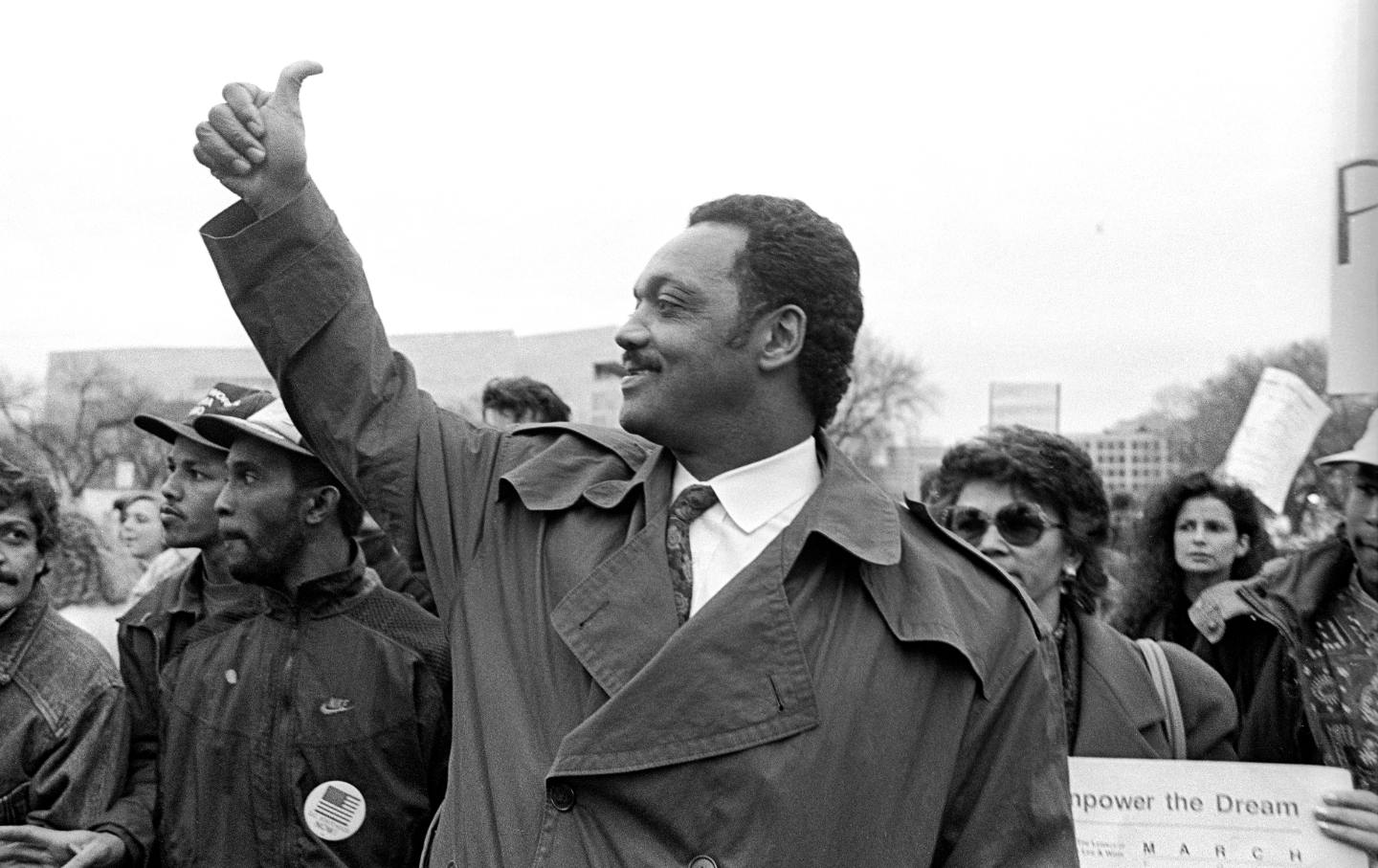
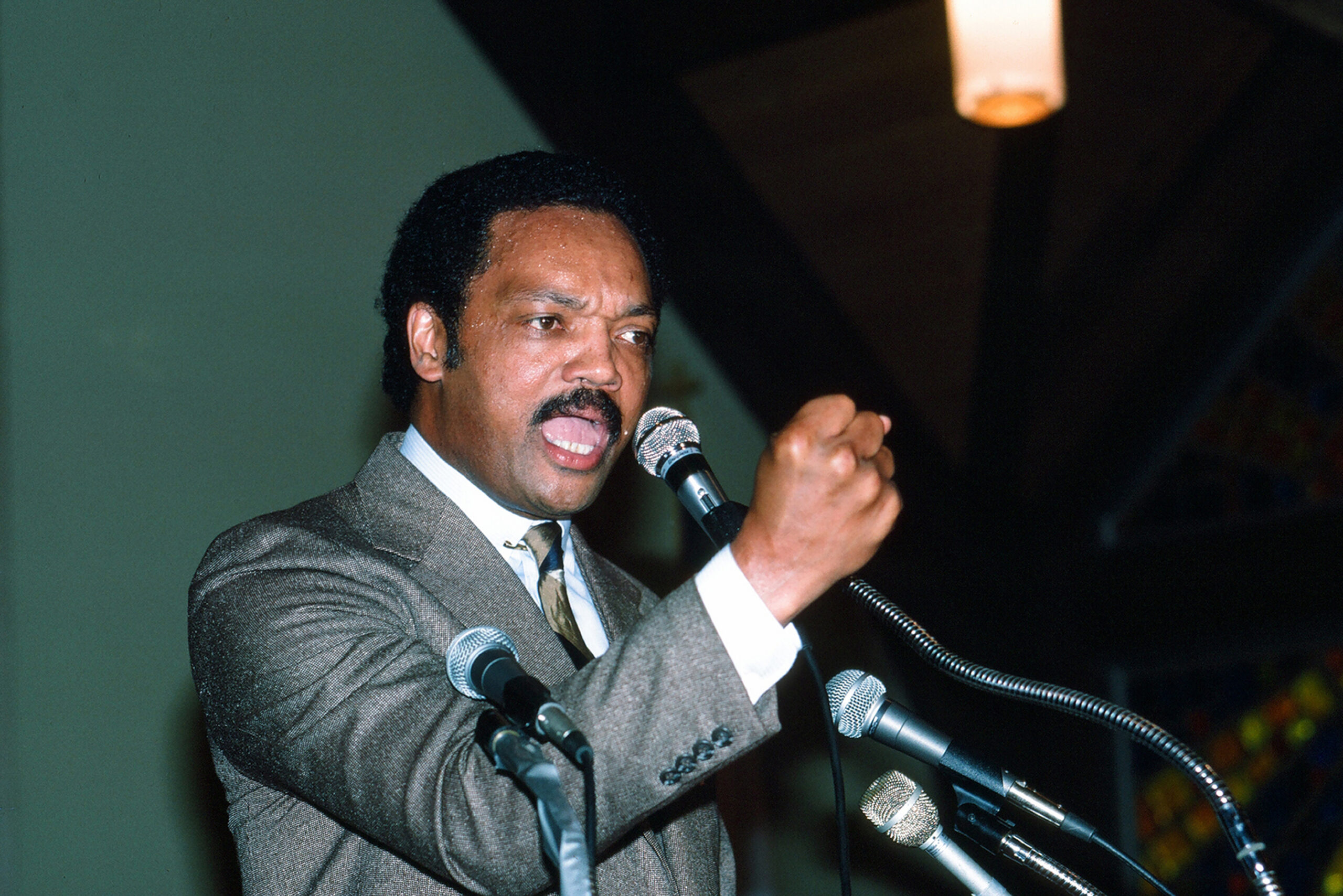
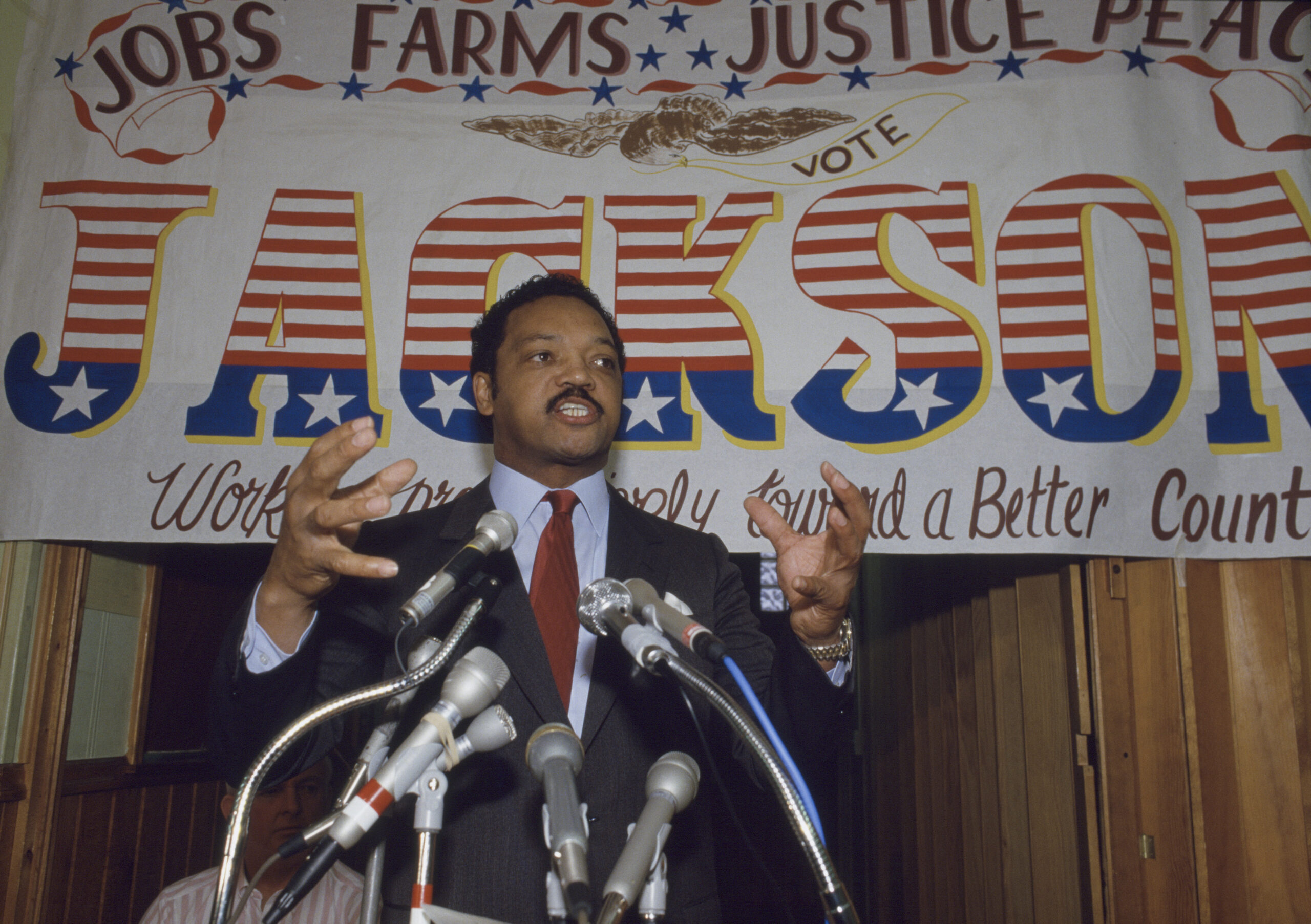
1 month agoRev. Jesse Jackson Sr., Civil Rights Icon Who Fought for Tech Diversity, Dies at 84 | KQED
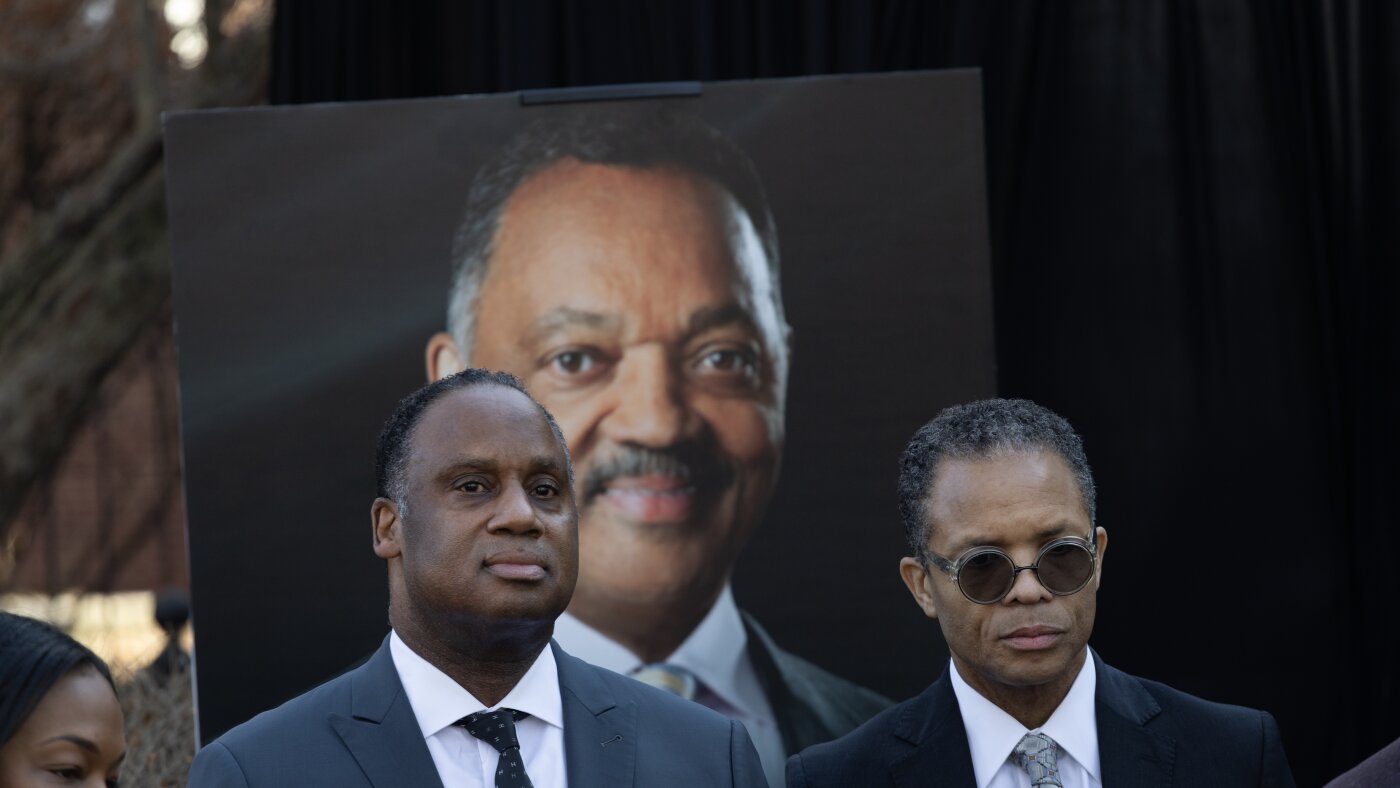
Jackson linked diversifying tech and access to capital to civil rights, urging investment in marginalized communities and STEM education while championing activism and sacrifice.
fromwww.aljazeera.com
2 months agoTensions flare in Minnesota as protesters, federal agents square off
Agents fired tear gas in Minneapolis as a crowd gathered around immigration officers questioning a man while in St Cloud, a city to the northwest, hundreds of people protested outside a strip of Somali-run businesses after Immigration and Customs Enforcement (ICE) officers arrived. Later that night, clashes broke out between protesters and officers guarding the federal building being used as a base for the crackdown in the Twin Cities of Minneapolis and St Paul.
US politics
fromwww.housingwire.com
2 months agoHow MLK's Fight for Homeownership Equality Changed My Life
During the Civil Rights Movement, the Chicago Freedom Movement took place from 1965 to 1967. Dr. King co-led this campaign with local activists to confront racial discrimination, segregation, and housing inequities in one of America's largest cities. Unlike the Jim Crow laws of the South, segregation in Chicago was often enforced through policy, lending practices and real estate discrimination rather than explicit laws.
Social justice
[ Load more ]