#voting-rights-act
#voting-rights-act
[ follow ]
#supreme-court #redistricting #gerrymandering #civil-rights #racial-gerrymandering #racial-discrimination




fromThe Atlantic
2 days agoHow the Supreme Court Learned to Love Partisan Gerrymandering
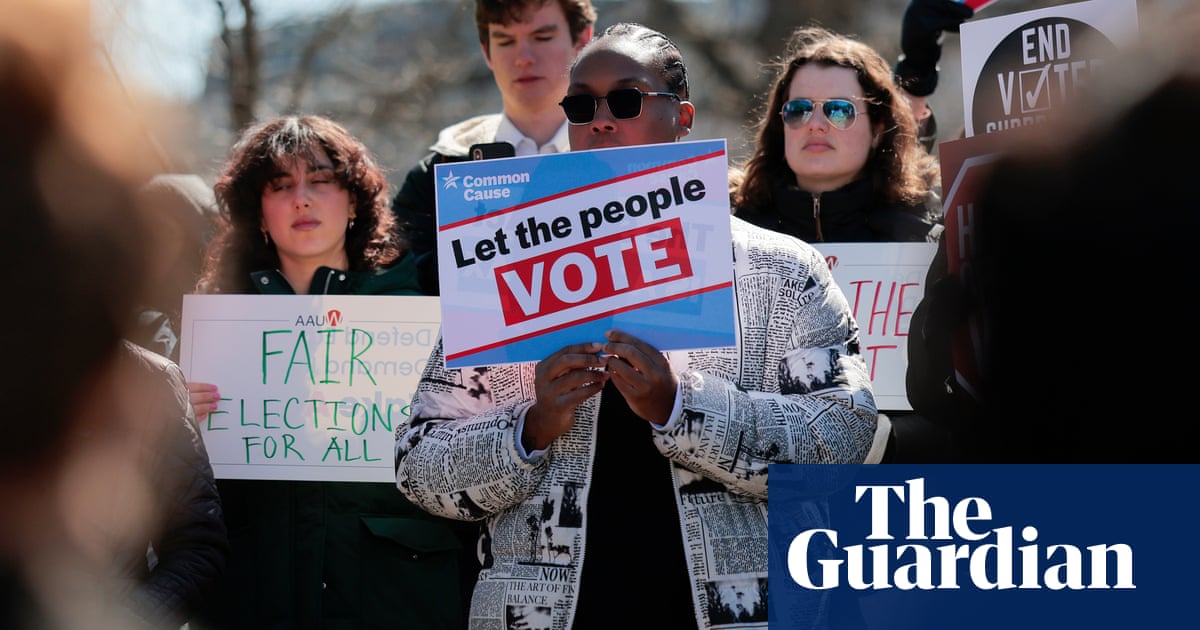
Roberts, writing for the majority, lamented that partisan gerrymandering was pernicious and unfair. 'Excessive partisanship in districting leads to results that reasonably seem unjust,' he wrote in Rucho v. Common Cause.
Right-wing politics



fromwww.npr.org
6 days agoIran war has cost $25B, Pentagon says. And, SCOTUS strikes blow to Voting Rights Act
The Pentagon estimates the war in Iran has already cost $25 billion, according to Pentagon Comptroller Jay Hurst. Hurst testified before the House Armed Services Committee yesterday alongside Defense Secretary Pete Hegseth, who offered no indication of when the war might end during his combative testimony.
US news
#civil-rights
Social justice
fromABC7 Los Angeles
1 month agoDecades after violence in Selma spurred the Voting Rights Act, organizers worry about its fate
Sixty-one years after Bloody Sunday, Selma commemorates the 1965 voting rights march as the Supreme Court considers limiting the Voting Rights Act's protections for minority voting districts.
fromAbove the Law
2 months agoJohn Roberts Suffers The Slings And Arrows Of Pure Rage Trump - Above the Law
From a hearty handshake and Trump telling him, 'Thank you, won't forget it' last year to getting bypassed in the handshake line at this year's State of the Union, it's been a long strange trip for Roberts. And yet he wouldn't have it any other way because for Roberts, ritualistic humiliation is a small price to pay for dismantling the Voting Rights Act.
US politics



fromwww.mediaite.com
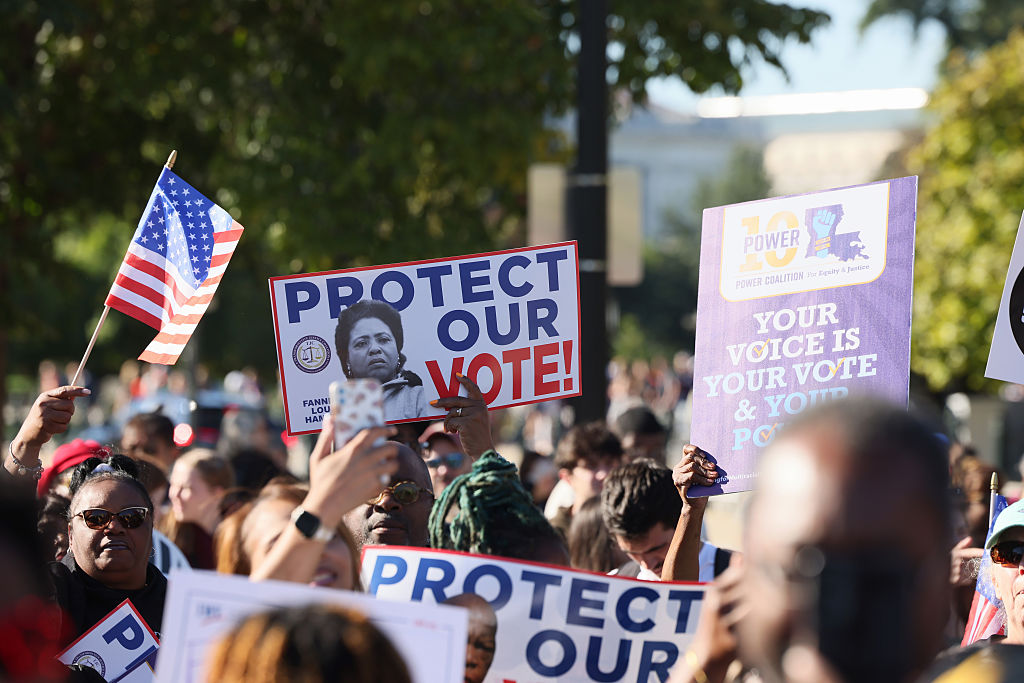
4 months agoMS NOW Expert Warns Republicans Could Gerrymander Racial Minorities Into Oblivion' And Gain 19 House Seats
This gives the Supreme Court an opportunity to neutralize what remains of the voting rights act and to allow states to really gerrymander racial minorities into oblivion, to deny them fair representation, Stern said. He continued, saying, it stands to give Republicans 15 to 19 more seats in the House of Representatives in the 2028 cycle. That is a bombshell. It is huge, and I feel like it's not really getting enough attention in proportion to the impact that it may well have.
US politics
fromThe Atlantic
4 months agoHow to Stop Trump's Plan to Steal the 2026 Elections
The Atlantic 's David Frum opens with his thoughts on the absurd Peace Prize awarded to Donald Trump by FIFA. David discusses how the invented prize reflects what FIFA understands about our president-that he's the kind of leader who can be won over with shiny trinkets and fancy ceremonies. Then, David is joined by Michael Waldman from the Brennan Center for Justice to discuss how the Trump administration might try to undermine or even outright steal the 2026 elections.
US politics
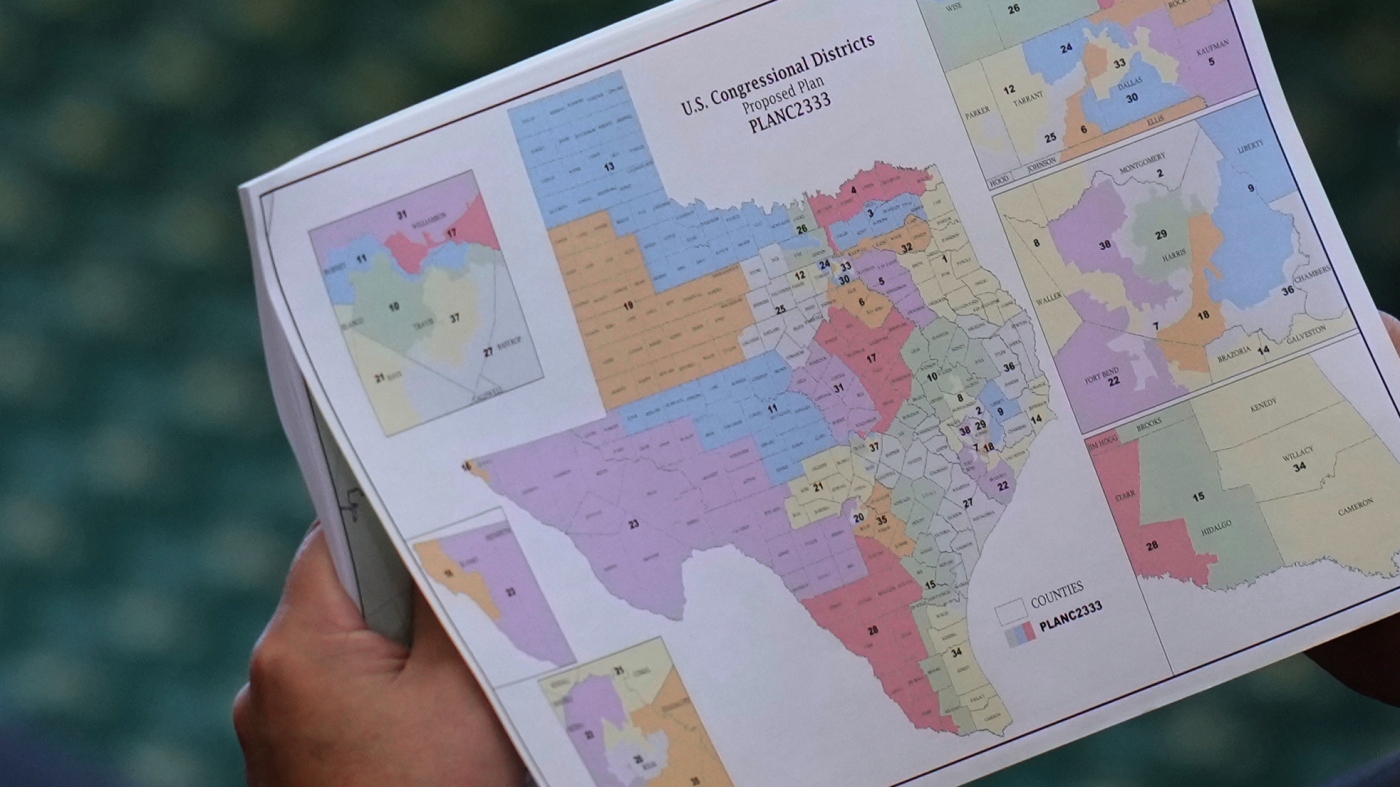
fromwww.aljazeera.com
5 months agoUS court blocks new Texas congressional map while state officials appeal
A panel of federal judges has ruled that Texas's newly redrawn congressional districts cannot be used in next year's 2026 midterm elections, striking a blow to Republican efforts to tilt races in their favour. On Tuesday, a two-to-one majority at the US District Court for western Texas blocked the map, on the basis that there was substantial evidence to show that Texas racially gerrymandered the districts.
US politics
[ Load more ]