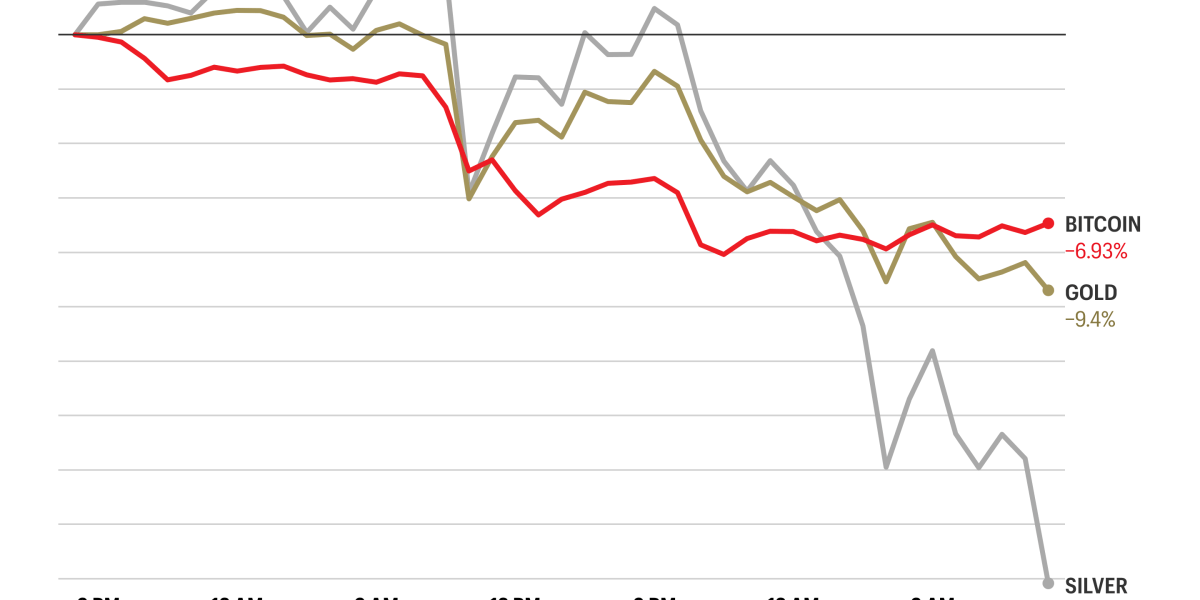
Futures are trading higher after a strong bounce-back Monday, with all major indices ending the day higher, as we started February on a winning note. Investors were able to look past the crypto and precious metals meltdowns, geopolitical hot spots around the world, some big retail and institutional investors' profit-taking, and a surge of additional issues to power stocks higher on Tuesday. The Dow Jones Industrials led the way on Monday, closing at 49,407, up 1.05%,
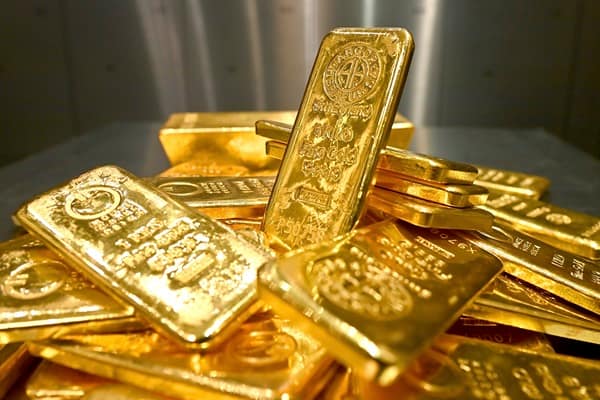
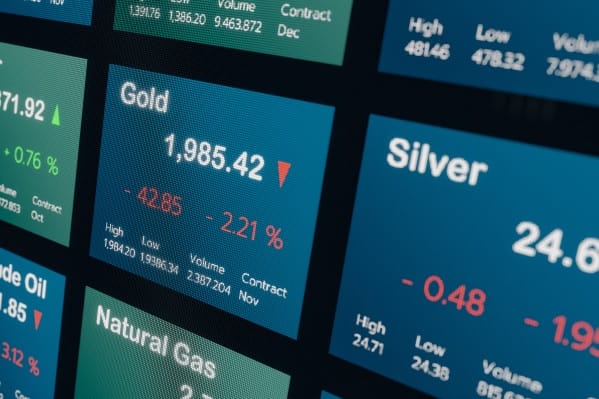
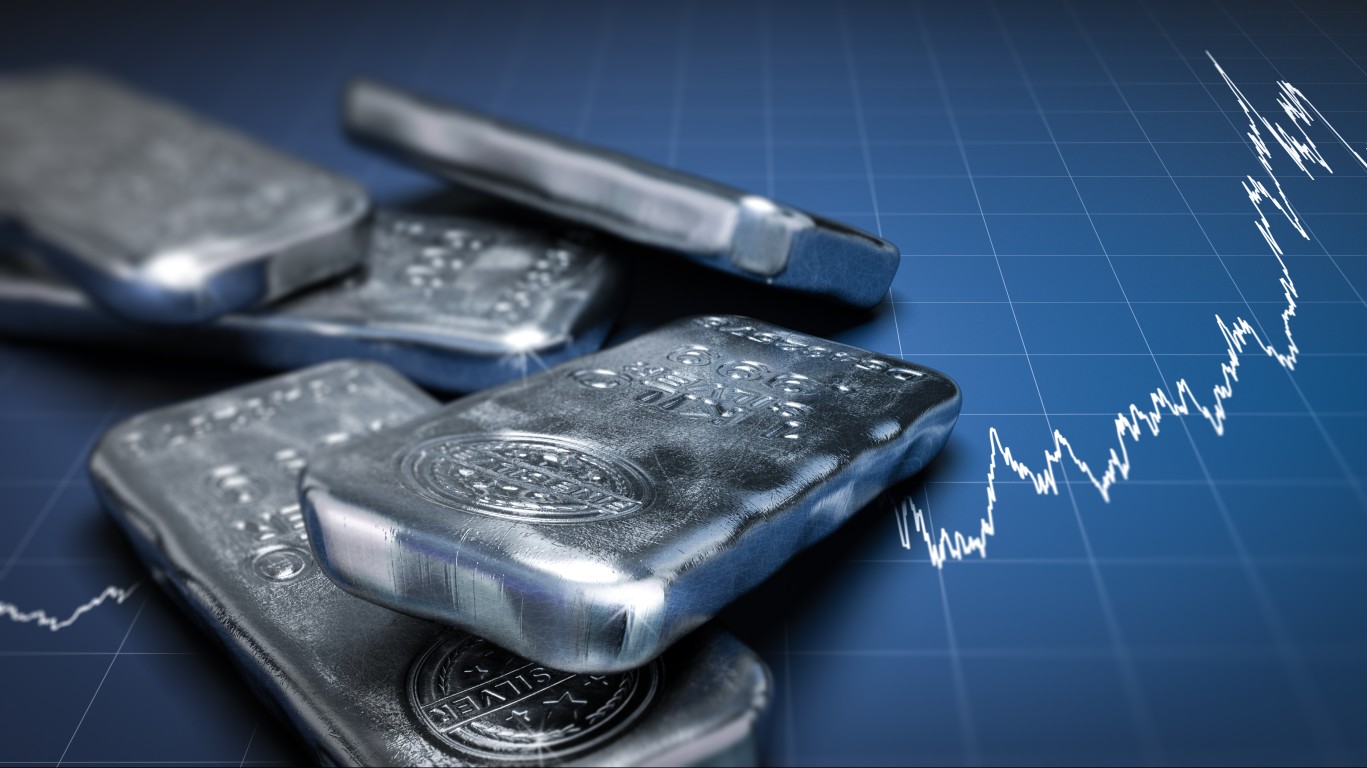
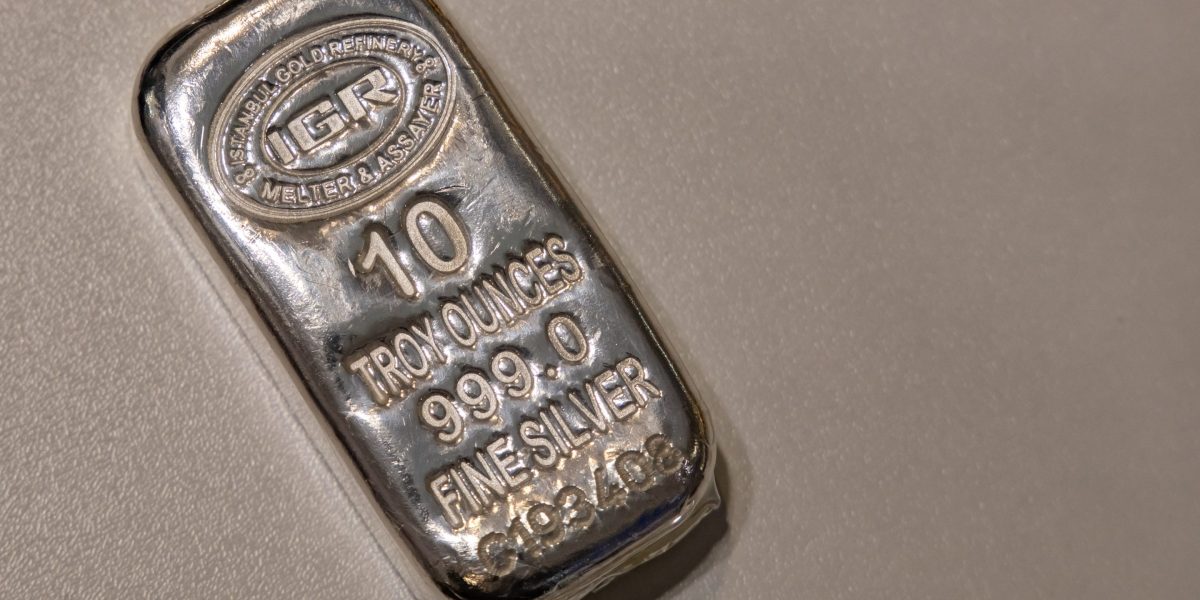
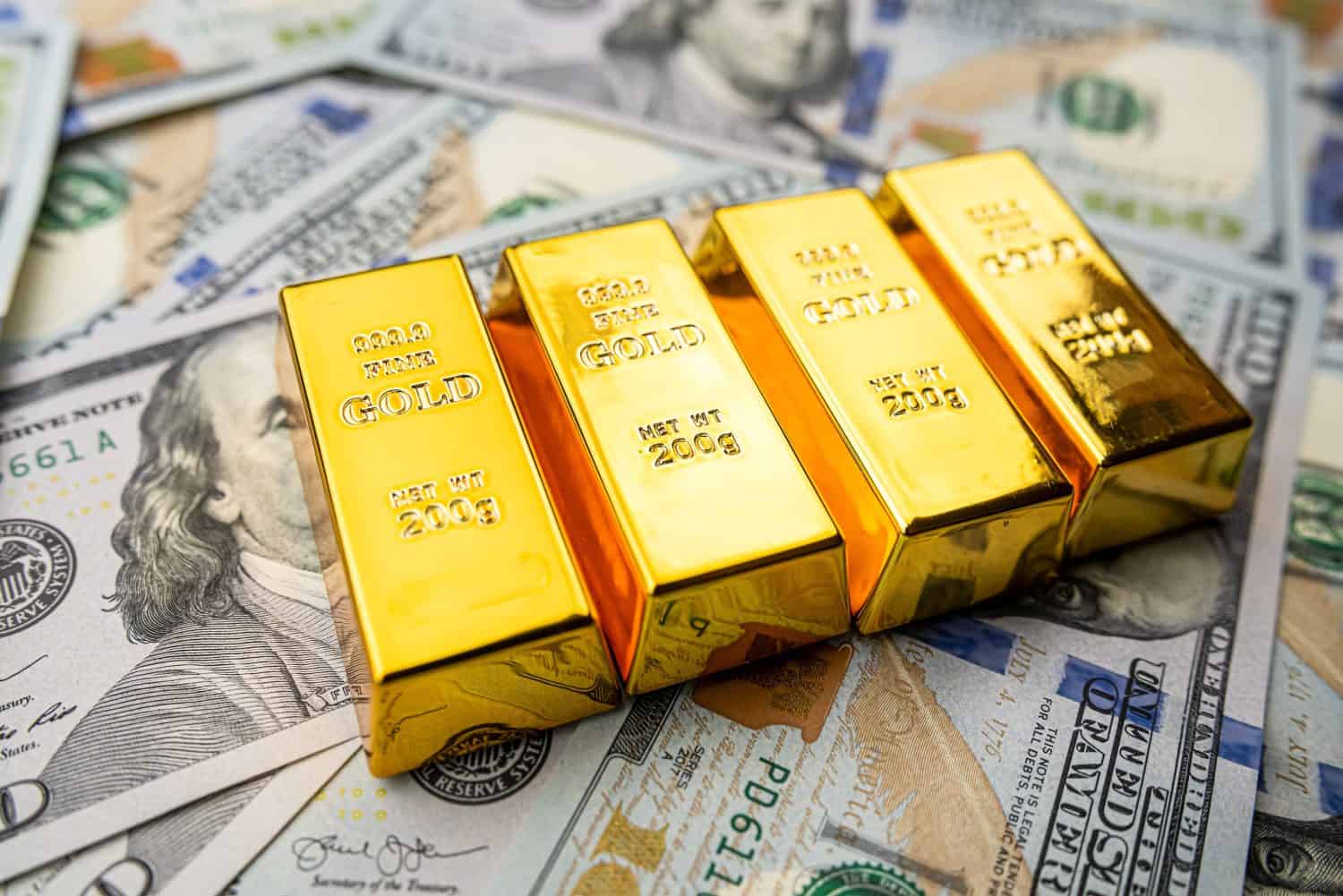
Silver has experienced a remarkable bull market, more than quadrupling in value from around $30 (24.54) per ounce at the start of the year to an all-time high of $120.44 per ounce (28 grams) on Thursday (January 29). At the beginning of last year, the metal traded on COMEX the commodity division of the New York Mercantile Exchange (NYMEX) near $30 in January and hovered between $37 and $40 through the summer before breaking decisively higher.
A downbeat start for European markets today with equities taking the back foot as traders once again look to the precious metal space for consistent returns. In a week filled with potential volatility, traders have to weigh up the direction of travel once Wednesdays FOMC meeting and mag7 earnings are out the way. While today's economic calendar remains relatively light, the release of German Ifo business climate and US durable goods data provide two areas of note.
The markets are retreating today after a two-day rally in which technology stocks were out front. Today, tech is a drag, with stalwart chipmaker Intel ( Nasdaq: INTC) down by a double digit percentage as worries around chip demand resurface. All three of the major stock market averages are seeing red, including a fractional decline in the Nasdaq Composite. Nvidia ( Nasdaq: NVDA) is a rare gainer today, tacking on 1.6% and preventing the markets from further declines.
From reproductive rights to climate change to Big Tech, The Independent is on the ground when the story is developing. Whether it's investigating the financials of Elon Musk's pro-Trump PAC or producing our latest documentary, 'The A Word', which shines a light on the American women fighting for reproductive rights, we know how important it is to parse out the facts from the messaging. At such a critical moment in US history, we need reporters on the ground.
Yields were lower Monday across the Treasury curve as buyers returned from the holiday, looking to grab bonds, especially longer-dated maturities. Despite bond traders preparing for a heavy schedule of U.S. Treasury debt auctions throughout the holiday-shortened week, which tends to increase bond supply and push prices down, the opposite happened Monday. The 30-year-long bond closed trading at 4.80%. In comparison, the benchmark 10-year note was last seen at 4.11%.
The latest rally came after the U.S. launched strikes on Islamic State targets in Nigeria on Thursday, adding to other geopolitical tensions. Earlier in the week, the Trump administration continued to pile on more pressure on Venezuela by targeting additional oil tankers, squeezing a key source of revenue for the Maduro regime. Meanwhile, the Pentagon sent large numbers of special-operations aircraft, troops and gear into the Caribbean, sources told the Wall Street Journal.
Global markets are nearing the year-end with striking contrasts across major asset classes, shaped by shifting rate expectations, geopolitical uncertainty, and uneven economic momentum. Nowhere was this divergence more evident than in the performance of commodities, oil, and global equities. Gold led with a gain of more than 60%, its strongest annual advance in over a decade, while silver outperformed even that, surging nearly 100% over the year. Both precious metals benefited from expectations of global monetary easing, persistent geopolitical tensions,
"I use debt as money and I don't save cash because in 1971 the dollar became debt," he added, referring to the Nixon shock, where the former president ended the convertibility of the US dollar into gold, devalued the currency, and ultimately, led to the rise of cryptocurrencies. Instead, Kiyosaki uses debt to buy assets, like gold, which can withstand market crashes and spiraling inflation-unlike cash saved in the bank. "If I go bust, the bank goes bust," he added. "Not my problem."