Artificial intelligence
fromFast Company
1 week agoA perfect storm is coming for legacy consulting firms
AI and economic pressures are reshaping the consulting industry, challenging legacy firms to adapt their business models.
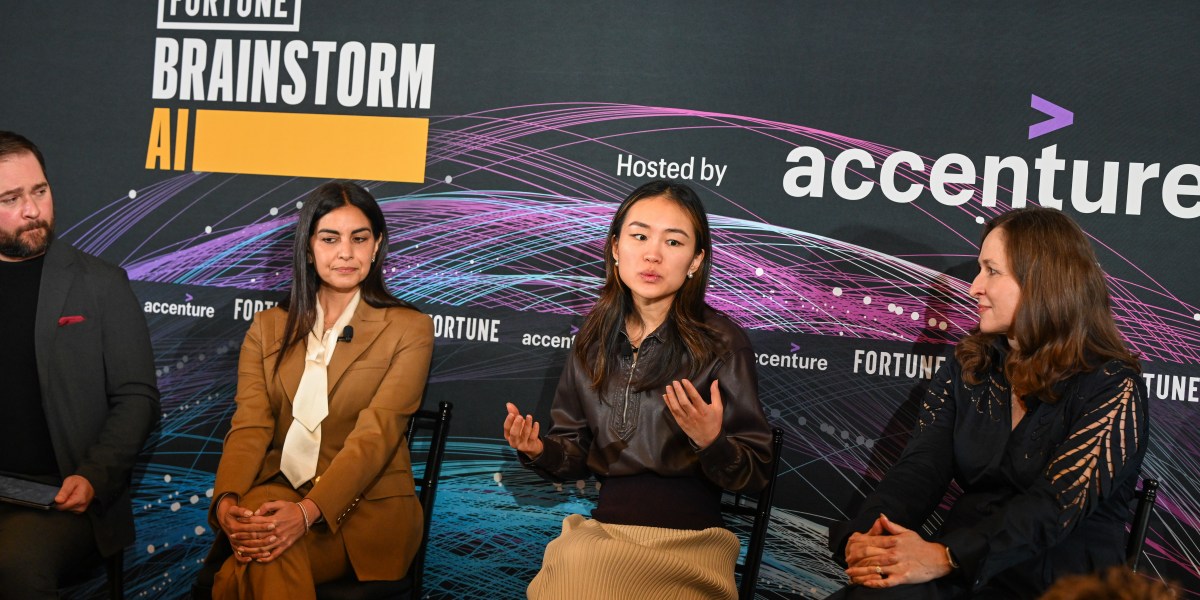
In September, the consulting firm Accenture made headlines when it acknowledged it had "exited" 11,000 employees who couldn't be retrained to adapt to AI. On a recent earnings call, CEO Julie Sweet explained the decision bluntly, saying that "the workforce needs new skills to use AI, and new talent strategies and related competencies must be developed." It's a tough-but-true reality that thanks to AI, tomorrow's jobs will look radically different than they do today.
Demand for coders has collapsed. Up until this year, programming has been considered one of the most secure, predictable, and lucrative career options. But now, we're seeing reports that employment for programmers has collapsed to its lowest level since 1980. On the surface, the connection is obvious. AI agents are able to write code and do so much faster and cheaper than professional programmers. Code is structured text, something AIs are particularly well-suited to understand and reproduce.
Marketing agencies are in a period of transformation, thanks in part to AI, and they're using the opportunity to think about purposeful reinvention, according to a survey of agency leaders. The report, " AI's Effect On The Marketing Industry" (registration required), from Sunup found AI is already responsible for changes in the hiring practices of many agencies. Agencies are fundamentally rethinking what they offer clients, how they structure their teams and what skills the marketer of 2030 will need to succeed, according to the report.