Mental health
fromTNW | Opinion
1 day agoHalf of young Europeans turn to AI to talk about intimate matters
Technology is reshaping human connections, leading individuals to seek emotional support from AI instead of friends.
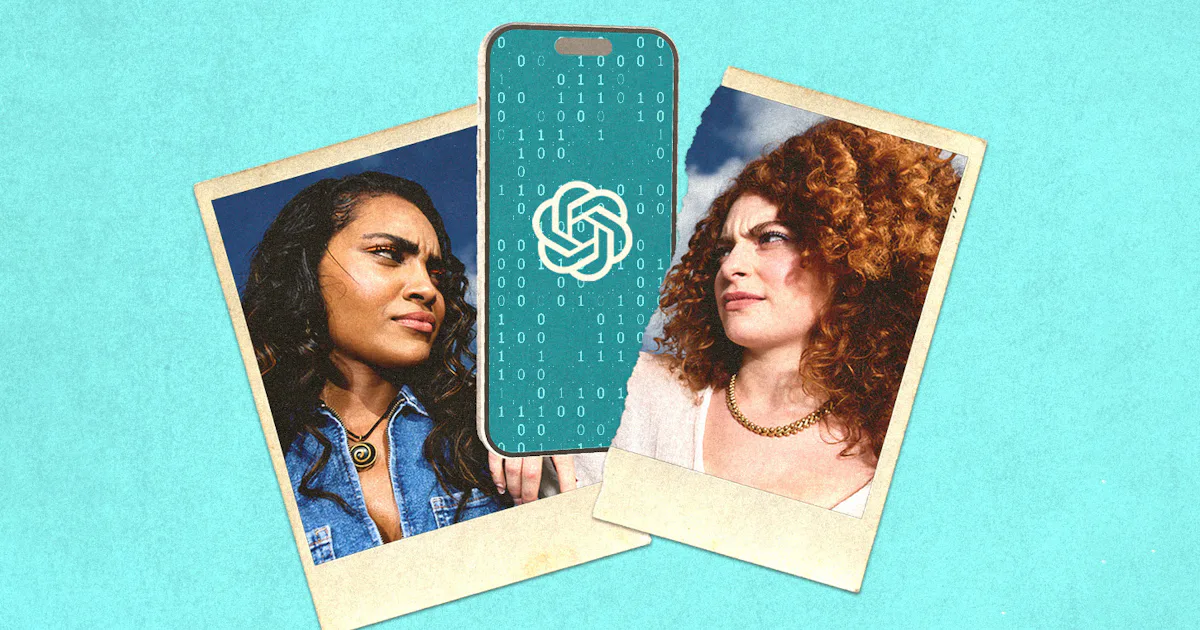
Martina Wanis described ChatGPT 4o as 'this digital thing that helped you with work, while simultaneously acting like an intelligent partner in crime who actually understood the vibe and your personal ontology.' She noted that newer models 'tightened down the personality and turned into paranoid HR managers,' which increased her mental load instead of decreasing it.
"They didn't know how to express themselves. If you ask them how they felt, they will tell you what they did versus the actual feeling," Cooper said. "That's what made me take a deep dive in cognitive behavioral therapy, utilizing that as a tool to teach them how to emotionally regulate, and then to be able to articulate those emotions to the people that they care about."
As a postpartum woman, most of the time, I just want my husband to hug me and tell me he's sorry I'm uncomfortable in my new body. I don't always want to hear how attractive he finds me, because I don't see it. Maybe try thanking her for sacrificing her pre-baby body to bring your children into the world. Tell her you appreciate that and love her.
Gracefully Broken, a nonprofit founded by Antioch native Randi Garcia, has spent the past three-and-a-half years serving residents in need through resource distribution, family events and volunteer outreach rooted in dignity and compassion. Garcia, born and raised in Antioch, said her connection to the community runs deep, having attended local schools before eventually settling in Oakley. The inspiration for Gracefully Broken came during her first clothing giveaway.
My daughter is in an open relationship, but I can tell she's unhappy. When she first told me about it, I asked genuine questions out of curiosity, but she became defensive. She even tried to guilt me into being more progressive and open-minded. I know that in this day and age, there is a whole new way to date, but as a mother, it seems like my daughter has agreed to this dynamic because she likes her boyfriend.
I just met with Flus early this morning. Incredible human being. I love the man, but at the end of the day, the football wasn't right. I've been in this position, I've been Flus. I've been the guys in this room. I understand the questions. I understand the concerns, and I will answer all of those. Right now the focus has to be, number-one, the man.
On the surface, my own childhood certainly looked idyllic. My dad worked, and my mom stayed home. I did well in school. I was involved. If I expressed interest in an activity, my mom signed me up. She schlepped me around town, to games and competitions, to art classes and orchestra practices. I stood out academically; my report cards always read "a pleasure to have in class." I was a rule follower by nature, seemingly clinging to the order and structure that school offered me.
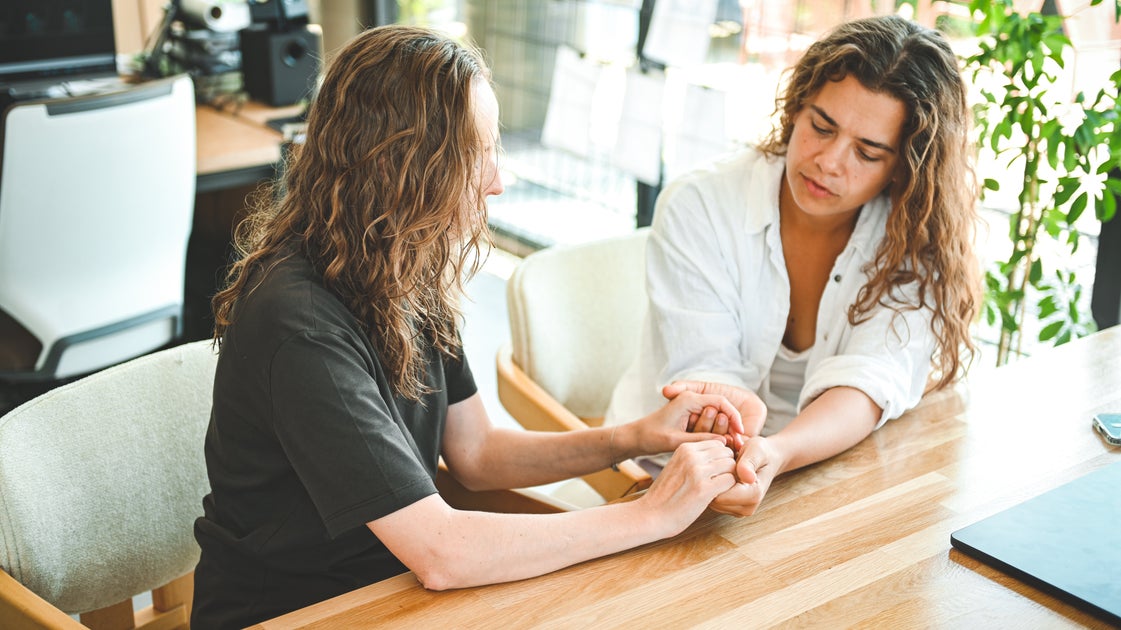
As much as friends have problem-solved with me, empathized with me, and tried to figure things out with me, one of the most helpful things they've done is keep me company-sitting beside me, containing, not fixing. It's not a glamorous way to support someone. And it's certainly not a very strenuous way to support someone. But for me, often, it's all I need.
The well-documented rise in adult-child-parent estrangement creates stressors for grandparents, too (such as loss, identity change, social isolation, and complicated loyalties). It raises the practical importance of grandparent communities as protective resources (for emotional support, practical help, advocacy, and skills for boundary work). I was recently speaking to a friend who is also a new grandparent, and we discussed the joys of being grandfathers, as well as how rewarding it feels to help our adult children navigate this challenging time in their lives.
Last night in my workshop on Interactive Journaling with AI, one participant spoke up after I had finished my demo with ChatGPT. "I feel less special. I thought the way it talked to me was unique, but it said similar things to you." Once I set aside the part of me that wanted to immediately reassure her, the significance hit me. This is exactly why I teach this workshop.
To support IVF and a friend through their fertility journey can feel overwhelming. When someone close to you faces infertility and begins IVF treatment, knowing what to say and how to help becomes crucial. This comprehensive guide reveals practical ways to provide meaningful support during one of life's most challenging experiences. You'll discover what really helps, what to avoid, and how to be the friend your loved one truly needs during their path to parenthood.
A busy life and demanding job can leave you emotionally depleted. When your own head is spinning, it can be hard to switch gears and listen to a partner who is struggling. It may be tempting to instruct them on how to fix things or lecture them on how they should have avoided the problem in the first place. Yet, both responses seem to make things worse.