#fiscal-policy
#fiscal-policy
[ follow ]
#national-debt #government-spending #interest-payments #economic-growth #inflation #federal-debt #us-debt


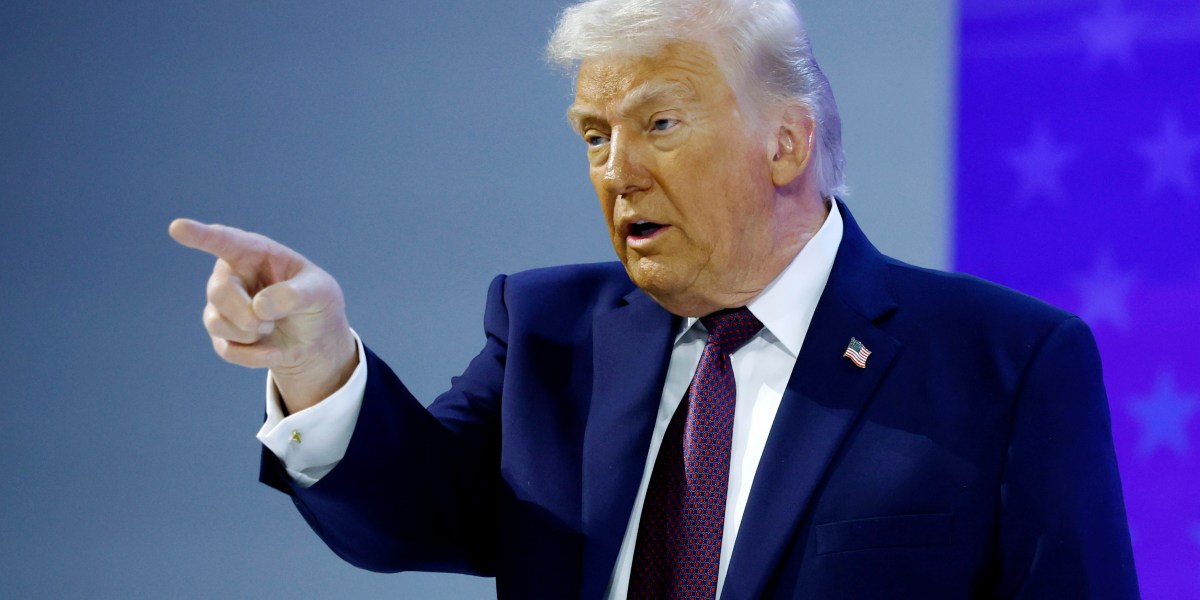

Brooklyn
fromwww.amny.com
2 days agoFiscal watchdog argues Mamdani's free bus push won't make transit more affordable, recommends Fair Fares expansion in report | amNewYork
Expanding the city's half-priced fare program is more effective and affordable than implementing free bus rides, according to a fiscal watchdog report.
#national-debt




US politics
fromFortune
1 month agoU.S. had a national debt 'home run' in its grasp, says Jamie Dimon-the government did nothing with it, and now its best option is crisis management | Fortune
The U.S. national debt exceeds $39 trillion, with interest payments surpassing $1 trillion annually, raising concerns about fiscal sustainability.
Business
fromFortune
1 month ago'There is no silver lining in this trajectory': Budget watchdog warns of financial, inflation or currency crisis due to $39 trillion national debt | Fortune
U.S. national debt exceeds $39 trillion, prompting calls for a deficit-to-GDP benchmark of 3% to stabilize fiscal trajectory.
US politics
fromFortune
1 month agoThe national debt just crossed $39 trillion-almost doubling since Trump vowed to erase it | Fortune
U.S. national debt reached $39 trillion in January 2025, accumulating at an unsustainable pace that budget experts unanimously describe as alarming and economically dangerous.
US politics
fromFortune
1 month ago$39 trillion national debt is 'an embarrassing milestone,' think tank says. 'Clearly headed in the wrong direction' | Fortune
U.S. gross national debt exceeded $39 trillion in less than six months after reaching $38 trillion, reflecting decades of fiscal irresponsibility from both political parties with no meaningful reform efforts underway.
#us-economy
SF politics
fromFortune
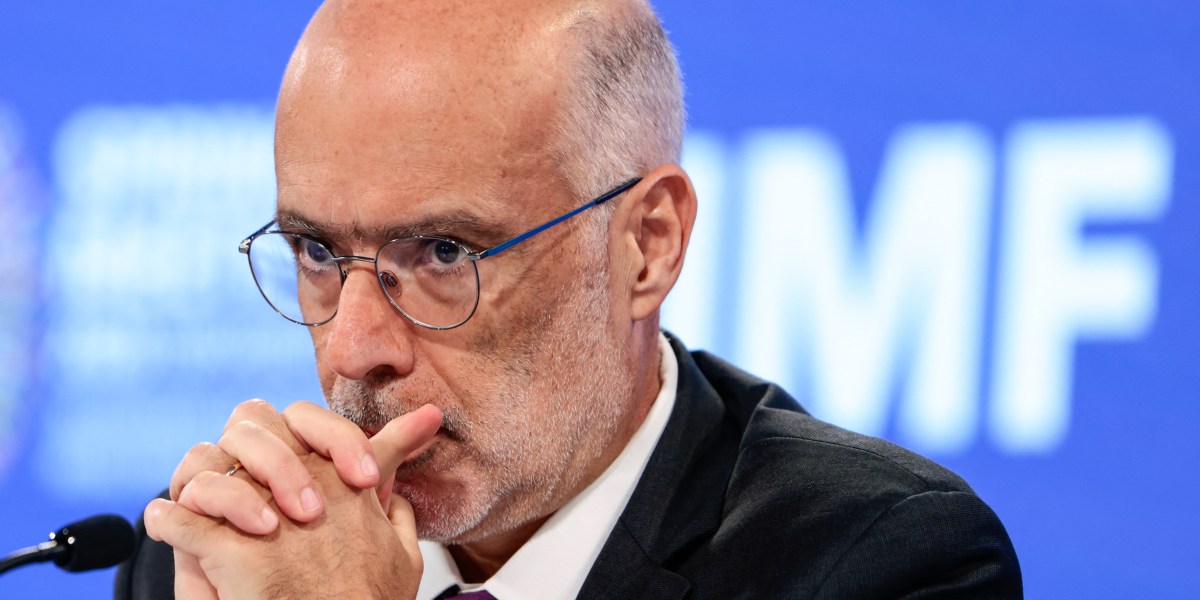
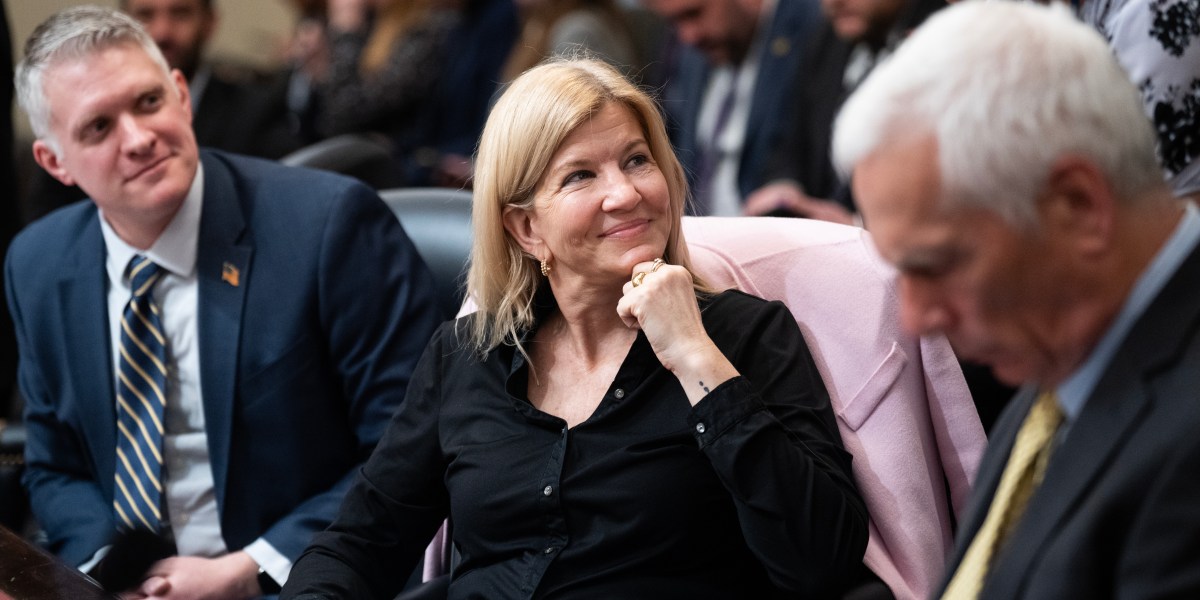
2 weeks agoThe director of the Congressional Budget Office-known for its gloomy national debt data-is very optimistic that a crisis will be avoided entirely | Fortune
Dr. Phillip Swagel, director of the CBO, remains optimistic about the U.S. economy despite significant national debt and interest payments.
#us-debt
SF politics
fromFortune
6 days agoInterest on U.S. debt is becoming a top driver of future deficits, as the sheer size of past borrowing overwhelms the fiscal outlook | Fortune
U.S. debt is projected to rise significantly due to increasing interest payments on past borrowing, surpassing economic growth.
US politics
fromFortune
1 week ago'Cut up the credit cards:' Members of Congress are getting brutal about 'embarrassing' $39 trillion national debt | Fortune
U.S. public debt has surpassed the economy's size, raising concerns among lawmakers about fiscal responsibility and future economic consequences.
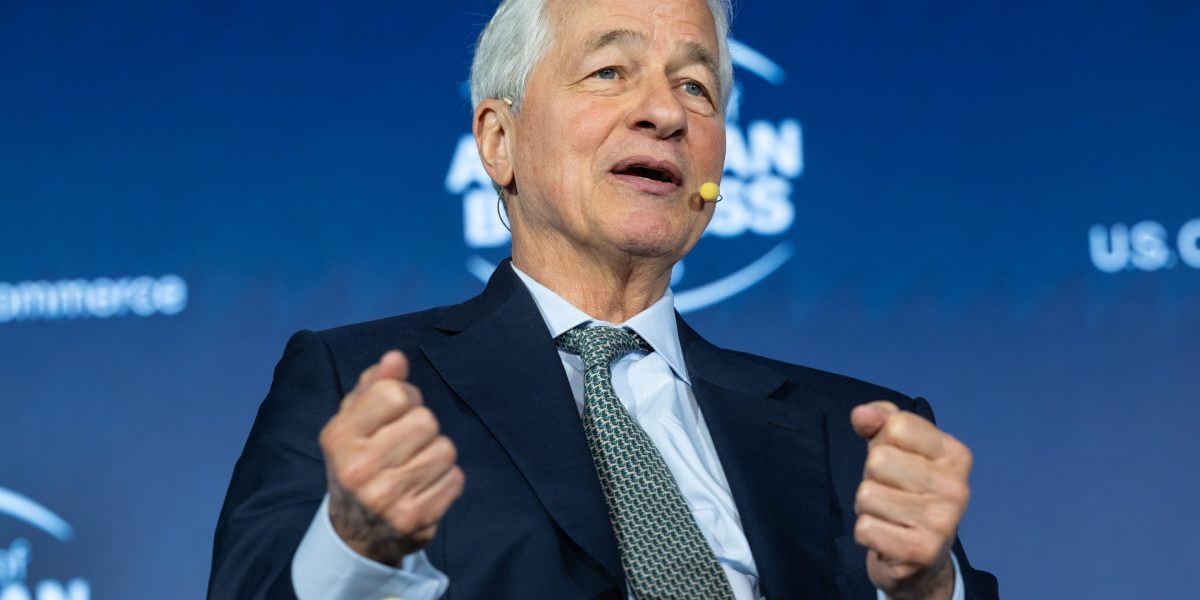
fromwww.theguardian.com
2 weeks agoTaxes on UK workers have risen at fastest rate in rich world, says OECD
Britain's tax wedge, which estimates total taxes on labour paid by employees and employers, minus cash benefits received by working households, increased by 2.45 percentage points last year, the most in the OECD.
UK politics
#budget-proposal

SF politics
fromFortune
2 weeks agoAmerica's national debt is heading to 175% of GDP. Here's why no president-including Trump-has the will to stop it | Fortune
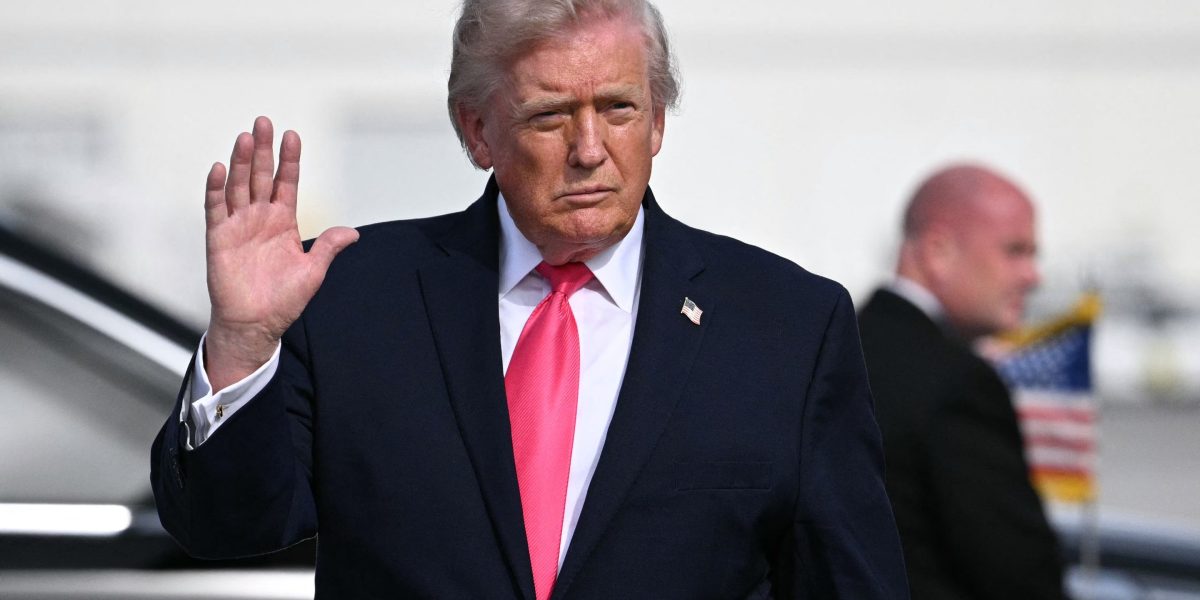
Trump's proposed Fiscal 2027 Budget increases defense spending by 40% while cutting non-defense spending, leading to a significant deficit and debt growth.
fromLondon Business News | Londonlovesbusiness.com
2 weeks agoReeves mulls wartime-style bonds to plug 17bn defence funding gap - London Business News | Londonlovesbusiness.com
The idea has reportedly gained support from Defence Secretary John Healey and has been discussed in private ministerial meetings in recent weeks, as ministers search for ways to bridge a widening fiscal gap without breaking Labour's tax and borrowing pledges.
UK politics
UK politics
fromLondon Business News | Londonlovesbusiness.com
3 weeks agoIMF warns the UK is on track for the fastest tax rise in major economies - London Business News | Londonlovesbusiness.com
The UK is projected to experience one of the largest tax increases among advanced economies, raising its tax-to-GDP ratio significantly by 2030.
#defence-spending



UK politics
fromLondon Business News | Londonlovesbusiness.com
3 weeks agoReeves accused of risking UK security as she blocks defence spending surge - London Business News | Londonlovesbusiness.com
Chancellor Rachel Reeves resists significant defence spending increases despite warnings of a funding crisis and security risks from military leaders.
World politics
fromLondon Business News | Londonlovesbusiness.com
3 weeks agodeVere Group warns tax hikes are looming as energy shock tightens UK finances - London Business News | Londonlovesbusiness.com
Tax rises are likely in the autumn Budget due to a tightening fiscal position and increasing spending demands.
UK politics
fromLondon Business News | Londonlovesbusiness.com
3 weeks agoFarage warns 'Boriswave' could become 622bn burden on Britain - London Business News | Londonlovesbusiness.com
Mass migration under Boris Johnson could lead to a catastrophic economic burden, with potential long-term costs reaching £622 billion.

Right-wing politics
fromFortune
1 month agoPlowshares into swords: Trump's $1.5 trillion defense surge is the largest since World War II - and no one can explain how to pay for it | Fortune
President Trump's 2027 budget proposal seeks to increase defense funding to $1.5 trillion, marking one of the largest budget increases in U.S. history.
fromFortune
1 month agoU.S. debt suddenly draws weaker demand as $10 trillion must be rolled over this year amid Iran war. 'The bond market remains undefeated' | Fortune
The U.S. Treasury bond market has finally responded to the Mideast war, giving its assessment of the energy shock's severity and the war's effect on U.S. fiscal imbalance and inflation.
World news
Russo-Ukrainian War
fromLondon Business News | Londonlovesbusiness.com
1 month agoKremlin is 'desperately short of cash' and will charge people to leave Russia - London Business News | Londonlovesbusiness.com
Russia plans to implement a mandatory exit fee for citizens traveling abroad to increase state revenue and reduce capital outflows, with exceptions for business and diplomatic travel.
US politics
fromFortune
1 month agoThe Trump Administration's proposed capital gains tax cut could add nearly $1 trillion to the national debt within the decade, think tank warns | Fortune
The Trump Administration is considering capital gains tax indexation that could add $170-$950 billion to the national debt by 2035, raising concerns about deficit spending amid record debt levels.
Europe politics
fromIrish Independent
1 month agoRising energy prices: Limited measures expected - but Government rules out Russia-Ukraine crisis style support package
Ireland's government plans short-term, limited cost-of-living measures in response to geopolitical tensions, rejecting large-scale intervention like those following Russia's 2022 invasion of Ukraine.
#national-debt-crisis
SF politics
fromFortune
1 month agoAmerica's $38 trillion debt crisis is already here. The reckoning comes next | Fortune
Despite strong economic indicators, the U.S. faces a critical fiscal crisis with national debt projected to reach 120% of GDP within a decade, requiring urgent bipartisan reform before gradual decline becomes sudden collapse.

Retirement
fromFortune
2 months agoInterest on the $38.8 trillion national debt has tripled since 2020 and it already costs taxpayers more than defense and Medicaid | Fortune
U.S. interest payments on national debt reached $970 billion annually in 2025, nearly tripling since 2020 and exceeding defense and Medicaid spending, with projections to double again by 2036.
SF politics
fromFortune
1 month agoAmerica's $38 trillion debt crisis is already here. The reckoning comes next | Fortune
Despite strong economic indicators, the U.S. faces a critical fiscal crisis with national debt projected to reach 120% of GDP within a decade, requiring urgent bipartisan reform before gradual decline becomes sudden collapse.
Retirement
fromFortune
2 months agoInterest on the $38.8 trillion national debt has tripled since 2020 and it already costs taxpayers more than defense and Medicaid | Fortune
U.S. interest payments on national debt reached $970 billion annually in 2025, nearly tripling since 2020 and exceeding defense and Medicaid spending, with projections to double again by 2036.
UK politics
fromBusiness Matters
1 month agoExperts warn pension tax cap risks undermining retirement savings as pressure mounts on Chancellor to rethink
A proposed £2,000 National Insurance relief cap on pension contributions risks reducing retirement savings and discouraging workplace pension participation.

Business
fromFortune
1 month agoA 'debt spiral,' before a fiscal crisis: interest on the national debt will be growing faster than GDP in just 5 years, think tank warns | Fortune
By 2031, U.S. federal debt interest rates will exceed economic growth rates, triggering a self-reinforcing debt spiral where deficits cause debt to grow indefinitely.
Europe news
fromFortune
1 month agoU.S. debt is like a Hallmark movie boyfriend who eventually gets dumped for a small town firefighter, budget watchdog warns | Fortune
U.S. debt remains attractive to investors due to lack of better alternatives, but this may change as debt grows and other options emerge.
NYC politics
fromwww.amny.com
1 month agoNYC BUDGET: Comptroller Levine warns Council of $7.3B fiscal hole as Moody's downgrades fiscal forecast | amNewYork
New York City faces at least $7.3 billion in budget pressure over two fiscal years, with spending exceeding revenue and structural imbalances threatening financial flexibility.
US politics
fromFortune
1 month agoSocial Security has kept wealth inequality in check for decades. Trump's policies could deplete it in 6 years | Fortune
Social Security's $40 trillion buffer has moderated wealth inequality for decades, but accelerating fiscal policies threaten its insolvency by 2032, potentially widening the wealth gap to Gilded Age levels.
US politics
fromFortune
1 month agoThe $38.9 trillion national debt is costing you thousands of extra dollars per year on your mortgage. Here's how it adds up | Fortune
National debt accumulated since 2015 has increased borrowing costs for American families, adding approximately $76,014 to average new homebuyer mortgage payments over 30 years.
US politics
fromFortune
1 month agoThe U.S. borrowed $50 billion a week for the past five months, finds the CBO: 'Our fiscal problems will not solve themselves' | Fortune
The U.S. Treasury added $1 trillion to the federal deficit in the first five months of fiscal year 2026, with monthly borrowing of $308 billion in February and interest payments reaching $433 billion through February.
SF politics
fromwww.dw.com
1 month agoWhy Kenya's 'massive' State House budget raises eyebrows
Kenya's State House budget nearly doubled to Sh16.9 billion, sparking debate about spending priorities, though comparisons with other countries overlook structural differences in how presidential costs are allocated across government agencies.
fromIndependent
2 months agoFionnan Sheahan: Let's see how the Ballymagash Coalition copes when an energy crisis hits country
If there was a medal to be awarded for the best contributor of the week, the Deputy would be most deserving of it because he is a lone voice among many voices whose only inclination and focus is on spending more money, calling on the Government to keep on spending more money and spend as much as we can.
UK politics
US politics
fromPOLITICO
2 months agoRepublicans confront the massive cost of Trump's Middle East war
Senior Republicans expect the Trump administration to request tens of billions of dollars for Middle East military operations, with Pentagon spending estimated at $2 billion daily, though officials have not provided specific numbers to lawmakers.
UK politics
fromBusiness Matters
2 months agoSpring Statement 2026: Reeves downgraded growth as business leaders demand urgent action
Chancellor Reeves presented updated economic forecasts showing downgraded 2026 growth to 1.1%, rising unemployment to 5.3%, and persistent inflation risks from Middle East tensions and energy price volatility.
UK politics
fromwww.theguardian.com
2 months agoSpring forecast: Reeves insists Labour has right economic plan' as 2026 growth downgraded
Chancellor Rachel Reeves downgraded 2024 growth to 1.1% while maintaining that Labour's economic plan provides stability amid global uncertainty and rising energy prices.
UK politics
fromwww.bbc.com
2 months agoWhen is the Spring Statement and what might be in it?
Chancellor Rachel Reeves will deliver the Spring Statement on Tuesday, presenting updated economic forecasts for growth, inflation, unemployment, and government finances, though these will not account for recent oil price impacts from Iran strikes.
#uk-economy
World news
fromwww.theguardian.com
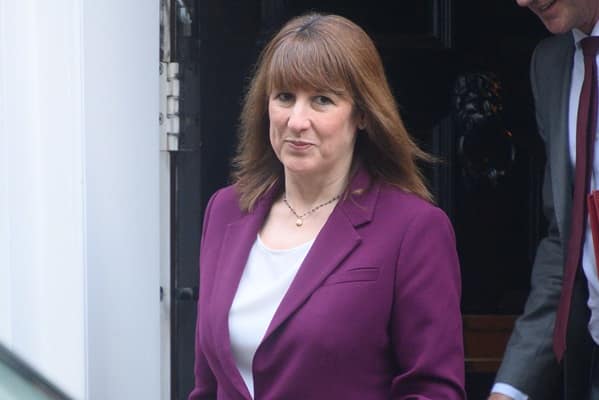
2 months agoSpring forecast: Rachel Reeves to insist government has right economic plan', as Middle East crisis threatens inflation spike live updates
Middle East energy disruptions threaten to reignite UK inflation and cost-of-living crisis despite positive fiscal forecasts from the Office for Budget Responsibility.
World news
fromwww.theguardian.com
2 months agoSpring forecast: Rachel Reeves to insist government has right economic plan', as Middle East crisis threatens inflation spike live updates
Middle East energy disruptions threaten to reignite UK inflation and cost-of-living crisis despite positive fiscal forecasts from the Office for Budget Responsibility.
Public health
fromFortune
2 months agoCome 2030, the U.S. deficit will be worth 5.9% of GDP-more than the outlays for social security, and equal to spending on major health programs | Fortune
The U.S. faces escalating healthcare and social security costs driven by an aging population, with deficits projected to reach 6.9% of GDP by 2040, far exceeding sustainable levels.
UK politics
fromLondon Business News | Londonlovesbusiness.com
2 months agoChancellor Under Pressure to Present Economic Vision - London Business News | Londonlovesbusiness.com
Rachel Reeves must present a coherent long-term economic strategy at the Spring Statement to address productivity, employment, and business investment concerns while reassuring stakeholders of effective leadership.
UK news
fromwww.independent.co.uk
2 months agoLabour's immigration crackdown could force Reeves to raise taxes, economists warn
The Institute for Fiscal Studies warns that Labour's immigration crackdown could reduce tax revenues, potentially forcing Chancellor Rachel Reeves to raise taxes or cut public spending in the upcoming Autumn Budget.
UK politics
fromLondon Business News | Londonlovesbusiness.com
2 months agoCity banking giant gives Starmer just months left in No10 - London Business News | Londonlovesbusiness.com
Keir Starmer faces a 60% chance of being forced out before the end of July, with Labour likely moving left whether he stays or leaves.
New York Giants
fromwww.amny.com
2 months agoMAMDANI'S FIRST 100 DAYS: Hochul sends $1.5B to NYC as mayor drafts plan to close massive budget gap | amNewYork
New York State pledges $1.5 billion to help New York City narrow a $7 billion budget gap, funding youth programs, sales-tax restoration, and public health.
US Elections
fromFortune
2 months agoWe've probably already seen 'Peak Trump,' says PIMCO, with the Oval Office now constrained by courts and midterms | Fortune
Trump's political influence has peaked, facing legal, institutional, and electoral constraints that may limit policy implementation and affect markets and midterm strategies.
fromFortune
3 months agoKevin Warsh will inherit a challenge no Fed chief has faced since post-World War II | Fortune
The newly-named Federal Reserve chairman faces an historic challenge that no predecessor has encountered since the years immediately following World War II. In that period, the gigantic spending required to aid our allies and secure military victory saddled the U.S. with towering debt. President Truman-fearing that huge interest costs would swamp the budget-heavily pressured the Fed to hold down rates. Today, the U.S. is wrestling with its biggest budget crisis in 70 years, and we're confronting a similar conundrum.
US politics
World news
fromFortune
3 months agoKen Griffin says America has been sent an 'explicit warning' from the bond market that it's time to get the national debt in order | Fortune
Japan's bond-market selloff and rising yields highlight risks of large fiscal stimulus, warning that high yields can undermine bonds' role as portfolio hedges.
fromwww.theguardian.com
3 months agoUK government borrowing falls to 11.6bn in December
Public sector net borrowing the difference between spending and income was 11.6bn last month, the Office for National Statistics said, compared with 18.7bn in the same month a year earlier. Economists polled by Reuters had expected borrowing to be 13bn in December. The figure is closely watched by the City as it shows how much the government is borrowing to finance its spending plans and whether it is exceeding its target for the year.
UK politics
UK politics
fromLondon Business News | Londonlovesbusiness.com
3 months agoRachel delivered a massive blow as employers are too scared to recruit - London Business News | Londonlovesbusiness.com
UK economy is flatlining with minimal growth as employers fear recruiting or investing amid political conflict over fiscal choices and rising taxes.
fromwww.theguardian.com
3 months agoQuarter of developing countries poorer than in 2019, World Bank finds
A quarter of countries in the developing world are poorer than they were in 2019 before the Covid pandemic, the World Bank has found. The Washington-based organisation said a large group of low-income countries, many in sub-Saharan Africa, had suffered a negative shock in the six years to the end of last year. The bank said global growth had downshifted since the pandemic, and the pace was now insufficient to reduce extreme poverty and create jobs where they're needed most.
World news
[ Load more ]