#fossil-fuel-alternatives
#fossil-fuel-alternatives
[ follow ]
#renewable-energy #electric-vehicles #sustainability #fossil-fuels #energy-crisis #solar-power #tesla

Real estate
fromRedfin | Real Estate Tips for Home Buying, Selling & More
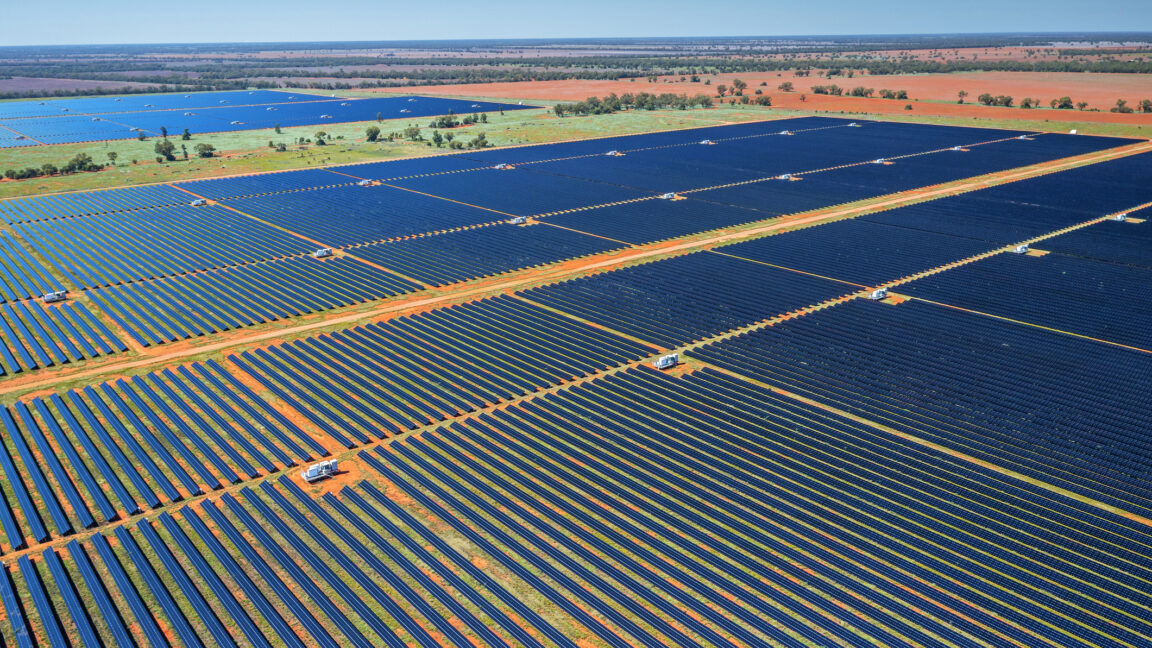
19 hours agoMoving Into a Home With Solar Panels: What to Know Before and After Closing
Moving into a home with solar panels involves understanding ownership responsibilities, verifying system performance, and gathering essential documentation.
Alternative transportation
fromLondon Business News | Londonlovesbusiness.com
5 hours agoTruck industry urges technology-open transition as ZEV uptake stalls - London Business News | Londonlovesbusiness.com
The government must ensure HGV operators access technologies to cut carbon emissions amid declining zero-emission vehicle adoption.
fromTechCrunch
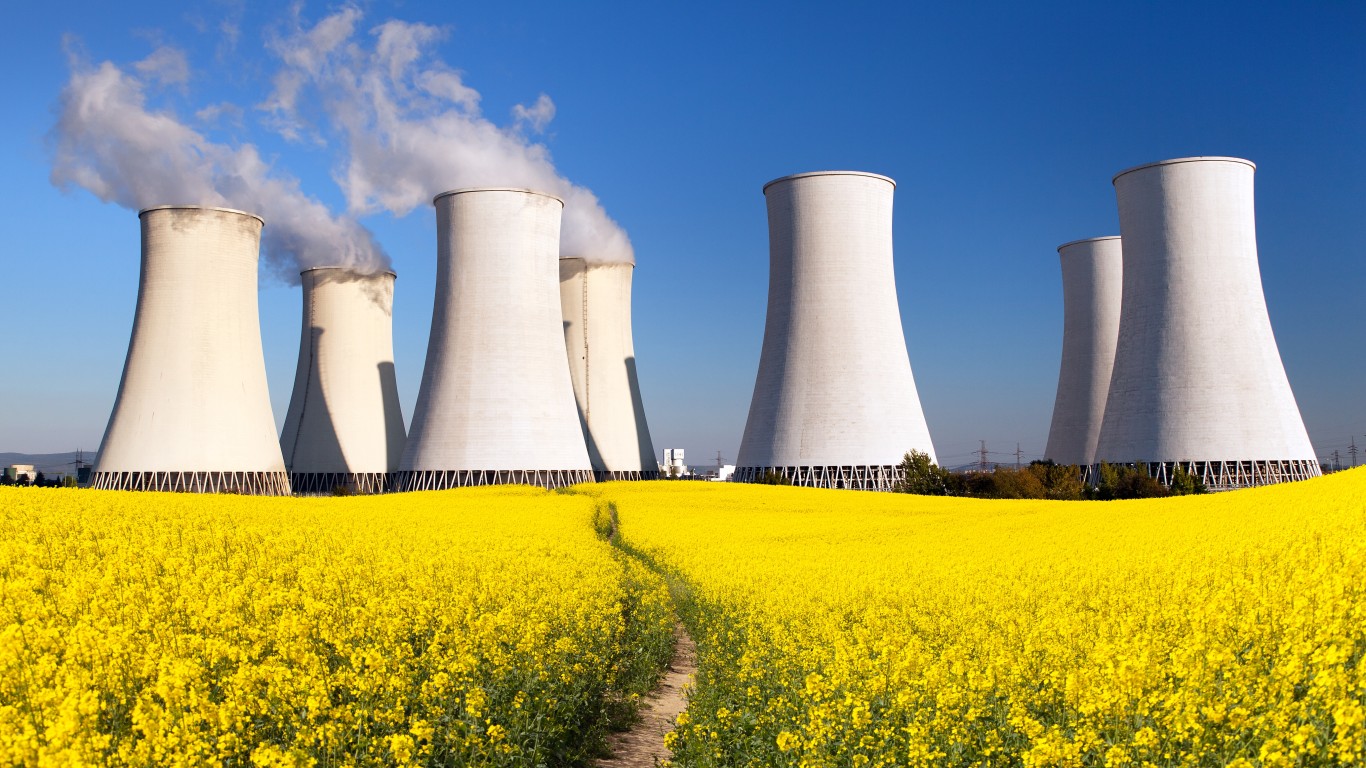
1 day agoBlue Energy raises $380M to build grid-scale nuclear reactors in shipyards | TechCrunch
"The nuclear power technology that is most common - light water reactors - was originally invented for nuclear submarines. There has actually always been a history of basically pre-fabbing it and looking at it in a shipyard context."
Science





fromTechCrunch
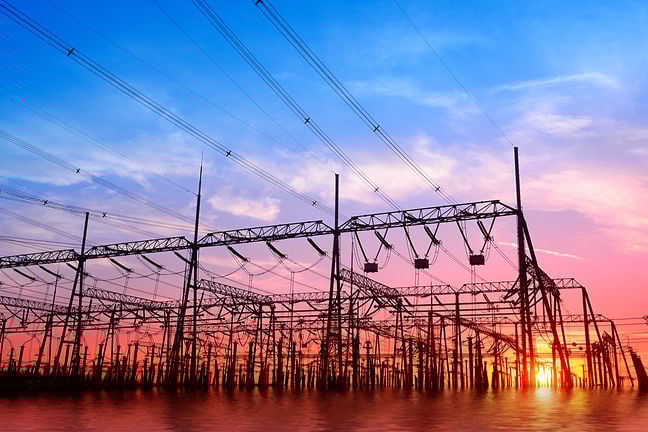
6 days agoExclusive: This energy startup's bet on 100-year-old grid tech is paying off | TechCrunch
"We were considering multiple forms of capital when we started. It just felt like the opportunity is so large that venture capital gives us the opportunity to take those risks upfront and have the possibility to generate an outsized return."
Venture



fromSustainable Bus
3 hours agoMCV unveiled new version of the C127 EV with 497 kWh LFP battery at BUS2BUS 2026 (and wins award with the H2 model) - Sustainable Bus
The new C127 EV adopts a modular battery configuration based on lithium iron phosphate (LFP) technology supplied by CATL, delivering a total installed capacity of 497 kWh, an increase from the previous 462 kWh.
Alternative transportation
fromwww.bbc.com
2 days agoFuel rations and free buses: How countries have responded to rising oil prices
The International Energy Agency (IEA) says it is the 'largest supply disruption in history'. With the disruption expected to have a lasting impact on prices, governments around the world have introduced measures to limit the impact on consumers and the economy.
Europe news
fromConde Nast Traveler
19 hours agoWhy Planes Flying Like Geese Could Cut Back on Aviation Emissions
The unmistakable V-formation geese adopt in flight is more than a cool aerial trick. The entire flock benefits from upward air flowing off the lead bird's wings, whose fellow fliers then get to save energy, especially on long journeys.
Alternative transportation
fromElite Traveler
1 day agoMeet Zero: The Renewable Superyacht With a World-First Power System
Zero eliminates diesel engines entirely, replacing them with an all-electric power and propulsion system with a DC grid at its core, and photovoltaic-thermal panels that capture the light and heat of solar energy.
Alternative transportation
fromSustainable Bus
1 day agoMarket, policy and operations in focus for zero-emission intercity buses, at Sustainable Bus Tour session in Bus2Bus - Sustainable Bus
Intercity bus transport in Europe is characterized by a fragmented operator landscape, including a high number of small and medium-sized companies, alongside less standardized operational patterns and frequent dual-use vehicle profiles.
Alternative transportation
frominsideevs.com
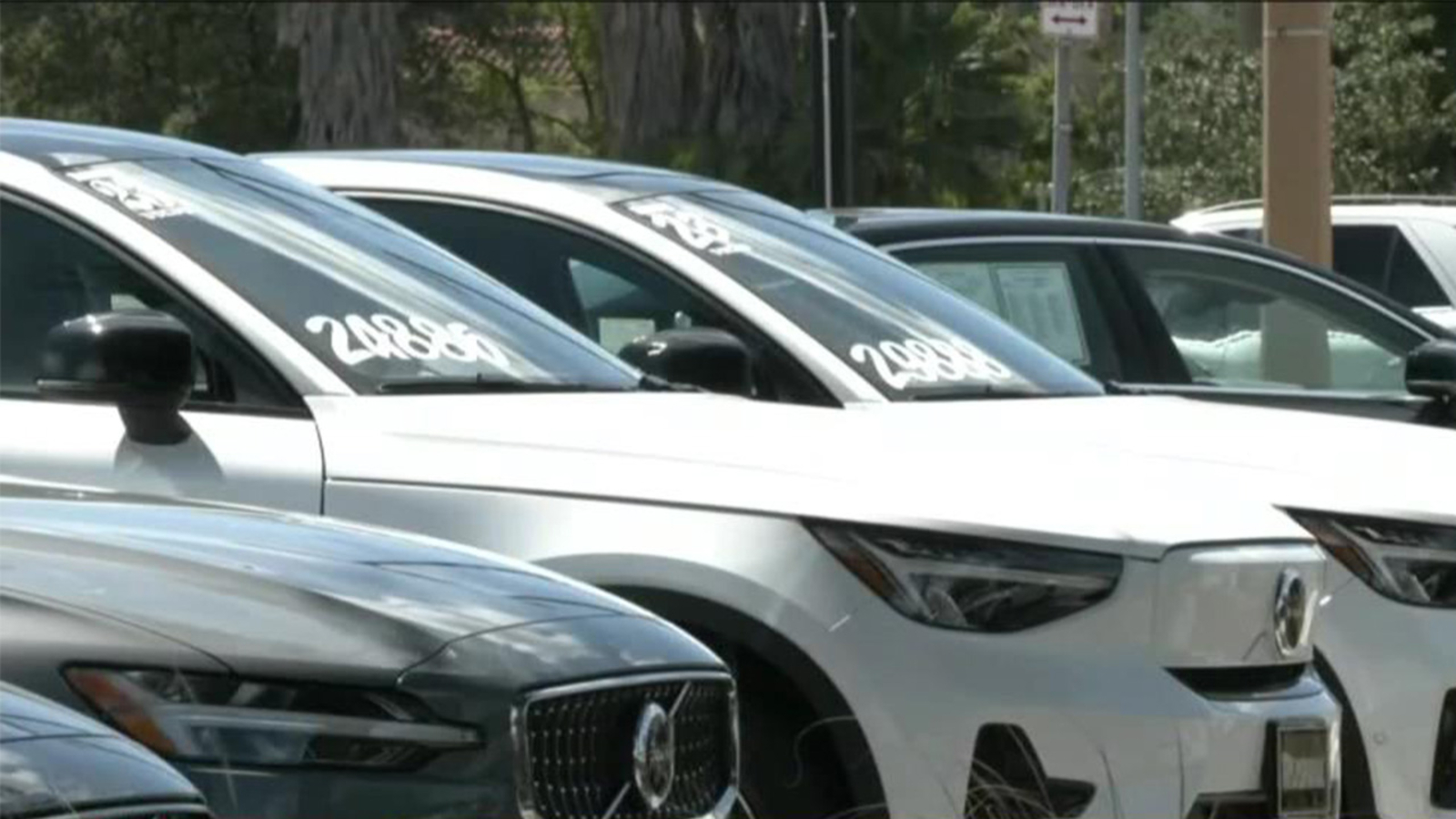
5 days ago40% Growth: How High Gas Prices Are Helping Hyundai Sell More EVs
"We have seen a significant change in the dynamic. So definitely, when the American consumer sees an increase in fuel prices they try to move to solutions which are more friendly in terms of cost, especially in states like California."
Cars

fromFast Company
2 months agoHow to meet the surging energy demand without needing as much new electricity
When Specian dug into the data, he discovered that implementing energy-efficiency measures and shifting electricity usage to lower-demand times are two of the fastest and cheapest ways of meeting growing thirst for electricity. These moves could help meet much, if not all, of the nation's projected load growth. Moreover, they would cost only half-or less-what building out new infrastructure would, while avoiding the emissions those operations would bring.
Environment
[ Load more ]