World news
fromAxios
14 hours agoThe massive economic impact of the global energy crisis
Global economic growth is expected to slow significantly due to the war's impact on supply chains and rising costs.
Major indices, including the Nasdaq Composite, S&P 500, and Dow Jones Industrial Average, all recorded gains, with the Nasdaq delivering its strongest weekly performance since November.
Antarctica is one of the most successful models of peaceful governance and international cooperation. If we don't actively work to build peace, what naturally arises is tension and conflict.
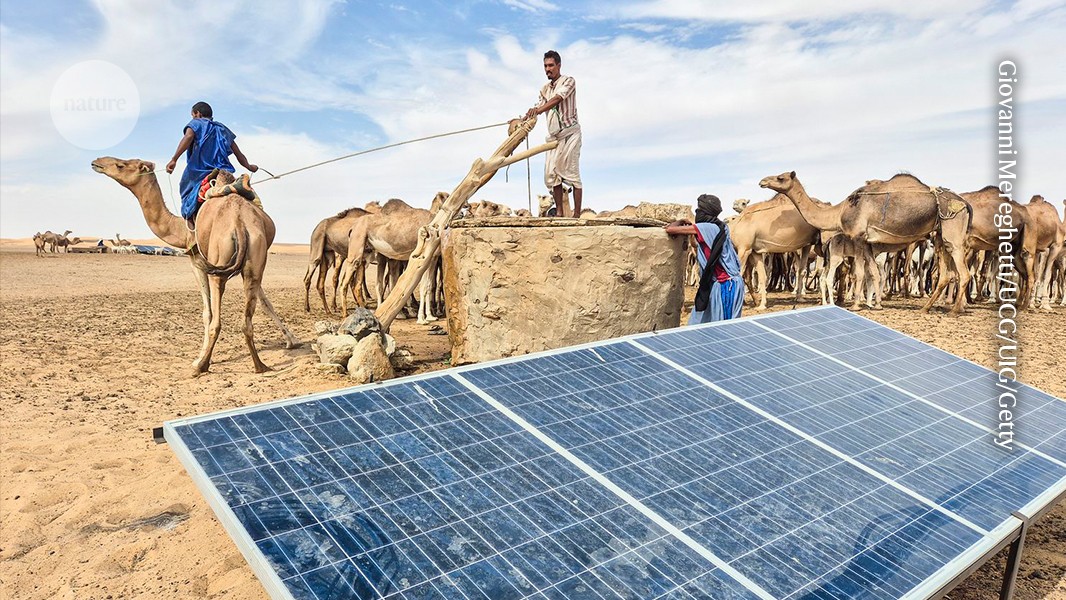
"In the Gulf, desalination is built with enough breathing room that losing one plant doesn't immediately show up at the tap," says Rabee Rustum, professor of water and environmental engineering at Heriot-Watt University Dubai.
"A more decentralized energy system, with a growing share of renewables and more market players, is structurally more resilient. Countries that invested in the energy transition are weathering this crisis with less economic damage, as they boost energy security, resilience and competitiveness."
At a young age, I learned quickly how oil wealth and power could burn the land while people struggled. I saw heat rise off the streets, the Nile strained, and the air thickened with injustice. In my teenage years, through Aotearoa, being on the edge of the Pacific, I felt the ocean breathing heavy, swallowing the shores of islands that have done the least to cause this harm.
The January 3rd Operation Absolute Resolve ousted Venezuelan Dictator Nicholas Maduro, marking a significant shift in US policy towards countering adversarial influence in the western hemisphere.
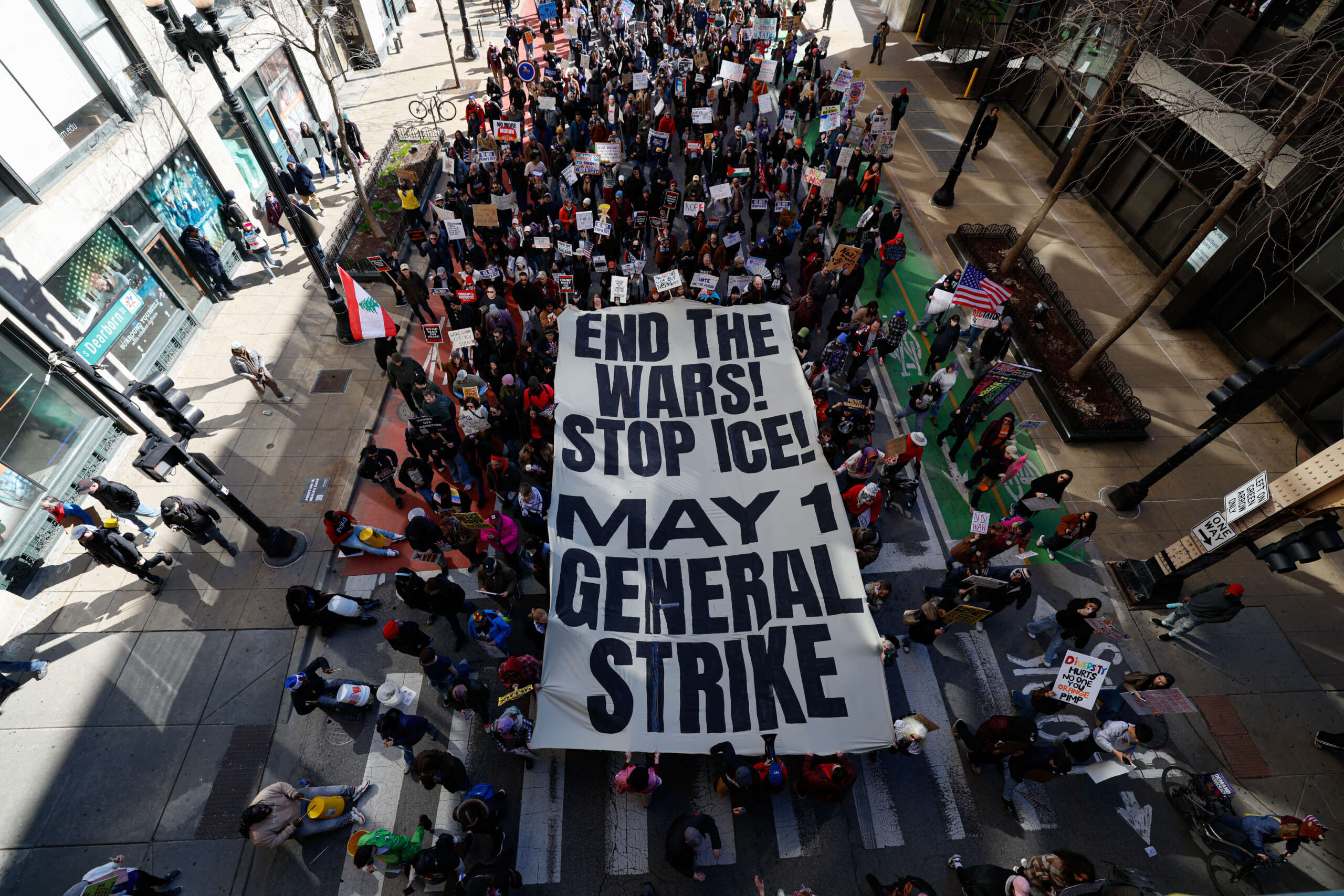
ICE has designs on every major US city. It plans to not only occupy existing government spaces but share hallways and elevator bays with medical offices and small businesses. It will be down the street from daycares and within walking distance of churches and treatment centers. Its enforcement officers and lawyers will have cubicles a modest drive away from giant warehouses that have been tapped to hold thousands of humans that ICE will detain.
Covering Climate Now was formed in 2019 in response to the climate silence that then prevailed in much of the press, especially in the United States. Over the years that followed, hundreds of newsrooms joined our effort, and press coverage of the story began to reflect the scale of the crisis. Newsrooms beefed up their climate reporting teams; they confronted misinformation that sought to play down the problem; they thought creatively about how to find the climate connection on every beat.
In a new executive order, President Donald Trump has declared that the United States will withdraw from 66 international organizations and bodies, including several focused on tackling climate change. Trump made his disregard for climate change clear when he withdrew the US from the Paris climate agreement for a second time in early 2025, but these new withdrawals further confirm the second Trump administration is against global collaboration in general.
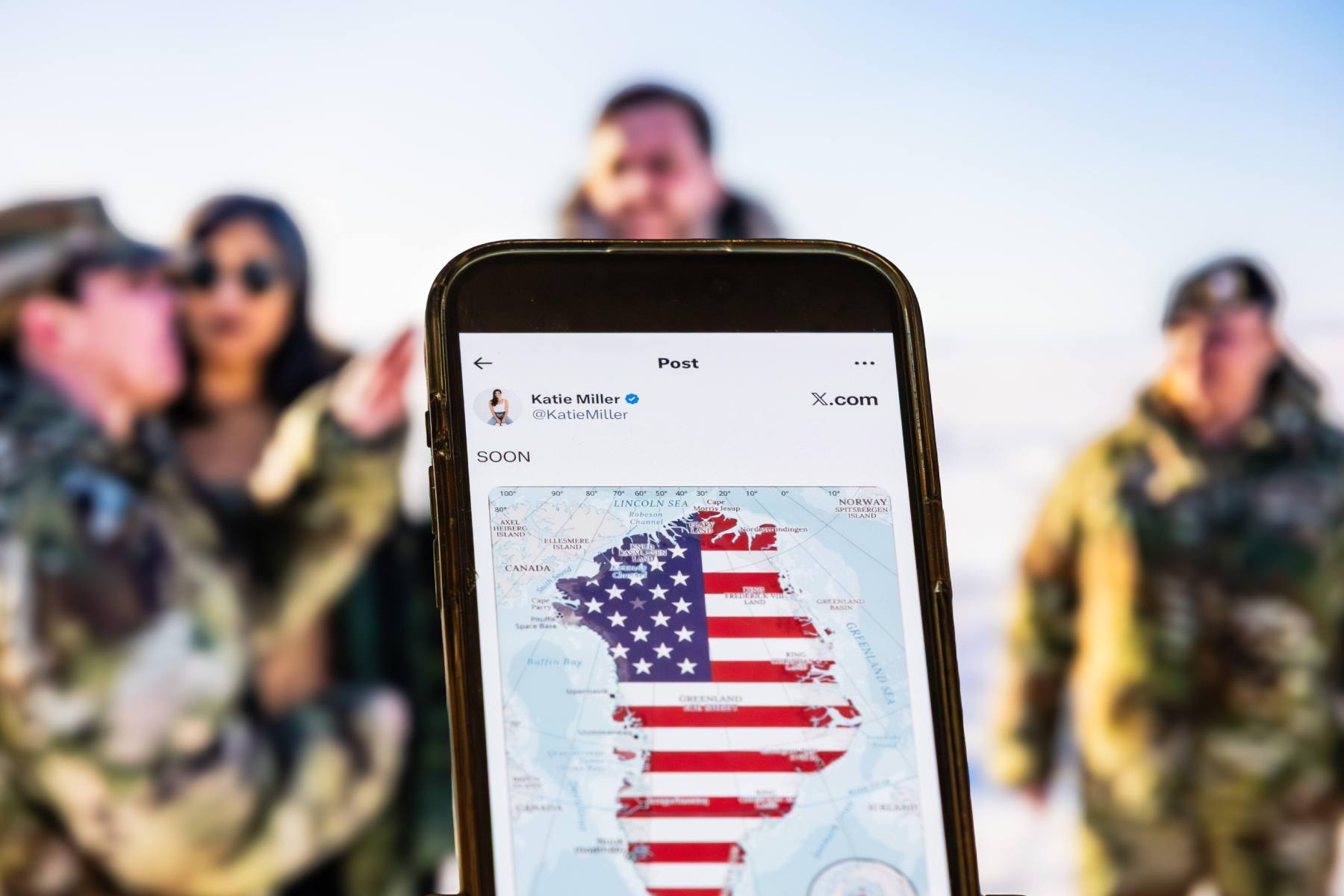
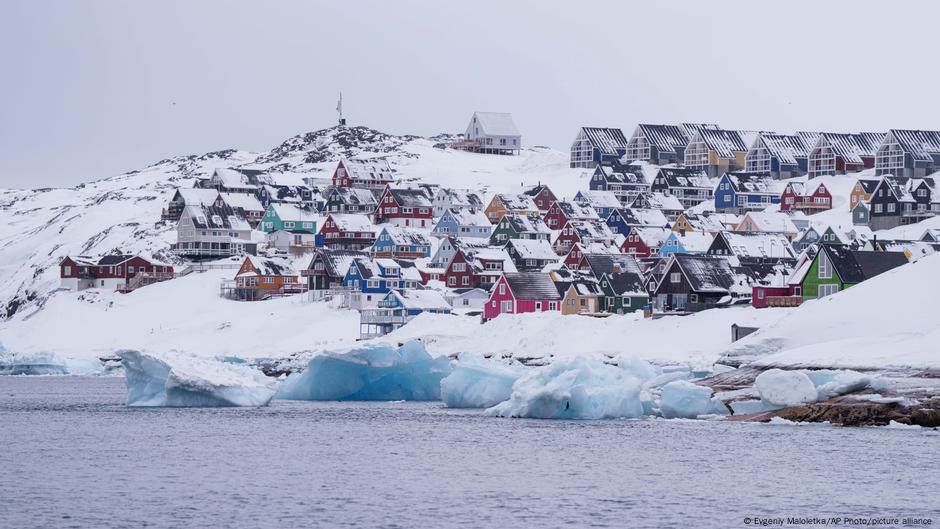
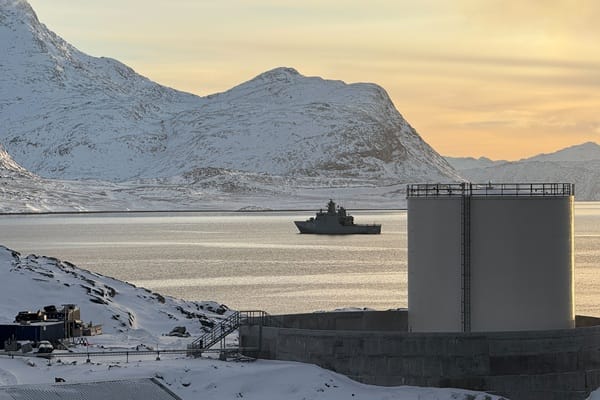
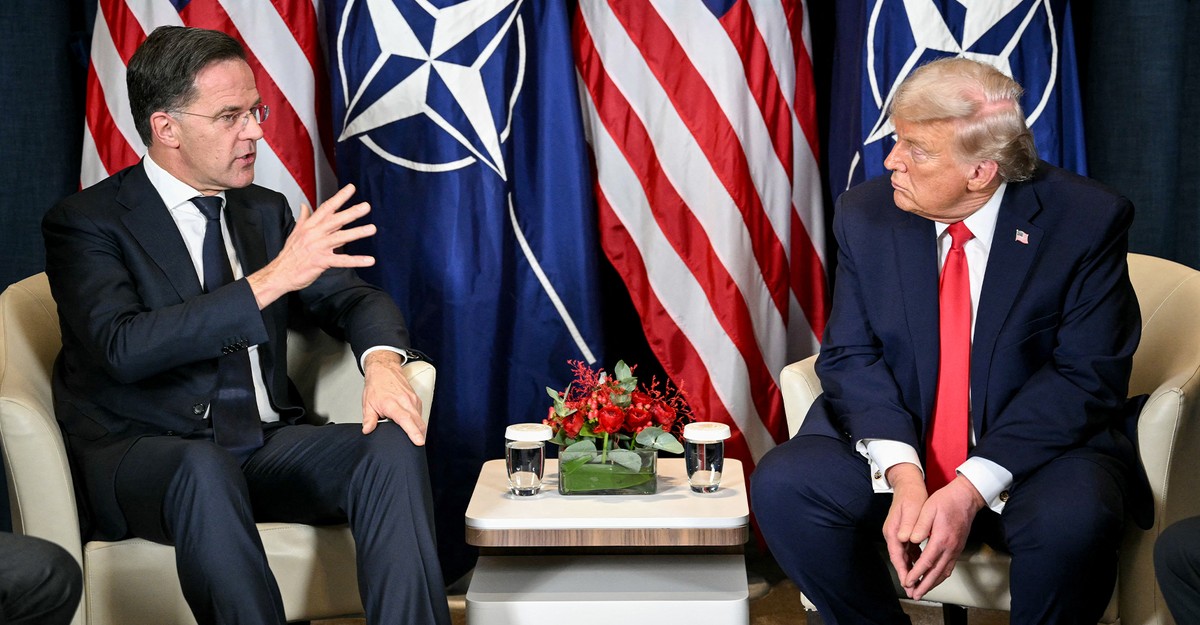
President Donald Trump's relentless and escalating drive to acquire Greenland from Denmark, whose government- along with that of Greenland-emphatically rejects the idea, has unnerved, offended, and outraged leaders of countries considered allies for decades. It's the latest, and perhaps most significant, eruption of an attitude of disdain towards allies that has become a hallmark of the second Trump administration, which has espoused an America First approach to the world.
"Humanity has not made sufficient progress on the existential risks that endanger us all," said Alexandra Bell, president and CEO of the Bulletin of the Atomic Scientists. "The Doomsday Clock is a tool for communicating how close we are to destroying the world with technologies of our own making. "The risks we face from nuclear weapons, climate change and disruptive technologies are all growing. Every second counts and we are running out of time. It is a hard truth, but this is our reality."
Across history, the relocation of capital cities has often been associated with moments of political rupture, regime change, or symbolic nation-building. From Brasília to Islamabad, new capitals were frequently conceived as instruments of centralized power, territorial control, or ideological projection. In recent decades, however, a different set of drivers has begun to shape these decisions. Rather than security or representation alone, contemporary capital relocations are increasingly tied to structural pressures such as demographic concentration, infrastructural saturation, environmental risk, and long-term resource management.
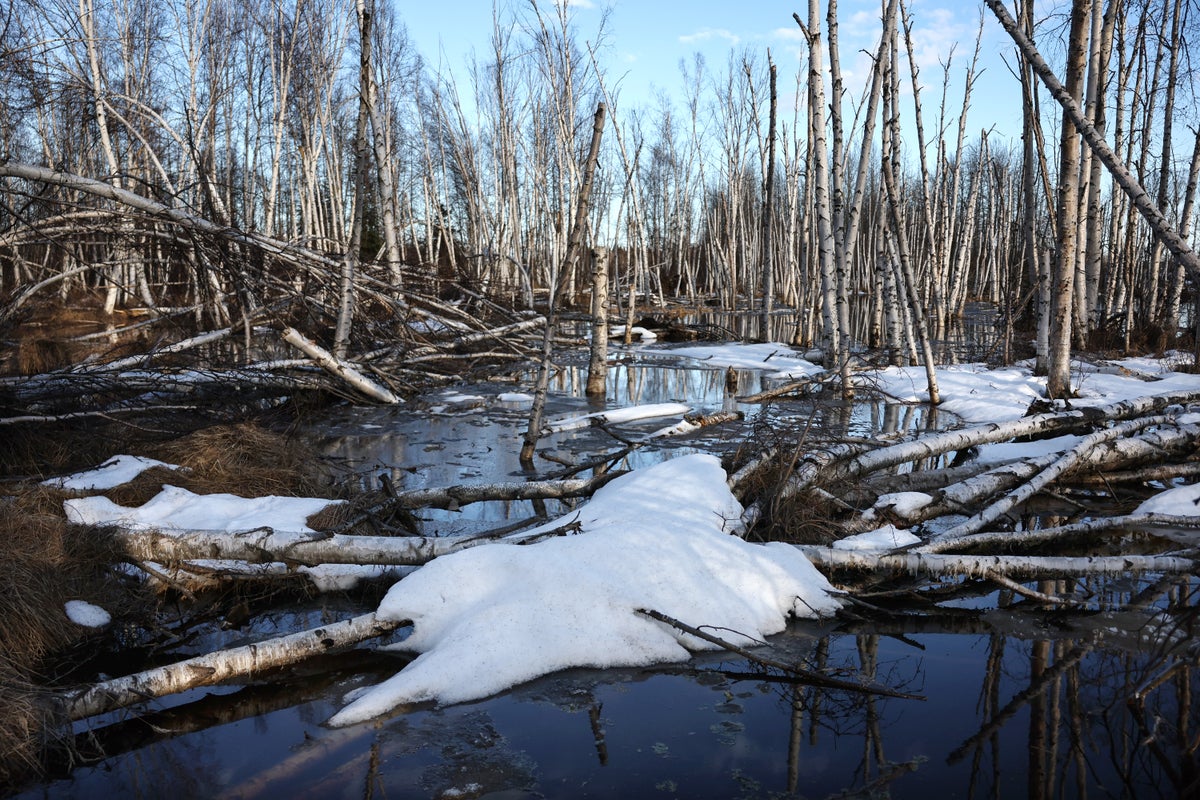
Global warming is thawing the Arctic and igniting a high-stakes race for the riches beneath its ice. Global warming is heating up the Arctic, and global powers like the United States, Russia and China are manoeuvring to stake a claim to the resources under its melting ice. Some experts say the region, once known as an exception an island of international cooperation in the midst of geopolitical struggles is becoming the site of a second cold war.
"Let's be realistic." That's the advice coming from a growing number of voices in climate circles in the United States. In October, billionaire Bill Gates argued that a global temperature rise of 2 degrees Celsius is unavoidable and not a " super bad outcome"-a view unlikely to be shared by the millions of people whose homes would be destroyed by the resulting killer storms and rising seas.