#pentagon-ai-development
#pentagon-ai-development
[ follow ]
#anthropic #ai #pentagon #autonomous-weapons #cybersecurity #national-security #ai-governance #ai-regulation
#anthropic


Artificial intelligence
fromComputerworld
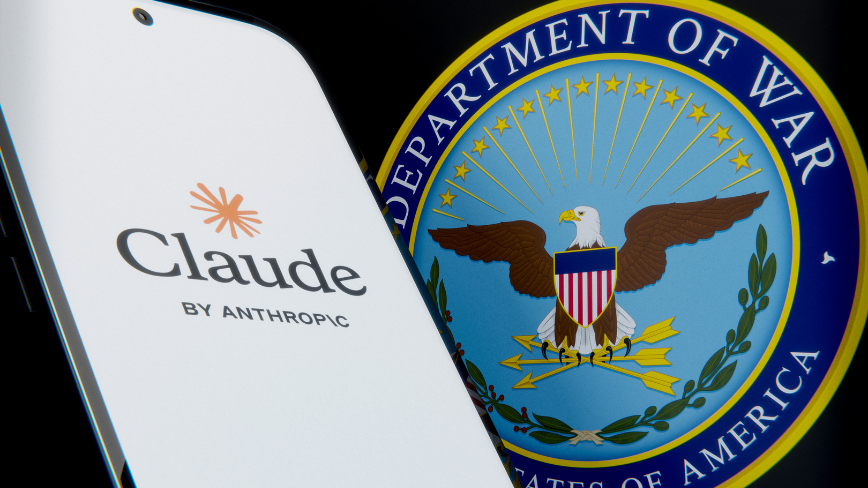
1 month agoAnthropic holds firm against the Pentagon after supplychain risk label
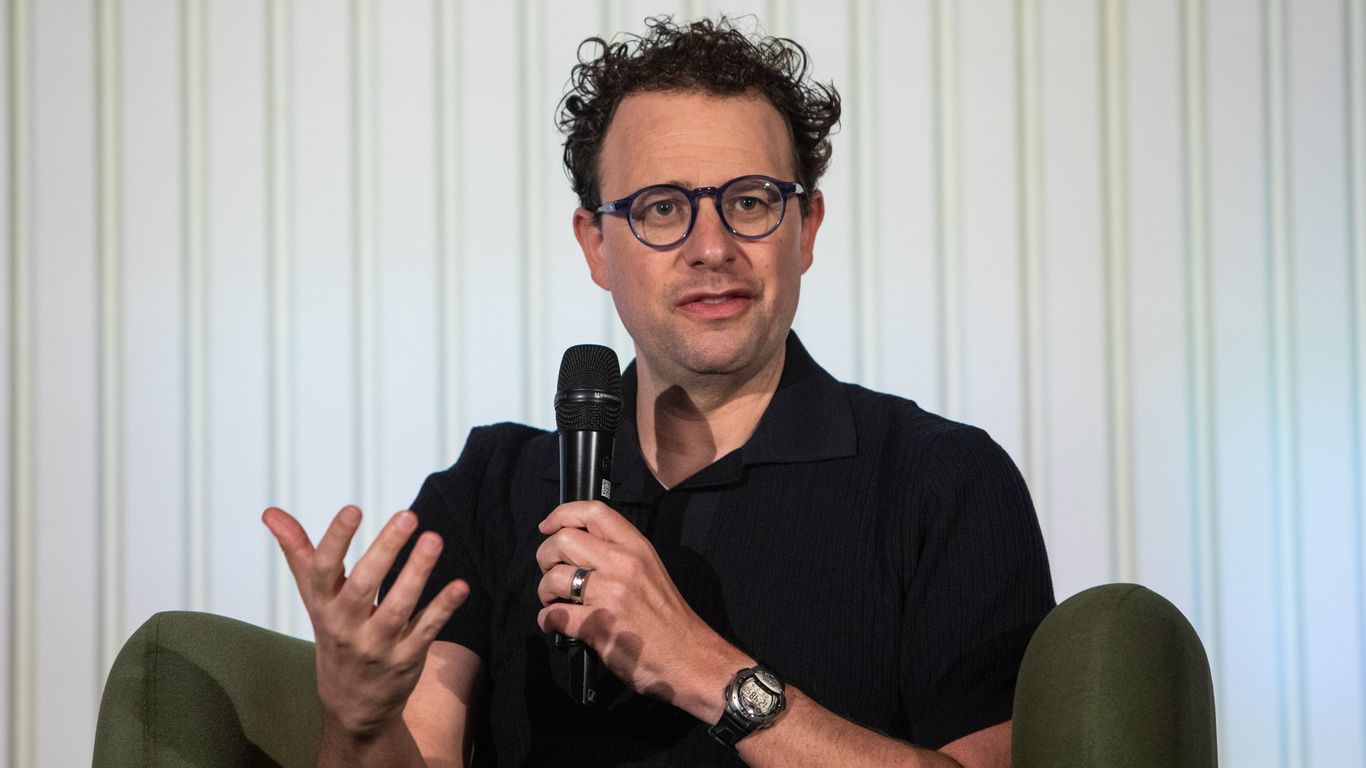
Anthropic's CEO apologized for a leaked internal memo criticizing OpenAI's deal with the Pentagon, stating the post was written hastily during a difficult day and no longer reflects current company views.

History
fromFortune
1 day agoPalantir wants to bring back the draft just as the Selective Service preps for automatic registration | Fortune
Thomas Jefferson warned against military conscription, while Palantir Technologies now advocates for universal national service despite historical opposition to drafts.
#ai

Artificial intelligence
fromTNW | Artificial-Intelligence
3 days agoAnthropic's Amodei meets Wiles and Bessent at the White House over Mythos access and Pentagon standoff
Anthropic CEO Dario Amodei met with White House officials to discuss access to the AI model Mythos amid a standoff with the Pentagon.
fromFuturism
4 days agoPentagon Disturbed as Its Fleet of Drones Is Left Bobbing in the Ocean When Elon Musk's Starlink Fails
The outage left millions of Starlink customers in the dark back in August of 2025, dealing a blow to the company's image as an always-on satellite internet provider.
Tech industry
#artificial-intelligence
SF politics
fromFast Company
4 days agoAt roundtable on AI, members of Congress express angst and fears of 'destruction'
Lawmakers expressed concerns about the implications of artificial intelligence on government data, military actions, and societal impacts during a congressional subcommittee roundtable.
#ai-governance
Artificial intelligence
fromTechCrunch
1 month agoIt's official: The Pentagon has labeled Anthropic a supply chain risk | TechCrunch
The Department of Defense designated Anthropic a supply chain risk after the company refused to allow military use of its AI for mass surveillance and autonomous weapons.

Artificial intelligence
fromTechCrunch
1 month agoIt's official: The Pentagon has labeled Anthropic a supply chain risk | TechCrunch
The Department of Defense designated Anthropic a supply chain risk after the company refused to allow military use of its AI for mass surveillance and autonomous weapons.
#ai-regulation



Artificial intelligence
fromNextgov.com
1 month agoThe Pentagon's 'woke AI' problem
The Trump administration pressured Anthropic to expand Pentagon contract terms to include 'all lawful purposes' or face supply chain risk designation, framing the conflict as opposition to 'woke AI' despite Anthropic's extensive use in defense and intelligence operations.
Artificial intelligence
fromThe Atlantic
1 month agoThe Unaddressed Problem With the Pentagon's AI Dispute
Anthropic sued the Department of Defense after being designated a supply-chain risk, alleging unconstitutional and ideologically motivated actions over disagreements on military AI use, surveillance, and autonomous weapons.
Artificial intelligence
fromThe Verge
1 month agoThe Pentagon formally labels Anthropic a supply-chain risk
The Defense Department formally designated Anthropic a 'supply-chain risk,' barring defense contractors from using Claude AI in government work over disputes regarding autonomous weapons and mass surveillance policies.
fromTechzine Global
13 hours agoSnowflake Intelligence and Cortex Code become the agentic AI control layer
"Snowflake gives customers one place to bring their data together, connect the systems they rely on, and turn AI into something that actually helps teams get work done," says Baris Gultekin, VP of AI at Snowflake.
Artificial intelligence
Intellectual property law
fromTechCrunch
1 month agoDOD says Anthropic's 'red lines' make it an 'unacceptable risk to national security' | TechCrunch
The Department of Defense claims Anthropic poses an unacceptable national security risk, alleging the company might disable or alter its AI technology during military operations if its ethical guidelines are violated.
Artificial intelligence
fromFortune
6 days agoA retired general's warning: America can't fight the AI arms race on tech it doesn't control | Fortune
The U.S. faces a critical AI arms race affecting military power and national security, highlighted by the Anthropic-Pentagon standoff over AI usage control.
European startups
fromwww.bloomberg.com
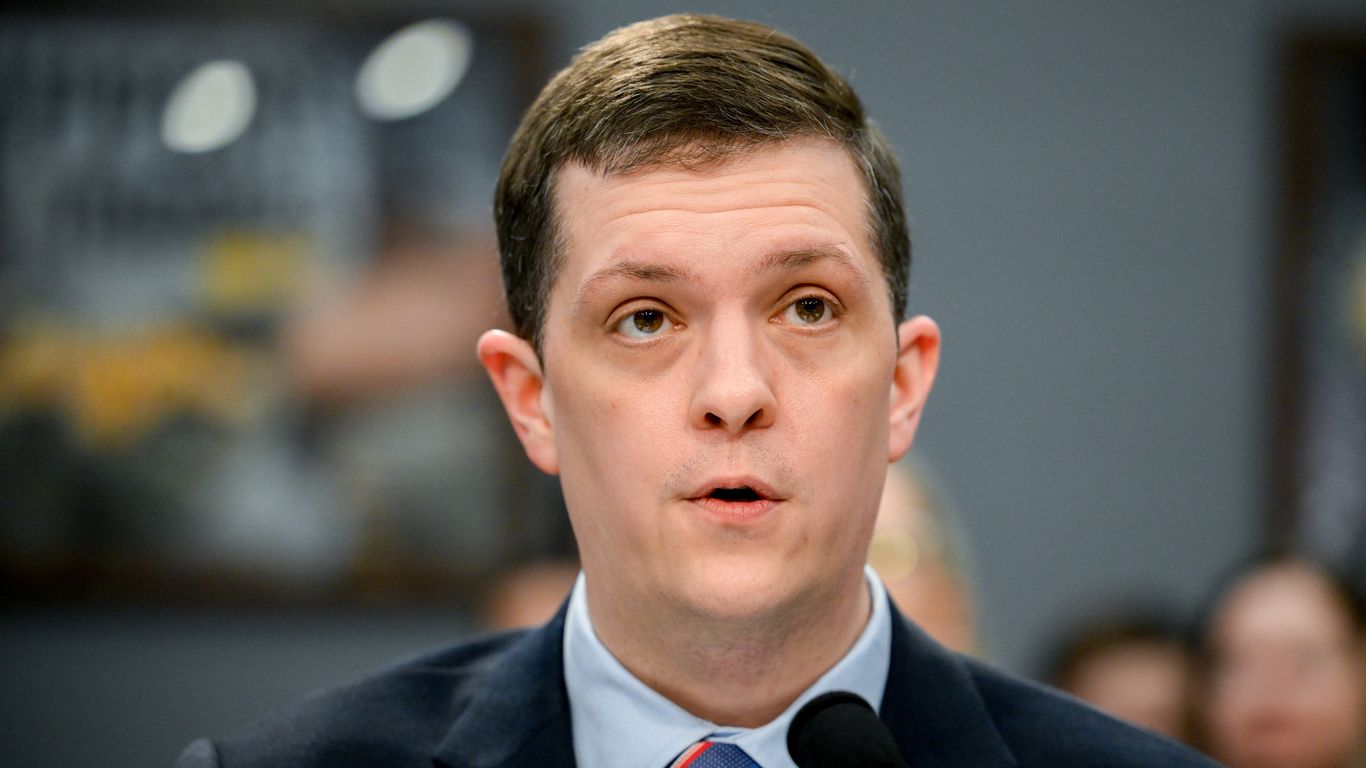
1 month agoPentagon turns to ex-Uber executive in Anthropic feud over AI
Emil Michael, Pentagon's Under Secretary of Defense for Research and Engineering, is negotiating with AI company Anthropic over defense department access to its AI models, with discussions stalled over surveillance and autonomous weapons concerns.
#ai-ethics-and-military-use

Artificial intelligence
fromwww.theguardian.com
1 month agoHow AI firm Anthropic wound up in the Pentagon's crosshairs
Anthropic faces severe consequences after refusing Pentagon demands to allow Claude for domestic surveillance and autonomous weapons, resulting in supply-chain risk designation and industry isolation.
Artificial intelligence
fromwww.theguardian.com
1 month agoHow AI firm Anthropic wound up in the Pentagon's crosshairs
Anthropic faces severe consequences after refusing Pentagon demands to allow Claude for domestic surveillance and autonomous weapons, resulting in supply-chain risk designation and industry isolation.
Intellectual property law
fromwww.theguardian.com
1 month agoWhat does the US military's feud with Anthropic mean for AI used in war?
Anthropic's refusal to allow Claude AI for domestic mass surveillance and autonomous weapons has triggered a Pentagon supply chain risk designation, highlighting tensions between tech company safety values and military demands.
fromBusiness Insider
1 month agoPentagon official details the 'holy cow' moments that sparked rift with Anthropic
I was giving these scenarios, these Golden Dome scenarios, and so on. And he's like, 'Just call me if you need another exception.' And I'm like, 'But what if the balloon's going up at that moment and it's like a decisive action we have to take? I'm not going to call you to do something. It's not rational.'
US politics
US politics
fromNextgov.com
1 month agoIt would take the Pentagon months to replace Anthropic's AI tools: sources
The Pentagon threatens to blacklist Anthropic's Claude AI if the company refuses to remove restrictions on mass surveillance and autonomous weapons use, potentially delaying military access to advanced AI tools for months.
Artificial intelligence
fromTechCrunch
1 month agoThe Pentagon is developing alternatives to Anthropic, report says | TechCrunch
The Pentagon is developing its own large language models to replace Anthropic's AI after their $200 million contract collapsed over disagreements on military access restrictions and weapons deployment safeguards.
#military-ai
Artificial intelligence
fromFast Company
1 month agoThe Pentagon-Anthropic feud is quietly obscuring the real fight over military AI
The Pentagon's conflict with Anthropic over AI model restrictions reveals deeper questions about military AI deployment, oversight, and constitutional accountability beyond the narrow focus on autonomous decision-making.
Artificial intelligence
fromFast Company
1 month agoThe Pentagon-Anthropic feud is quietly obscuring the real fight over military AI
The Pentagon's conflict with Anthropic over AI model restrictions reveals deeper questions about military AI deployment, oversight, and constitutional accountability beyond the narrow focus on autonomous decision-making.
fromThe Verge
1 month agoMeet the Pentagon's AI bro squad
This morning, in advance of a meeting between Defense Secretary Pete Hegseth and Anthropic CEO Dario Amodei, my colleague Hayden Field and I published a story about the Pentagon's hardball contract renegotiations with Anthropic. The stakes are higher than it should reasonably be, with the Pentagon continuing to designate Anthropic a supply-chain risk.
US politics
Artificial intelligence
fromBusiness Insider
1 month agoThe Pentagon provided a rare inside look at Palantir's Project Maven and how the AI tool helps the military wage war
Pentagon's Project Maven integrates satellite imagery and AI to streamline military targeting from detection to strike execution within a single system.



Artificial intelligence
fromwww.scientificamerican.com
1 month agoWhy replacing Anthropic at the Pentagon could take months
The Pentagon designated Anthropic a supply chain risk and is removing Claude from classified networks within six months due to disputes over AI safety restrictions versus military control demands.
Artificial intelligence
fromSecurityWeek
1 month agoPentagon's Chief Tech Officer Says He Clashed With AI Company Anthropic Over Autonomous Warfare
Pentagon officials view Anthropic's ethical restrictions on AI use in autonomous weapons as obstacles to military development, leading to the company's designation as a supply chain risk.
fromNextgov.com
2 months agoDOD's AI acceleration strategy
According to the Secretary of Defense Pete Hegseth's memorandum on the Strategy, this AI-first status is to be achieved through four broad aims: Incentivizing internal DOD experimentation with AI models. Identifying and eliminating bureaucratic obstacles in the way of model integration. Focusing the U.S.'s military investment to shore up the U.S.'s "asymmetric advantages" in areas including AI computing, model innovation, entrepreneurial dynamism, capital markets, and operational data.
Artificial intelligence
Artificial intelligence
fromTechCrunch
1 month agoOpenAI shares more details about its agreement with the Pentagon | TechCrunch
OpenAI secured a Department of Defense deal for classified AI deployment after Anthropic's negotiations failed, citing multi-layered safety safeguards including retained discretion over safety systems and cleared personnel oversight.
fromwww.aljazeera.com
1 month agoOpenAI strikes deal with Pentagon to use tech in classified network'
Altman said the Pentagon agreed with his company's principles that OpenAI's technology would not be used for domestic mass surveillance or for autonomous weapon systems, affirming that humans would take responsibility for the use of force.
Artificial intelligence
fromComputerworld
1 month agoAnthropic to Department of Defense: Drop dead
Hegseth summoned Amodei and demanded that Anthropic AI be used any way he wants or said he'd cancel the company's existing $200 million contract and blacklist them from any further AI pacts. Hegseth gave Anthropic until 5 p.m. yesterday to bend the knee. Amodel didn't bend.
Artificial intelligence
[ Load more ]