OMG science
fromwww.bbc.com
9 hours agoHow sunburn inspired a new way to store energy
DNA molecules in skin can undergo sun-driven shape changes and be repaired by photolyase, enabling molecular solar thermal energy storage.
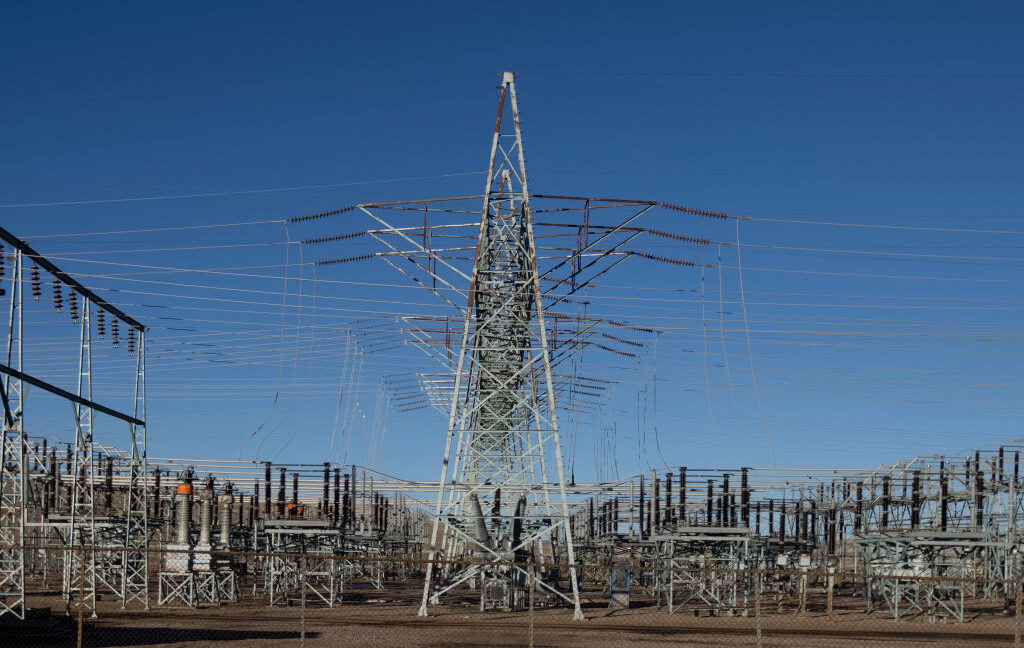
"The grid is aging, and a big reason why [utility] bills are going up is the infrastructure itself. More than half of most of our customers' bills is just the cost of delivering the power, and we want the grid to continue to be reliable while still being affordable."
In China, lithium carbonate prices climbed to a three-month high as improving sentiment around electric vehicles and energy storage boosted consumption expectations. Strong momentum in global EV adoption, particularly in Europe, where battery electric vehicle registrations surged sharply in March, has reinforced the demand outlook.
For every final barrel of bourbon produced, there are six to ten times that number of barrels of wasted stillage. This waste is often sold to farmers as livestock feed or soil additives, but drying it out is expensive and transportation is difficult.
When the Finnish startup unveiled its battery at the Consumer Electronics Show in January, the specifications shocked the battery industry. How could an unknown company leapfrog Toyota, Factorial, and CATL in the solid-state race? The startup claimed 400 watt-hours per kilogram of energy density, a 100,000-cycle lifespan and a charge time of roughly five minutes.
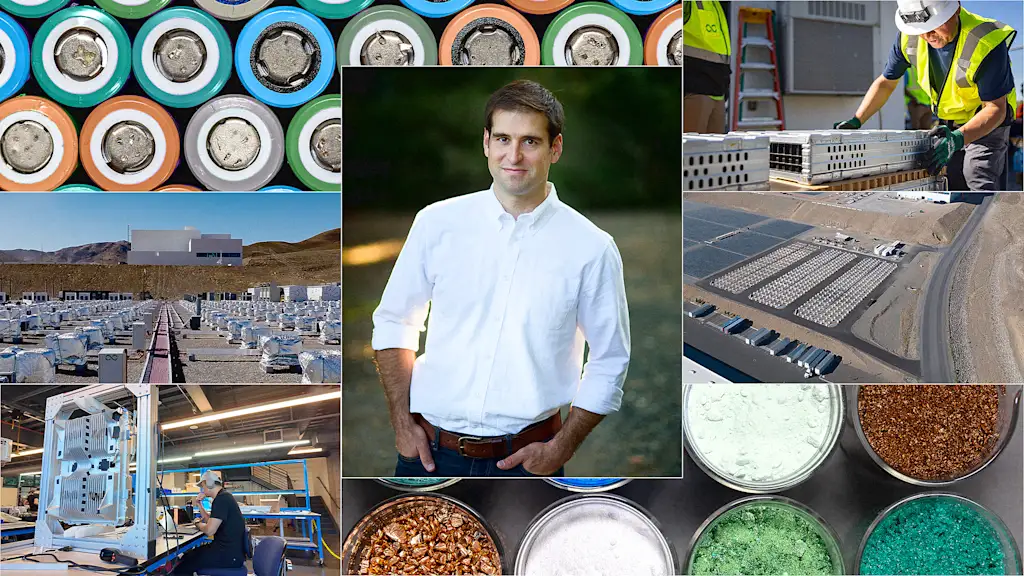
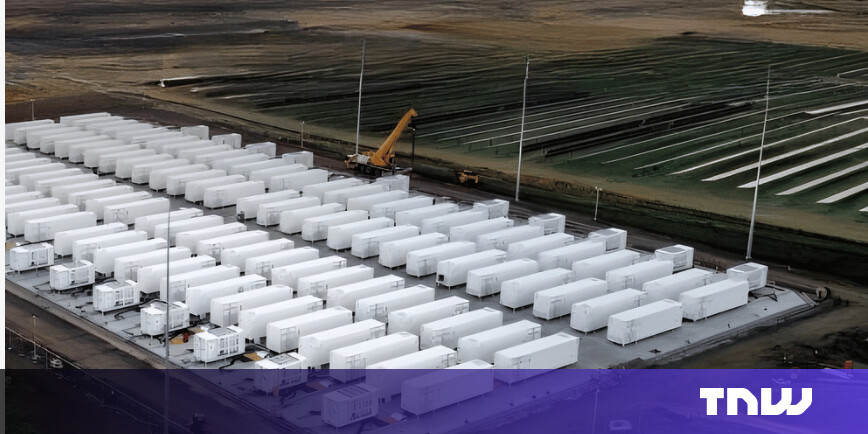
A year ago, Redwood Materials didn't have an energy storage business. Now, it is the fastest-growing unit within the battery recycling and materials startup - a reflection of an AI data center building boom. The evidence of that growth, the company says, can be found at its R&D lab in San Francisco, which has expanded four-fold into a 55,000-square-foot facility and now employs nearly 100 people.
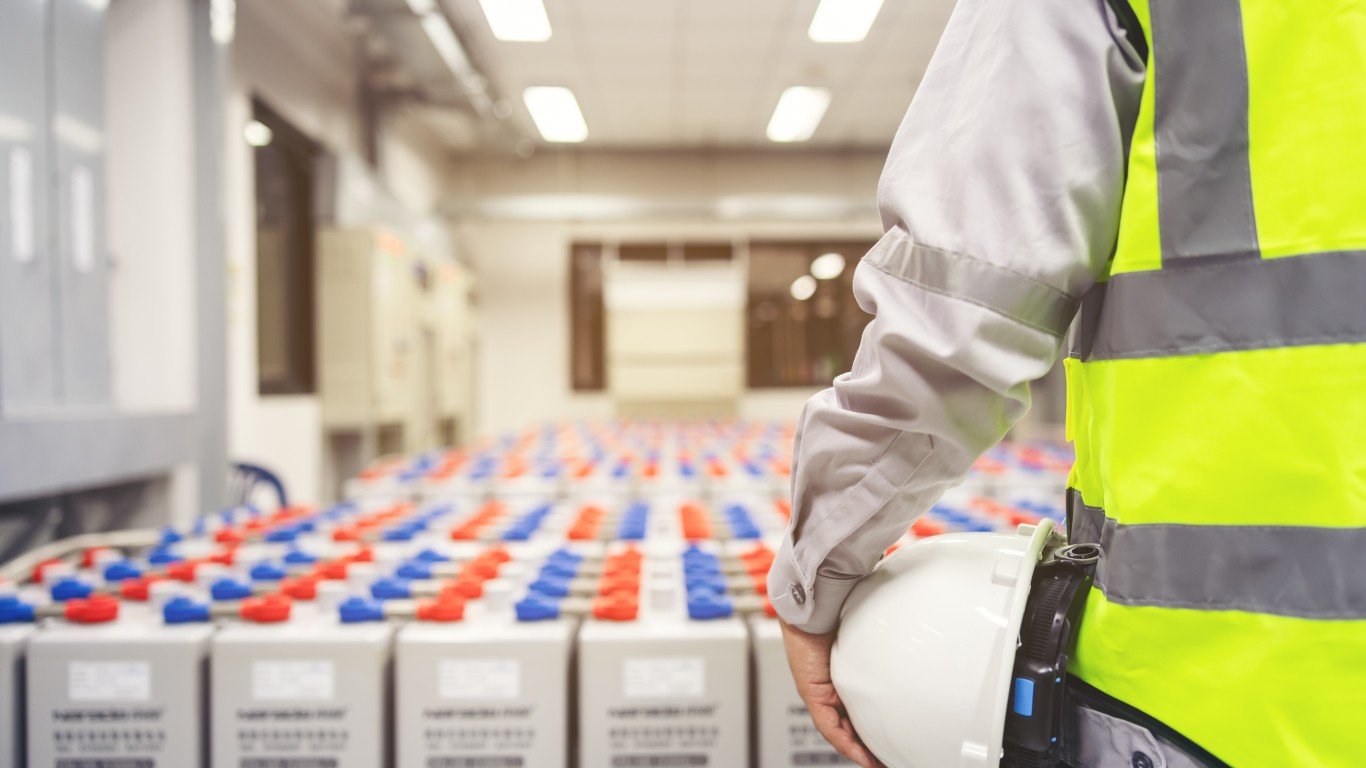
The Twaice EIB financing is aimed at accelerating growth as electrification drives expansion across battery energy storage systems and electric mobility markets. The company develops analytics software based on real-time and historical battery data, enabling operators to anticipate degradation, optimise performance and extend asset lifetime across large and growing fleets. Back in 2022, the German company raised 30 million dollars in additional Series B financing led by global investment firm Coatue.
I do this newsletter every week on Substack called The Crucial Years, which, I think because it's free, has turned into the largest newsletter of its kind around climate and energy and the environment. It means that I get to keep track of all the things that are happening on a weekly basis around the world. About 36 months ago, if you were paying attention, you couldn't help but notice this sudden spike beginning. We'd finally hit the steep part of the S curve.
Imagine a future where the walls and floors of your home do more than just support your furniture. They actually store and supply electricity as well. This vision is coming closer to reality thanks to innovative research from scientists at MIT. Their latest breakthrough centers around a new type of carbon-infused concrete that can conduct electrons, effectively turning ordinary building materials into large-scale batteries.
Scientists at MIT develop Electron-Conducting Carbon Concrete, a kind of cement that can store and release electricity like batteries. Aimed for buildings, sidewalks, and other infrastructure, the energy-releasing material is made from four main ingredients: cement, water, ultra-fine carbon black, and electrolytes. The main stars are the carbon black and the electrolytes. For the former, its very small particles can form a conductive nanonetwork inside the concrete, allowing electricity to move through the material.
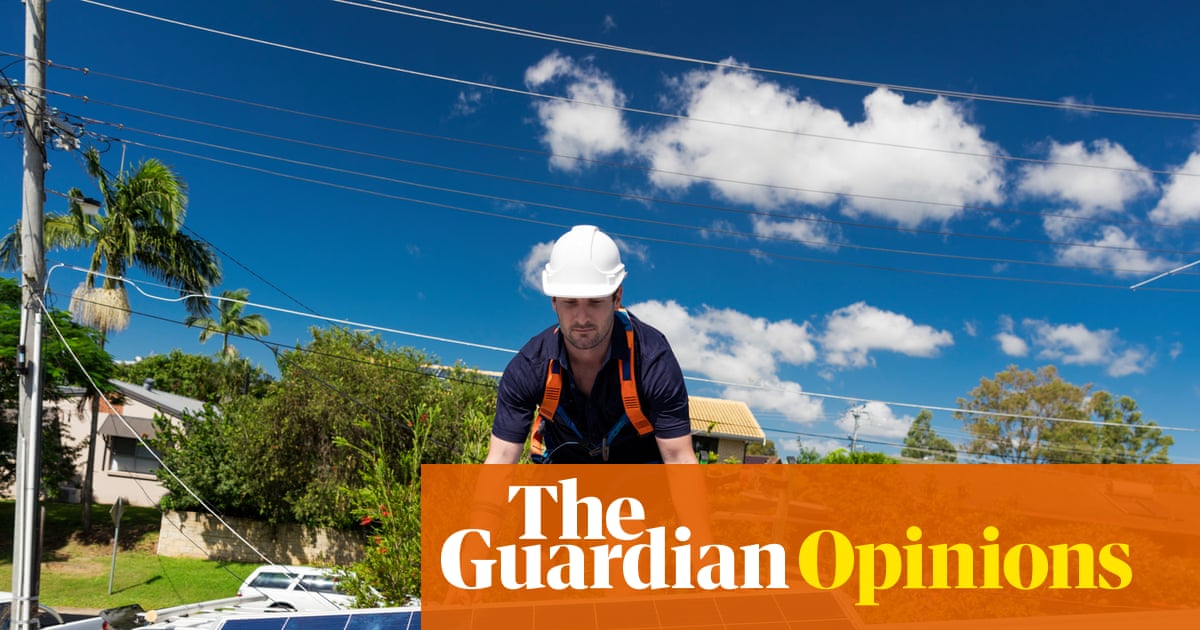
All these programs, measures and laws concerning solar energy, specifically in California, will continue to fall short of the ultimate goal to wean ourselves off of fossil fuels and reduce the high cost of electricity for all of us. Also, the use of valuable land to install solar farms is not the best idea either. Like I've suggested before, every commercial and residential rooftop should be utilized in some type of state or federal program to place, at low cost to property owners, solar panels