#opec-production-management
#opec-production-management
[ follow ]
#strait-of-hormuz #oil-prices #iran #gas-prices #middle-east-conflict #global-economy #middle-east #inflation
#oil-prices


World news
fromLondon Business News | Londonlovesbusiness.com
2 days agoOil falls while the risk of renewed escalation remains high as the ceasefire nears its end - London Business News | Londonlovesbusiness.com
Oil prices declined amid optimism about a potential end to the Middle East conflict, despite risks of renewed escalation.
#iran

World news
fromLondon Business News | Londonlovesbusiness.com
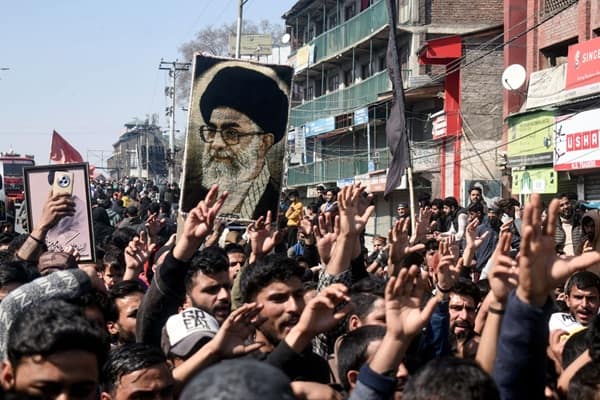
27 minutes agoIran standoff with US intensifies amid fresh threats and shipping fears - London Business News | Londonlovesbusiness.com
Iran has rejected negotiations, issued threats of escalation, and set red lines for future talks amid rising tensions with the US and Gulf states.

fromArs Technica
13 hours agoCrypto scam lures ships into Strait of Hormuz, falsely promising safe passage
The first warning of such a crypto scam came from the Greek maritime risk management company MARISKS on April 20, according to Reuters. The company alerted shipowners that scammers posing as Iranian authorities had sent messages to shipping companies asking for 'transit fee' payments in bitcoin or tether.
Cryptocurrency
World news
fromFortune
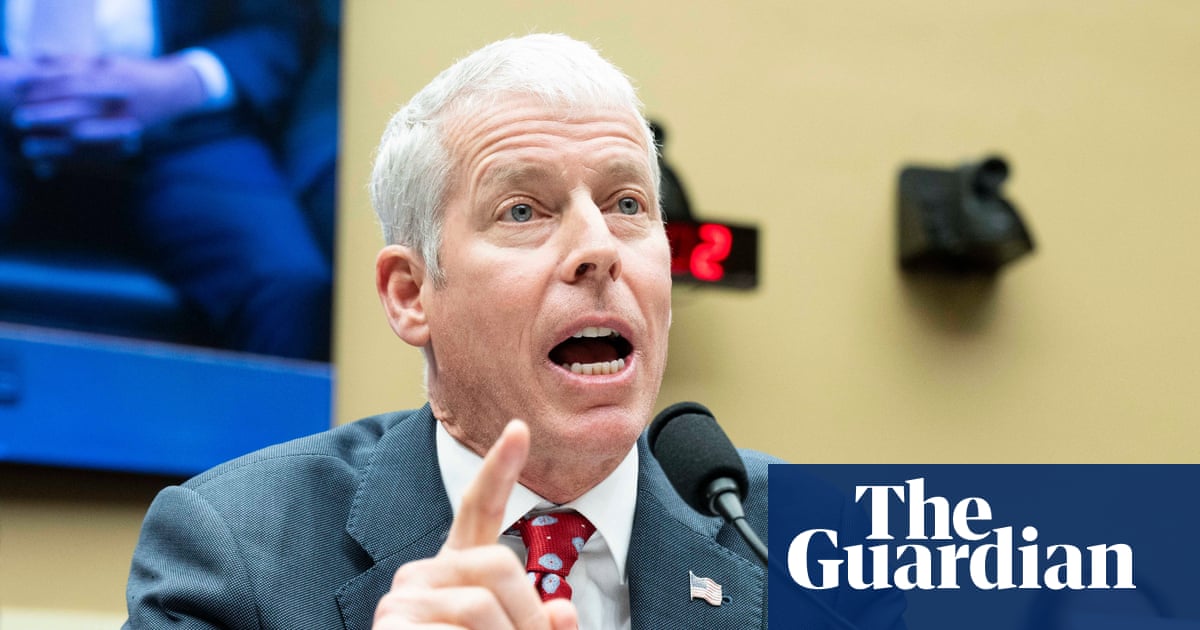
1 day agoHalliburton CEO: U.S. oil rebound enters 'early innings' as Iran war triggers 'long-lasting' global push for energy outside the Middle East | Fortune
The U.S. oil sector is rebounding, driven by energy security concerns and increased production amid geopolitical tensions.
fromwww.theguardian.com
1 week agoBP hails exceptional' trading as oil prices soar in Iran war
BP's oil trading result is expected to be exceptional in the first quarter of its financial year, driven by significant market volatility after Tehran's effective closure of the key strait of Hormuz shipping route.
Business
Europe news
fromLondon Business News | Londonlovesbusiness.com
3 days agoInvestors on edge as oil shoots higher given fragile Iran situation - London Business News | Londonlovesbusiness.com
Oil markets experienced volatility with Brent Crude rising 5% to $95 a barrel due to the closure of the Strait of Hormuz.
#crude-oil
World politics
fromLondon Business News | Londonlovesbusiness.com
1 day agoCrude oil (WTI) between hope and escalation - London Business News | Londonlovesbusiness.com
Crude oil prices are stable around $88 per barrel, reflecting cautious anticipation amid geopolitical tensions and economic expectations.
World news
fromLondon Business News | Londonlovesbusiness.com
6 days agoOil futures plunge further below amid growing ceasefire narrative - London Business News | Londonlovesbusiness.com
Crude oil prices are stabilizing as geopolitical risks diminish, with potential diplomatic solutions emerging from Iran and the U.S.
World politics
fromLondon Business News | Londonlovesbusiness.com
1 day agoCrude oil (WTI) between hope and escalation - London Business News | Londonlovesbusiness.com
Crude oil prices are stable around $88 per barrel, reflecting cautious anticipation amid geopolitical tensions and economic expectations.
World news
fromLondon Business News | Londonlovesbusiness.com
6 days agoOil futures plunge further below amid growing ceasefire narrative - London Business News | Londonlovesbusiness.com
Crude oil prices are stabilizing as geopolitical risks diminish, with potential diplomatic solutions emerging from Iran and the U.S.
fromLondon Business News | Londonlovesbusiness.com
2 weeks agoMiddle East oil and gas recovery faces months-long process despite ceasefire - London Business News | Londonlovesbusiness.com
A 'workable system' of transit and shipowner confidence in the security of the transiting vessels is essential. This includes availability of insurance for transiting vessels, facilitating commercial trade financing, and sustained outbound vessel transits through the Strait of Hormuz.
Environment
World news
fromLondon Business News | Londonlovesbusiness.com
1 day agoIran seizes two container ships as Strait of Hormuz tensions spiral - London Business News | Londonlovesbusiness.com
Tensions in the Gulf escalated as Iran seized two commercial vessels in the Strait of Hormuz, raising concerns over global shipping security.
fromFortune
1 day agoU.S. forces board an oil tanker previously sanctioned for smuggling Iranian crude oil | Fortune
"As we have made clear, we will pursue global maritime enforcement efforts to disrupt illicit networks and interdict sanctioned vessels providing material support to Iran - anywhere they operate. International waters are not a refuge for sanctioned vessels."
World news
Miscellaneous
fromFortune
1 month agoOPEC+ to resume oil output increases as Iran conflict rages | Fortune
OPEC+ increased oil production by 206,000 barrels daily in April amid Middle East tensions, though the modest hike may prove insufficient to stabilize markets threatened by potential Strait of Hormuz disruptions.
fromAxios
2 months agoWhy filling up the gas tank will soon get more expensive
Refiners will soon start the switch to so-called summer blends, which don't vaporize as easily, to meet air pollution requirements. It's more expensive and time-consuming to create fuel that's resistant to evaporation, explains Aixa Diaz, an AAA spokesperson. What's next: The seasonal cost rise typically starts at the end of February or early March as "spring break season kicks off and refineries start production of summer-blend gasoline," Diaz said via email.
Business
fromwww.aljazeera.com
2 weeks agoOPEC+ agrees to hike oil output, warns of slow recovery after attacks
The war has effectively blocked the Strait of Hormuz, the world's most important oil route, since the end of February and cut exports from OPEC+ members Saudi Arabia, the United Arab Emirates (UAE), Kuwait and Iraq.
World news
World news
fromwww.theguardian.com
1 month agoMiddle East war creating largest supply disruption in the history of oil markets'
Iran's blockade of the Strait of Hormuz creates the largest oil supply disruption in history, exceeding previous crises, prompting the IEA to authorize record emergency reserve releases.
World news
fromLondon Business News | Londonlovesbusiness.com
1 month agoWhat is next for oil amid different possible outcomes for the Middle East raging war? - London Business News | Londonlovesbusiness.com
Oil prices surged over 11% on Middle East supply disruptions and tanker attacks, with infrastructure damage and Strait of Hormuz closure threatening 20% of global crude shipments.
[ Load more ]