#us-government
#us-government
[ follow ]
#intel #cybersecurity #investment #semiconductors #national-security #iran #trump-administration #china #tiktok
#intel




Intellectual property law
fromTNW | Insights
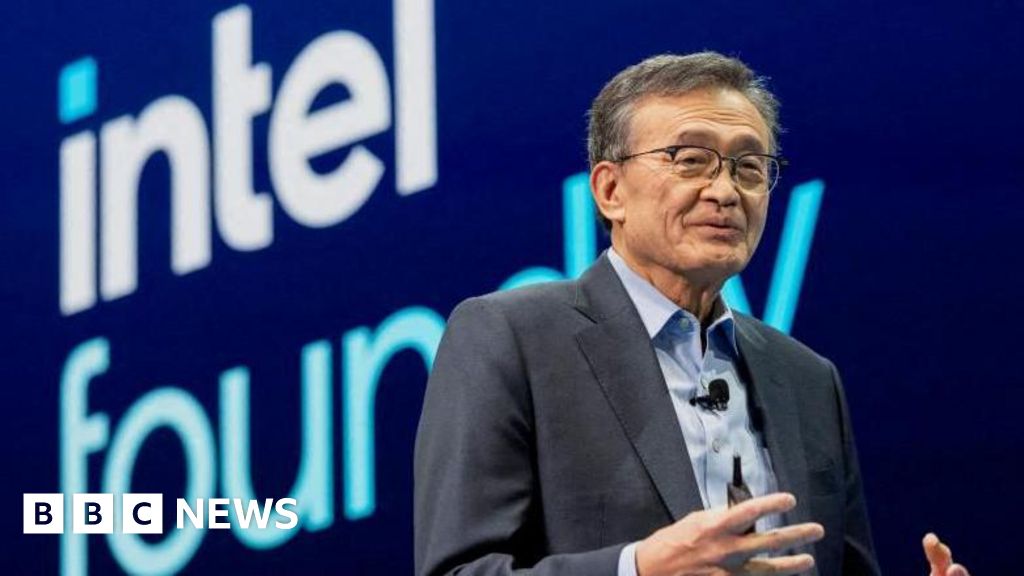
1 week agoThe US government's Intel stake is now worth $36 billion. Nobody in Washington planned it that way.
The US government's stake in Intel, worth $36 billion, is one of the most profitable investments in American industrial history, despite being accidental.



Washington DC
fromFortune
3 weeks ago'We have to be able to walk and chew gum' on government spending, says budget chairman, addressing both debt crisis and national security demands | Fortune
The U.S. government faces funding challenges for mandatory spending and military endeavors, with disagreements over DHS funding complicating the budget process.

Right-wing politics
fromLos Angeles Times
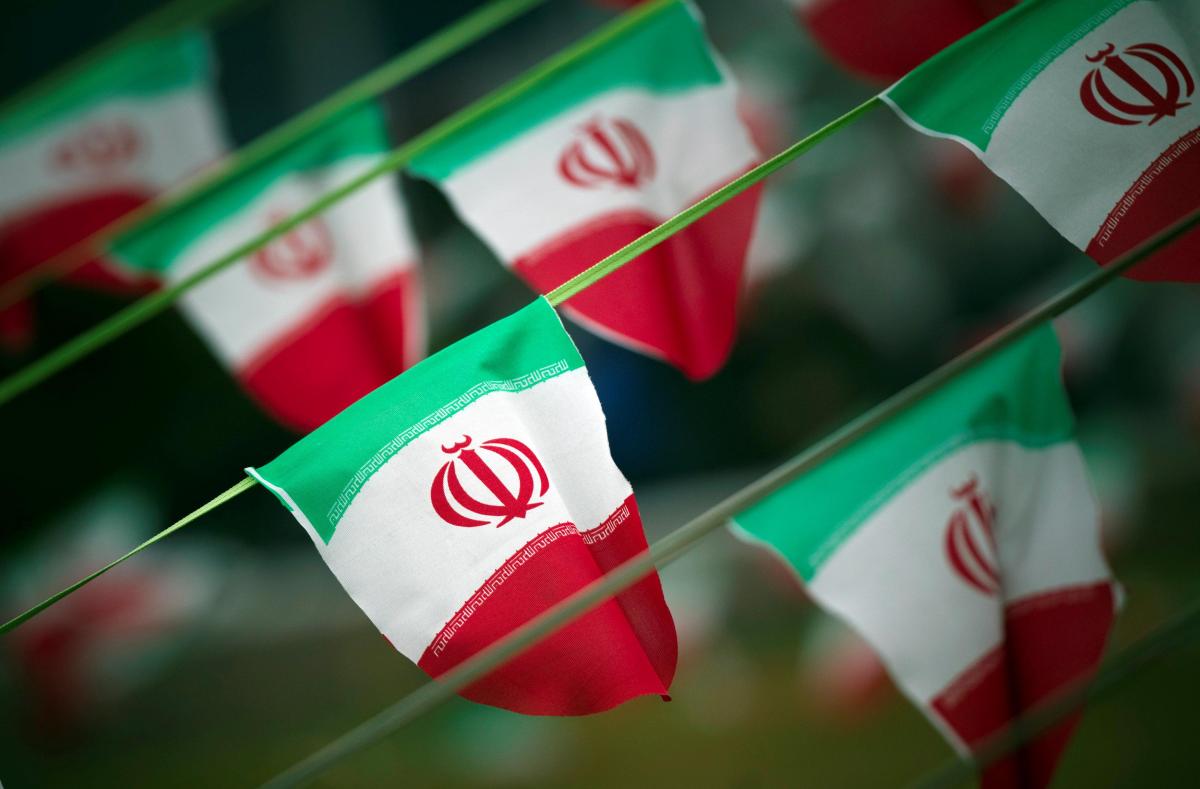
4 weeks agoIranian general's relatives lived lavish L.A. lifestyle while promoting 'Iranian regime propaganda'
Two relatives of an Iranian general were arrested for immigration violations after praising Iran and criticizing the U.S. while showcasing a Western lifestyle.


fromenglish.elpais.com
1 month agoSilvio Rodriguez: The world is run by an authoritarian, warmongering, thieving regime. And it's not Cuba'
There are politics in my songs, but not propaganda, says the musician, who receives EL PAIS on Wednesday at the Ojala studios in Havana. He speaks of the government's orthodox and closed vision in the economic sphere, and of his commitment to a less rigid socialism.
Music production
fromHyperallergic
3 months agoTrump Withdraws From Major Culture Preservation Groups
According to the White House, two international groups working on cultural heritage preservation and arts policy are "contrary to the interests of the United States" and "waste taxpayer dollars." The International Centre for the Study of the Preservation and Restoration of Cultural Property (ICCROM) and the International Federation of Arts Councils and Culture Agencies (IFACCA) are among 66 organizations or treaties from which President Trump withdrew in a memorandum on Wednesday, January 7.
Arts





fromThenorthstar
9 months agoBREAKING: The Trump administration and the IDF just admitted they lied for 2 years about Hamas stealing aid from the United Nations
The Israeli military never found proof that the Palestinian militant group had systematically stolen aid from the United Nations, the biggest supplier of emergency assistance to Gaza for most of the war, according to two senior Israeli military officials and two other Israelis involved in the matter.
US politics


fromMail Online
9 months agoArea 51 staff have 'invisible illness' after work on secret projects
David Crete, a former Air Force Sergeant who worked at NTTR from 1983 through 1987, said that over 490 of his fellow workers have died of severe illnesses since being stationed at the secret facility. 'I have brain atrophy. The left side of my brain is shrinking and dying. That's not too bad. I'm one of the healthy ones,' Crete told the House Veterans Affairs Committee in April while lobbying for legislation to support the Area 51 veterans. The average age of death for someone who served in that unit is 65 and the youngest airman to die was just 33.
Public health
fromwww.theguardian.com
9 months agoAmerica's famed checks-and-balances' governance system is failing | Jan-Werner Muller
The US supreme court allowing the president effectively to abolish the Department of Education only reinforces this sense; Sonia Sotomayor, in her dissent, explicitly wrote that the threat to our Constitution's separation of powers is grave.
US politics


fromPinkNews | Latest lesbian, gay, bi and trans news | LGBTQ+ news
9 months agoFirst trans people, now bisexuals: Stonewall website further erases LGBTQ+ history
The removal of mentions of bisexual people from the Stonewall National Monument website has sparked outrage as part of a broader erasure of LGBTQ+ history by the US government.
LGBT
fromTechCrunch
10 months agoUS bans WhatsApp from House of Representatives staff devices | TechCrunch
"The Office of Cybersecurity has deemed WhatsApp a high risk to users due to the lack of transparency in how it protects user data, absence of stored data encryption, and potential security risks involved with its use."
Privacy professionals
[ Load more ]