#protein
#protein
[ follow ]
#nutrition #healthy-eating #health #cottage-cheese #dietary-guidelines #food-trends #fiber #diet #coffee






fromTasting Table
2 months agoWhat Happens To Your Body When You Eat Red Meat Every Day - Tasting Table
"Red meat can definitely fit into a balanced diet," she says. "It is rich in iron, vitamin B12, zinc, and high-quality protein that supports energy levels, metabolism, and muscle growth. Despite these health benefits, however, overconsumption is possible. "Where we see more concern is when intake is higher over time," Benson adds, "especially with processed red meat, and especially when fiber intake is low."
Public health
fromTasting Table
2 months agoOrder This At Chick-Fil-A For The Highest Protein Meal - Tasting Table
Protein carries a lot of food-cred these days, and rightfully so. Regardless of where it tucks into meal plans, protein brings a host of health benefits for muscles, bones, body tissues, metabolism, and lots more. It may not be glamorous in its own right, but it certainly appears in plenty of tasty, creative meals - from everyday comfort foods to international specialty dishes, high-end meat and seafood recipes, and even your favorite fast-food offerings.
Food & drink
fromBusiness Insider
2 months agoProtein isn't a weight loss miracle. A leading protein expert explains how to incorporate it into your routine for the best results.
More protein? Even better. There is some truth here. Protein can help you build and maintain muscle. It can also impact metabolism and has a real, albeit quite mild, effect on how full you feel after you eat. We need some protein in our diet to provide the essential amino acids our body can't make on its own, which are critical for cellular tasks, including tissue repair, muscle building, and boosting immunity.
Health
Cooking
fromTasting Table
2 months agoTransform Popcorn Into A Sweet And Protein-Packed Treat With An Ingredient Already In Your Pantry - Tasting Table
Combining popcorn with peanut butter creates a protein- and heart-healthy snack, especially when popcorn is air-popped or stovetop-popped using healthy oils.
fromA Couple Cooks
3 months ago20 Great Vegetarian Sandwiches
A sandwich might sound like a "boring" meal, but these vegetarian sandwiches are anything but uninspired! I've spent years testing different combinations of veggie sandwich fillings in my kitchen, and over the years I've collected my favorite ideas for making meatless lunches and dinners. These vegetarian sandwiches have become my go-to's for quick weeknight dinners and healthy lunches that actually make me look forward to the meal.
Cooking

fromThe Verge
3 months agoRFK Jr.'s new food pyramid could be a disaster for the environment - if Americans actually pay any attention to it
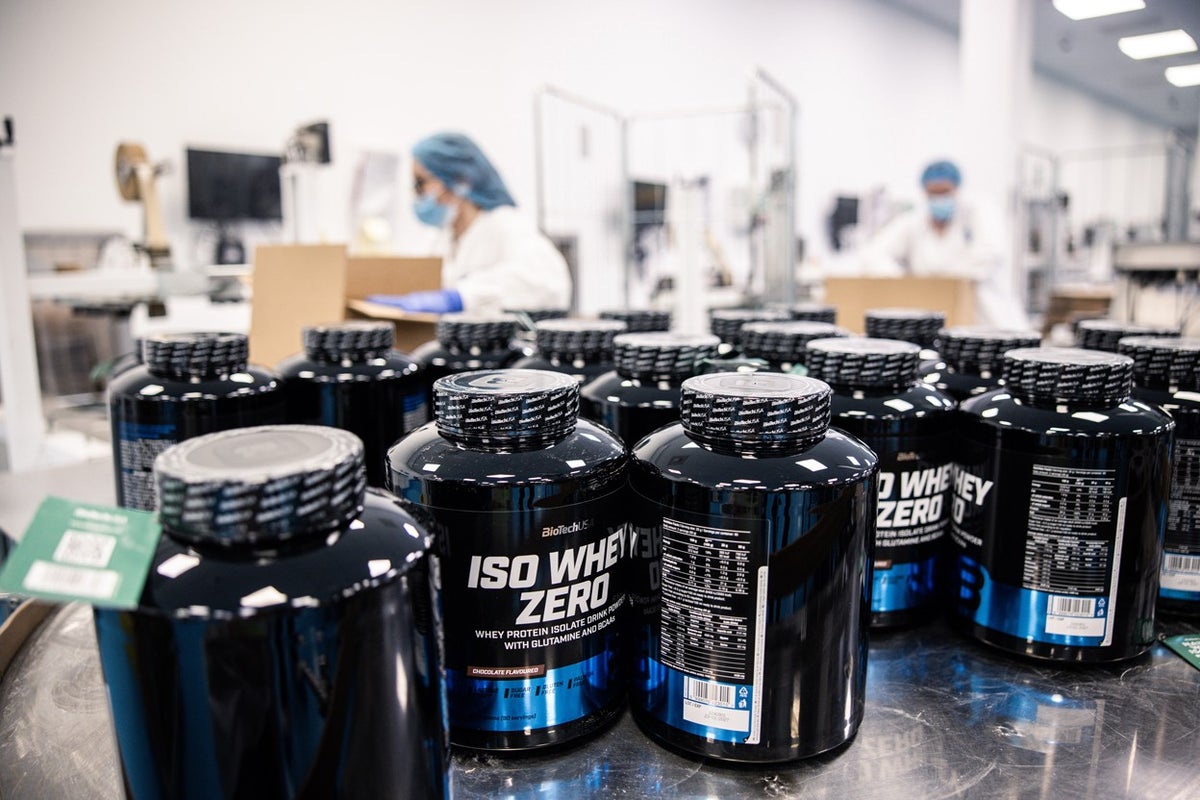
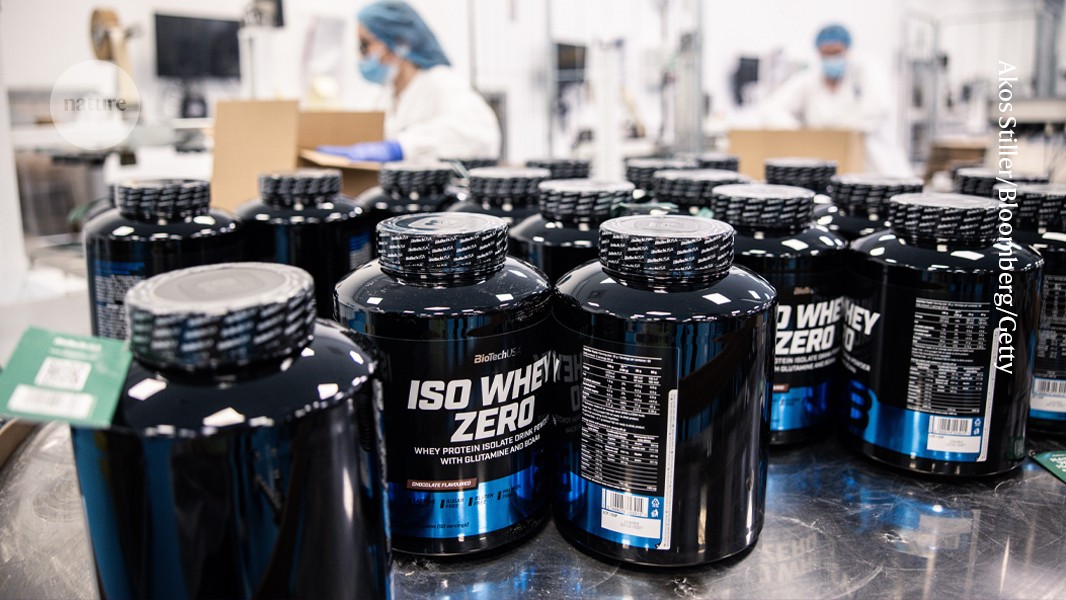
The Trump administration announced last week that it wants Americans to consume more protein, churning out a colorful illustration of an inverted food pyramid that prominently features a big, red steak, a wedge of cheese, and a carton of whole milk at the top and claiming it's "ending the war on protein." It may seem like another example of cartoonish propaganda from an administration that essentially runs on memes, but don't be fooled: It signals a marked turn from previous advice that encouraged Americans to limit high-fat sources of protein like red meat and whole milk for their health, which can incidentally also curb planet-heating pollution from the beef and dairy industries.
Environment
fromTasting Table
3 months agoThe Fruit With The Highest Amount Of Protein Is Also A Magnesium Powerhouse - Tasting Table
While it's long been recognized as a vital nutrient, many people are working even harder lately to get more protein into their diets. Protein gives us energy, helps produce new cells and keep them healthy, aids in transporting oxygen throughout our bodies, and assists in creating antibodies that fight illness. It's no wonder we're often looking into ingredients that pack a protein punch.
Food & drink




fromTasting Table
4 months agoYou Can Stop Believing This Common Protein Myth - Tasting Table
Protein is quite the buzzword these days, and rightfully so. It's an essential macronutrient that contributes to the optimum health of your body, though people especially like it for its muscle-building properties and the way it can aid weight loss. But there are also some myths surrounding protein that you need to stop believing. For example, it's a myth that consuming it immediately after a workout is crucial if you want to build muscle.
Food & drink
Food & drink
fromFood & Beverage Magazine
4 months agoSatisfy Your Sweet Tooth and Stay on Track: Holiday Desserts with a Protein Punch - Food & Beverage Magazine
Adding protein to holiday desserts increases nutritional value, supports muscle maintenance and satiety, and can be achieved using powders, dairy, plant-based ingredients, and high-protein foods.


fromBusiness Insider
4 months agoHow a sports nutritionist eats a high-protein diet to fuel workouts and feel satisfied - without ultra-processed foods
Grocery store shelves are stacked with convenient, protein-ified snacks, from bars to soda. But how much should you rely on them if you're trying to avoid ultra-processed foods? For Rob Hobson, a sports nutritionist, the answer is simple: it's "very, very easy" to consume enough protein without relying on UPFs, which are linked to obesity, type 2 diabetes, and cardiovascular disease when eaten in large amounts.
Food & drink
Food & drink
fromwww.theguardian.com
4 months agoMaximum protein, minimal carbs: why gym bros are flocking to Australia's charcoal chicken shops
Charcoal chicken's popularity has risen as a tasty, convenient high-protein option attracting gym-goers and prompting protein-focused menu offerings and gym partnerships.
fromBuzzFeed
5 months agoOnly The Friend With The Gym Membership Can Guess The Protein In These Everyday Foods
From Starbucks' protein lattes to cottage cheese ice creams and beef jerky chips, everything we love to snack on seems to be getting a protein-based makeover. These days, many of us are paying attention to what's in our food - and for some, getting enough protein is basically a part-time job. But lots of everyday foods have way more protein than you'd expect. So let's find out: can you guess
Food & drink

fromTasting Table
5 months agoWhy Chicken And Broccoli Make The Perfect High-Protein Soup Combo - Tasting Table
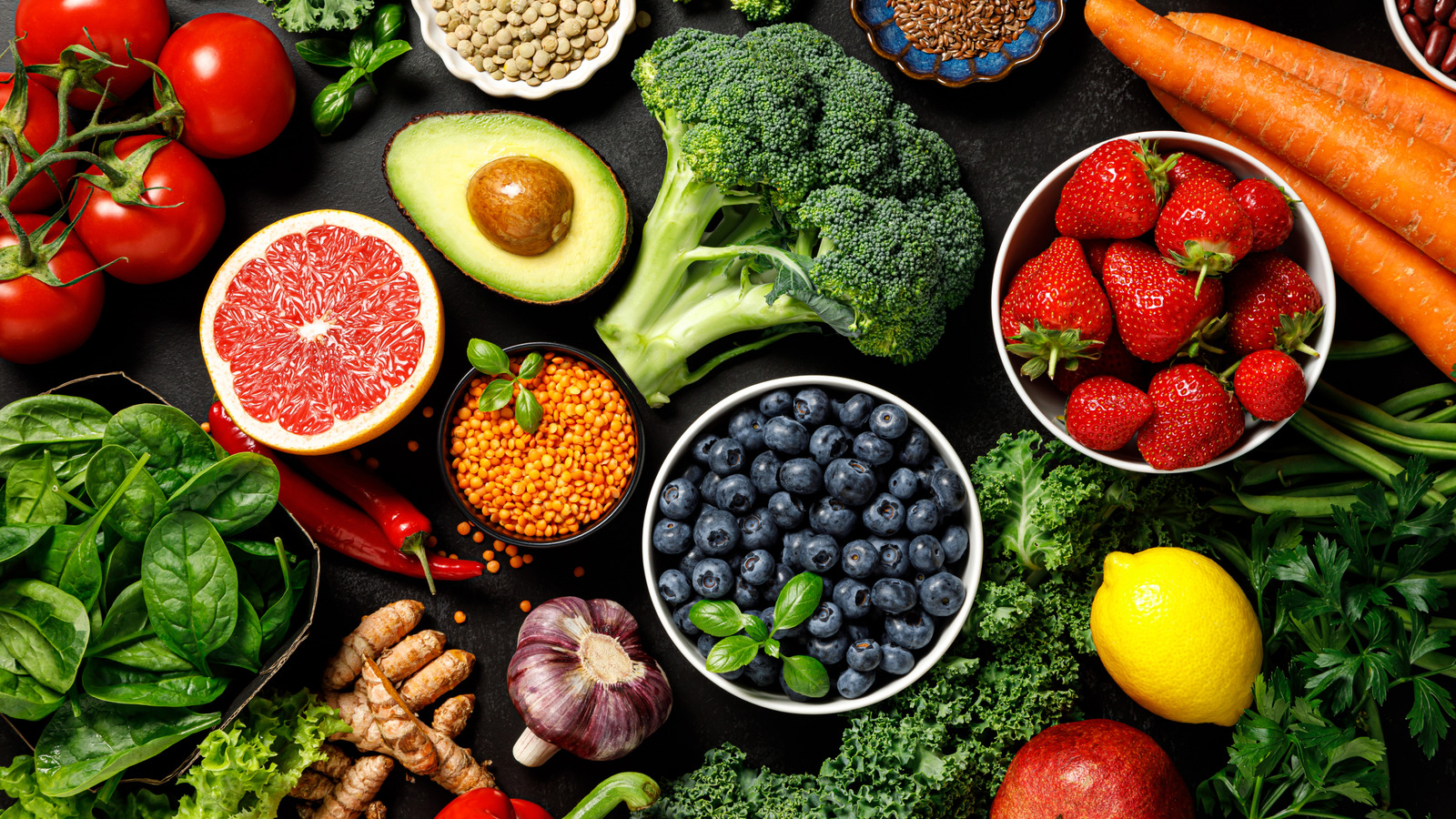
Getting enough protein in your diet is essential for building muscle, repairing bones, and basically getting through the day. But if you're left feeling a little cold by protein shakes and low-fat cottage cheese, a bowl of chicken and broccoli soup can be just as high in protein but a whole lot more comforting. Chicken is famously high in protein, but the exact amount can depend on which cut you choose.
Cooking
fromTasting Table
5 months agoIt Sounds Strange, But Chickpeas Are The Key To A Protein-Packed Waffle - Tasting Table
Usually, people are either in the French toast or pancake camp when it comes to breakfast, but there's no denying that a good waffle just really hits the spot every so often. Sweet, satisfying, and totally customizable, waffles can be a morning-time hero when prepared the right way, and there's one ingredient you can utilize to give them a quick protein boost: chickpeas.
Everyday cooking
fromBusiness Insider
6 months agoI meal-prep virtually the same high-protein sheet-pan dinner every week. It only takes 3 Trader Joe's ingredients.
On strength training days, I chug a gloopy concoction of protein powder, higher-protein Fairlife milk, and coffee that has the consistency of drying cement and tastes like I forgot how to love myself. I mix cottage cheese in my eggs and top my berry oatmeal with chia seeds and peanut butter, my head buzzing with all the high-protein swaps I need to make to hit my target protein goal - a whopping daily minimum of 53 grams.
Food & drink
fromTasting Table
6 months agoOvernight Oats Or Chia Pudding: Which Is Better For Fiber And Protein? - Tasting Table
Sisters but not twins, chia seed pudding and overnight oats offer convenient, nutrition-forward, make-ahead options for a fueling breakfast during busy mornings. Both dishes consist of dry ingredients hydrated in a dairy component to become texturally soft, rich, and creamy. But, just as each dish provides its own tasting profile and mouthfeel, each also comes with its own respective health benefits. When it comes to nutrition, overnight oats win for protein and chia seed pudding wins for fiber.
Food & drink
fromTasting Table
7 months agoWhy Sardines Are One Of The Most Nutrient-Packed Foods You Can Buy - Tasting Table
First off, one serving of canned sardines has almost 100% of the daily recommended intake of omega-3s, which are associated with tons of positive health benefits. Omega-3 fatty acids are good for heart health, and known to help prevent things like hypertension, type 2 diabetes, and fatty liver. What's even better is that research suggests that the other nutrients and minerals found in sardines - including calcium, magnesium, potassium, and zinc - may work together with omega-3s to produce better results than supplements alone.
Food & drink
fromBuzzFeed
8 months ago"We Don't Need More": Doctors Are Begging People To Not Overdo This Diet Plan That's Everywhere
Protein provides the building blocks of our organs and body, and that it's essential to improve the immune system. It's also used to make neurotransmitters, can function as hormones or can provide fuel through glucogenic or ketogenic pathways.
Health
fromMail Online
8 months agoRevealed: The formula for a perfect PINT with plenty of foam
Being given a pint without a nice thick foamy head is a common cause of frustration for pub-goers. But according to a new study, it might not be due to bar staff botching the pour. Scientists in Switzerland and the Netherlands have found that the stability of beer foam is due to a protein present in the liquid. And this protein tends to be more abundant in 'triple-fermented' beers, which are especially popular in Belgium.
Beer
Food & drink
fromBusiness Insider
8 months agoI'm a professional tennis player. Here are 10 Trader Joe's staples that help me hit my protein goals.
A traveling professional tennis player prioritizes quick, high-protein Trader Joe's staples for efficient, minimal-prep meals that fuel training and competition.

fromTasting Table
1 year agoThis Is The Best Fast Food Secret Menu For Protein Lovers - Tasting Table
When visiting Wendy's, it's essential to know that not all secret menu items are universally available. Items like the T-Rex Burger can exceed typical protein goals but might catch some workers off guard.
Silicon Valley food
[ Load more ]