Renovation
Renovation
[ follow ]
#destruction-of-relics #great-wall-of-china #unesco-world-heritage-site #ming-dynasty #unesco-world-heritage


#tiny-homes

Renovation
fromwww.businessinsider.com
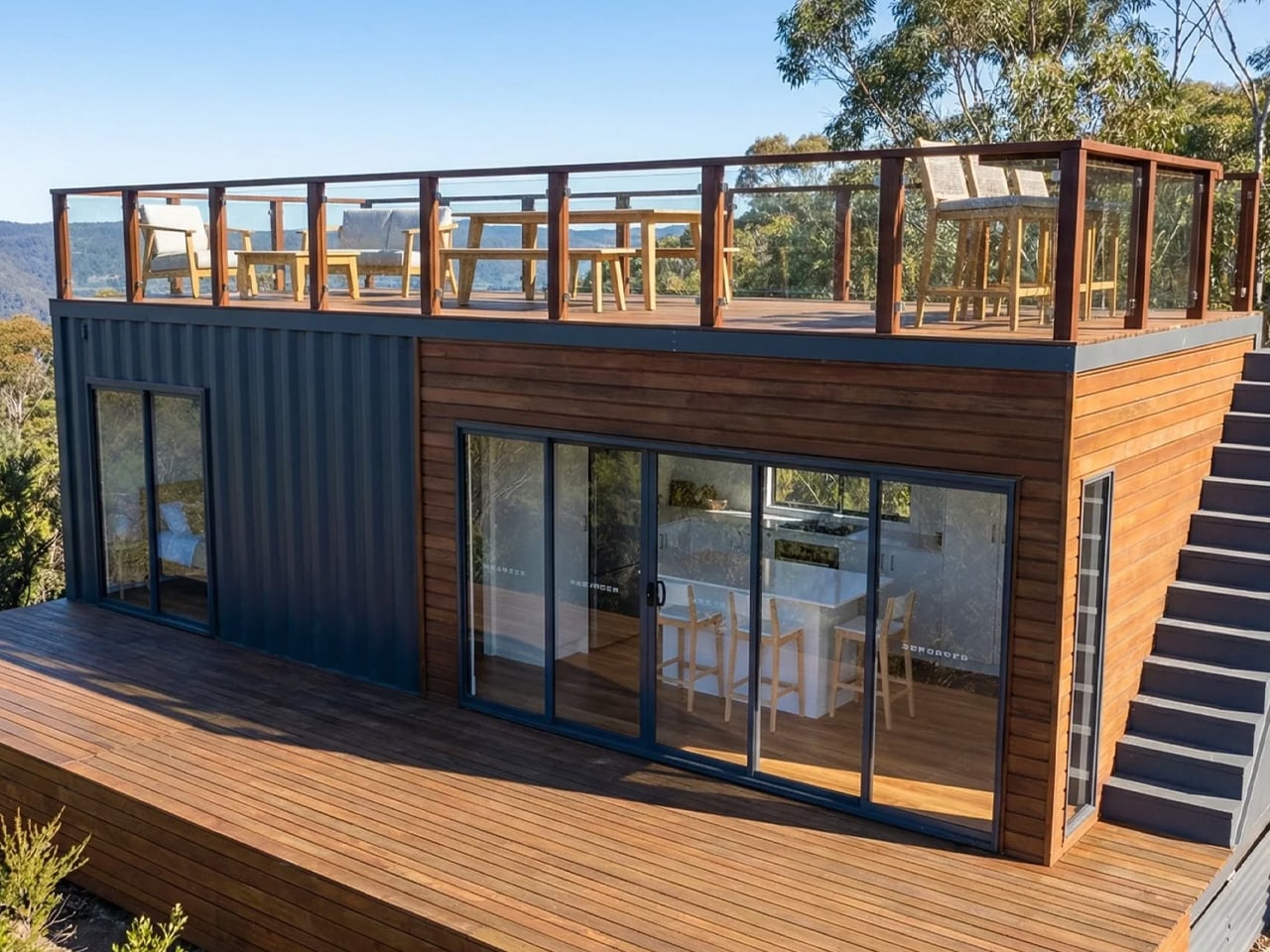
14 hours agoA couple bought a 527-square-foot tiny house for $37,500 more than a decade ago. It's helped them live debt-free.
A 527-square-foot tiny home bought for $37,500 became a long-term dream home through DIY upgrades, secondhand furnishings, and a functional layout.
Renovation
fromYanko Design - Modern Industrial Design News
2 days agoThis $30,000 Tiny Home Puts the Bed on the Ground Floor and the Price Below Every Competitor - Yanko Design
The Shanti by Simplify Further Tiny Homes offers a well-built, affordable tiny home option with practical features and versatile use cases.

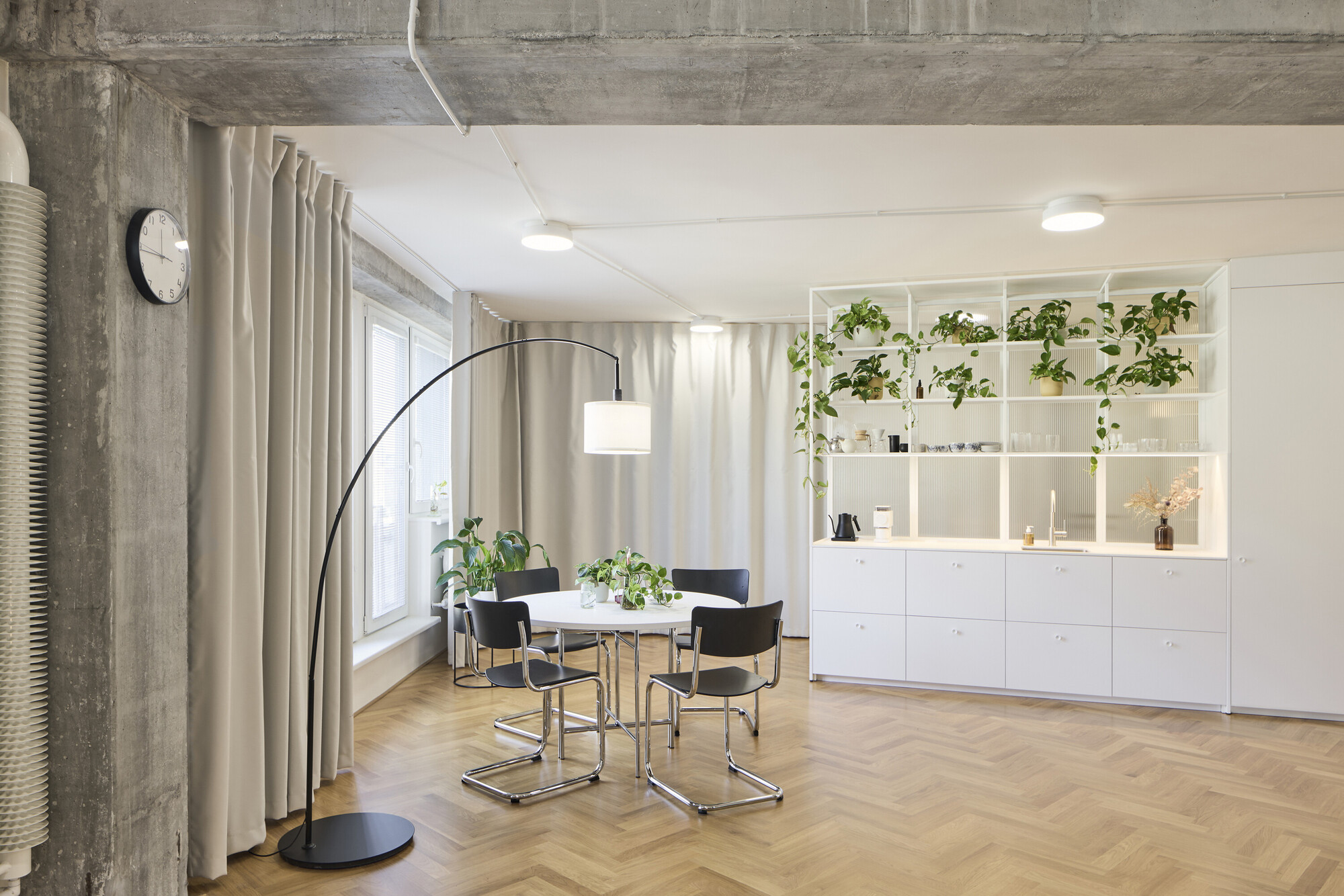

fromArchDaily
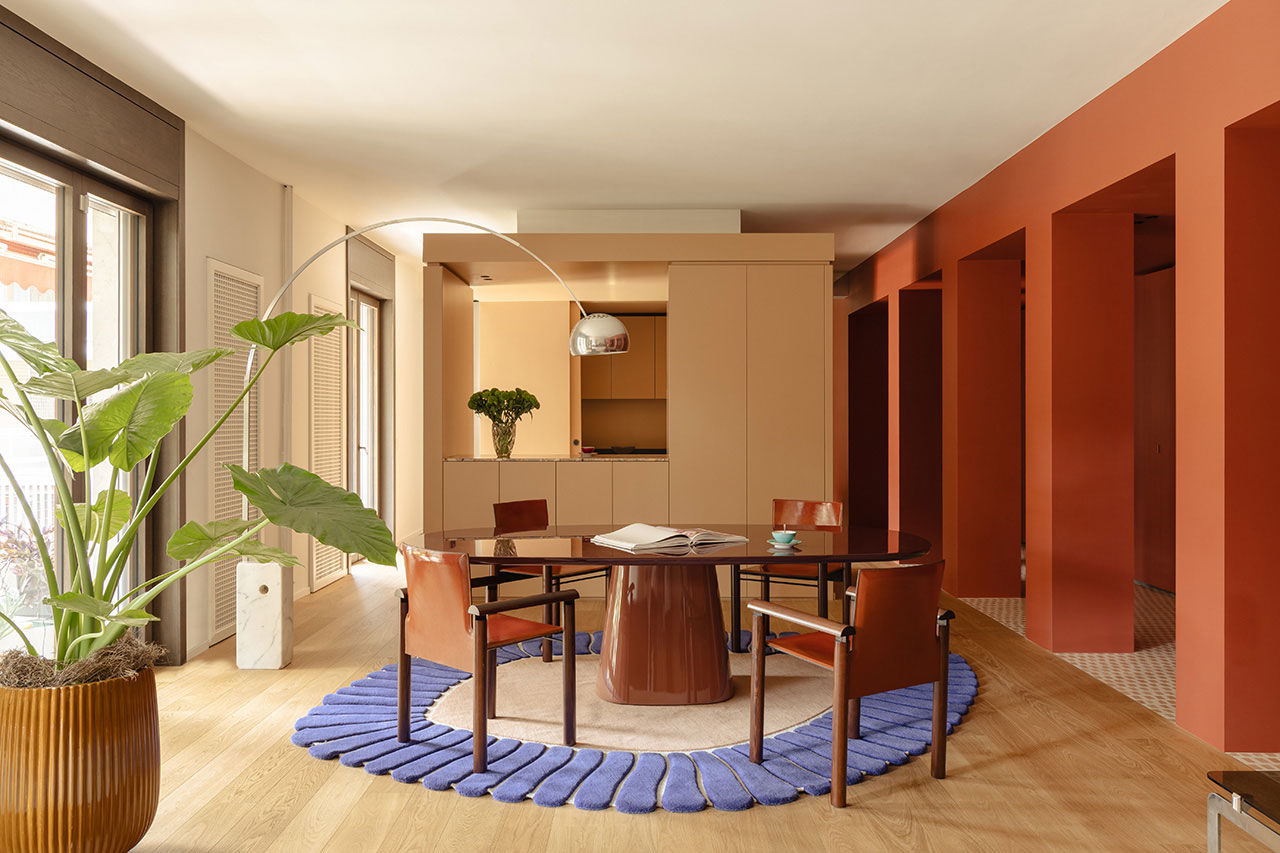
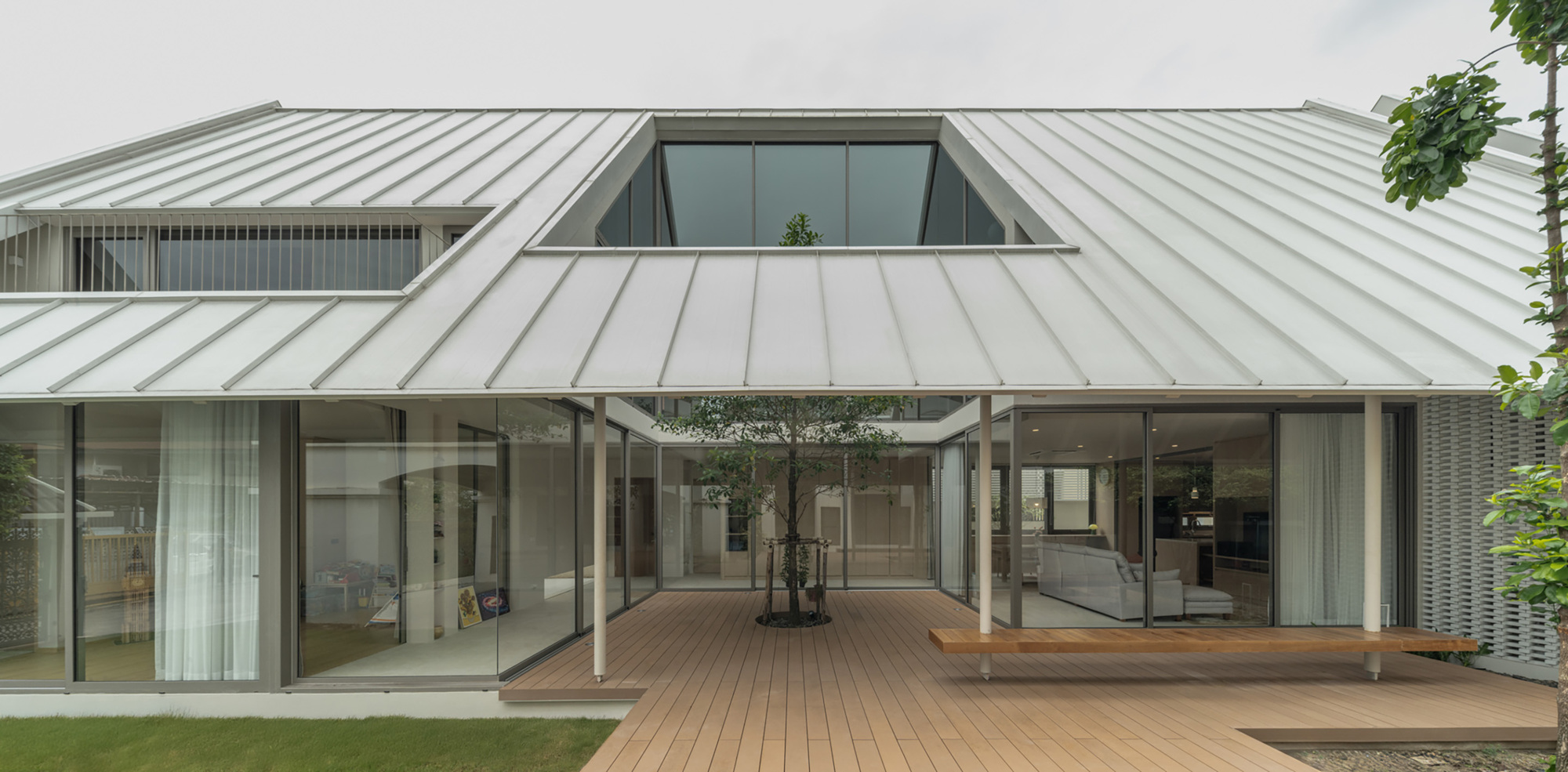
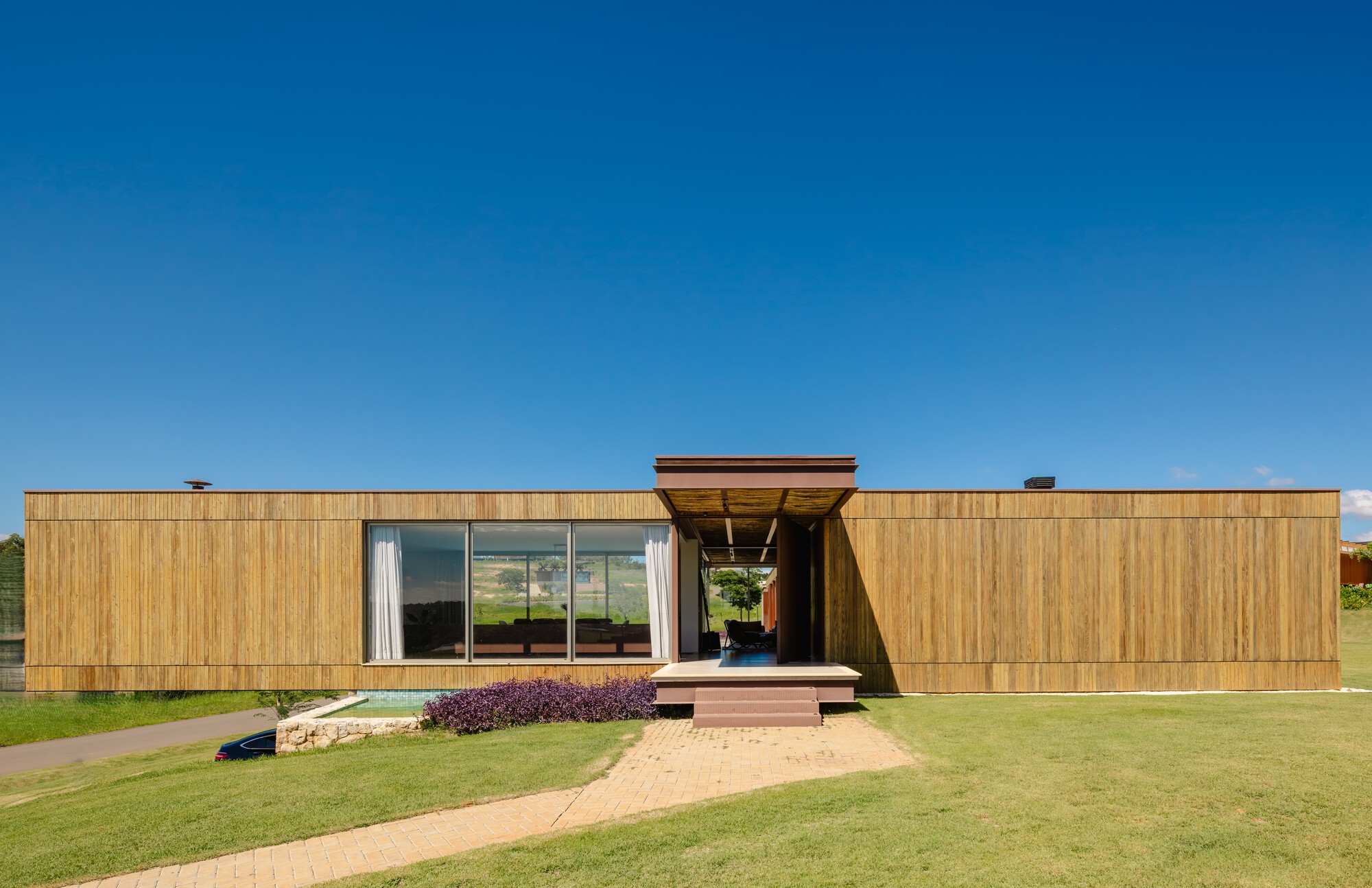
22 hours agoFrom Tradition to Modern Living: The Versatility and Elegance of Timber in 12 Japanese Interiors
Wood has always been the soul of Japanese architecture. In many recent residential projects, this material transcends its structural role to become the primary finish for various surfaces - ranging from floors and ceilings to furniture and architectural elements. These environments strike a delicate balance between elegance and coziness.
Renovation

Renovation
fromRedfin | Real Estate Tips for Home Buying, Selling & More
1 day agoA Guide to Types of Historic Homes and Preserving Their Original Character
Historic homes preserve irreplaceable craftsmanship and materials, offering lasting place identity and guiding informed buying and renovation decisions.
Renovation
fromRemodelista
18 hours agoAn Abandoned Stone Building in Mallorca Resurrected: September Moore Design's Latest Remodel
A couple renovated historic homes using traditional materials and hands-on learning, moving through projects across countries while maintaining a minimalist vision and practical implementation.
Renovation
fromianVisits
21 hours agoHistoric Chinese carpet returns to Eltham Palace after wartime disappearance
A rare Chinese-style carpet commissioned for Eltham Palace has been returned after decades, following conservation, to restore original display and illustrate Western-inspired Chinese collecting.
Renovation
fromArchDaily
1 day agoThe Albanian Kaleidoscope - Reconstruction and Musealization of the National Historical Museum / Casanova + Hernandez Architects
Architecture in Tirana is shifting from ideological instrument to a platform enabling critical cultural engagement amid rapid modernization.
fromApartment Therapy
1 day agoThis Bare Backyard Now Feels Like a Vacation - Thanks to a $2,500 Boho Redo
We realized the importance of having a space outside of the house, even if it is only a few feet away. Over the five years that we've lived in this home, we've had a multitude of ideas regarding the large open space that was our backyard, but they never followed through. For the most part, it was mainly used as a large potty for my Pekingese, Bentley.
Renovation
Renovation
fromApartment Therapy
1 day agoThe New Way Designers Are Using This Victorian-Era Detail (It's Gorgeous!)
Bobbin trim, featuring circular carved beads, is trending as a versatile design element for crown molding, doorways, paneling, and window frames to add whimsical character to interior spaces.
Renovation
fromYanko Design - Modern Industrial Design News
2 days agoThis Is the Tiny House the Short-Term Rental Market Has Been Waiting For - Yanko Design
The Rasa tiny home is a 224-square-foot mobile dwelling designed from three years of Airbnb hosting data, prioritizing functional space that sleeps six while maintaining livable proportions and practical amenities.
fromdesignboom | architecture & design magazine
1 day agoart deco interiors by mikou restore yves saint laurent and pierre berge's former paris atelier
The project focuses on revealing and extending the atelier's Art Deco characteristics while preserving existing architectural elements. Floral Art Nouveau detailing, exposed elements, metal framing, flooring, and beams are retained and integrated into the new spatial configuration. Additional materials, including oak, lime bricks, and translucent glass pavers, are introduced to complement the existing palette.
Renovation
Renovation
fromCN Traveller
1 day agoKoko turns 125: how a Victorian theatre rose from the ashes to become London's coolest music venue
Koko, a historic 125-year-old Camden venue, reopened after major refurbishment and now features expanded amenities including a recording studio, members' club, and enhanced live performance programming.
fromArchitectural Digest
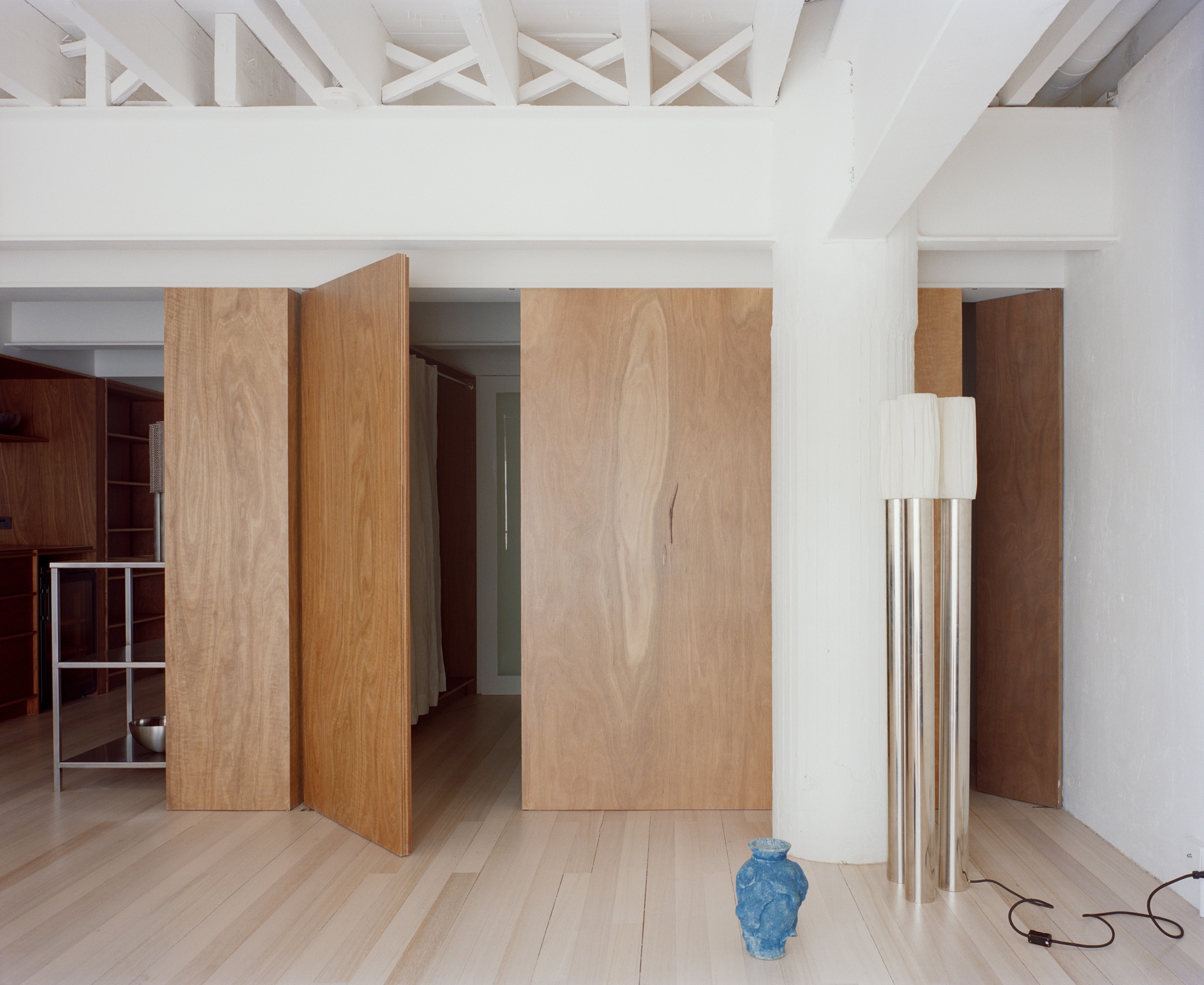
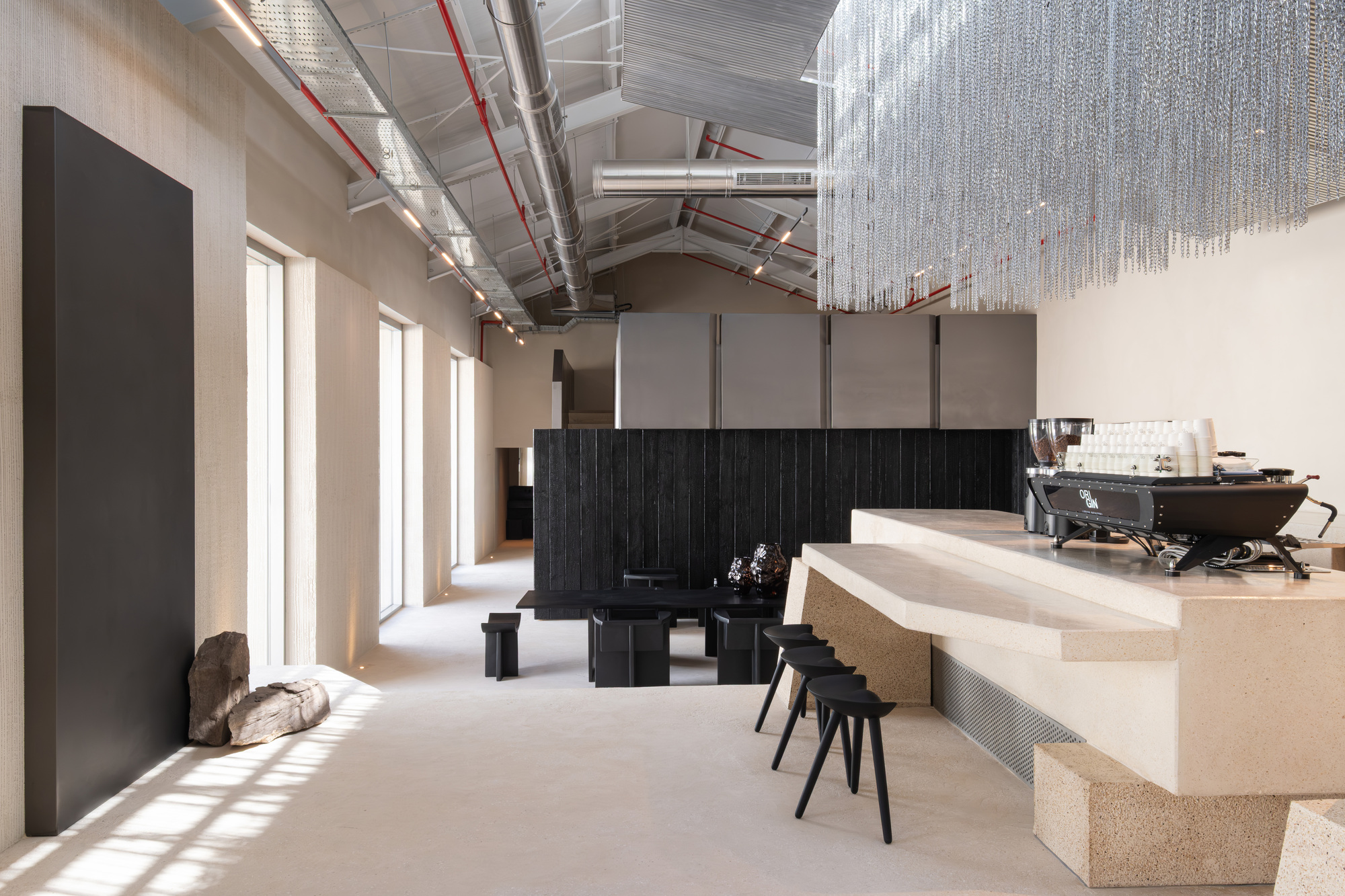
1 year agoThese 9 Bathroom Trends Are Aging Your Home-This Is What Interior Designers Recommend Instead
Personally I hate any lighting over a mirror; it's just not flattering! So I usually opt for sconces at face height instead in our designs. The wood has often warped from water damage, the caulking has gaps, and the polished brass hardware is chipped.
Renovation
Renovation
fromdesignboom | architecture & design magazine
2 days agoterrazzo paving and concrete seating reframes town's center in bulgaria by squareone atelier
Squareone Atelier's proposal transforms Elin Pelin's town center into a continuous civic landscape with interconnected zones for diverse activities.
Renovation
fromThe Art Newspaper - International art news and events
2 days agoBrandywine Conservancy and Museum picks architects for $100m expansion project
Brandywine Conservancy is expanding into a 325-acre public preserve with a new museum building and walking trails connecting historic artist studios.
fromYanko Design - Modern Industrial Design News
3 days agoThis Rotating Solar House Grows Fish and Plants Entirely on Its Own - Yanko Design
The Eco-Aquaponic House functions more like a machine than a greenhouse, engineered to grow fish and plants together in an energy-efficient and largely self-sustaining way.
Renovation
fromRedfin | Real Estate Tips for Home Buying, Selling & More
3 days agoBackyard Shade Ideas to Keep Your Outdoor Space Cool and Comfortable
The right solution depends on both budget and how the space is used. A common mistake is selecting a structure that does not match the home's style, stressing that size, color, and material should always complement the backyard and home.
Renovation
fromLondon Business News | Londonlovesbusiness.com
3 days agoHe bought a castle where Churchill and De Gaulle once walked. Then the Last surviving free French soldier flew to London to thank him - London Business News | Londonlovesbusiness.com
"There was one Free French soldier still alive when I bought the building. He flew down to Mayfair and took me out for dinner. Just to say thank you for buying it and for restoring it."
Renovation
fromwww.theguardian.com
3 days agoSalisbury Cathedral restores stained-glass treasure by Edward Burne-Jones and William Morris
Sam Kelly admitted there had been some nights of broken sleep as he led a two-year project to restore one of Salisbury Cathedral's treasures, a stained-glass window by Edward Burne-Jones and William Morris.
Renovation
fromTravel + Leisure
4 days agoThis Former Textile Factory in Hudson, New York, Just Became a Chic Wellness Escape-With a Stunning Bathhouse
"We've considered accessibility in a broad sense. How do we create a welcoming space for visitors and locals alike? The result is reflected in the design and the ethos of the project."
Renovation
fromFast Company
4 days agoA waterfront glow-up is transforming Brooklyn's polluted Gowanus Canal
The Gowanus as an ecosystem and as a neighborhood is so interesting because it is being remade at a systemic level in so many different ways over a relatively short period of time for an urban area.
Renovation
fromIndependent
4 days agoTanya Sweeney: In my next life, I want to come back as a dad so someone else can handle the invisible household load
The centre is well-known in Ireland's creative community, and is designed for people to take time out of their daily routines and have enough space - both physical and psychological - to work on new projects.
Renovation
fromwww.cbc.ca
5 days agoA new mega-tower planned near Toronto's oldest church has some worried shadows might dim its beauty | CBC News
Until the last decade, it has had sunshine on it, which is part of the beauty of the building and why it's architecturally important. An atheist would agree with that.
Renovation
fromIndependent
5 days agoRent-a-Room 2.0? Why 14,000 tax break a year for 'cheap' modular homes is far from the no-brainer it seems
The publication of the 1926 census last month showed just how common it was to rent out a spare room to a stranger, from Dublin households taking in culchies moving up to the Big Smoke to seek work to rural homes accepting 'paying guests' such as farm labourers or travelling salesmen.
Renovation
fromwww.businessinsider.com
6 days agoI'm an 84-year-old landlord. I charge reduced rent to my housemates who help me with food, tech, and transportation.
"I thought it would be a relief to know that someone else was taking care of me and would fix anything that went wrong with the property. But I got almost physically sick when I visited the facilities. I knew the lifestyle wasn't right for me, and I wouldn't feel independent or stimulated."
Renovation
[ Load more ]